Simple Blender Lentil Bread is a hearty, flourless, naturally vegan bread that combines red lentils with a handful of pantry staples. You don’t need yeast, eggs, kneading, or rising time. Instead, you soak the lentils, blend everything into a smooth batter, and bake a wholesome homemade loaf.
This easy red lentil bread offers a convenient way to add plant-based protein and fiber to your meals. Plus, its mild, savory flavor pairs beautifully with avocado, hummus, vegetable spreads, and hearty soups.
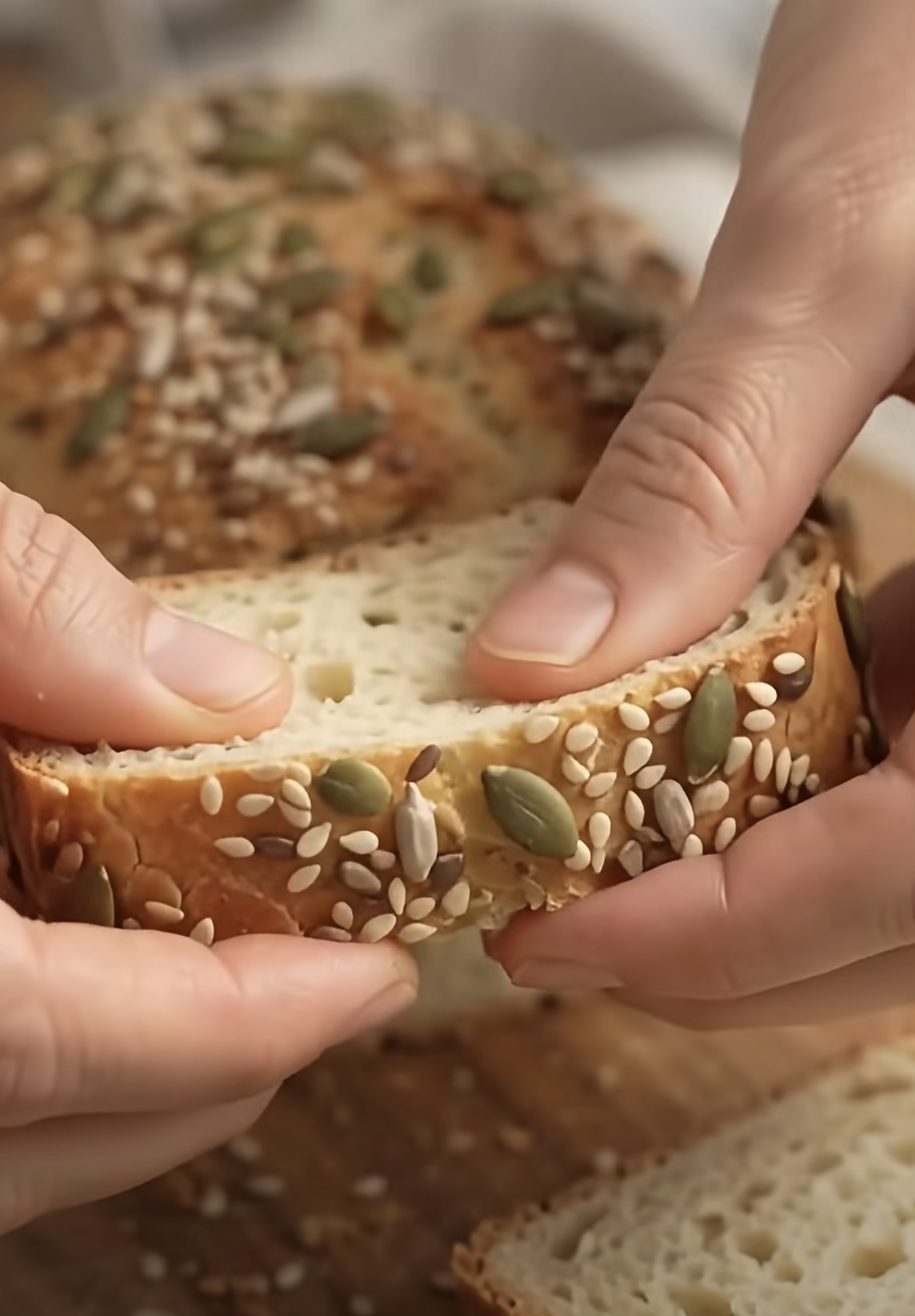
Simple Blender Lentil Bread – High-Protein, Gluten-Free & Incredibly Easy
Ingredients
Equipment
Method
- Rinse the dry red lentils thoroughly under cool running water.
- Cover with hot, nonboiling water for 15–20 minutes or room-temperature water for about two hours. Extend soaking if the lentils remain hard.
- Discard the soaking water, rinse the lentils, and drain thoroughly.
- Preheat oven to 350°F (175°C) and line an 8 x 4-inch loaf pan with parchment paper.
- Blend the drained lentils, one cup fresh water, olive oil, apple cider vinegar, and salt until completely smooth.
- Add baking soda and pulse briefly until incorporated. Stir in optional seasonings if desired.
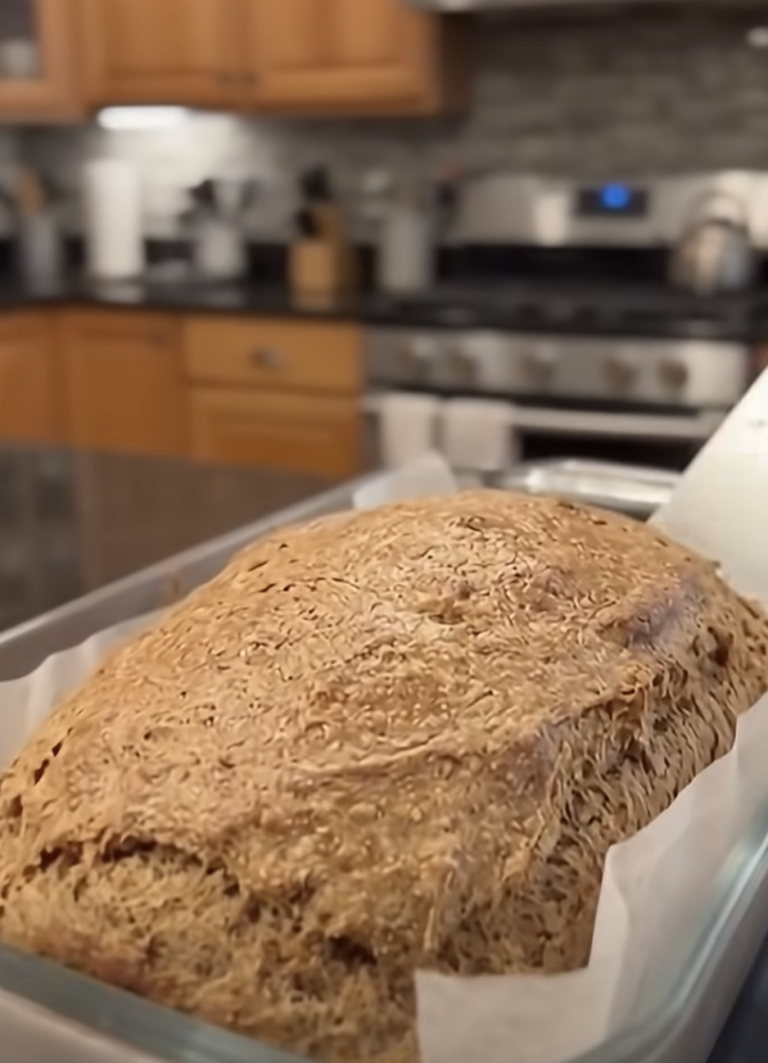
- Immediately pour the batter into the prepared loaf pan and smooth the top.
- Bake for 40–45 minutes until lightly golden, firm in the center, and a toothpick comes out clean. Extend baking if needed.
- Cool in the pan for 10 minutes, then transfer to a wire rack and cool completely.
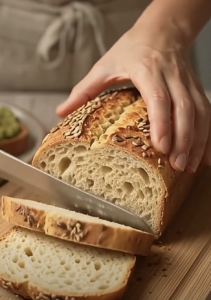
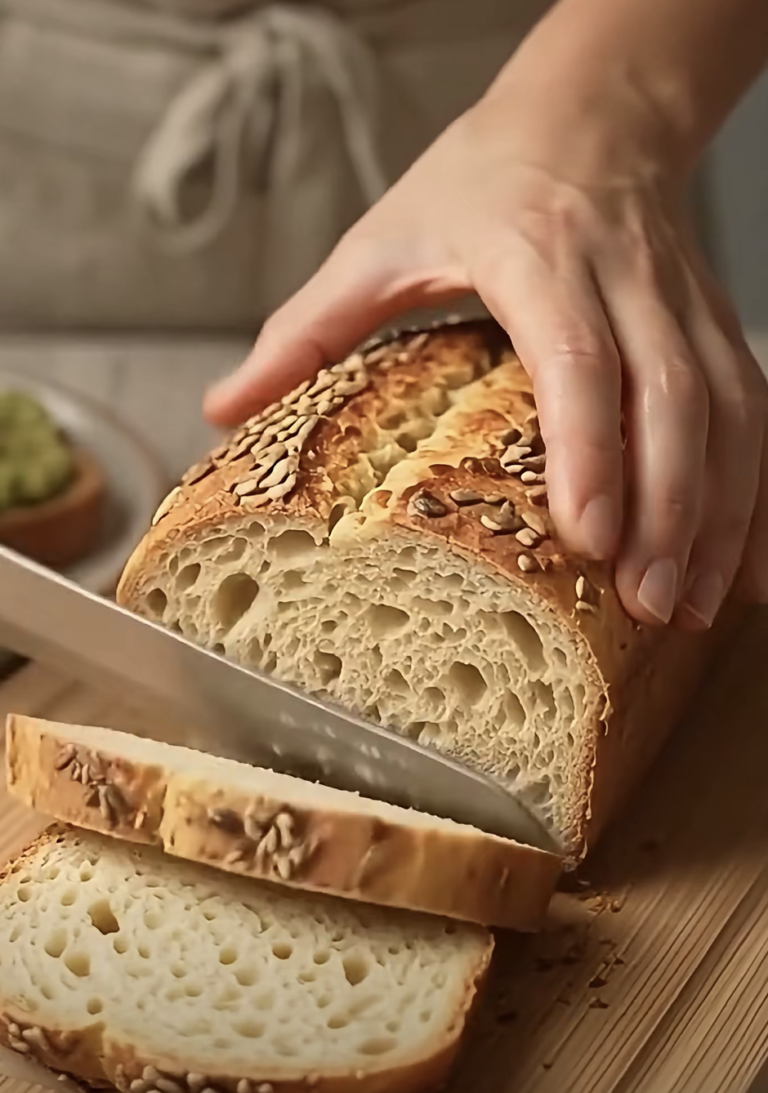
- Slice into approximately 10 pieces and serve plain or toasted.
Notes
Whether you’re exploring gluten-free baking, following a plant-based diet, or looking for a simple alternative to traditional sandwich bread, this recipe offers an approachable starting point.
I became interested in blender lentil bread while searching for a homemade bread recipe that didn’t require flour or complicated baking techniques. I liked the idea of using red lentils because they were affordable, easy to store, and already part of many everyday meals. At first, blending lentils into bread batter sounded unusual. However, the process turned out to be surprisingly straightforward. I especially appreciated how the recipe skipped kneading and rising altogether. Once the loaf cooled, I could slice it for sandwiches or toast it for breakfast. The slightly earthy flavor also worked well with savory toppings, which made it easy to enjoy throughout the week.
Why You’ll Love This Simple Blender Lentil Bread
A Flourless Bread Made With Everyday Pantry Staples
One of the biggest advantages of Simple Blender Lentil Bread comes from its short, practical ingredient list.
Instead of traditional flour, this recipe uses dry red lentils as the main ingredient. Once soaked and blended, the lentils create a thick batter that forms the structure of the loaf.
You also need water, olive oil, apple cider vinegar, baking soda, and salt.
Each ingredient serves a specific purpose.
Red lentils provide the body of the bread along with plant-based protein and fiber.
Water helps the soaked lentils blend into a smooth batter.
Olive oil contributes moisture and richness, helping the finished loaf feel more tender.
Apple cider vinegar reacts with baking soda to release carbon dioxide, which helps the batter rise slightly during baking.
Finally, salt balances the earthy flavor of the lentils.
Unlike yeast bread, this recipe doesn’t require fermentation or proofing. Therefore, you can prepare the batter as soon as the lentils finish soaking.
Another advantage involves cleanup. Because a blender handles most of the preparation, you won’t need to knead sticky dough or dust your countertop with flour.
The finished loaf has a denser texture than traditional sandwich bread, but it works particularly well when toasted.
Why Red Lentils Make a Nutritious Bread Base
Red lentils offer several nutritional benefits that make them useful for homemade bread.
First, they provide plant-based protein. Protein supports muscle maintenance, tissue repair, and many everyday body functions.
Second, lentils contain dietary fiber. Fiber helps support digestion and contributes to a satisfying meal.
Red lentils also supply important nutrients, including iron, folate, potassium, and magnesium.
Additionally, lentils contain complex carbohydrates, which provide energy for daily activities.
Because this recipe uses no wheat flour, it offers a naturally gluten-free alternative when you choose ingredients without gluten cross-contact.
It also contains no eggs, dairy products, or other animal-derived ingredients. Therefore, Simple Blender Lentil Bread fits into vegan and plant-based eating patterns.
However, gluten-free doesn’t automatically mean low-carbohydrate. Lentils still contain carbohydrates, so portion size matters if you monitor your carbohydrate intake.
The combination of protein, fiber, and simple ingredients makes this bread a practical addition to a balanced eating routine.
You can enjoy it alongside vegetables, soups, and other protein-rich foods to create satisfying meals.
How to Make Simple Blender Lentil Bread Step by Step
Soaking Red Lentils for a Smooth Batter
The first important step involves preparing your red lentils.
Start with 1½ cups of dry red lentils. Measure them before soaking, since they expand as they absorb water.
Place the lentils in a fine-mesh strainer and rinse thoroughly under cool running water.
Next, transfer them to a large bowl and cover them generously with water.
For a quicker method, soak the lentils in hot, nonboiling water for approximately 15–20 minutes. This can soften split red lentils enough for a powerful blender, although some batches need longer.
Alternatively, soak them in room-temperature water for about two hours.
If the lentils still feel hard after a short soak, extend the soaking time until they soften noticeably.
Once the lentils have softened, drain the soaking water completely.
Rinse them again and let excess water drain away.
This step helps prevent the batter from becoming too watery.
For the best results, use split red lentils rather than green or brown lentils. Red lentils soften more quickly and blend into a smoother consistency.
Also, avoid substituting canned cooked lentils without adjusting the recipe. Cooked lentils contain significantly more moisture and can change the finished texture.
Blending and Baking the Perfect Lentil Loaf
Once your lentils finish soaking, the remaining preparation becomes simple.
Preheat your oven to 350°F (175°C).
Meanwhile, line an 8 x 4-inch loaf pan with parchment paper. This size helps create a loaf with enough height for slicing.
Add the drained lentils, one cup of fresh water, two tablespoons of olive oil, and one tablespoon of apple cider vinegar to your blender.
Next, add ½ teaspoon of salt.
Blend until the mixture becomes smooth and creamy.
Then add one teaspoon of baking soda and pulse briefly to incorporate it.
Adding baking soda near the end helps preserve more of the reaction with the vinegar for baking.
Pour the batter immediately into the prepared loaf pan.
Smooth the surface with a spatula and place the pan in the preheated oven.
Bake for approximately 40–45 minutes, or until the loaf develops a lightly golden surface and feels firm in the center.
Insert a toothpick into the middle. If it comes out with wet batter, continue baking in five-minute intervals.
After baking, allow the loaf to rest in the pan for 10 minutes.
Then transfer it to a wire rack and let it cool completely before slicing.
This cooling period helps the crumb firm up and makes the bread easier to cut.
Tips for the Best Texture, Flavor, and Results
How to Avoid Gummy or Dense Lentil Bread
Although Simple Blender Lentil Bread uses a straightforward method, a few details can affect the final texture.
One common problem involves excess moisture.
If you don’t drain the soaked lentils thoroughly, the batter may become too thin. This can produce a wet or gummy center.
Therefore, allow the lentils to drain well before adding them to your blender.
Another issue comes from insufficient blending.
If the batter contains noticeable lentil pieces, the bread may develop a gritty or uneven texture.
Blend until the mixture looks smooth and creamy, especially if you use a high-speed blender.
Also, measure the baking soda carefully.
Too much baking soda can create a bitter or soapy taste. Use a level teaspoon rather than a heaping one.
Because the baking soda reacts with the vinegar, avoid letting the finished batter sit for a long time before baking.
Pan size also matters.
A very large loaf pan spreads the batter too thinly, while a smaller pan creates a deeper loaf that may require additional baking time.
Finally, let the bread cool completely.
Freshly baked lentil bread continues to firm as it cools. Cutting it too early can make the interior seem sticky.
For a firmer eating texture, lightly toast individual slices before serving.
Easy Flavor Variations for Homemade Lentil Bread
The basic recipe has a mild, earthy flavor that pairs naturally with savory ingredients.
However, you can customize Simple Blender Lentil Bread with a few simple additions.
For a garlic and herb version, add ½ teaspoon of garlic powder and ½ teaspoon of dried oregano.
If you enjoy Mediterranean flavors, try dried rosemary, thyme, or Italian seasoning.
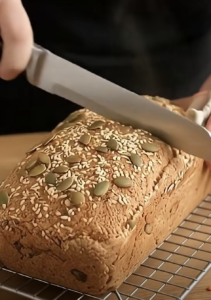
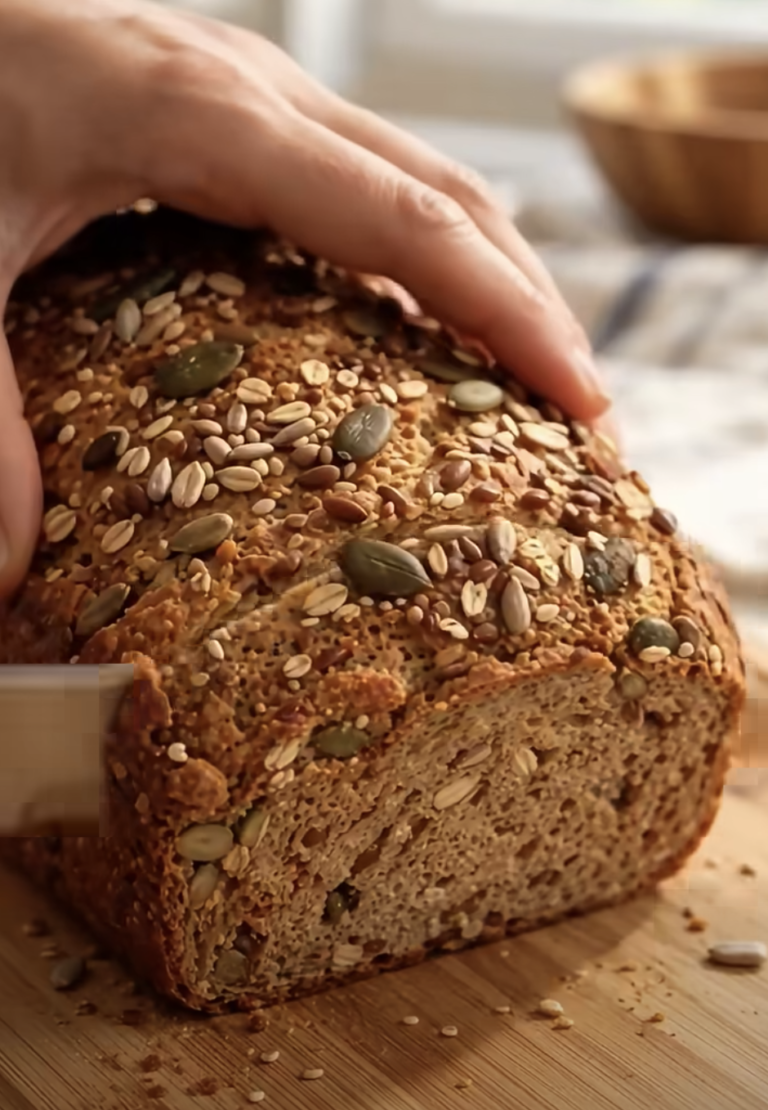
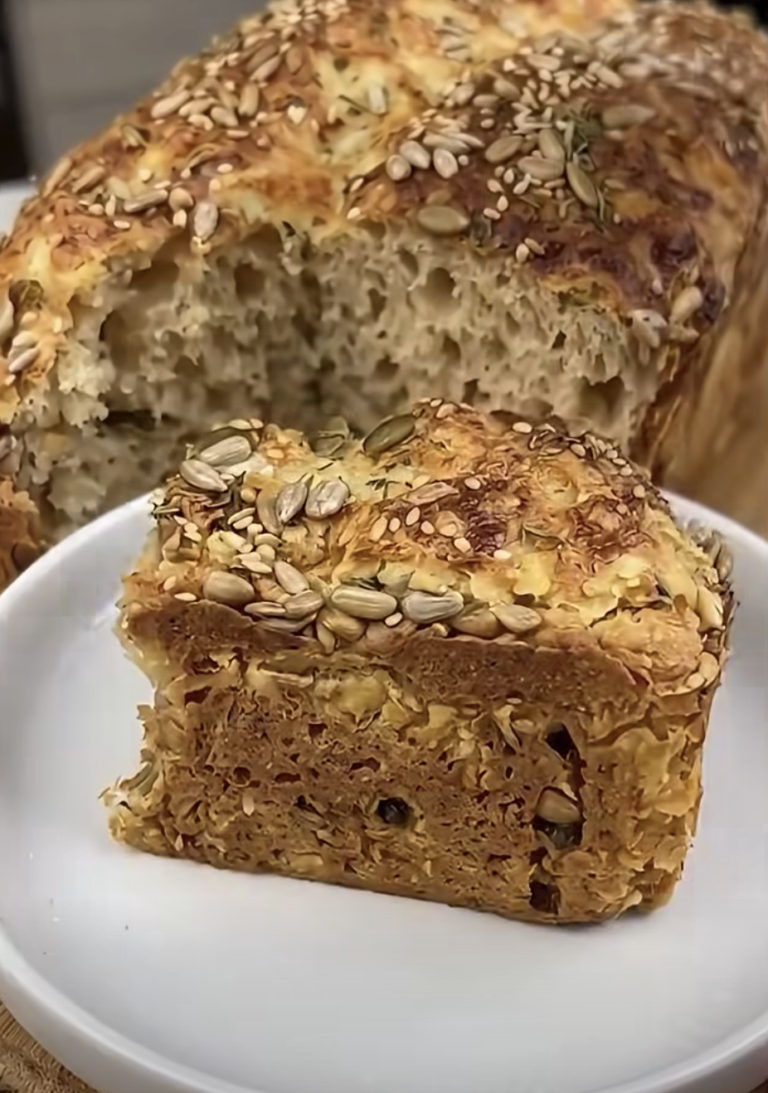
You can also sprinkle sesame seeds, sunflower seeds, or pumpkin seeds over the batter before baking.
These additions create a pleasant crunch and make the loaf look attractive.
For a slightly richer taste, brush the finished slices with a little olive oil before toasting.
Another option involves adding black pepper or smoked paprika to the batter.
However, start with small amounts. Strong seasonings can overpower the naturally mild lentil flavor.
If you prefer a simple loaf, keep the original recipe unchanged and experiment with toppings instead.
For example, mashed avocado, hummus, roasted vegetables, and dairy-free cream cheese all work well.
You can also use the bread as a base for open-faced sandwiches.
Because this bread has a substantial crumb, thin slices often provide the best balance of texture and flavor.
Serving Ideas, Storage, and Meal Prep Tips
Delicious Ways to Enjoy Blender Lentil Bread
Simple Blender Lentil Bread works well for breakfast, lunch, snacks, and light dinners.
One of the easiest ways to serve it involves toasting a slice until the edges become lightly crisp.
Then spread mashed avocado over the top and finish with salt, black pepper, and a squeeze of lemon.
For a protein-rich plant-based breakfast, pair a slice with tofu scramble or hummus.
You can also top toasted lentil bread with sliced tomatoes, cucumber, and fresh herbs.
For lunch, prepare a sandwich with roasted vegetables, leafy greens, and your favorite spread.
The hearty texture pairs particularly well with savory fillings.
Another option involves serving the bread alongside soup.
Tomato soup, vegetable soup, and creamy carrot soup all complement its earthy flavor.
You can also cut the loaf into small squares and toast them for a simple snack.
For an open-faced sandwich, try hummus, roasted red peppers, and parsley.
Alternatively, spread a little almond butter over a toasted slice if you enjoy the combination of nutty and savory flavors.
Because Simple Blender Lentil Bread contains no added sugar, its neutral flavor makes it easy to pair with a variety of toppings.
How to Store, Freeze, and Reheat Lentil Bread
Proper storage helps maintain the quality of homemade lentil bread.
First, let the loaf cool completely.
Then place it in an airtight container or wrap it securely.
Store it in the refrigerator for approximately 3–4 days.
Because this bread contains moisture-rich lentils and no preservatives, avoid leaving it at room temperature for extended periods.
For longer storage, freeze individual slices.
Start by cutting the cooled loaf into portions.
Next, place parchment paper between the slices to prevent sticking.
Transfer them to a freezer-safe container or resealable freezer bag.
For the best quality, use frozen lentil bread within approximately three months.
When you’re ready to eat, thaw a slice in the refrigerator or toast it directly from frozen.
You can also reheat slices in a skillet over medium-low heat.
Toasting helps create a slightly crisp exterior while keeping the inside pleasantly tender.
For weekly meal preparation, refrigerate the slices you plan to eat within a few days and freeze the rest.
This approach keeps Simple Blender Lentil Bread convenient for busy mornings and quick lunches.
Ingredients
Yield: 1 small loaf, approximately 10 slices.
- 1½ cups dry red lentils (approximately 285 g)
- 1 cup fresh water (240 ml), for blending
- 2 tablespoons olive oil (30 ml)
- 1 tablespoon apple cider vinegar (15 ml)
- 1 teaspoon baking soda
- ½ teaspoon salt
For soaking: Additional hot or room-temperature water, enough to cover the lentils generously. Discard this water after soaking.
Optional additions:
- ½ teaspoon garlic powder
- ½ teaspoon dried oregano, thyme, or rosemary
- 1 tablespoon sesame seeds or sunflower seeds for topping
Instructions
1. Rinse the lentils. Place 1½ cups dry red lentils in a fine-mesh strainer and rinse thoroughly under cool running water.
2. Soak the lentils. Transfer them to a large bowl and cover with plenty of hot, nonboiling water for 15–20 minutes, or room-temperature water for approximately two hours. Extend soaking if the lentils remain hard.
3. Drain thoroughly. Discard the soaking water, rinse the lentils again, and let excess water drain away.
4. Preheat the oven. Set your oven to 350°F (175°C). Line an 8 x 4-inch loaf pan with parchment paper.
5. Blend the batter. Add the soaked lentils, one cup fresh water, olive oil, apple cider vinegar, and salt to a high-speed blender. Blend until completely smooth and creamy.
6. Add the baking soda. Add one teaspoon of baking soda and pulse briefly until incorporated. Stir in optional herbs or seasonings if desired.
7. Fill the loaf pan. Immediately pour the batter into the prepared pan and smooth the top with a spatula.
8. Bake the bread. Bake for 40–45 minutes, or until the top becomes lightly golden, the center feels firm, and a toothpick comes out clean. Continue baking in five-minute intervals if necessary.
9. Cool completely. Allow the bread to rest in the pan for 10 minutes. Then transfer it to a wire rack and cool completely before slicing.
10. Slice and serve. Cut into approximately 10 slices. Enjoy plain, toasted, or topped with avocado, hummus, or your favorite spreads.
Recipe at a glance
Prep time
10 minutes
Soaking time
20 minutes–2 hours
Bake time
40–45 minutes
Yield
1 loaf / 10 slices
Estimated nutrition per slice (without optional additions):
| Nutrient | Amount |
|---|---|
| Calories | 115 kcal |
| Protein | 7 g |
| Carbohydrates | 18 g |
| Fat | 3.5 g |
| Fiber | 3 g |
| Sugar | 1 g |
Nutrition values are approximate and depend on ingredient brands, exact lentil weight, and slice size.
Frequently Asked Questions
1. Is Simple Blender Lentil Bread gluten-free?
Yes. Red lentils, water, olive oil, apple cider vinegar, baking soda, and salt don’t naturally contain gluten. However, if you have celiac disease or require strict gluten avoidance, choose ingredients that meet gluten-free standards and prevent cross-contact during preparation.
2. Can I make lentil bread without yeast or eggs?
Absolutely. This recipe contains no yeast or eggs. Instead, red lentils provide structure, while baking soda and apple cider vinegar help create some lift during baking. The result has a denser texture than traditional yeast bread but works well for toast and sandwiches.
3. Can I skip soaking the red lentils?
Soaking helps soften the lentils and makes blending easier. If you skip it, the batter may remain gritty, especially in a less powerful blender. For the best texture, soak the lentils until they soften noticeably before blending.
4. Why is my blender lentil bread gummy in the middle?
Excess moisture, insufficient baking, or slicing while hot can cause a gummy texture. Drain the lentils thoroughly, measure the fresh water carefully, and bake until the center feels firm. Additionally, allow the loaf to cool completely before cutting.
5. Can I freeze Simple Blender Lentil Bread?
Yes. Cool the loaf completely, slice it, and place parchment paper between the pieces. Store the slices in an airtight freezer-safe container for up to three months for best quality. Toast individual slices directly from frozen or thaw them in the refrigerator before reheating.
Conclusion
Simple Blender Lentil Bread proves that homemade bread doesn’t need flour, yeast, eggs, or complicated preparation.
With red lentils and a few everyday pantry ingredients, you can create a hearty, naturally vegan loaf that offers plant-based protein and fiber.
The preparation couldn’t be much simpler: soak the lentils, blend the batter, pour it into a pan, and bake.
Plus, the finished bread works beautifully with savory toppings, sandwiches, and soups.
Whether you want a gluten-free bread alternative, a convenient meal-prep option, or a new way to enjoy red lentils, this recipe provides a practical solution.
Make a loaf, allow it to cool completely, and keep individual slices ready for quick breakfasts and lunches throughout the week.