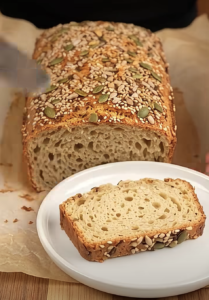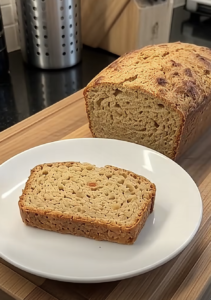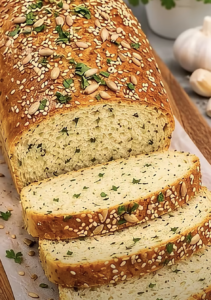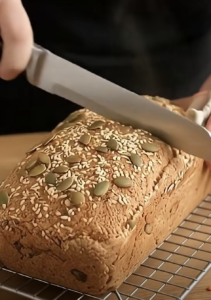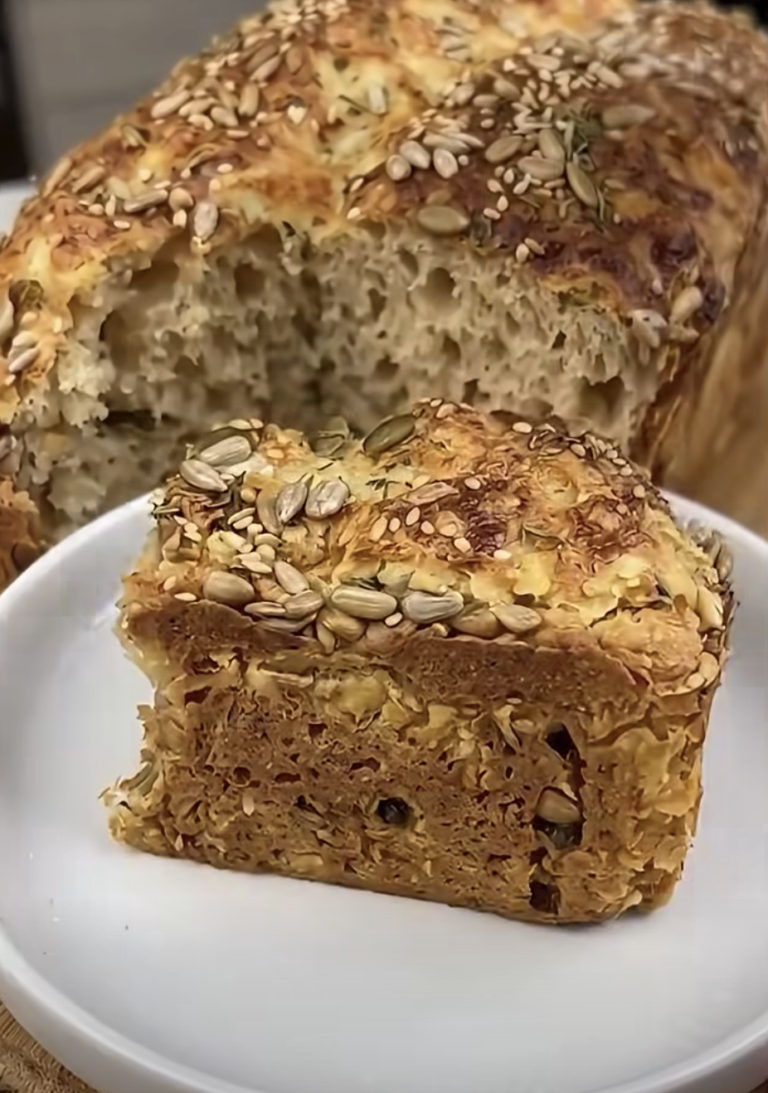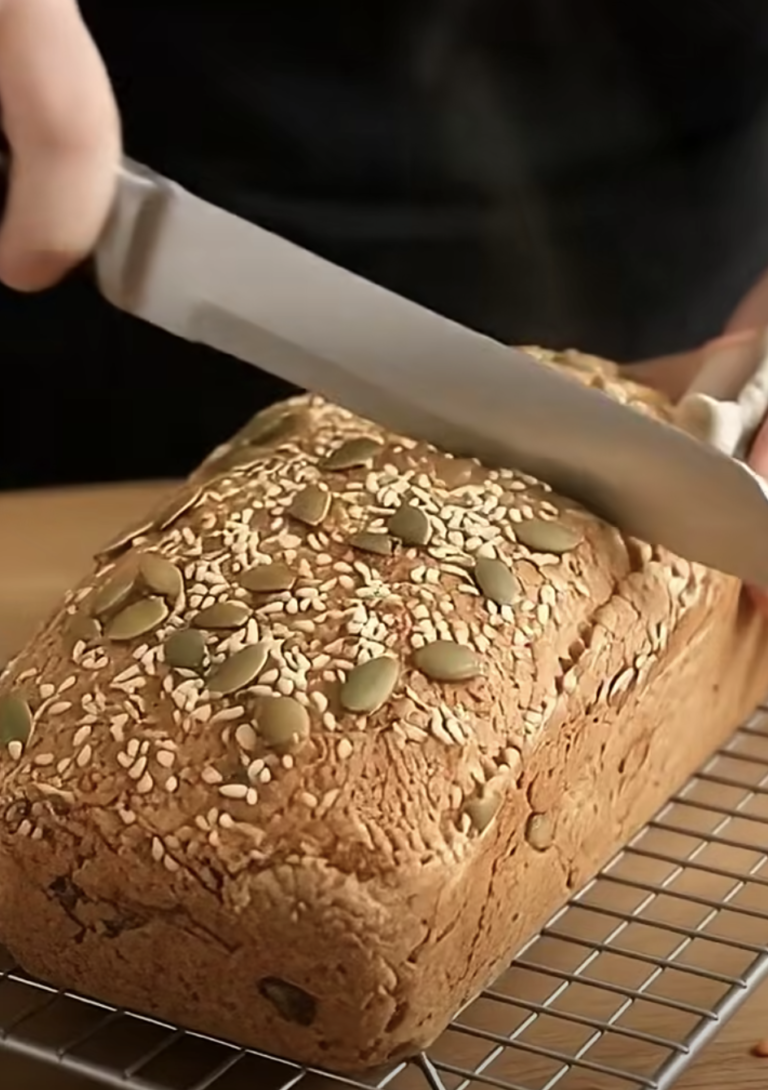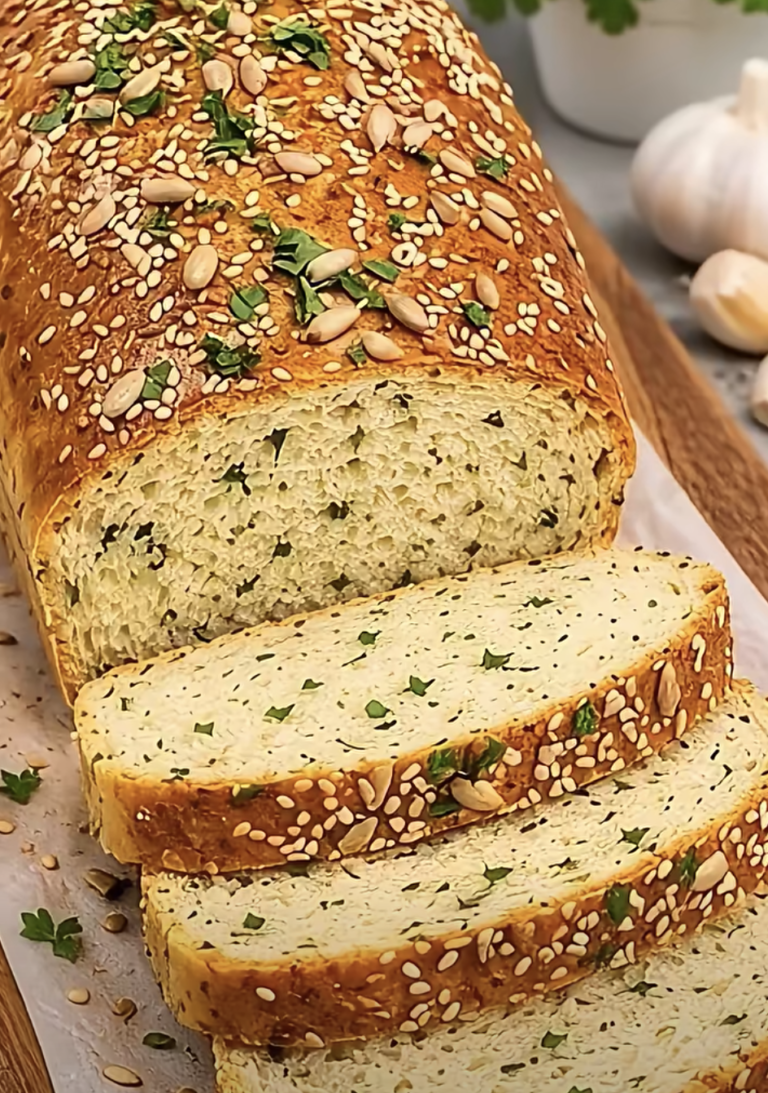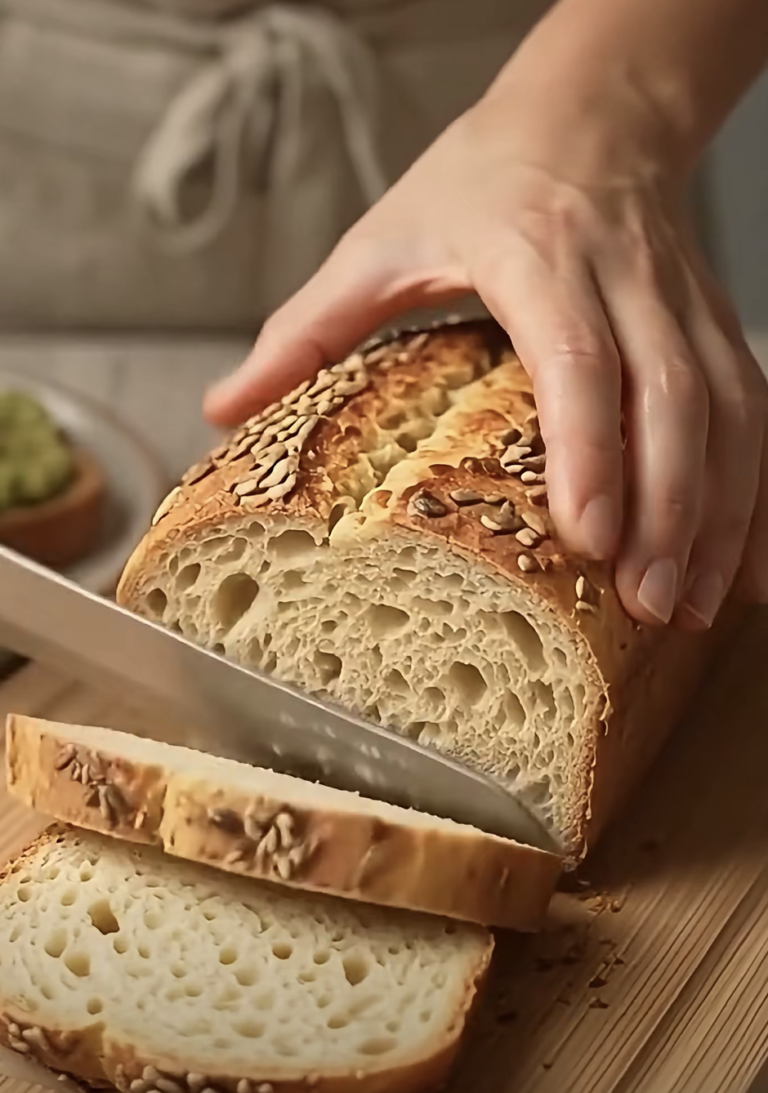
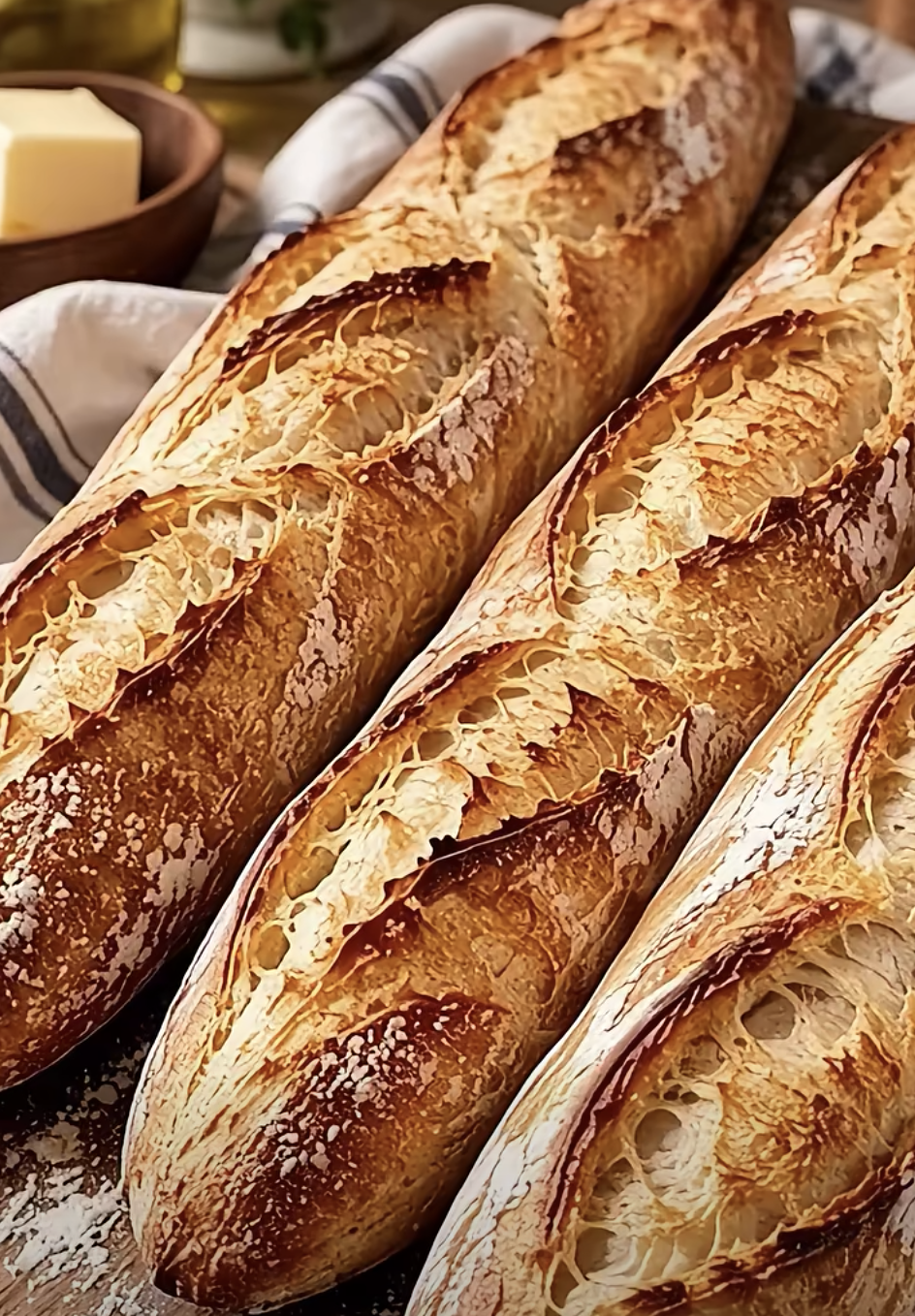
Crispy Golden Homemade Baguettes bring the wonderful aroma and flavor of freshly baked French bread into your kitchen. With a beautifully golden, crackly crust and a soft, lightly chewy center, these homemade baguettes taste delicious with butter, cheese, soup, or your favorite sandwich fillings.
You don’t need a professional bakery or expensive equipment to make them. In fact, this recipe uses just five basic ingredients: bread flour, water, instant yeast, salt, and a little extra water if the dough needs it.
Crispy Golden Homemade Baguettes – Easy Bakery-Style French Bread Recipe
Ingredients
Equipment
Method
- In a large bowl, combine bread flour and instant yeast. Add 1 cup plus 2 tablespoons lukewarm water and stir until a shaggy dough forms. Cover and rest for 15 minutes.
- Sprinkle fine salt over the dough and work it in with a spoon or damp fingers. Add a little optional water only if the dough feels unusually dry. Knead for 3–5 minutes until soft, cohesive, and slightly tacky.
- Cover the dough and begin the first rise. After 30 minutes, stretch and fold each of the four sides gently toward the center.
- After another 30 minutes, repeat the four-sided stretch-and-fold process. Cover and continue rising until the dough becomes puffy and approximately doubles in size, about 1 1/2–2 hours total for the first rise.
- Transfer the dough to a lightly floured surface and divide it into two equal portions. Shape each into a short log, cover loosely, and rest for 15–20 minutes.
- Pat each portion into a rectangle. Fold the long edges toward the center, fold lengthwise again, and seal the seam. Roll gently into baguettes approximately 13–15 inches long, or short enough to fit the baking sheet.
- Place the shaped baguettes seam-side down on a baking sheet lined with parchment paper rated for 450°F (230°C). Leave space between them, cover loosely, and proof for 35–60 minutes until visibly puffy.
- Preheat the oven to 450°F (230°C). Remove the covering and score each baguette with three or four overlapping diagonal cuts approximately 1/4 inch deep.
- Bake for 22–30 minutes until the crust becomes deep golden and the internal temperature reaches approximately 205–210°F (96–99°C). For optional steam, carefully add 1/2 cup hot water to a preheated sturdy metal pan using an oven-approved setup after loading the bread. Keep hands and face clear of steam and allow the remaining baking time to be dry after approximately 10 minutes. Never pour water onto the oven floor or into glass or ceramic cookware.
- Transfer the baguettes to a wire cooling rack. Cool uncovered for at least 30–45 minutes before slicing and serving.
Notes
The secret to great homemade baguettes lies in gentle dough handling, proper rising, careful shaping, and baking at a high temperature. A few simple folding techniques help develop the dough’s structure, while a hot oven creates the crisp exterior that makes baguettes so enjoyable.
Best of all, Crispy Golden Homemade Baguettes require approximately 25–30 minutes of active preparation. Although the dough needs time to rise and rest, most of that time requires very little attention.
I first became interested in making baguettes at home after bringing home a warm loaf from a neighborhood bakery. The crust made a satisfying crackling sound when I broke off a piece, and the inside had that wonderful combination of softness and chewiness. I wanted to recreate that experience without needing special baking equipment. My first attempts taught me that the dough didn’t need constant kneading or complicated techniques. Gentle folds, patient rising, and a properly heated oven made the biggest difference. Now, baking a couple of baguettes feels like a relaxing weekend project, especially when I can serve them warm with butter or alongside a homemade soup.
Whether you’re new to bread baking or want to improve your homemade French bread, this recipe offers a straightforward way to create beautiful, flavorful baguettes.
Why You’ll Love These Crispy Golden Homemade Baguettes
A Beautiful Crackly Crust With a Soft, Chewy Interior
The most appealing feature of Crispy Golden Homemade Baguettes is the contrast between their crisp exterior and tender interior.
A well-made baguette develops a thin, firm crust that crackles when you cut or tear it.
Meanwhile, the center stays soft, slightly chewy, and full of fresh bread flavor.
This contrast makes baguettes different from ordinary sandwich bread.
Several factors help create that texture.
First, bread flour contains enough protein to support gluten development.
As you mix, knead, and fold the dough, gluten strands form a structure that helps trap the gas the yeast produces.
Next, the dough needs enough moisture.
A soft, slightly tacky dough generally produces a better baguette than an overly stiff mixture.
Therefore, avoid adding too much flour during kneading and shaping.
The rising process also plays an important role.
As the yeast works, the dough expands and develops flavor.
Gentle folding strengthens the dough without requiring long periods of kneading.
Finally, baking at 450°F (230°C) helps create a golden crust.
Optional steam during the early baking stage can help the surface remain flexible while the loaves expand.
However, you can still make delicious baguettes without added steam.
With the right preparation, you’ll enjoy homemade bread with a satisfying crust and flavorful interior.
Simple Ingredients and Beginner-Friendly Techniques
Crispy Golden Homemade Baguettes prove that excellent homemade bread doesn’t require a long ingredient list.
You only need bread flour, lukewarm water, instant yeast, and salt.
The recipe also allows a small amount of extra water if the dough feels unusually dry.
These ingredients work together to create a classic lean bread dough.
Unlike enriched breads, baguettes don’t need butter, eggs, milk, or sugar.
Instead, their flavor develops through fermentation and baking.
The preparation also uses approachable techniques.
You begin by mixing the flour, yeast, and water into a shaggy dough.
After a short rest, you add the salt and knead briefly.
Next, the dough rises while you perform two sets of gentle folds.
These folds help strengthen the dough and improve its structure.
After the first rise, you divide the dough into two portions.
A short resting period makes shaping easier.
Then, you form the dough into long loaves, allow them to rise again, score the tops, and bake.
Although the process includes several stages, each one is manageable for beginners.
Additionally, the recipe makes two baguettes.
You can serve one immediately and save the other for sandwiches, garlic bread, or another meal.
This makes homemade baguette baking both enjoyable and practical.
Essential Ingredients and Equipment for Homemade Baguettes
Choosing the Right Flour, Yeast, Water, and Salt
The quality and balance of the ingredients make a noticeable difference in Crispy Golden Homemade Baguettes.
Start with three cups of bread flour.
Bread flour generally contains more protein than all-purpose flour, which helps develop the gluten structure that gives baguettes their characteristic chew.
For the most consistent results, measure flour carefully.
Spoon it into your measuring cup and level the top rather than scooping directly from the bag.
If you have a kitchen scale, weighing the flour can improve consistency.
Next, add one cup plus two tablespoons of lukewarm water.
The water should feel comfortably warm, not hot.
A temperature around 95–105°F (35–40°C) works well for this dough.
Excessively hot water can damage the yeast.
The recipe uses 1½ teaspoons of instant yeast.
Instant yeast mixes directly with flour, so you don’t need to dissolve it separately.
As the dough rests and rises, the yeast produces gas that helps the bread expand.
Salt contributes flavor and strengthens the dough.
Use 1¼ teaspoons of fine salt.
Although this amount may seem small, it plays an important role in the finished bread.
Finally, the recipe allows one to two tablespoons of additional water if necessary.
However, only add this water if the dough feels unusually stiff or dry.
The ideal dough should feel soft and slightly tacky rather than crumbly or excessively sticky.
Basic Baking Tools That Make Shaping Easier
You don’t need professional bakery equipment to prepare Crispy Golden Homemade Baguettes.
A large mixing bowl provides enough room for mixing and rising the dough.
You’ll also need a sturdy spoon or dough whisk.
A flexible dough scraper helps you handle the sticky dough without adding too much flour.
For dividing and shaping, use a lightly floured work surface.
A bench scraper or sharp knife makes it easier to divide the dough into two equal portions.
Next, prepare a large baking sheet.
Choose one that can comfortably hold two baguettes approximately 13–15 inches long.
If your baking sheet is smaller, shape the loaves slightly shorter.
Line the sheet with oven-safe parchment paper rated for the baking temperature, or use another manufacturer-approved baking surface.
For scoring, use a bread lame or a very sharp, thin blade.
Sharp cuts allow the dough to expand more predictably during baking.
A wire cooling rack is also important.
It allows air to circulate around the baked loaves, helping the crust remain crisp.
An instant-read thermometer can help confirm doneness.
The center of the baguettes should reach approximately 205–210°F (96–99°C).
Finally, you may use an oven-approved steam setup if your equipment supports it.
However, steam remains optional.
You can make beautiful homemade baguettes without adding water to the oven.
How to Make Crispy Golden Homemade Baguettes Perfectly
Mixing, Kneading, and Developing the Dough
Making Crispy Golden Homemade Baguettes begins with a simple dough.
First, combine three cups of bread flour and 1½ teaspoons of instant yeast in a large mixing bowl.
Next, add one cup plus two tablespoons of lukewarm water.
Stir until the ingredients form a rough, shaggy mixture.
Cover the bowl and let the dough rest for approximately 15 minutes.
This short rest allows the flour to absorb water and makes the dough easier to handle.
Next, sprinkle 1¼ teaspoons of fine salt over the dough.
Use a spoon or lightly damp fingers to work the salt into the mixture.
Gently squeeze and fold the dough until the salt distributes evenly.
If the mixture feels unusually stiff, add a little of the optional water.
However, avoid adding more than necessary.
Next, knead the dough for approximately 3–5 minutes.
You can knead directly in the bowl or transfer it to a lightly floured work surface.
The dough should become more cohesive while remaining soft and slightly tacky.
Place it in a large bowl and cover.
Allow it to rise in a comfortably warm location.
After approximately 30 minutes, perform the first set of folds.
Lift one side of the dough, stretch it gently, and fold it toward the center.
Repeat with the remaining three sides.
Cover the bowl again.
After another 30 minutes, repeat the folding process.
Then, allow the dough to continue rising until puffy and approximately doubled in size.
The first rise usually takes around 1½–2 hours total.
Shaping, Proofing, Scoring, and Baking
Once the dough finishes its first rise, transfer it to a lightly floured work surface.
Divide it into two equal portions.
Gently shape each portion into a short log.
Cover loosely and let the dough rest for approximately 15–20 minutes.
This resting period relaxes the gluten and makes shaping easier.
Next, gently pat one dough portion into a rectangle.
Fold the upper long edge toward the center and seal lightly.
Repeat with the lower edge.
Then, fold the dough lengthwise again and seal the seam.
Roll gently from the center toward the ends until the loaf reaches approximately 13–15 inches.
Repeat with the second portion.
Place both baguettes seam-side down on a prepared baking sheet.
Leave several inches between them.
Cover loosely and allow them to proof for approximately 35–60 minutes.
The dough should become visibly puffy.
A gentle fingertip indentation should slowly and partially spring back.
Meanwhile, preheat the oven to 450°F (230°C).
Once the loaves finish proofing, use a sharp blade to make three or four overlapping diagonal cuts along each baguette.
Cut approximately ¼ inch deep.
Bake for 22–30 minutes, until the crust becomes deeply golden and firm.
If your oven supports a safe steam setup, you may introduce steam during the first 10 minutes.
Otherwise, bake without added steam.
Finally, transfer the baguettes to a wire rack.
Allow them to cool for at least 30–45 minutes before slicing.
Serving Ideas, Troubleshooting, and Storage Tips
Delicious Ways to Enjoy Fresh Homemade Baguettes
Crispy Golden Homemade Baguettes taste wonderful with simple toppings.
One of the easiest ways to enjoy them is with softened butter.
The buttery richness complements the crisp crust and chewy interior.
You can also serve slices with olive oil and a little sea salt.
For breakfast, spread toasted baguette slices with jam, honey, or cream cheese.
For lunch, use the bread to make sandwiches.
Fill a baguette with turkey, ham, cheese, lettuce, and tomato.
You can also prepare a vegetarian sandwich with mozzarella, tomatoes, basil, and pesto.
Because baguettes have a firm crust, they hold up well to flavorful fillings.
Another excellent option is garlic bread.
Slice a baguette lengthwise, spread it with garlic butter, and toast until golden.
You can also cut the bread into small rounds for bruschetta.
Top the slices with chopped tomatoes, fresh basil, olive oil, and garlic.
For dinner, serve baguettes alongside soup or pasta.
Their crusty exterior makes them especially enjoyable with creamy tomato soup, vegetable soup, or hearty stews.
If you have leftover bread, turn it into homemade croutons.
Cut the baguette into cubes, toss with olive oil and seasonings, and bake until crisp.
These serving ideas make homemade baguettes useful for many meals.
Common Baking Problems and How to Store Baguettes
Even simple bread recipes can present a few challenges.
If your Crispy Golden Homemade Baguettes turn out dense, the dough may need more rising time.
Check that your yeast is fresh and active.
Also, allow the dough to become visibly puffy before shaping and baking.
If the dough feels difficult to stretch, let it rest for another five minutes.
This helps relax the gluten.
If the loaves spread sideways instead of holding their shape, the dough may be too wet, underdeveloped, or overproofed.
Measure the water carefully and complete both sets of folds.
During shaping, create gentle surface tension without tearing the dough.
If the crust feels too soft, the oven may not have reached the correct temperature.
Preheat thoroughly before baking.
Also, cool the baguettes uncovered on a wire rack.
Avoid wrapping them while warm because trapped moisture softens the crust.
For storage, keep fully cooled baguettes in a bread bag or loosely wrapped at room temperature.
They taste best on the day you bake them.
For longer storage, freeze the loaves or individual portions.
Wrap tightly and store in freezer-safe bags.
For the best quality, enjoy frozen baguettes within approximately two months.
To refresh the crust, warm the bread in a 350°F (175°C) oven for several minutes.
This helps restore some of its original crispness.
Ingredients
Active Prep Time: 25–30 minutes | Rising and Resting: Approximately 2¼–3¼ hours | Bake Time: 22–30 minutes | Cooling: 30–45 minutes | Total Time: Approximately 3½–4¾ hours | Yield: 2 baguettes, 12 slices or 6 sandwich portions
- 3 cups bread flour, spooned and leveled, plus extra for shaping
- 1 cup plus 2 tablespoons lukewarm water
- 1½ teaspoons instant yeast
- 1¼ teaspoons fine salt
- 1–2 tablespoons additional water, only if needed
Optional for oven steam:
– ½ cup hot water, only if using an oven-approved steam setup
Instructions
1. Mix the dough. In a large bowl, combine bread flour and instant yeast. Add 1 cup plus 2 tablespoons lukewarm water. Stir until a shaggy dough forms. Cover and rest for 15 minutes.
2. Add salt and knead. Sprinkle salt over the dough and work it in with a spoon or damp fingers. Add a little optional water only if the dough feels unusually dry. Knead for 3–5 minutes until soft, cohesive, and slightly tacky.
3. Begin the first rise. Place the dough in a large bowl and cover. After 30 minutes, gently stretch and fold each of the four sides toward the center.
4. Repeat the folds. After another 30 minutes, repeat the four-sided folding process. Cover and continue rising until the dough becomes puffy and approximately doubles in size, about 1½–2 hours total for the first rise.
5. Divide and rest. Transfer the dough to a lightly floured surface. Divide into two equal portions. Shape each into a short log, cover loosely, and rest for 15–20 minutes.
6. Shape the baguettes. Pat each portion into a rectangle. Fold the long edges toward the center, then fold lengthwise again and seal the seam. Roll gently into 13–15-inch loaves, tapering the ends slightly if desired.
7. Proof the loaves. Place both baguettes seam-side down on a parchment-lined baking sheet rated for 450°F (230°C). Leave space between them. Cover loosely and proof for 35–60 minutes until visibly puffy.
8. Preheat and score. Preheat the oven to 450°F (230°C). Remove the covering and use a sharp bread lame or thin blade to make three or four overlapping diagonal cuts, approximately ¼ inch deep, along each loaf.
9. Bake until golden. Bake for 22–30 minutes until the baguettes develop a deep golden crust and reach approximately 205–210°F (96–99°C) internally. If using an approved steam setup, carefully add ½ cup hot water to a preheated sturdy metal pan after loading the bread. Keep clear of the steam and allow the final portion of baking to remain dry. Never pour water onto the oven floor or into glass or ceramic cookware.
10. Cool and serve. Transfer the baked baguettes to a wire rack. Cool uncovered for at least 30–45 minutes before slicing. Serve with butter, cheese, soup, or sandwich fillings.
Helpful tip: Avoid adding excessive flour while shaping. The dough should remain soft and slightly tacky. Proper rising, gentle shaping, and thorough oven preheating help create a crisp crust and chewy center.
Frequently Asked Questions
1. Can I use all-purpose flour instead of bread flour?
Yes. You can substitute all-purpose flour if you don’t have bread flour.
However, bread flour generally produces a slightly chewier texture because of its higher protein content.
All-purpose flour may create a softer loaf.
Start with the same amount, but adjust the water only if the dough feels unusually dry or wet.
2. Why are my homemade baguettes not crispy?
A soft crust can result from insufficient oven heat, underbaking, or improper cooling.
Preheat the oven thoroughly to 450°F (230°C).
Bake until the baguettes become deeply golden.
Then, cool them uncovered on a wire rack.
Optional steam during the early baking stage may also help develop a thin, crisp crust.
3. Can I make Crispy Golden Homemade Baguettes without a bread machine?
Absolutely. This recipe requires no bread machine.
You can mix and knead the dough by hand using a bowl and a lightly floured work surface.
The folding technique helps strengthen the dough without requiring lengthy kneading.
A standard oven and baking sheet are enough to bake the loaves.
4. How do I know when baguette dough has risen enough?
During the first rise, the dough should become puffy and approximately double in size.
During final proofing, the shaped baguettes should look visibly fuller.
Gently press the dough with a fingertip.
If the indentation slowly and partially springs back, the loaves are generally ready to bake.
If the dough springs back immediately, allow more proofing time.
5. Can I freeze homemade baguettes?
Yes. Homemade baguettes freeze well.
Allow the loaves to cool completely before wrapping them tightly.
Place them in freezer-safe bags or containers.
For the best quality, use them within approximately two months.
When ready to serve, thaw and warm the bread briefly in the oven to refresh the crust.
Conclusion
Crispy Golden Homemade Baguettes offer a delicious way to enjoy bakery-style French bread without leaving your kitchen.
With just a few basic ingredients and simple techniques, you can create two beautiful loaves with a golden, crackly crust and a soft, lightly chewy center.
The process includes mixing, gentle kneading, folding, rising, shaping, scoring, and baking.
Although the dough requires several hours of resting and rising, most of that time involves very little hands-on work.
For the best results, use bread flour, avoid adding excessive flour during shaping, allow the dough to rise properly, and preheat the oven thoroughly.
Once baked, let the baguettes cool before slicing to preserve their texture.
Serve them with butter, cheese, soup, pasta, or your favorite sandwich fillings.
Whether you’re baking for a family dinner or simply enjoying the aroma of fresh bread, Crispy Golden Homemade Baguettes make a rewarding addition to your homemade baking collection.