Healthy Living Habits Every Teen Should Build for a Stronger, Healthier Future begin with ordinary choices repeated day after day. The teenage years bring rapid physical growth, changing emotions, greater independence, heavier school demands, and new social pressures. Because so much changes during adolescence, daily routines can strongly influence energy, concentration, sleep, physical fitness, and emotional well-being.
Healthy living does not require following a perfect diet or spending hours at the gym. Instead, teenagers benefit from consistent basics: nutritious meals, enough water, regular movement, adequate sleep, sensible digital habits, supportive relationships, and avoiding substances that can harm a developing body.
The CDC recommends that young people ages 6 through 17 get at least 60 minutes of moderate-to-vigorous physical activity each day. Meanwhile, the American Academy of Pediatrics says teenagers ages 14 through 17 should generally aim for 8 to 10 hours of sleep nightly.
I remember how easy it was during my teenage years to treat basic routines as optional. A busy school week could turn breakfast into an afterthought, bedtime into midnight scrolling, and exercise into something reserved for weekends. Yet the weeks when I ate regular meals, spent time outside, and went to bed at a reasonable hour always felt different. Concentration came easier, mornings felt less rushed, and ordinary stress seemed more manageable. No single habit created that difference. Rather, several small routines worked together. That is one of the most useful lessons about teen health: consistency usually matters more than perfection.
Build Strong Nutrition and Hydration Habits
Eat a Varied Diet Instead of Chasing Perfect Foods
Teenagers need energy and nutrients to support growth, school, sports, and daily activities. Therefore, regular meals should include a variety of foods rather than focusing on one so-called superfood.
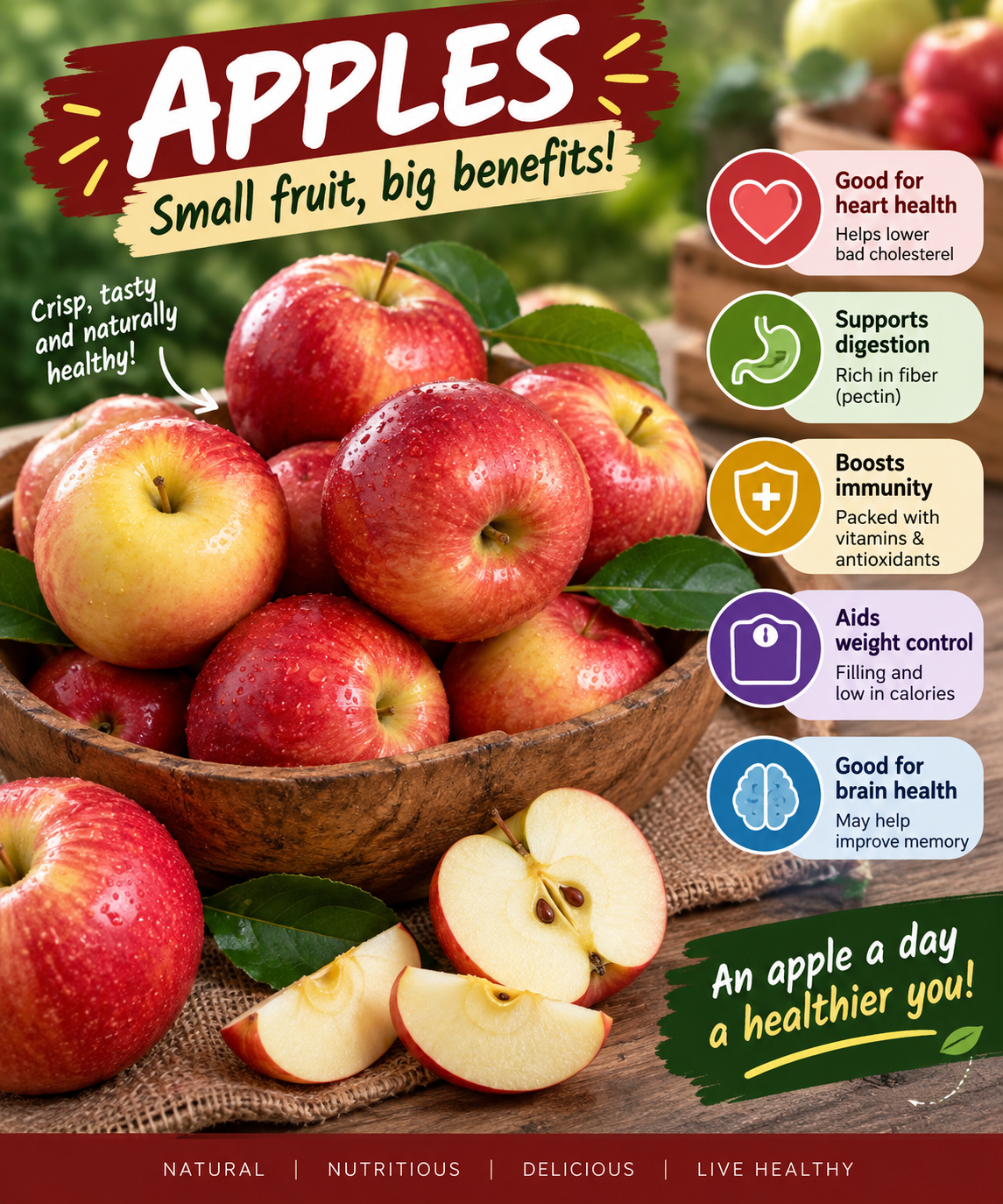
Fruits such as apples can contribute fiber, water, vitamins, and plant compounds to a balanced diet. However, apples alone cannot create a healthy diet. The same principle applies to every individual food.
A stronger eating pattern includes fruits, vegetables, whole grains, protein-rich foods, and sources of calcium and healthy fats.
Breakfast can be simple. For example, oatmeal with fruit and nuts provides carbohydrates, fiber, and healthy fats. Eggs with whole-grain toast and fruit create another balanced option. Yogurt with berries and oats can work when mornings feel rushed.
Lunch and dinner follow the same basic idea.
Start with a source of protein such as beans, lentils, eggs, fish, chicken, tofu, yogurt, or another suitable food. Then add vegetables or fruit and a carbohydrate source such as rice, potatoes, corn, whole-grain bread, or another grain.
Teenagers do not need to categorize every food as “good” or “bad.”
That kind of thinking can make eating unnecessarily stressful.
Instead, focus on frequency and balance. French fries, sweets, fast food, and desserts can occasionally fit into a normal diet. However, foods that provide more fiber, protein, vitamins, and minerals should make up most regular meals.
Eating enough also matters.
Teenagers grow at different rates, participate in different activities, and have different energy needs. Therefore, copying restrictive diets from adults, influencers, or friends can create problems.
Healthy Living Habits Every Teen Should Build should support growth, not encourage unnecessary restriction.
Make Water the Everyday Drink
Hydration also plays an important role in everyday health.
The body needs water for temperature regulation, circulation, digestion, and many other normal functions.
However, hydration needs vary.
Weather, physical activity, body size, illness, and other factors can change how much fluid a teenager needs. Someone practicing sports outdoors in hot weather will usually need more fluid than someone spending a quiet day indoors.
Rather than obsessing over an exact number, teens can build simple hydration habits.
Drink water with meals. Carry a refillable bottle to school when permitted. Drink before, during, and after sports or exercise. Increase fluids during hot weather.
Urine that remains very dark may sometimes indicate that more fluid is needed, although certain foods, medications, and health conditions can also change urine color.
Sugary drinks deserve moderation.
Soda, sweetened teas, energy drinks, and other high-sugar beverages can add significant amounts of sugar without providing the same nutritional value as a balanced meal.
Energy drinks deserve particular caution for young people because many contain substantial caffeine and other stimulants.
Water usually makes the best routine beverage.
Milk or fortified alternatives can also contribute nutrients, depending on individual preferences and needs.
Fruit can help with hydration too. Apples, oranges, watermelon, berries, and many other fruits contain substantial amounts of water.
Still, eating water-rich foods does not remove the need to drink fluids.
Building the habit early makes hydration easier later.
Keep water visible. Drink regularly instead of waiting until extreme thirst develops. Then adjust intake around exercise and weather.
Simple routines like these form an important part of Healthy Living Habits Every Teen Should Build for a Stronger, Healthier Future.
Make Movement and Sleep Daily Priorities
Find Physical Activity You Actually Enjoy
Exercise should not feel like punishment.
For teenagers, enjoyable movement often works better than forcing a complicated fitness routine.
The CDC recommends at least 60 minutes of moderate-to-vigorous physical activity every day for children and adolescents ages 6 through 17. Most activity should involve aerobic movement, while vigorous activity plus muscle- and bone-strengthening activities should appear on at least three days each week.
That sounds structured, but the activity itself can take many forms.
Walking counts.
So do cycling, swimming, basketball, soccer, dancing, running, martial arts, skating, hiking, active games, and many other activities.
Muscle strengthening does not automatically mean lifting heavy weights. Push-ups, climbing, resistance exercises, and appropriately supervised strength training can all build strength.
Likewise, jumping, running, and many sports help challenge bones.
The key involves movement that matches a teenager’s abilities and interests.
Someone who dislikes competitive sports can still become very active.
Walking with friends, dancing at home, cycling, hiking, or practicing a skill can all increase daily movement.
Physical activity offers benefits beyond fitness.
The CDC notes that regular activity among young people supports cardiovascular fitness, stronger muscles and bones, healthier body composition, and brain health. It can also support cognition and reduce symptoms of depression.
Movement can also create a useful break from schoolwork and screens.
Instead of viewing exercise only as a tool for changing appearance, teenagers benefit more from thinking about what movement allows the body to do.
Stronger muscles make daily activities easier.
Better endurance helps with sports and recreation.
Regular movement can also become an enjoyable social activity.
That makes physical activity one of the most practical Healthy Living Habits Every Teen Should Build.
Protect Eight to Ten Hours for Sleep
Sleep often becomes the first healthy habit to disappear when school, social life, entertainment, and devices compete for time.
However, teenagers need substantial sleep.
The American Academy of Pediatrics recommends that teens ages 14 through 17 aim for about 8 to 10 hours per night.
Sleep supports learning, memory, emotional regulation, physical recovery, and overall development.
Unfortunately, simply going to bed does not guarantee good sleep.
Consistency matters too.
Going to sleep and waking at dramatically different times every day can make a steady routine harder to maintain.
Therefore, try to keep bedtime and waking time reasonably consistent.
Screens also deserve attention at night.
The American Academy of Pediatrics notes strong evidence that digital media can disrupt sleep duration, sleep onset, and sleep quality among children and teenagers. Its current guidance recommends protecting sleep by reducing screen exposure before bedtime and keeping devices from interfering with the sleep environment.
A useful routine might include putting the phone away before bed, showering, preparing clothes for the morning, reading, listening to something relaxing, or journaling.
The AAP specifically suggests avoiding screens during the hour before bedtime when possible.
Notifications can cause problems too.
A phone beside the pillow can interrupt sleep even when the user originally planned to leave it alone.
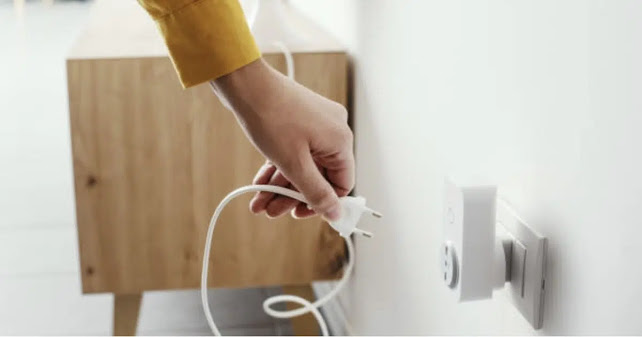
Charging it across the room or outside the bedroom can reduce that temptation.
Sleep should not become something teenagers “earn” after completing everything else.
It forms part of the foundation that makes everything else easier.
Better sleep can support attention in class, physical recovery, emotional balance, and safer decision-making.
Therefore, Healthy Living Habits Every Teen Should Build for a Stronger, Healthier Future should always include a realistic sleep routine.
Create Healthier Digital and Emotional Routines
Use Screens Without Letting Them Replace Real-Life Needs
Phones, computers, games, and social media are normal parts of modern teenage life.
The goal does not need to involve eliminating them.
Instead, healthy digital habits protect the activities that matter most.
The American Academy of Pediatrics has moved away from treating one universal screen-time number as the perfect rule for every teenager. Its current guidance emphasizes the quality and context of digital use and whether media displaces sleep, exercise, schoolwork, hobbies, or meaningful relationships.
That approach makes sense because not all screen time serves the same purpose.
Doing homework on a laptop differs from scrolling social media for hours.
Video chatting with a family member differs from repeatedly checking notifications because of pressure to stay available.
Instead of asking only, “How many hours did I spend online?” ask better questions.
Did screen use push bedtime later?
Did it stop you from exercising?
Did you ignore homework?
Did you skip time with family or friends?
Did a particular platform consistently leave you feeling anxious, angry, inadequate, or distracted?
Those questions reveal more than a timer alone.
Practical boundaries can help.
Keep meals device-light when possible.
Avoid scrolling while completing homework that requires concentration.
Turn off unnecessary notifications.
Create periods during the day when the phone stays out of reach.
Most importantly, protect bedtime.
Recent AAP guidance highlights that digital technologies can interfere with teen sleep, especially when screens remain part of the bedtime routine.
Healthy digital habits should also include privacy and safety.
Think carefully before sharing personal information.
Use strong passwords.
Be cautious about messages from strangers.
Talk with a trusted adult if someone threatens, harasses, pressures, or repeatedly contacts you online.
Technology should serve your life rather than quietly replacing the parts of life that support your health.
Take Mental Health as Seriously as Physical Health
Adolescence can bring academic pressure, family changes, friendship challenges, uncertainty about the future, and strong emotions.
Stress itself does not mean something has gone wrong.
However, teens need healthy ways to manage it.
Physical activity can help.
So can sleep, hobbies, music, art, time outdoors, supportive friendships, and conversations with trusted adults.
Relationships matter because carrying every problem alone makes difficult experiences harder.
A teenager does not need to have a diagnosed mental health condition to benefit from talking about stress.
Sometimes a conversation with a parent, caregiver, teacher, coach, counselor, sibling, or trusted friend can provide perspective.
Healthy relationships should also allow boundaries.
Friendship does not require constant availability.
You do not have to answer every message instantly.
You do not need to participate in behavior that makes you uncomfortable just to remain part of a group.
Social media can complicate this area.
The AAP notes that online platforms can offer connection, entertainment, and support, but they can also expose teens to cyberbullying, harmful content, social comparison, sleep disruption, unwanted contact, and digital stress.
Therefore, pay attention to emotional patterns around specific apps or accounts.
If certain content consistently makes you feel worse about your body, life, friendships, or self-worth, changing what you follow can help.
Persistent emotional distress deserves additional support.
If sadness, anxiety, hopelessness, overwhelming stress, or other emotional difficulties continue or interfere with everyday functioning, reaching out to a healthcare professional, school counselor, or another qualified source of support can be important.
Asking for help shows practical problem-solving.
Mental well-being belongs at the center of Healthy Living Habits Every Teen Should Build, not at the edge.
Build Choices That Support Long-Term Health
Avoid Nicotine, Vaping, Drugs, and Alcohol
One of the most powerful health choices teenagers can make involves avoiding harmful substances.
Smoking has well-established health risks.
Vaping should not be viewed as a harmless alternative simply because it does not look like traditional smoking.
Nicotine can create dependence, and adolescence is a particularly important period for brain development.
Alcohol and recreational drugs can also affect judgment, safety, school performance, relationships, and health.
Peer pressure can make avoidance harder.
Therefore, having a plan before a situation occurs can help.
A simple refusal works.
You do not owe anyone a long explanation.
Leaving an uncomfortable situation also counts as a reasonable choice.
Supportive friendships make healthy decisions easier. Friends who respect your boundaries do not need to pressure you into drinking, vaping, or using drugs.
The same principle applies to misuse of prescription medication.
A medicine prescribed to someone else may not be safe for you.
Likewise, taking more than the prescribed amount can cause serious harm.
Teenagers who already use nicotine, alcohol, or drugs should not assume they have gone too far to change.
Support exists.
A doctor, counselor, parent, guardian, or other trusted adult can help identify appropriate next steps without reducing a teenager to one behavior.
Healthy living involves direction, not perfection.
One poor decision does not define the future.
Changing a habit now can still matter enormously later.
That makes substance avoidance and early help-seeking important parts of Healthy Living Habits Every Teen Should Build for a Stronger, Healthier Future.
Build Relationships, Routines, and Skills That Can Last
Long-term health involves more than food and exercise.
Relationships, organization, communication, and everyday routines also shape well-being.
Teenagers gradually take more responsibility for their schedules.
Learning to plan meals, organize schoolwork, manage money, schedule downtime, and arrive on time creates useful skills for adulthood.
Relationships deserve equal attention.
Strong friendships provide connection and support.
Healthy family relationships can offer stability.
Teachers, coaches, mentors, and community members can also become valuable sources of encouragement.
Healthy relationships share several basic qualities.
They include respect.
They allow disagreement without humiliation.
They recognize boundaries.
They do not require fear or constant proof of loyalty.
Teenagers also benefit from spending time with people in person.
Digital connection can strengthen relationships, but it should not always replace face-to-face interaction.
Activities such as sports, volunteering, clubs, music, arts, religious or community activities, and shared hobbies can create opportunities for connection.
The AAP’s recent media guidance specifically encourages balancing digital use with activities such as sports, art, music, volunteering, reading, and outdoor movement.
Finally, routines make healthy decisions easier.
Pack a water bottle before school.
Keep fruit or another convenient snack available.
Set a regular bedtime reminder.
Choose specific days for exercise.
Put devices away during focused homework.
Small systems reduce the amount of willpower required.
That matters because motivation naturally changes from day to day.
A routine can continue even when motivation feels low.
Ultimately, Healthy Living Habits Every Teen Should Build do not need to look impressive.
They need to work often enough to become part of everyday life.
Frequently Asked Questions
How much exercise should teenagers get each day?
The CDC recommends that children and adolescents ages 6 through 17 get at least 60 minutes of moderate-to-vigorous physical activity daily. Most should involve aerobic activity, with vigorous, muscle-strengthening, and bone-strengthening activities included several days each week.
How many hours of sleep does a teenager need?
Teenagers ages 14 through 17 should generally aim for 8 to 10 hours of sleep each night, according to the American Academy of Pediatrics. Consistent bedtimes and reducing screen exposure before bed can help protect sleep.
Do teenagers need to completely avoid junk food?
No. A healthy eating pattern does not require perfect food choices at every meal. Foods high in added sugar, sodium, or saturated fat make more sense as occasional choices, while fruits, vegetables, whole grains, protein-rich foods, and other nutrient-dense options should form the foundation of regular meals.
How much screen time is healthy for a teenager?
There is no single screen-time limit that works perfectly for every teen. Current AAP guidance emphasizes whether digital media interferes with sleep, exercise, learning, hobbies, relationships, and other essential activities. Quality and context matter along with quantity.
What should a teenager do when stress starts feeling overwhelming?
Start by talking with someone trustworthy, such as a parent, caregiver, teacher, counselor, coach, or healthcare professional. Sleep, physical activity, hobbies, and supportive relationships can help with everyday stress. However, persistent sadness, anxiety, hopelessness, or distress that interferes with daily life deserves professional attention.
Conclusion
Healthy Living Habits Every Teen Should Build for a Stronger, Healthier Future are surprisingly simple.
Eat a varied diet instead of chasing miracle foods. Drink water regularly. Move your body every day in ways you enjoy. Protect enough time for sleep. Use technology without allowing it to replace exercise, schoolwork, relationships, or rest.
Mental health matters just as much.
Make time for supportive people. Learn healthy ways to handle stress. Set boundaries online and offline. Reach out when problems become difficult to manage alone.
At the same time, avoid nicotine, vaping, drugs, and other behaviors that can create lasting health problems. Build friendships with people who respect your choices rather than pressure you to ignore them.
Most importantly, do not expect perfection.
A teenager does not lose every benefit of healthy living because of one late bedtime, one fast-food meal, or one day without exercise.
Health develops through patterns.
A nutritious breakfast repeated most mornings matters. A regular walk matters. Going to bed earlier matters. Drinking water instead of another sugary drink matters. Talking to someone when stress becomes too heavy matters.
These choices may look small individually. However, they can become powerful when repeated for months and years.
The teenage years offer an ideal opportunity to learn what helps your body and mind function well. Habits developed now can make healthy choices feel more natural later in adulthood.
Start with one change that feels realistic. Then build another.
Over time, Healthy Living Habits Every Teen Should Build for a Stronger, Healthier Future can become something more valuable than a list of health rules. They can become everyday routines that support energy, confidence, resilience, relationships, and long-term well-being.
More Blog
- Drinking Water on an Empty Stomach — What Science Actually Supports (No Hype, Just Facts)
- Waking Up Between 3 and 5 AM? It Might Be Your Soul Trying to Talk to You
- What a “Bleach” Patch on Your Underwear Really Means — And Why It’s Actually a Good Sign
- This Drink May Weaken Your Bones From The Inside — But Everyone Drinks It Anyway