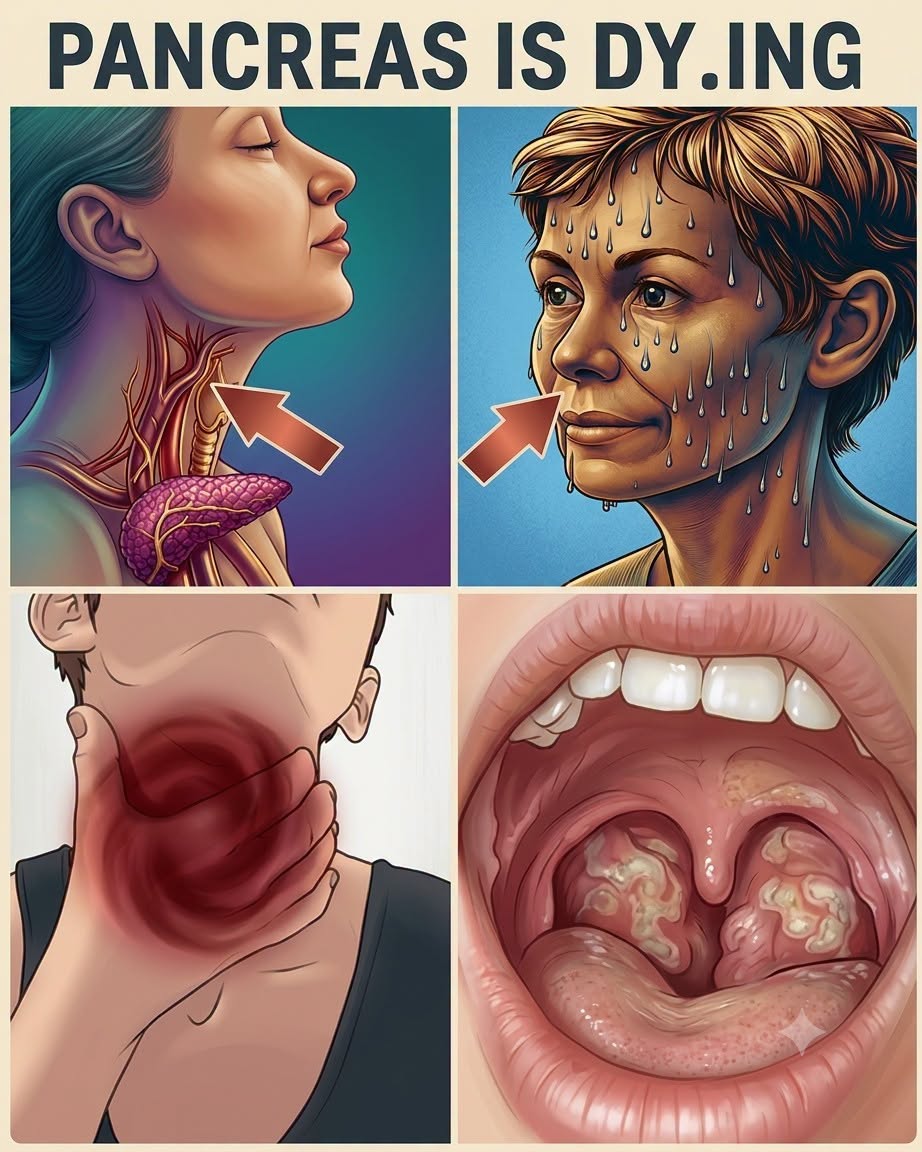
Pancreatic Cancer Warning Signs can be difficult to recognize because pancreatic cancer often causes few noticeable symptoms during its early stages. When changes do appear, they may resemble common digestive problems, ordinary fatigue, back pain, or other conditions that have nothing to do with cancer. The National Cancer Institute notes that pancreatic cancer can be difficult to detect early because symptoms may not appear at first and can resemble those of many other illnesses.
That uncertainty makes context especially important. One symptom by itself usually cannot tell you what is happening. Instead, persistent changes, combinations of symptoms, or unexplained changes from your normal health pattern deserve attention.
I have always found health information more useful when it gives people context rather than simply presenting a frightening list of symptoms. A stomachache after a large dinner feels very different from persistent upper-abdominal pain accompanied by unexplained weight loss or yellowing of the eyes. Likewise, feeling tired after several poor nights of sleep does not carry the same meaning as fatigue that continues without an obvious reason. Learning about Pancreatic Cancer Warning Signs should help you notice meaningful changes and know when to seek medical care, not encourage you to assume that every common symptom points to cancer.
Understanding the First Four Pancreatic Cancer Warning Signs
1. Yellow Skin or Eyes and Unexplained Weight Loss
Jaundice ranks among the better-known Pancreatic Cancer Warning Signs. It causes the skin or whites of the eyes to develop a yellow appearance.
Jaundice develops when bilirubin builds up in the body. A pancreatic tumor located near the common bile duct can sometimes block that duct. As a result, bile cannot flow normally into the intestine, and bilirubin begins accumulating.
Other changes can accompany jaundice. For example, urine may become unusually dark, stools may become lighter, and the skin may itch. Both the National Cancer Institute and American Cancer Society list jaundice, dark urine, and light-colored stools among symptoms associated with pancreatic cancer.
However, pancreatic cancer does not cause most cases of jaundice. Gallstones, hepatitis, and other liver or bile-duct conditions can also produce it. Even so, unexplained yellowing of the skin or eyes requires prompt medical assessment. The NHS specifically advises urgent medical evaluation for jaundice.
Unexplained weight loss represents another possible sign.
A person may notice clothes fitting more loosely despite making no intentional changes to food intake or physical activity. Appetite may also decrease.
Pancreatic cancer can affect appetite and digestion, which may contribute to weight loss. The National Cancer Institute lists unexplained weight loss and appetite loss among recognized symptoms.
Still, many other conditions can cause unintended weight loss. Thyroid disorders, gastrointestinal diseases, infections, medication effects, depression, and many other illnesses can contribute.
Therefore, weight loss alone does not diagnose pancreatic cancer.
A continuing or noticeable drop in weight without a clear explanation should prompt a conversation with a healthcare professional.
2. Persistent Upper-Abdominal or Back Pain
Persistent abdominal or back discomfort can also appear among Pancreatic Cancer Warning Signs.
The pancreas sits deep inside the upper abdomen between the stomach and spine. As a pancreatic tumor grows, it may press against nearby organs or nerves.
The American Cancer Society notes that pancreatic cancer can cause abdominal or back pain, particularly when tumors affect surrounding structures or nerves.
Some people experience discomfort in the upper or middle abdomen. Others notice pain that travels toward the back.
The NHS also describes pain in the upper abdomen and back as a possible symptom and notes that some people may feel worse when eating or lying down.
However, abdominal and back pain occur extremely often.
Muscle strain, arthritis, reflux, gallbladder disease, ulcers, kidney problems, constipation, and many other conditions can produce similar symptoms.
For that reason, the pattern matters.
Occasional discomfort after a heavy meal carries much less concern than persistent pain that appears without a clear cause and gradually becomes more noticeable.
You should also pay closer attention when pain occurs alongside other changes such as jaundice, loss of appetite, unexplained weight loss, vomiting, or unusual stool changes.
Persistent pain does not prove that pancreatic cancer exists.
Instead, it gives a healthcare professional a reason to evaluate the cause, particularly when the symptom does not improve or differs significantly from your usual health pattern.
Cleveland Clinic similarly advises people to discuss new or worsening abdominal or back pain with a healthcare provider, especially when additional symptoms appear.
Digestive Pancreatic Cancer Warning Signs That Can Be Easy to Overlook
3. Ongoing Digestive Changes and Unusual Stools
Digestive problems can become confusing Pancreatic Cancer Warning Signs because nearly everyone experiences indigestion, bloating, or changes in bowel habits occasionally.
The pancreas plays an important role in digestion. It produces enzymes that help the body digest nutrients, including fats.
When pancreatic function or bile flow becomes disrupted, digestion can change.
Possible symptoms include bloating, indigestion, constipation, diarrhea, nausea, reduced appetite, or feeling full sooner than expected.
The NHS lists indigestion, bloating, diarrhea, constipation, and other bowel changes among possible pancreatic cancer symptoms.
Cleveland Clinic also identifies digestive concerns such as bloating, diarrhea, nausea, and feeling full quickly among symptoms that may occur.
However, these symptoms remain extremely common.
Food intolerances, irritable bowel syndrome, infections, stress, medications, reflux, and dietary changes frequently cause them.
Therefore, look for persistence and change rather than reacting to an isolated episode.
Stool appearance can sometimes provide another clue.
A person may notice stools that appear unusually pale, greasy, oily, bulky, or difficult to flush.
When bile or pancreatic enzymes fail to reach the intestine normally, the body may struggle to digest fat efficiently.
The American Cancer Society notes that blockage affecting bile and pancreatic enzymes can contribute to light-colored or greasy stools that may float.
Again, unusual stool does not automatically indicate pancreatic cancer.
Gallbladder disorders, liver disease, dietary changes, celiac disease, pancreatitis, and several other digestive conditions can alter stool appearance.
Nevertheless, a persistent change deserves medical evaluation, particularly when it appears with jaundice, weight loss, abdominal pain, or appetite changes.
4. Persistent Nausea, Vomiting, or Early Fullness
Nausea and vomiting belong to another group of Pancreatic Cancer Warning Signs that can easily resemble everyday stomach problems.
Food poisoning, viral infections, pregnancy, medications, migraines, reflux, and dozens of other conditions can cause nausea.
However, pancreatic cancer can sometimes affect nearby digestive structures.
For example, a growing tumor may interfere with the stomach or the passage of food through part of the digestive system. The American Cancer Society explains that pressure near the stomach can sometimes contribute to nausea, vomiting, and pain that becomes worse after eating.
Cleveland Clinic also lists nausea, vomiting, early fullness, and other gastrointestinal symptoms among possible signs.
Pay attention when nausea repeatedly returns without a clear reason.
Likewise, vomiting that persists or frequently follows meals needs medical attention.
Feeling unusually full after eating only a small amount can also represent a meaningful change, especially if it leads to reduced food intake or weight loss.
Still, these symptoms cannot identify pancreatic cancer on their own.
The important question involves what differs from your normal pattern.
For example, one episode of nausea after questionable food usually has an obvious context. Recurrent nausea combined with progressive weight loss and abdominal discomfort creates a different situation.
The NHS advises urgent medical help for vomiting that lasts more than two days. It also recommends evaluation when other possible pancreatic cancer symptoms worsen or do not improve.
Persistent symptoms deserve investigation even when cancer eventually proves not to be the cause.
Finding the actual reason can lead to appropriate treatment and prevent you from simply living with an unexplained problem.
Blood Sugar and Energy Changes Connected With the Pancreas
5. New or Unexpected Blood Sugar Changes
Blood sugar changes may seem unrelated to other Pancreatic Cancer Warning Signs, but the connection becomes easier to understand when you consider the pancreas itself.
The pancreas produces insulin, a hormone that helps control blood glucose.
Pancreatic cancer can sometimes disrupt insulin-producing cells and contribute to diabetes or smaller changes in blood sugar.
The American Cancer Society includes diabetes among possible signs associated with pancreatic cancer and notes that some people develop increased thirst, hunger, or frequent urination. In other cases, blood tests detect blood-sugar changes before obvious diabetes symptoms appear.
Cleveland Clinic also recognizes new-onset diabetes as a possible clue that may warrant further investigation in certain circumstances.
However, this point needs important context.
Diabetes remains extremely common, and the overwhelming majority of people with diabetes do not have pancreatic cancer.
Age, genetics, body weight, insulin resistance, medications, pregnancy, and many other factors affect blood sugar.
Therefore, nobody should interpret a diabetes diagnosis as evidence of pancreatic cancer.
Instead, unexpected changes deserve discussion with a healthcare professional.
For example, a doctor may want to understand why someone develops new diabetes without an obvious explanation or why previously stable glucose levels suddenly become harder to control.
The overall clinical picture matters.
A blood-sugar change accompanied by unexplained weight loss, jaundice, persistent abdominal pain, or digestive changes may give a clinician more information than blood sugar alone.
Regular medical testing also matters because mild glucose changes may produce no noticeable symptoms.
Rather than attempting to connect blood sugar changes to cancer yourself, discuss unexpected results with the clinician managing your care.
6. Persistent Fatigue or Unusual Weakness
Fatigue ranks among the least specific Pancreatic Cancer Warning Signs.
Almost everyone experiences tiredness.
Poor sleep, demanding work, stress, dehydration, anemia, viral illness, medications, thyroid conditions, depression, and many other everyday factors can reduce energy.
However, cancer can also cause persistent fatigue.
The National Cancer Institute includes fatigue among symptoms that may occur as pancreatic cancer grows.
The American Cancer Society similarly identifies fatigue or abnormal physical weakness as possible symptoms while emphasizing that other causes produce these symptoms much more often.
That distinction matters.
A tired day does not represent a meaningful cancer warning sign.
Instead, pay attention to fatigue that feels unusual for you, continues despite adequate rest, or appears alongside other unexplained changes.
For example, persistent weakness combined with loss of appetite and significant weight loss deserves more attention than ordinary tiredness after a busy week.
Also consider how fatigue affects daily activities.
If normal tasks suddenly require much more effort, or if your energy keeps declining without an obvious explanation, contact a healthcare professional.
Blood tests and other assessments can uncover many treatable causes of fatigue.
Even when cancer does not explain the symptom, persistent fatigue can signal anemia, nutrient deficiencies, thyroid disease, infection, sleep disorders, or another health issue that deserves treatment.
Therefore, treat fatigue as information rather than proof of a particular diagnosis.
A clinician can evaluate the whole pattern and decide what testing, if any, makes sense.
Two More Signs and When to Seek Medical Care
7. Loss of Appetite and Feeling Full Quickly
Loss of appetite can overlap with several other Pancreatic Cancer Warning Signs.
Some people simply feel less interested in food. Others begin eating normally but feel full after a surprisingly small amount.
Over time, reduced food intake can contribute to weight loss and weakness.
The National Cancer Institute lists loss of appetite among pancreatic cancer symptoms, while Cleveland Clinic notes that people may experience reduced appetite or feel full earlier than usual.
Still, appetite changes have many possible causes.
Stress, anxiety, infections, medication side effects, depression, stomach disorders, and many other illnesses can reduce the desire to eat.
Again, duration and context provide useful clues.
A temporary drop in appetite during a cold or stomach infection often improves as the illness resolves.
Persistent loss of appetite with no obvious explanation deserves more attention.
Consider whether other changes occur at the same time.
For example, appetite loss together with upper-abdominal pain, persistent nausea, unusual stools, or unintentional weight loss gives a healthcare professional more information to evaluate.
Do not try to determine the cause based on symptoms alone.
Instead, note how long the changes have lasted and whether they continue to progress.
A simple written record can sometimes help during a medical appointment.
You might note when symptoms began, whether meals make them worse, how much weight you have lost, and whether bowel habits or urine color have changed.
Specific observations help clinicians understand the pattern more clearly.
8. Itchy Skin, Dark Urine, and Other Bile-Duct Changes
Some Pancreatic Cancer Warning Signs actually belong to the same underlying process.
For example, itchy skin, dark urine, pale stools, and yellowing of the eyes can all develop when bilirubin builds up because bile flow becomes blocked.
The American Cancer Society explains that bilirubin accumulation can darken urine and trigger itching. Blocked bile flow can also produce lighter or greasy stools.
Cleveland Clinic likewise identifies itching as a possible symptom related to bile-duct blockage and bilirubin buildup.
Of course, many conditions besides pancreatic cancer affect the liver, gallbladder, and bile ducts.
For that reason, these symptoms require medical evaluation rather than self-diagnosis.
Jaundice deserves particularly prompt attention.
You should also seek medical advice for symptoms that persist, worsen, or appear together without a clear explanation.
The NHS recommends medical evaluation for noticeable unexplained weight loss and for other possible pancreatic cancer symptoms that continue or worsen.
Seek urgent medical care for severe or rapidly worsening symptoms.
In addition, sudden chest pain, significant shortness of breath, fainting, vomiting blood, or other acute symptoms require emergency evaluation rather than waiting for a routine appointment.
Most importantly, remember that Pancreatic Cancer Warning Signs cannot confirm a diagnosis.
Doctors may use your medical history, physical examination, blood tests, imaging, and other tests to determine what causes your symptoms. The National Cancer Institute emphasizes that many conditions other than pancreatic cancer can produce similar signs.
Frequently Asked Questions
What are the earliest Pancreatic Cancer Warning Signs?
Pancreatic cancer often causes no clear symptoms early. When symptoms do develop, possible changes can include jaundice, unexplained weight loss, loss of appetite, abdominal or back pain, digestive problems, fatigue, or changes in blood sugar. However, these symptoms often have causes unrelated to cancer.
Does back pain mean someone has pancreatic cancer?
No. Back pain occurs commonly and usually results from causes other than pancreatic cancer. However, persistent unexplained upper or mid-back pain, particularly when accompanied by abdominal discomfort, jaundice, weight loss, or appetite changes, warrants medical evaluation.
What color stool can occur with pancreatic cancer?
Blocked bile flow can sometimes cause stools to become lighter, grayish, greasy, or difficult to flush. However, gallbladder, liver, pancreatic, dietary, and other gastrointestinal conditions can produce similar changes. Persistent unexplained stool changes should therefore be evaluated rather than used for self-diagnosis.
Does newly diagnosed diabetes mean pancreatic cancer?
No. Most people who develop diabetes do not have pancreatic cancer. However, pancreatic cancer can sometimes affect insulin production and lead to new or unexpected blood-sugar changes. A healthcare professional can determine whether additional evaluation makes sense based on age, symptoms, medical history, and other factors.
When should I contact a doctor about Pancreatic Cancer Warning Signs?
Contact a healthcare professional when you experience persistent or worsening unexplained symptoms such as weight loss, abdominal or back pain, appetite loss, digestive changes, or unusual fatigue. Seek prompt assessment for jaundice. The NHS specifically recommends urgent medical attention when the skin or whites of the eyes turn yellow.
Conclusion
Pancreatic Cancer Warning Signs can be difficult to interpret because many resemble far more common health problems. Early pancreatic cancer may also produce no obvious symptoms at all, which contributes to the difficulty of detecting the disease early.
Possible changes include jaundice, unexplained weight loss, persistent abdominal or back pain, digestive problems, pale or greasy stools, nausea or vomiting, unexpected blood-sugar changes, appetite loss, fatigue, dark urine, and itching.
However, having one or several of these symptoms does not mean you have pancreatic cancer.
The most useful approach involves paying attention to persistence, progression, and combinations of unexplained symptoms.
If something clearly changes from your normal health pattern and does not improve, contact a healthcare professional instead of trying to diagnose the cause yourself.
Most importantly, seek prompt medical attention for jaundice or other concerning or rapidly worsening symptoms. A qualified clinician can assess the complete picture and determine whether you need testing or treatment.
Focus Keyword: Pancreatic Cancer Warning Signs
SEO Title: Pancreatic Cancer Warning Signs: 8 Subtle Changes to Know
Meta Description: Pancreatic Cancer Warning Signs include 8 subtle changes such as jaundice, weight loss, back pain, digestive issues, and fatigue.
Expert SEO Title: Pancreatic Cancer Warning Signs: 8 Essential Changes to Know
Midjourney Prompt: realistic medical wellness editorial image showing an adult thoughtfully noticing subtle physical health changes, tasteful anatomical silhouette of the upper abdomen with a softly highlighted pancreas location, no graphic disease imagery, calm clinical atmosphere, natural skin tones, clean modern healthcare setting, serious but reassuring mood, professional health publication photography, realistic lighting, vertical composition, subject positioned mainly in lower two-thirds of frame, generous clean negative space above for Pinterest text overlay, high detail, medically respectful visual storytelling –v 6 –ar 2:3
More Blog
- Drinking Water on an Empty Stomach — What Science Actually Supports (No Hype, Just Facts)
- Waking Up Between 3 and 5 AM? It Might Be Your Soul Trying to Talk to You
- What a “Bleach” Patch on Your Underwear Really Means — And Why It’s Actually a Good Sign
- This Drink May Weaken Your Bones From The Inside — But Everyone Drinks It Anyway