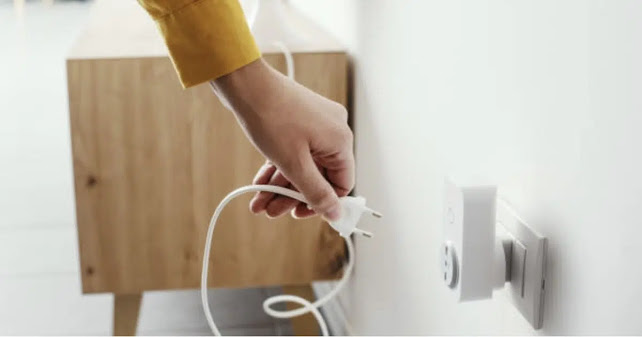
You turn off the TV before bed. The coffee maker isn’t brewing. The game console sits idle. Everything appears to be off.
But is it really?
Many modern appliances continue to consume electricity even when you’re not actively using them. This hidden energy use is commonly known as “vampire power” or “standby power,” and while each device may only draw a small amount of electricity, the costs can add up over time.
So, does unplugging appliances actually save electricity?
The answer is yes—but understanding which devices matter most can help you save money without turning your daily routine into a constant unplugging exercise.
What Is Vampire Power?
Vampire power refers to electricity consumed by devices that are plugged in but not actively being used.
Many electronics stay partially powered so they can:
- Display clocks
- Receive remote-control signals
- Download software updates
- Maintain internet connections
- Charge internal batteries
- Remember settings and preferences
Even though these functions seem minor, they still require energy.
Common examples include:
- Televisions
- Cable boxes
- Gaming consoles
- Computers
- Printers
- Smart speakers
- Microwaves with digital clocks
- Phone chargers
How Much Electricity Does Standby Power Use?
While individual devices often consume only a few watts in standby mode, the combined effect throughout an entire home can be significant.
Studies have found that standby power may account for approximately 5% to 10% of a household’s electricity consumption.
For many families, that can mean:
- $50 to $200 annually in wasted energy
- Hundreds of kilowatt-hours consumed each year
- Increased environmental impact from unnecessary power use
The exact amount depends on the number of devices in your home and local electricity rates.
The Biggest Energy Wasters
Not all appliances are equal when it comes to standby power.
Cable and Satellite Boxes
These are often among the largest offenders.
Many remain active around the clock to:
- Download programming guides
- Record content
- Receive updates
Some older cable boxes consume nearly as much electricity when “off” as when operating.
Gaming Consoles
Modern consoles frequently remain connected to the internet for:
- Automatic updates
- Fast startup features
- Background downloads
Switching to energy-saving mode can significantly reduce power consumption.
Desktop Computers
Computers may continue using electricity while:
- Sleeping
- Maintaining network connections
- Charging connected devices
Proper power management settings can reduce waste.
Older Televisions
Many older televisions consume more standby power than newer energy-efficient models.
Features such as instant-on functionality and remote sensors continue drawing electricity even when the screen is off.
Appliances That Typically Use Very Little Standby Power
Some devices consume negligible amounts of electricity when not operating.
Examples include:
- Toasters
- Blenders
- Basic coffee grinders
- Manual kitchen appliances
- Traditional lamps
If a device has no clock, display, battery, internet connection, or remote-control capability, it often uses little or no standby power.
Is It Worth Unplugging Everything?
Not necessarily.
The goal should be maximizing savings with minimal inconvenience.
For example:
Worth Unplugging
- Guest room televisions
- Unused gaming consoles
- Extra phone chargers
- Seasonal decorations
- Rarely used printers
- Entertainment centers when away for extended periods
Usually Not Worth Unplugging
- Refrigerators
- Freezers
- Routers
- Security systems
- Smart thermostats
- Essential smart-home equipment
The inconvenience of constantly unplugging certain devices often outweighs the small savings.
Smart Ways to Reduce Standby Power
Use Smart Power Strips
Smart power strips automatically cut power to devices that are not in use.
For example:
When you turn off the television, the power strip can automatically disconnect power to:
- Sound systems
- Streaming devices
- Gaming consoles
This is one of the easiest ways to reduce standby energy use.
Enable Energy-Saving Settings
Many devices offer built-in energy management options.
Look for:
- Sleep mode
- Auto shut-off
- Eco mode
- Energy-saving mode
These settings can dramatically reduce electricity consumption without requiring you to unplug anything.
Unplug Chargers When Not in Use
Modern chargers use very little power when idle, but unplugging unused chargers remains a simple habit that eliminates even small amounts of waste.
Upgrade Older Electronics
Newer appliances often meet stricter efficiency standards and consume significantly less standby power than older models.
Look for energy-efficient products when replacing aging electronics.
Does Unplugging Improve Safety?
In some cases, yes.
Reducing the number of continuously powered devices may lower risks associated with:
- Electrical surges
- Faulty wiring
- Overheated adapters
- Aging electronics
While unplugging alone does not guarantee safety, it can reduce certain electrical hazards, especially during storms or extended vacations.
Environmental Benefits
Reducing standby power isn’t just about saving money.
Lower electricity consumption helps:
- Reduce carbon emissions
- Lower demand on power grids
- Decrease fuel consumption at power plants
- Support overall energy conservation efforts
When millions of households reduce unnecessary power use, the collective impact becomes substantial.
Frequently Asked Questions
How can I tell if a device uses standby power?
Signs include:
- Digital displays
- Indicator lights
- Remote-control functionality
- Internet connectivity
- Warm power adapters
An energy monitor can provide exact measurements.
Do phone chargers waste electricity when nothing is plugged in?
Most modern chargers consume very little power when idle, but some older chargers may draw more electricity.
Will unplugging damage electronics?
Generally, no. Most devices are designed to be unplugged safely. However, frequent unplugging may reset clocks, settings, or network connections.
Should I unplug my television every night?
You can, but using a smart power strip is usually more convenient and provides similar savings.
What saves more money: unplugging or energy-efficient appliances?
Upgrading inefficient appliances usually provides larger long-term savings, but reducing standby power is still worthwhile.
The Bottom Line
Yes, unplugging appliances does save electricity.
However, the biggest savings come from targeting devices that consume significant standby power rather than unplugging every appliance in your home.
Focus on:
- Cable boxes
- Gaming consoles
- Entertainment systems
- Older electronics
- Rarely used chargers and devices
Pair that strategy with smart power strips and energy-saving settings, and you’ll reduce waste without adding extra hassle to your day.
A few small changes can lower your energy bill, reduce environmental impact, and help your home operate more efficiently—all without sacrificing convenience.
More Blog
- Drinking Water on an Empty Stomach — What Science Actually Supports (No Hype, Just Facts)
- Waking Up Between 3 and 5 AM? It Might Be Your Soul Trying to Talk to You
- What a “Bleach” Patch on Your Underwear Really Means — And Why It’s Actually a Good Sign
- This Drink May Weaken Your Bones From The Inside — But Everyone Drinks It Anyway