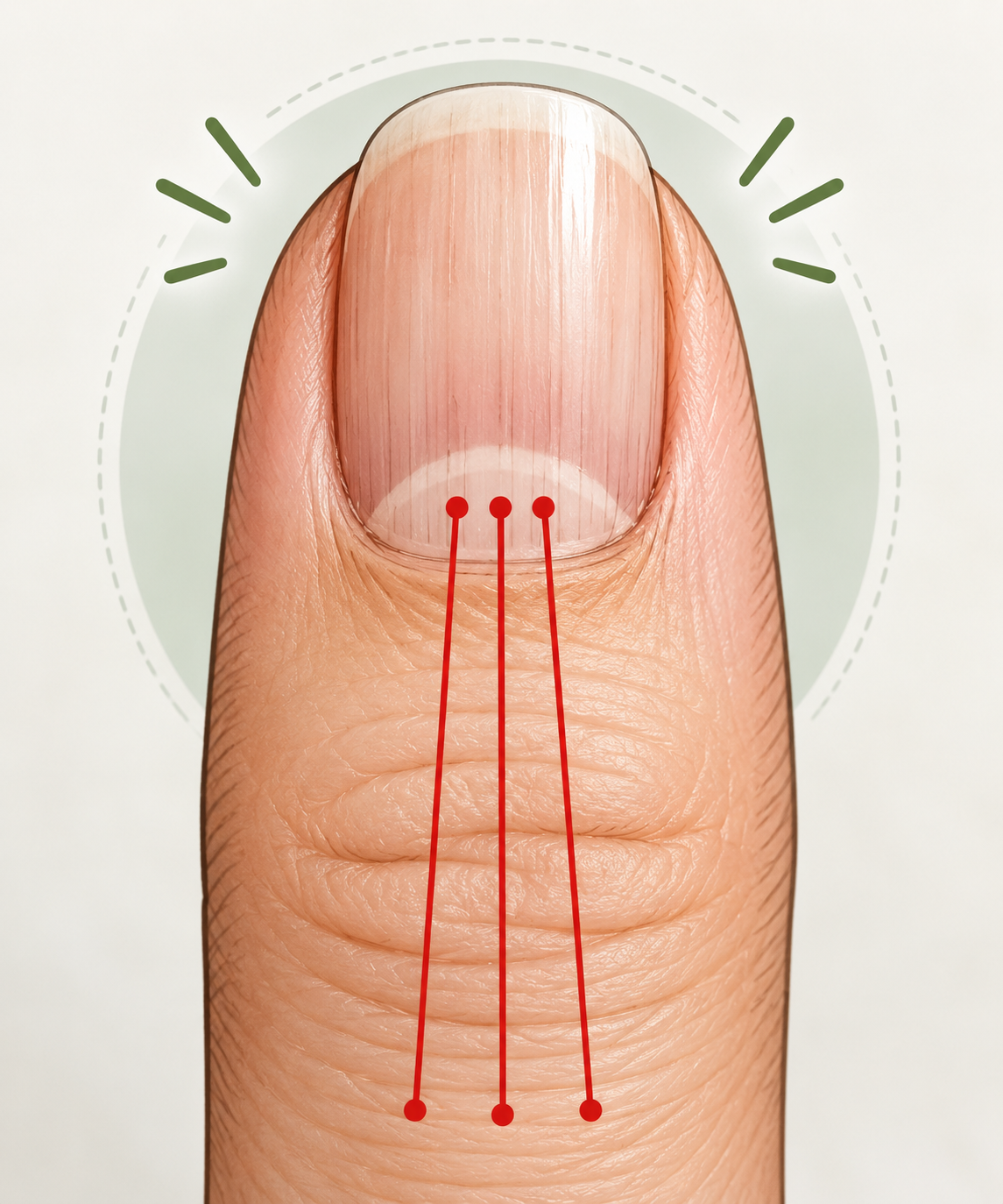
A Nutrition Guide for Healthier Nails: Strengthen, Smooth & Grow from the Inside Out starts with an important truth: nutrition can influence nail health, but brittle, peeling, ridged, or discolored nails do not automatically mean you have a vitamin deficiency. Nails also change because of aging, repeated water exposure, manicures, medications, infections, skin conditions, thyroid disorders, and everyday trauma.
Healthy nails grow from the nail matrix beneath the skin. Because this growth happens slowly, improvements also take time. Fingernails generally need months to grow from the base to the tip, so dietary changes cannot transform damaged nails overnight.
I learned how easy it is to blame every nail problem on one missing nutrient. When nails split or peel, the first instinct is often to buy biotin gummies or a strengthening polish. However, looking at the entire picture makes much more sense. Frequent hand washing, nail polish removal, low iron, skin conditions, and simple mechanical damage can all produce similar symptoms. Once you focus on balanced nutrition while also protecting the nails from unnecessary damage, the approach becomes much more practical and far less dependent on expensive supplements.
Nutrition matters most when it corrects an actual deficiency or supports the body’s normal production of nail tissue. Protein, iron, zinc, biotin, vitamin B12, and other nutrients all participate in processes that help maintain healthy tissues. However, more is not always better, and supplements should not replace proper evaluation when nail changes persist.
How Nutrition Supports Healthy Nail Growth
Nails Need Protein, Energy, and a Balanced Diet
Nails consist primarily of keratin, a structural protein also found in hair and the outer layers of skin. Your body needs adequate dietary protein and energy to continually produce new nail cells. Therefore, extremely restrictive diets or prolonged inadequate food intake can affect hair, skin, and nails along with many other body systems.
Good protein sources include eggs, fish, poultry, lean meats, dairy foods, beans, lentils, soy foods, nuts, and seeds. You do not need to rely on animal foods, either. A well-planned plant-based diet can provide enough protein when it includes a variety of legumes, soy products, grains, nuts, and seeds.
Still, eating extra protein will not necessarily make normal nails grow dramatically faster. The goal is to meet your nutritional needs, not to overload the body with one nutrient. Nail growth also depends on age, genetics, health conditions, circulation, and local factors such as repeated trauma.
A balanced eating pattern provides more than protein. Fruits and vegetables supply vitamin C and other micronutrients, while whole grains, legumes, nuts, seeds, dairy foods, seafood, eggs, and meats contribute different vitamins and minerals. This variety gives the body the raw materials it needs without turning nail health into a hunt for one “miracle” food.
If your nails suddenly become brittle despite a balanced diet, nutrition may not be the main cause. Cleveland Clinic notes that frequent hand washing, aging, fungal infection, psoriasis, thyroid disorders, and other conditions can also contribute to brittle nails.
Why Nail Changes Do Not Always Signal Deficiency
Many popular nail myths connect every visible change to a specific nutrient. In reality, nail appearance rarely works like a simple diagnostic chart.
For example, spoon-shaped nails, called koilonychia, can occur with iron-deficiency anemia. The American Academy of Dermatology advises medical evaluation for this type of change because iron deficiency can have many causes, including inadequate intake and gastrointestinal problems.
However, ordinary ridges do not automatically prove iron, zinc, or vitamin deficiency. Nail ridging can appear with age, repeated trauma, skin disorders, or other conditions. Likewise, brittle nails may result from frequent exposure to water and cleaning chemicals rather than a dietary problem.
Color changes also deserve careful interpretation. Yellow, green, black, blue, or unusually pale nails can have many causes, including infection, injury, medication effects, and medical conditions. The AAD recommends having new or unexplained changes in nail color, texture, or shape assessed rather than trying to diagnose them from appearance alone.
This is why A Nutrition Guide for Healthier Nails: Strengthen, Smooth & Grow from the Inside Out should begin with balance. Nutrition can support normal nail growth, but nails are not a laboratory test. Persistent or dramatic changes deserve proper evaluation.
Key Nutrients That Matter for Nail Health
Iron, Zinc, and Vitamin B12 Deserve Attention
Iron helps the body produce hemoglobin, which carries oxygen in red blood cells. When iron levels become too low, anemia can develop. One possible nail manifestation is koilonychia, in which nails become thin and concave or spoon-shaped.
Good iron sources include lean meat, seafood, poultry, fortified cereals, beans, lentils, spinach, peas, nuts, and some dried fruits. Plant-based iron is absorbed less efficiently than heme iron from animal foods, but vitamin C can improve absorption of nonheme iron. Pairing lentils with tomatoes, beans with peppers, or fortified cereal with berries can therefore be useful.
Do not start high-dose iron supplements simply because your nails feel weak. Too much iron can be harmful, and iron deficiency can result from blood loss, digestive disorders, pregnancy, or other causes that need attention. If you also experience unusual fatigue, shortness of breath, dizziness, or spoon-shaped nails, medical testing makes more sense than guessing.
Zinc also contributes to normal cell growth and tissue repair. Severe or prolonged zinc deficiency can affect the nails, potentially causing brittleness, slower growth, or nail dystrophy. However, many other conditions produce similar changes, so appearance alone cannot confirm low zinc.
Vitamin B12 plays important roles in red blood cell formation and nervous-system health. Deficiency can accompany anemia and other systemic symptoms, but nail changes are not specific enough to diagnose B12 deficiency by themselves. Foods rich in B12 include fish, meat, poultry, eggs, dairy foods, and fortified products.
Biotin Helps Normal Metabolism, but Supplements Are Overhyped
Biotin, or vitamin B7, has become almost synonymous with nail supplements. It participates in enzymes that help metabolize fats, carbohydrates, and proteins, and true biotin deficiency can include brittle nails.
However, true deficiency is rare among people eating ordinary mixed diets. The National Institutes of Health reports that most people get enough biotin from food, and severe deficiency in otherwise healthy individuals is uncommon.
Biotin appears naturally in foods such as eggs, fish, meat, seeds, nuts, sweet potatoes, spinach, and broccoli. For most people, getting biotin from a varied diet provides a straightforward way to meet nutritional needs without turning immediately to high-dose supplements.
You may have seen claims that taking 2.5 milligrams of biotin increases nail thickness by 25%. That figure comes from one very small study involving only eight brittle-nail patients with before-and-after nail samples. The NIH notes that studies of biotin for brittle nails were small, lacked placebo groups, and did not establish participants’ baseline biotin status. Overall evidence remains limited.
High-dose biotin also has an important downside: it can interfere with certain laboratory tests and produce falsely high or low results, including tests involving thyroid hormones and other clinically important markers. Therefore, tell healthcare professionals about biotin supplements before blood testing.
Building a Nail-Friendly Eating Pattern
Choose Foods That Cover Several Nutrients at Once
You do not need a complicated “nail diet.” A varied, minimally processed eating pattern can supply the nutrients involved in nail growth while supporting the rest of your health at the same time.
Eggs provide protein, biotin, vitamin B12, and other nutrients. Salmon offers protein, B vitamins, selenium, and healthy fats. Lentils provide plant protein, iron, zinc, and fiber, while nuts and seeds contribute biotin, zinc, protein, and unsaturated fats.
Leafy greens, beans, peas, and fortified grains can contribute iron. Pairing these foods with vitamin C-rich produce such as oranges, strawberries, tomatoes, broccoli, or peppers can improve nonheme iron absorption.
Dairy foods and fortified alternatives can add protein and other nutrients, while meat, seafood, poultry, and eggs provide highly bioavailable sources of several vitamins and minerals. Vegetarians and vegans can still support nail health successfully, but vitamin B12 deserves particular attention because unfortified plant foods do not reliably provide it.
Rather than concentrating on one nutrient, build meals around several food groups. For example, a breakfast of eggs, whole-grain toast, fruit, and vegetables supplies more nutritional variety than eggs alone. Likewise, a lentil bowl with peppers, greens, seeds, and citrus dressing covers protein, iron, zinc, and vitamin C in one meal.
Be Careful With Supplement Stacks
Hair, skin, and nail supplements often combine high amounts of biotin, zinc, selenium, vitamins, and other ingredients. The packaging can make these products appear harmless because the nutrients sound familiar.
However, supplements can create problems when people take amounts far beyond what they need. Biotin can interfere with laboratory testing, while excess amounts of certain minerals and vitamins can cause their own adverse effects or interfere with other nutrients.
This is especially important if you already take a multivitamin. Adding a separate beauty supplement can unintentionally double or triple your intake of the same ingredients.
Instead, consider why you want the supplement. If you suspect iron deficiency because of fatigue and nail changes, blood testing offers more useful information than starting iron blindly. If your nails crumble and turn yellow, a fungal infection may require treatment rather than vitamins.
Food should provide the foundation whenever possible. Supplements make the most sense when a clinician identifies a deficiency, an increased nutritional need, or another clear reason to use them.
Protecting Nail Health Beyond Nutrition
Moisture, Water Exposure, and Manicures Matter
Nutrition cannot compensate for constant external damage. Repeated wetting and drying can make nails brittle, particularly in people who wash their hands frequently or work with cleaning products. Aging can also make nails drier and more fragile.
Wear gloves when washing dishes or working with harsh household cleaners. After hand washing, apply moisturizer to your hands, cuticles, and nails. The American Academy of Dermatology notes that moisturizing helps keep nails flexible, especially when dry conditions make them more likely to split.
Keep fingernails trimmed to a manageable length and file rough edges in one direction. Long nails catch more easily on clothing and objects, which increases the chance of splitting or injury.
Frequent gel, acrylic, and artificial nail treatments can also weaken natural nails. The AAD notes that preparing nails for artificial enhancements often requires roughening the surface, while repeated removal with acetone or filing can thin and damage the nail plate.
Cuticles deserve protection too. They help seal the area where the new nail emerges. Cutting or aggressively pushing them back can increase the chance of irritation and infection.
Know When Nail Changes Need Medical Attention
Most occasional nail breakage does not signal serious disease. However, sudden, persistent, painful, or unusual changes deserve professional evaluation.
See a healthcare professional if nails begin lifting from the nail bed, develop significant swelling or redness, become unusually thick, change color without an obvious explanation, or develop new deformities. Nail fungus can cause thickening, discoloration, crumbling, and lifting, and nutrition alone will not clear an active fungal infection.
Spoon-shaped nails can warrant testing for iron deficiency. Meanwhile, a new or changing dark streak should be assessed by a dermatologist because, although many dark nail streaks are harmless, melanoma can develop beneath a nail.
Clubbing, in which the nails curve downward while the fingertips enlarge, can also warrant medical evaluation. The AAD notes that clubbing may accompany diseases involving the lungs, heart, liver, or digestive system, although some people have harmless familial curvature.
Do not assume every nail abnormality comes from aging or diet. A persistent change provides information worth discussing with a clinician, especially when it appears suddenly or accompanies symptoms elsewhere in the body.
The best version of A Nutrition Guide for Healthier Nails: Strengthen, Smooth & Grow from the Inside Out therefore combines two approaches: support nail growth with a nutritious diet and protect the nail externally while it grows.
Frequently Asked Questions
Can biotin really make nails stronger?
Biotin may help some people with brittle nails, but the evidence remains limited. The studies often cited were small and generally lacked placebo groups. Most people already obtain adequate biotin through food, and true deficiency is rare. High-dose supplements can also interfere with laboratory tests.
What nutrient deficiency causes brittle nails?
No single deficiency explains every case. Low iron, zinc, some B vitamins, and other nutritional problems can contribute to nail changes, but brittle nails commonly result from aging, frequent water exposure, nail products, fungal infection, psoriasis, or thyroid disease as well.
Are white spots on nails proof of a vitamin deficiency?
Not necessarily. Nail spots and surface changes can occur for many reasons, including minor trauma. A nail’s appearance alone cannot reliably diagnose a nutritional deficiency, so persistent or widespread changes should be evaluated in context rather than treated with supplements automatically.
What foods are best for stronger nails?
Useful choices include eggs, fish, poultry, lean meat, beans, lentils, nuts, seeds, leafy greens, whole grains, dairy foods, and a variety of fruits and vegetables. These foods provide combinations of protein, iron, zinc, biotin, vitamin B12, vitamin C, and other nutrients needed for normal tissue health.
How long does it take nutrition changes to affect nails?
Nail growth takes time, so changes usually appear gradually as new nail grows from the matrix. Even when correcting a genuine deficiency, the damaged portion does not instantly repair itself. You typically need to wait for healthier new nail to grow outward, which can take several months.
Conclusion
A Nutrition Guide for Healthier Nails: Strengthen, Smooth & Grow from the Inside Out works best when it avoids miracle promises. Healthy nails need adequate protein, iron, zinc, biotin, vitamin B12, and many other nutrients, but a balanced diet usually supplies those needs more effectively than indiscriminate high-dose supplements.
Iron deficiency deserves particular attention because it can cause thin, spoon-shaped nails. Zinc deficiency can also affect nail growth and structure. However, neither condition should be diagnosed from appearance alone. Blood tests and medical evaluation can identify whether a true deficiency exists and help uncover its cause.
Biotin deserves a more cautious reputation than supplement advertising often gives it. Deficiency can cause brittle nails, but deficiency is uncommon, and evidence that high-dose biotin strengthens normal nails remains limited. In addition, large doses can distort important laboratory tests.
Finally, nutrition represents only half the strategy. Protect nails from repeated soaking, harsh chemicals, aggressive manicures, and unnecessary trauma. Moisturize them regularly, keep them neatly trimmed, and pay attention to unexplained changes.
Strong, healthy-looking nails grow slowly. Give them the nutrients they need, protect the new growth as it appears, and seek medical advice when changes seem unusual or persistent. That balanced approach offers far more value than chasing a single supplement or expecting an overnight transformation.
More Blog
- Drinking Water on an Empty Stomach — What Science Actually Supports (No Hype, Just Facts)
- Waking Up Between 3 and 5 AM? It Might Be Your Soul Trying to Talk to You
- What a “Bleach” Patch on Your Underwear Really Means — And Why It’s Actually a Good Sign
- This Drink May Weaken Your Bones From The Inside — But Everyone Drinks It Anyway