Many home skincare remedies have been passed from one generation to the next, and the internet has given those old-fashioned recipes an entirely new audience.
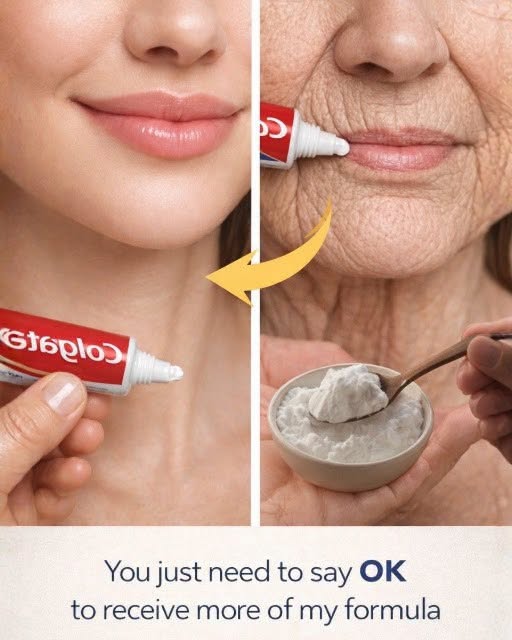
One combination that continues to attract attention is toothpaste mixed with tomato juice.
The promise sounds tempting: toothpaste to dry out blemishes and tomato juice to brighten the complexion. Put the two together, the theory goes, and you have an inexpensive homemade treatment for acne, dark spots, and dull-looking skin.
But there is an important problem with this popular recipe.
Your skin is not your teeth, and products designed for your mouth are not automatically suitable for your face.
Before reaching for the toothpaste tube in your bathroom, let’s separate the appealing idea from what we actually know about these ingredients.
Why Do People Put Toothpaste on Their Skin?
The toothpaste remedy probably became popular because some toothpaste ingredients can produce a temporary drying or cooling sensation.
That sensation can make a pimple feel as though it is shrinking.
But a temporary drying effect is not the same thing as treating acne.
Toothpaste is formulated to clean teeth, not to maintain the skin barrier. Depending on the product, it may contain flavorings, detergents, whitening ingredients, and other substances that can irritate facial skin.
Applying it to a blemish can therefore cause:
- Redness
- Burning or stinging
- Dryness
- Peeling
- Irritation
- Contact dermatitis
- Increased sensitivity
In some cases, irritation can make a blemish look worse rather than better.
For that reason, toothpaste is not a recommended acne treatment.
What About Tomato Juice?
Tomatoes are a very different story.
Tomatoes contain nutrients and plant compounds such as vitamin C and lycopene. Eating tomatoes as part of a balanced diet can contribute useful nutrients and antioxidants.
But putting tomato juice directly on your face is not the same as eating tomatoes.
Tomato juice may contain naturally occurring acids that can irritate sensitive skin. There is also limited evidence that simply applying tomato juice to the face will dramatically lighten dark spots, remove wrinkles, or clear acne.
So while tomatoes can certainly be part of a healthy diet, they should not be viewed as a miracle topical skincare treatment.
The Popular DIY Mixture
The traditional internet recipe usually involves mixing toothpaste with fresh tomato juice and applying the combination directly to areas affected by pimples or pigmentation.
It sounds simple, inexpensive, and convenient.
Unfortunately, there is no good reason to believe that combining the two ingredients makes them safer or more effective.
In fact, combining potentially irritating ingredients can make it more difficult to determine which substance caused a reaction.
If your goal is healthier-looking skin, there are much gentler approaches.
A Better Three-Step Skin Routine
Instead of experimenting with harsh kitchen or bathroom ingredients, focus on the basics.
Step 1: Cleanse Gently
Wash your face with a gentle cleanser appropriate for your skin type.
Avoid scrubbing aggressively. Excessive rubbing can irritate the skin barrier and make redness more noticeable.
If your skin feels tight, burning, or unusually dry after cleansing, the product may be too harsh for you.
Step 2: Moisturize
A moisturizer helps support the skin barrier and can be particularly important if you use acne treatments or other products that cause dryness.
Look for a simple, fragrance-free moisturizer if your skin is sensitive.
You do not need a complicated collection of products to have a good skincare routine.
Step 3: Protect Your Skin From the Sun
If dark spots or uneven pigmentation are concerns, daily sun protection is one of the most useful habits you can develop.
Sun exposure can worsen existing pigmentation and make discoloration more difficult to fade.
A broad-spectrum sunscreen with an appropriate SPF can help protect your skin while other treatments do their work.
What Can You Use Instead of Toothpaste for Pimples?
If you occasionally develop a pimple, consider products specifically formulated for acne rather than household toothpaste.
Depending on your skin and the type of acne you have, ingredients such as benzoyl peroxide or salicylic acid may be appropriate.
These ingredients have been studied for acne and are available in many over-the-counter formulations.
Start carefully, because acne treatments can cause dryness or irritation, particularly when several active ingredients are combined.
If your acne is persistent, painful, widespread, or leaving scars, a dermatologist can recommend a treatment suited to your skin.
What About Dark Spots?
Dark spots can have many causes, including acne marks, sun exposure, hormonal changes, and inflammation.
Trying to burn, peel, or aggressively scrub pigmentation away can actually make the problem worse.
Instead, gentle skincare combined with sun protection is usually a better starting point.
Ingredients commonly used for uneven pigmentation include:
- Vitamin C
- Niacinamide
- Azelaic acid
- Retinoids
- Certain exfoliating acids
Not every ingredient is suitable for every person, and some can interact with other skincare products.
If pigmentation is new, rapidly changing, unusually dark, or associated with a changing mole or other concerning skin change, have it evaluated rather than treating it with a DIY remedy.
Why “Natural” Does Not Always Mean Gentle
One of the biggest misconceptions surrounding homemade skincare is that natural ingredients are automatically safer.
They are not.
Poison ivy is natural.
Lemon juice is natural.
Essential oils are natural.
And all of them can irritate or damage skin under certain circumstances.
The same principle applies to tomato juice.
A substance can be perfectly safe to eat while being irritating when applied directly to the skin.
Your skin has a protective barrier for a reason. Good skincare should support that barrier rather than repeatedly stripping or irritating it.
If You Already Tried the Toothpaste Mixture
Don’t panic.
If you applied toothpaste and tomato juice to your skin and nothing happened, simply wash the area gently and return to your normal skincare routine.
If the area is burning, very red, swollen, blistered, or painful, rinse it thoroughly with lukewarm water and stop using the mixture.
Avoid applying additional irritating products to the area until the skin settles.
Seek medical advice if the reaction is severe, spreading, or does not improve.
The Safer DIY Approach
There is nothing wrong with enjoying simple, affordable skincare.
The trick is choosing ingredients and products that have a reasonable safety record for the skin rather than relying on viral recipes.
You can keep your routine remarkably simple:
Morning: Gentle cleanser, moisturizer, and sunscreen.
Evening: Gentle cleanser, appropriate treatment if needed, and moisturizer.
That may not sound as exciting as a two-ingredient miracle recipe, but consistency is far more valuable than a dramatic internet hack.
The Bottom Line
Toothpaste and tomato juice may sound like an inexpensive answer to acne and dark spots, but there is not enough evidence to recommend the mixture as a skincare treatment.
More importantly, toothpaste can irritate facial skin and potentially leave you with redness, dryness, or dermatitis.
Tomatoes themselves are nutritious foods, but that does not mean tomato juice is a proven facial treatment.
When it comes to your skin, simple is often better.
Choose gentle products, protect your skin from the sun, introduce active ingredients carefully, and give your routine enough time to work.
And when a skincare hack promises dramatic results overnight, take a moment before trying it.
Sometimes the best beauty secret is knowing what not to put on your face.
More Blog
- Drinking Water on an Empty Stomach — What Science Actually Supports (No Hype, Just Facts)
- Waking Up Between 3 and 5 AM? It Might Be Your Soul Trying to Talk to You
- What a “Bleach” Patch on Your Underwear Really Means — And Why It’s Actually a Good Sign
- This Drink May Weaken Your Bones From The Inside — But Everyone Drinks It Anyway