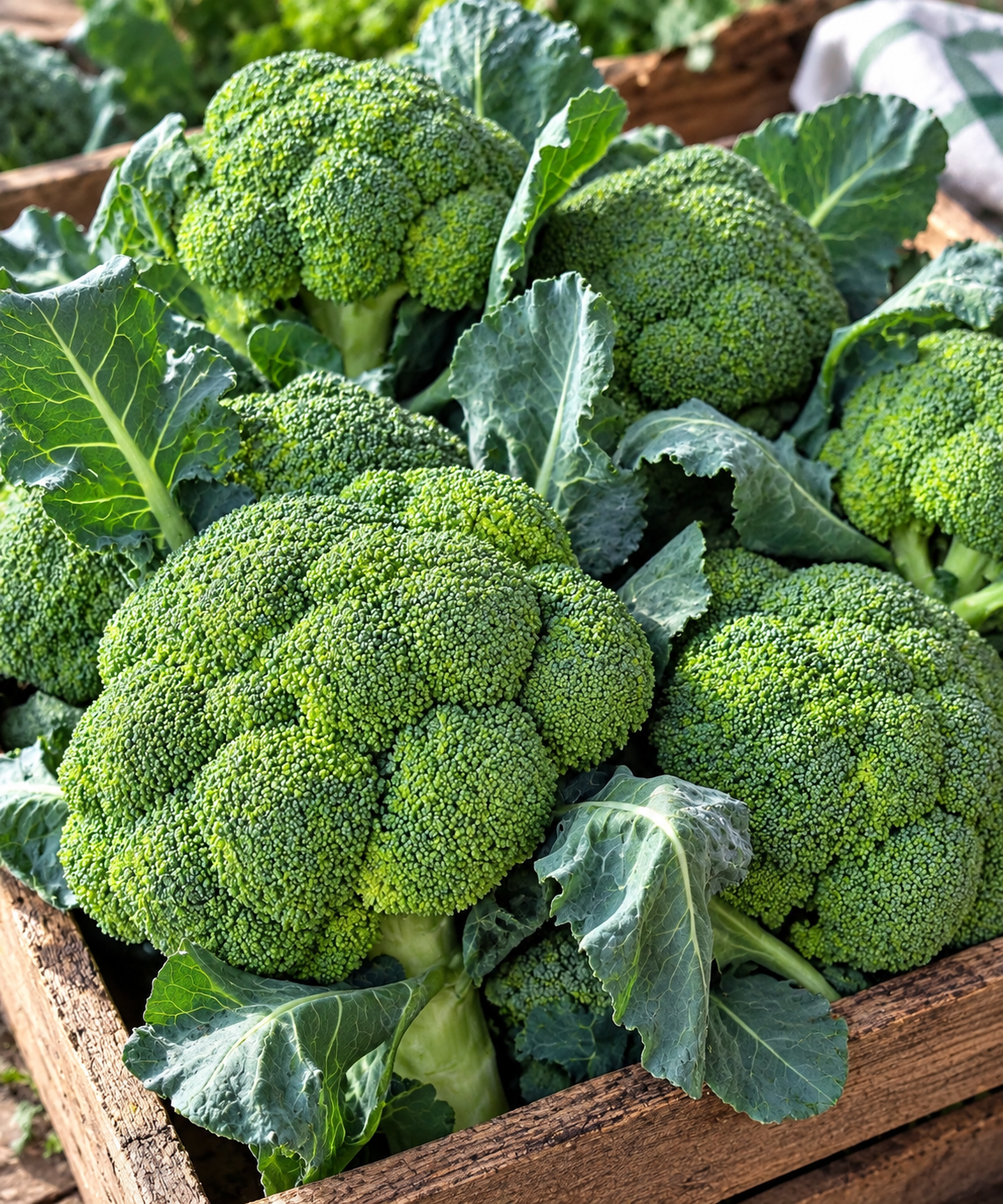
Doctors Reveal What Green Broccoli Really Does to Your Body by looking beyond dramatic health claims and focusing on what this familiar vegetable actually contains. Broccoli is rich in fiber, vitamin C, vitamin K, folate, potassium, and several naturally occurring plant compounds. It also belongs to the cruciferous vegetable family, alongside cauliflower, cabbage, kale, and Brussels sprouts.
That combination makes broccoli a nutrient-dense food that can support several parts of a healthy diet. However, broccoli does not cure disease or transform health overnight. Its value comes from regular consumption as part of a balanced eating pattern.
I started appreciating broccoli more once I stopped thinking of it as a plain side dish. For years, it was something I steamed quickly and ate because I knew vegetables were important. Eventually, I started roasting it, adding it to pasta, stirring it into soups, and serving it alongside beans or chicken. The difference surprised me. Broccoli became easier to enjoy, and I noticed how satisfying meals felt when they included a generous serving of vegetables. That experience made one thing clear: nutritious foods become much more useful when they are simple enough to eat regularly rather than only occasionally.
Broccoli also attracts attention because of compounds such as glucosinolates and sulforaphane. Researchers continue to study how these substances may interact with processes related to antioxidant defense, inflammation, and cellular health.
Why Broccoli Is Such a Nutrient-Dense Vegetable
Vitamins, Minerals, and Fiber Add Up Quickly
Broccoli provides an impressive amount of nutrition without contributing many calories.
Vitamin C stands out as one of its most familiar nutrients. The body uses vitamin C to support normal immune function, collagen production, wound healing, and antioxidant defenses.
Broccoli also provides vitamin K. This vitamin plays an important role in normal blood clotting and bone health.
Additionally, broccoli contains folate, which supports normal cell division and DNA production. Folate becomes particularly important during pregnancy because of its role in early fetal development.
Potassium contributes to normal nerve and muscle function while helping regulate fluid balance.
Broccoli also contains smaller amounts of calcium, iron, magnesium, and several B vitamins.
However, fiber may be one of its most useful everyday qualities.
Dietary fiber supports digestion and helps create a feeling of fullness after meals. Therefore, adding broccoli to lunch or dinner can make a meal feel more substantial without relying entirely on calorie-dense ingredients.
Fiber also helps support regular bowel movements and contributes to the health of gut bacteria.
Together, these nutrients explain why broccoli earns such a strong nutritional reputation.
Still, no vegetable supplies everything the body needs.
Broccoli works best when combined with other vegetables, fruits, whole grains, legumes, healthy fats, and appropriate protein sources.
Sulforaphane Makes Broccoli Especially Interesting
Broccoli contains glucosinolates, which are sulfur-containing plant compounds found in cruciferous vegetables.
When broccoli gets chopped, chewed, or otherwise damaged, natural enzymes help convert certain glucosinolates into biologically active compounds.
Sulforaphane receives much of the scientific attention.
Researchers have investigated sulforaphane because it may influence antioxidant and cellular defense pathways in the body.
Laboratory research has produced interesting findings. However, results from cells or animals do not automatically prove that eating broccoli prevents disease in humans.
Human health involves a much more complicated combination of genetics, lifestyle, environment, age, medications, and dietary patterns.
Still, broccoli’s plant compounds remain one reason scientists continue studying cruciferous vegetables.
Preparation may also influence these compounds.
Overcooking broccoli for a long time can reduce some heat-sensitive nutrients and alter enzyme activity. Therefore, methods such as steaming, roasting, or quick sautéing can help maintain both texture and nutritional value.
That does not mean raw broccoli always offers greater benefits.
Cooked broccoli still provides fiber, minerals, vitamins, and plant compounds.
More importantly, cooking can make the vegetable easier and more enjoyable for some people to eat.
The best preparation method is often the one that helps you include broccoli regularly.
How Broccoli May Support Heart and Metabolic Health
Fiber and Plant Compounds Can Support the Heart
Broccoli fits naturally into a heart-conscious eating pattern.
Its fiber contributes to that benefit.
Soluble fiber can interact with bile acids in the digestive tract and may help support healthy cholesterol levels when consumed regularly as part of an overall balanced diet.
Broccoli also contains potassium, which plays an important role in normal blood pressure regulation.
However, one serving of broccoli cannot erase the effects of an otherwise poor diet.
Heart health depends on the overall pattern.
A plate containing broccoli, whole grains, beans, fish, poultry, or other nutritious protein sources differs significantly from a meal dominated by heavily processed foods and large amounts of saturated fat.
Broccoli can improve that overall pattern by adding volume, fiber, vitamins, and plant compounds.
Its antioxidant compounds may also help the body’s normal defenses against oxidative stress.
Oxidative stress occurs when reactive molecules overwhelm protective systems in the body. Researchers continue to investigate how plant-rich diets may help maintain a healthier balance.
Still, it would be misleading to say broccoli directly prevents heart disease.
Instead, diets rich in vegetables generally align with many recommendations for cardiovascular health.
Broccoli offers an easy way to increase vegetable intake without adding much sodium, saturated fat, or refined carbohydrate.
Preparation matters, though.
Broccoli covered in large amounts of salty cheese sauce or deep-fried batter has a different nutritional profile from steamed or roasted broccoli.
The vegetable remains nutritious, but the full meal matters more than the ingredient alone.
Broccoli May Help Build More Balanced Blood Sugar-Friendly Meals
Broccoli contains relatively little digestible carbohydrate while providing fiber and water.
That combination makes it useful in meals designed to support steadier blood glucose levels.
Fiber slows digestion and can help reduce the speed at which carbohydrates from a meal enter the bloodstream.
Therefore, adding broccoli to a meal that also contains rice, potatoes, pasta, or bread may help create a more balanced plate.
Broccoli also adds bulk.
A larger portion of vegetables can make meals more satisfying without dramatically increasing carbohydrate intake.
This does not mean broccoli acts like diabetes medication.
Research continues to examine compounds in broccoli and their possible role in metabolic health, but no vegetable should replace prescribed treatment.
People with diabetes still need to consider total carbohydrate intake, medications, activity levels, and individual glucose responses.
However, broccoli can fit comfortably into many diabetes-friendly eating patterns.
For example, someone might fill half the plate with broccoli and other non-starchy vegetables, add a protein source, and include a moderate portion of whole grains or another carbohydrate.
That approach offers fiber and volume while keeping the meal balanced.
Importantly, broccoli does not need to replace every carbohydrate.
The goal is not extreme restriction.
Instead, combining vegetables with protein, fiber, healthy fats, and appropriate carbohydrate portions can help create meals that support steadier energy.
For many people, broccoli simply makes that balance easier.
What Broccoli Can Do for Digestion and Immune Function
Fiber Supports the Gut and Regular Digestion
Broccoli provides both fiber and water, which can support normal bowel function.
Fiber adds bulk to stool and helps food move through the digestive tract.
Certain fibers also feed bacteria living in the large intestine.
These microorganisms form part of the gut microbiome, which researchers continue to study because of its connection with digestion, metabolism, and immune function.
Eating a variety of plant foods usually supports a more diverse intake of fibers and plant compounds.
Therefore, broccoli works best as part of a broader mix that includes beans, whole grains, fruits, seeds, and other vegetables.
However, broccoli can also cause gas or bloating in some people.
That happens partly because gut bacteria ferment certain carbohydrates and fibers.
People who suddenly increase vegetable intake may notice more gas at first.
Cooking broccoli can sometimes make it easier to tolerate.
Smaller portions may also help.
For example, someone who experiences discomfort after eating a very large bowl of raw broccoli might tolerate a smaller serving of lightly steamed broccoli more easily.
People with specific digestive disorders may have different needs.
Someone with irritable bowel symptoms, for example, may need individualized advice about portion sizes and preparation.
That does not make broccoli unhealthy.
It simply shows that digestive tolerance differs from person to person.
Gradual changes often work better than suddenly eating huge amounts of high-fiber vegetables.
Vitamin C Helps Support Normal Immune Function
Broccoli provides vitamin C, an essential nutrient involved in immune function.
The body uses vitamin C in several processes involving immune cells and tissue maintenance.
Vitamin C also functions as an antioxidant and contributes to collagen production.
However, eating broccoli does not create an instant shield against colds, flu, or other infections.
The immune system depends on many factors.
Adequate sleep, vaccination when appropriate, physical activity, overall nutrition, stress management, age, and existing health conditions all contribute.
Still, getting enough vitamins and minerals helps the immune system function normally.
Broccoli can contribute to that intake.
The vegetable also provides other nutrients that support general health, including folate and vitamin A-related carotenoids.
Again, the advantage comes from the overall diet.
A meal containing broccoli, colorful vegetables, whole grains, legumes, and protein provides a wider range of nutrients than broccoli alone.
That broader variety matters because immune function relies on many nutrients rather than one specific vitamin.
Cooking method can influence vitamin C because the nutrient dissolves in water and can break down with extended heat.
Therefore, steaming or quick cooking may preserve more vitamin C than prolonged boiling.
However, cooked broccoli still remains nutritious.
If roasting broccoli makes you more likely to eat it, that practical benefit may matter more than chasing the maximum possible vitamin content from every bite.
How to Prepare Broccoli and Avoid Common Mistakes
Cooking Method Changes Texture, Flavor, and Nutrition
Broccoli can taste completely different depending on how you prepare it.
Steaming produces tender florets while maintaining a bright color and mild flavor.
Roasting creates browned edges and a deeper, slightly nutty taste.
Sautéing works well when you want broccoli to remain crisp.
You can also add it to soups, casseroles, pasta dishes, stir-fries, omelets, and grain bowls.
One common mistake involves overcooking.
Broccoli that spends too long boiling or steaming can become mushy, dull in color, and strongly flavored.
Instead, cook it until tender but still slightly firm.
Another mistake involves throwing away the stalk.
Broccoli stems are edible.
Peel away the tough outer layer, then slice the softer interior into thin pieces. You can roast, steam, or stir-fry them along with the florets.
Raw broccoli works well in salads and slaws, but not everyone enjoys its texture.
Light cooking can make the vegetable easier to chew and digest.
Frozen broccoli also offers a useful option.
It may lose some crispness compared with fresh broccoli, but it remains convenient and nutritious.
Because frozen vegetables keep for months, they can make it easier to add vegetables to meals without worrying about spoilage.
Ultimately, the best broccoli is the broccoli you actually enjoy enough to eat regularly.
Some People Need to Consider Medications and Digestive Tolerance
Broccoli works well for most people, but a few situations deserve extra attention.
Broccoli contains vitamin K.
People taking certain anticoagulant medications, particularly those whose effectiveness depends on consistent vitamin K intake, should not suddenly make major changes in how much broccoli they eat without discussing the change with their healthcare professional.
That does not necessarily mean they must avoid broccoli.
Consistency often matters more than complete avoidance.
People with digestive sensitivities may also need to adjust serving size.
Large portions of cruciferous vegetables can cause bloating or gas in some individuals.
Cooking the broccoli and starting with smaller portions may improve tolerance.
People with kidney disease may have individualized restrictions involving potassium or other nutrients.
Therefore, anyone following a medically prescribed diet should use guidance tailored to their condition.
Broccoli supplements and concentrated extracts create another consideration.
Researchers continue to study sulforaphane and other concentrated broccoli compounds, but supplements do not automatically provide the same experience as eating the whole vegetable.
Whole broccoli provides fiber, water, vitamins, minerals, and several plant compounds together.
Supplements may deliver a much more concentrated amount of specific substances.
For most people, ordinary broccoli remains the simpler choice.
Eating the vegetable as food also encourages balanced meals rather than focusing on one isolated compound.
Frequently Asked Questions
What happens if you eat broccoli every day?
Eating broccoli regularly can increase your intake of fiber, vitamin C, vitamin K, folate, potassium, and plant compounds. However, variety still matters. Eating different vegetables provides a broader range of nutrients than relying on broccoli alone.
Is raw broccoli healthier than cooked broccoli?
Not necessarily. Raw broccoli preserves some heat-sensitive nutrients and enzymes, while cooking can make the vegetable easier to digest and more enjoyable. Light steaming, roasting, or sautéing can still preserve substantial nutritional value.
Can broccoli help lower blood sugar?
Broccoli contains fiber and relatively little digestible carbohydrate, so it can help build meals that support steadier blood glucose. However, it does not replace diabetes medication or individualized medical care.
Does broccoli prevent cancer?
Broccoli contains compounds such as sulforaphane that researchers have studied extensively. However, eating broccoli does not guarantee cancer prevention. A vegetable-rich diet can support overall health, but cancer risk involves many genetic, environmental, and lifestyle factors.
Is it possible to eat too much broccoli?
Yes, although most people would need to eat very large amounts before experiencing significant problems. Excessive servings may cause gas or bloating. People taking certain medications or following special medical diets may also need individualized guidance.
Conclusion
Doctors Reveal What Green Broccoli Really Does to Your Body by showing that its benefits do not depend on dramatic promises.
Broccoli provides fiber, vitamin C, vitamin K, folate, potassium, and naturally occurring compounds such as glucosinolates and sulforaphane.
These nutrients can support digestion, normal immune function, heart-conscious eating, and balanced meals.
However, broccoli is not a cure for disease.
Its strongest benefits come from eating it regularly as part of a varied diet that also includes other vegetables, fruits, legumes, whole grains, healthy fats, and appropriate protein sources.
Preparation can make a major difference in how enjoyable broccoli becomes.
Steam it until just tender, roast it until the edges brown, stir-fry it, or add it to soups and pasta. Even the stalk can become part of the meal.
Most importantly, there is no need to treat broccoli like medicine.
It already offers plenty as an ordinary food.
That may be its greatest advantage. Broccoli is affordable, versatile, widely available, and easy to add to everyday meals. Those simple qualities make it much more useful for long-term health than any exaggerated claim ever could.
More Blog
- Drinking Water on an Empty Stomach — What Science Actually Supports (No Hype, Just Facts)
- Waking Up Between 3 and 5 AM? It Might Be Your Soul Trying to Talk to You
- What a “Bleach” Patch on Your Underwear Really Means — And Why It’s Actually a Good Sign
- This Drink May Weaken Your Bones From The Inside — But Everyone Drinks It Anyway