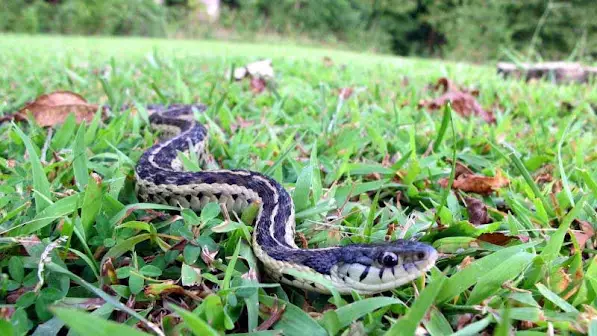
Snakes are an important part of the ecosystem. They help control rodents, insects, and other pests that can damage gardens and spread disease. Most snakes are harmless and prefer to avoid people whenever possible.
Still, many homeowners would rather not encounter a snake while gardening, relaxing on the patio, or playing with their children in the yard. The good news is that you can discourage snakes from visiting your property without harming them or using harsh chemicals.
By making your yard less attractive to snakes and the animals they prey upon, you can significantly reduce the chances of an unwanted encounter.
Here are eight simple and effective ways to keep snakes away from your yard.
1. Eliminate Their Food Sources
One of the biggest reasons snakes visit residential properties is the availability of food.
Many snake species feed on:
- Mice
- Rats
- Small birds
- Frogs
- Lizards
- Insects
If your yard attracts these creatures, it may also attract snakes.
To reduce food sources:
- Clean up fallen fruit from trees.
- Store pet food indoors.
- Keep trash containers tightly sealed.
- Use rodent-proof compost bins.
- Clean up spilled birdseed regularly.
When food becomes scarce, snakes are much more likely to move elsewhere.
2. Plant Natural Snake-Repelling Vegetation
While no plant can completely guarantee a snake-free yard, some plants may help discourage them.
Lemongrass is often recommended because it contains citronella, which produces a strong citrus scent.
Other commonly suggested plants include:
- Marigolds
- Garlic
- Onion
- Society garlic
- Wormwood
These plants can be placed around patios, walkways, and garden borders to create a less inviting environment.
As a bonus, many of them also help repel mosquitoes and other insects.
3. Remove Hiding Places
Snakes seek cool, protected areas where they can rest and remain hidden from predators.
Common hiding spots include:
- Wood piles
- Rock piles
- Leaf piles
- Tall grass
- Overgrown shrubs
- Garden debris
Regular yard maintenance can make a major difference.
Keep your lawn trimmed, remove clutter, and prune dense vegetation around structures.
The fewer hiding places available, the less attractive your yard becomes.
4. Seal Gaps and Entry Points
Snakes can squeeze through surprisingly small openings.
Inspect your property for:
- Foundation cracks
- Gaps beneath doors
- Open vents
- Damaged screens
- Holes around pipes and utility lines
Seal openings with:
- Caulk
- Weather stripping
- Hardware cloth
- Steel mesh
Preventing access to garages, sheds, crawl spaces, and homes is one of the most effective long-term solutions.
5. Use Natural Repellents Carefully
Many homeowners use natural deterrents around the perimeter of their property.
Common options include:
- White vinegar
- Clove oil
- Cinnamon oil
- Garlic-based sprays
Although scientific evidence supporting these remedies is limited, some people report success when using them as part of a broader snake-prevention strategy.
If you choose to use repellents:
- Reapply after heavy rain.
- Follow product directions carefully.
- Avoid applying concentrated oils where pets may come into contact with them.
Natural repellents tend to work best when combined with habitat modification.
6. Install Snake-Proof Fencing
For areas with frequent snake activity, specialized fencing can provide excellent protection.
Effective snake fencing typically:
- Uses mesh openings smaller than ¼ inch
- Extends at least 30 inches above ground
- Is buried several inches below the surface
- Angles outward at the top
This design prevents snakes from crawling underneath or climbing over.
Snake fencing is especially useful around:
- Vegetable gardens
- Children’s play areas
- Pet enclosures
- Backyard patios
7. Reduce Water Sources
Like all wildlife, snakes need access to water.
Your yard may attract snakes if it contains:
- Standing water
- Leaking hoses
- Overflowing bird baths
- Poor drainage areas
- Decorative ponds
To reduce attraction:
- Repair leaks promptly.
- Empty unused containers after rain.
- Change bird bath water frequently.
- Improve drainage where water collects.
Managing water sources can also help reduce insects and rodents that attract snakes in the first place.
8. Encourage Natural Predators
Nature already provides effective snake control.
Predators that may help reduce snake activity include:
- Hawks
- Owls
- Foxes
- Herons
- Certain larger mammals
You can encourage birds of prey by installing:
- Nesting boxes
- Tall perches
- Owl houses
A healthy ecosystem often keeps wildlife populations naturally balanced.
However, avoid relying on pets alone. Dogs and cats sometimes confront snakes, which can lead to injuries if a venomous species is involved.
What to Do If You Encounter a Snake
Even with preventive measures, you may occasionally encounter a snake.
If you see one:
- Stay calm.
- Keep a safe distance.
- Do not attempt to handle it.
- Allow it an escape route.
- Keep children and pets away.
Most snakes will leave on their own when given space.
If a snake enters your home or you suspect it may be venomous, contact a licensed wildlife removal professional for assistance.
Common Mistakes Homeowners Make
Many people unintentionally create ideal snake habitat without realizing it.
Avoid these common mistakes:
- Allowing grass to grow too tall
- Leaving wood piles directly on the ground
- Feeding wildlife
- Ignoring rodent infestations
- Storing clutter around sheds and garages
Small changes can have a significant impact on snake activity.
The Importance of Coexisting With Wildlife
While it’s understandable to want snakes away from your living space, it’s important to remember that they provide valuable ecological benefits.
Snakes help:
- Control rodent populations
- Reduce crop damage
- Limit disease-carrying pests
- Maintain ecological balance
The goal should not be to eliminate snakes but to encourage them to remain in natural areas rather than near homes and outdoor living spaces.
Final Thoughts
Keeping snakes away from your yard is largely a matter of making the environment less appealing. By removing food sources, reducing hiding places, controlling water, sealing entry points, and maintaining a tidy landscape, you can greatly reduce the chances of encountering snakes near your home.
Most importantly, choose humane, environmentally friendly methods that protect both your family and local wildlife.
With a little effort and regular maintenance, you can enjoy your yard with greater peace of mind while still respecting the important role snakes play in nature.
More Blog
- Drinking Water on an Empty Stomach — What Science Actually Supports (No Hype, Just Facts)
- Waking Up Between 3 and 5 AM? It Might Be Your Soul Trying to Talk to You
- What a “Bleach” Patch on Your Underwear Really Means — And Why It’s Actually a Good Sign
- This Drink May Weaken Your Bones From The Inside — But Everyone Drinks It Anyway