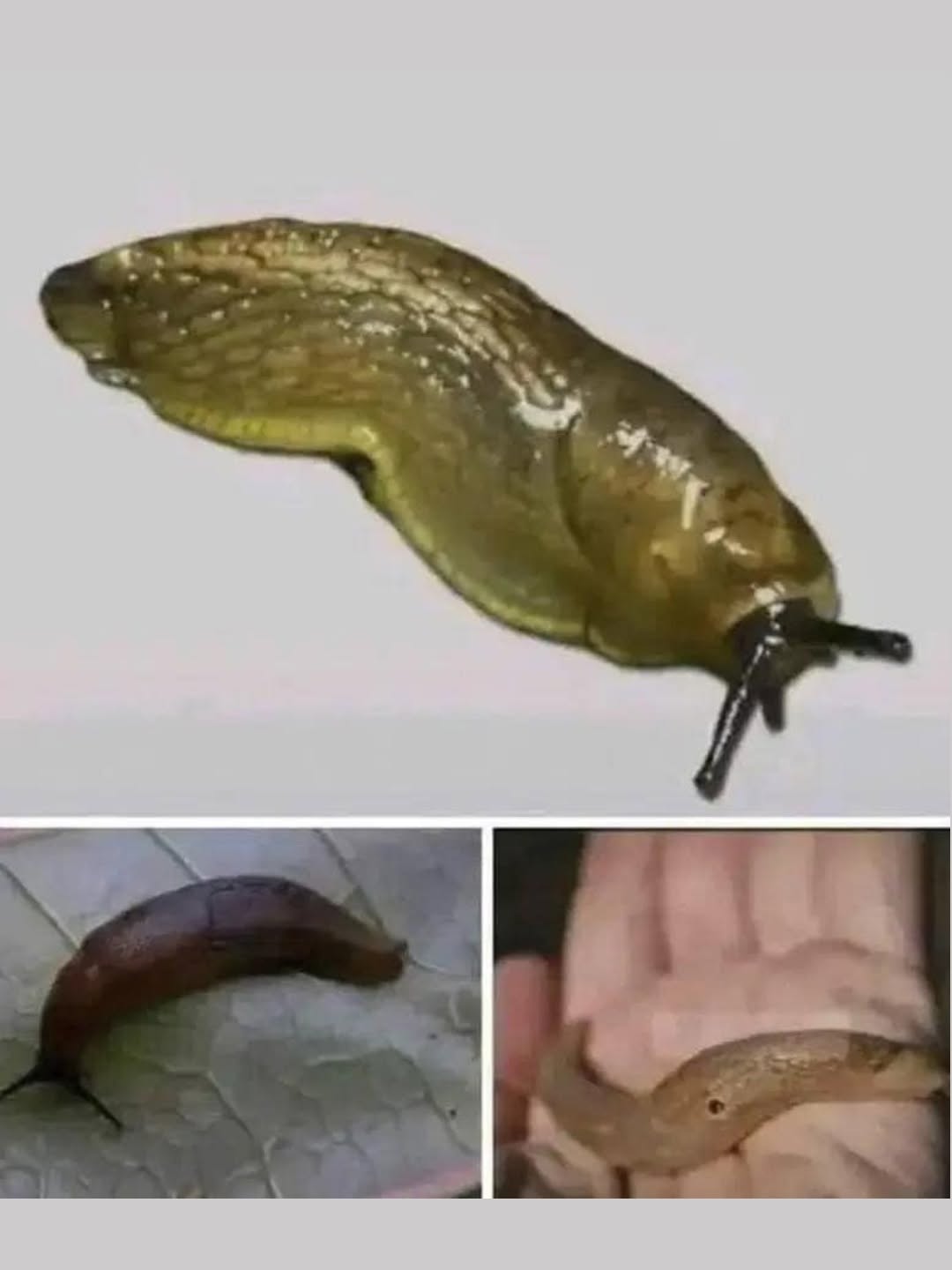
What It Really Means When a Slug Enters Your Home is usually much more practical than mysterious. A slug indoors often points to moisture, easy access, nearby vegetation, or a cool hiding place that feels safer than the outdoors. Although seeing one on a kitchen or bathroom floor can feel unpleasant, the visitor usually wandered inside while searching for damp conditions, food, or shelter.
Slugs thrive where moisture stays high. Therefore, bathrooms, utility rooms, basements, kitchens, door thresholds, and areas near potted plants can attract them. Rainy weather also increases activity because slugs move more easily across wet surfaces.
While some traditions attach symbolic meanings to slugs, the most useful interpretation focuses on the environment around your home. A recurring slug problem can signal excess moisture, small gaps around doors, poorly sealed pipes, or garden beds placed close to the foundation.
The first time I found a slug indoors, I noticed it late at night near the back door. At first, I assumed it had simply wandered in by chance. However, another appeared several evenings later. I checked the area more carefully and discovered damp soil beside the doorway, thick plants touching the wall, and a small gap beneath the weather stripping. After trimming the plants, improving drainage, and sealing the gap, the problem stopped. That experience changed how I looked at these unexpected visitors. Instead of seeing them only as pests, I started treating them as clues that something around the home might need attention.
Why Slugs Come Inside Your Home
Understanding What It Really Means When a Slug Enters Your Home starts with understanding slug behavior. Slugs depend heavily on moisture because their soft bodies lose water easily. Consequently, they avoid hot, dry conditions and become much more active during cool, damp periods.
A home can accidentally provide exactly what a slug wants. Moist floors, dripping pipes, condensation, potted plants, pet food, and organic debris may all create attractive conditions.
Moisture Is Usually the Main Attraction
Slugs need moisture to move comfortably and protect their bodies from drying out. Therefore, they often appear after rainfall, during humid weather, or in areas where water collects.
Bathrooms can attract slugs because showering creates humidity and condensation. Likewise, utility rooms may provide damp conditions around washing machines, drains, or plumbing.
Kitchens can also attract them when water collects beneath sinks or around appliances.
If you discover a slug indoors, check nearby surfaces for dampness. Look underneath sinks, around pipe connections, beside appliances, and near exterior doors.
You should also inspect walls and floors for condensation.
A single slug does not necessarily mean you have a serious moisture problem. However, repeated sightings deserve more attention.
For example, several slugs appearing in the same room can indicate a persistent damp area nearby.
Outside the house, clogged gutters, poor drainage, dripping outdoor faucets, or heavily watered garden beds may create ideal slug habitat right beside the foundation.
Once slugs gather near the house, they need only a small opening to enter.
Therefore, reducing unnecessary moisture remains one of the most effective ways to discourage them.
Tiny Entry Points Make Access Easy
Slugs can squeeze through surprisingly narrow gaps.
They may enter beneath exterior doors, through cracks around pipes, along damaged weather stripping, or through openings near vents and utility lines.
Sliding doors can create another entry route if the tracks remain damp or poorly sealed.
When exploring What It Really Means When a Slug Enters Your Home, entry points deserve as much attention as moisture.
Start by checking the area where you found the slug.
If it appeared near an exterior door, inspect the lower edge carefully. Look for daylight, torn weather stripping, or gaps along the threshold.
Next, check plumbing penetrations under sinks and around washing machines.
You should also inspect basement doors, garage entrances, crawlspace openings, and vents.
Because slugs often move at night, you may not see exactly where they enter. However, their silvery slime trails can sometimes reveal the route.
Follow the trail toward walls, doors, or cabinets.
Then clean the area and monitor it over the next few nights.
Once you identify likely access points, seal them with appropriate weather stripping, caulk, mesh, or repairs.
By blocking entry, you reduce the chance that outdoor slugs will become indoor visitors.
What Slugs Around the Home Can Tell You
What It Really Means When a Slug Enters Your Home can also involve the conditions surrounding your property.
Slugs usually do not travel indoors without a reason. Instead, their presence often connects to a nearby environment that supports them.
Dense vegetation, wet mulch, shaded soil, compost, decaying leaves, and ground-level hiding places can all increase slug activity around a house.
Your Garden May Be Creating Ideal Conditions
Gardens provide slugs with food, moisture, and shelter.
They commonly feed on tender leaves, seedlings, decaying plant matter, fungi, and other organic material.
Therefore, vegetable beds, flower beds, and container gardens can support large slug populations when conditions stay damp.
Mulch can contribute as well.
Although mulch helps conserve water and protect soil, thick layers can create cool hiding places underneath.
Likewise, boards, stones, pots, fallen leaves, and garden debris may trap moisture.
If your plants grow directly against the house, slugs can move from the garden to exterior walls and eventually find openings indoors.
Therefore, keep some separation between dense vegetation and the foundation when possible.
Trim low-growing plants that touch doors or siding.
You can also remove decaying leaves and unnecessary debris near entrances.
Watering habits matter too.
Morning watering allows surfaces to dry during the day. In contrast, evening watering can leave soil and patios damp throughout the night, when slugs become most active.
For that reason, changing watering times can sometimes reduce slug activity.
When considering What It Really Means When a Slug Enters Your Home, look beyond the room where you found it. The real cause may sit just outside the wall.
Slugs Also Play a Role in the Ecosystem
Although gardeners often view slugs as pests, they also contribute to natural ecosystems.
Many species feed on decomposing plant material, fungi, and organic debris. In doing so, they help break down material and return nutrients to the soil.
Slugs also serve as food for birds, amphibians, beetles, reptiles, and other wildlife.
Therefore, finding a slug does not automatically mean you should destroy every slug around the property.
A balanced approach works better.
Inside the home, remove the slug and correct the conditions that allowed it to enter. Outside, focus on reducing excessive numbers near vulnerable plants rather than eliminating every slug.
This approach allows the garden ecosystem to continue functioning while protecting your home.
You can also make the landscape less attractive near entrances.
For example, move boards, stones, and pots away from doorways.
Thin dense groundcover near the foundation.
Likewise, avoid leaving piles of wet leaves beside exterior walls.
These changes reduce shelter without disrupting the entire garden.
Understanding What It Really Means When a Slug Enters Your Home becomes easier when you remember that slugs follow environmental conditions rather than intentionally invading houses.
What to Do When You Find a Slug Indoors
Finding a slug indoors can feel unpleasant, but removal remains simple.
You do not need aggressive chemicals or extreme methods.
Instead, remove the slug, clean the slime trail, inspect the area, and correct the conditions that may have attracted it.
Remove the Slug Safely and Clean the Area
Use a piece of cardboard, folded paper towel, or disposable glove to lift the slug.
Then place it outside away from the immediate doorway.
If possible, move it to a shaded area with vegetation rather than leaving it on a hot, dry surface.
Avoid sprinkling salt directly on the slug.
Although salt kills slugs, it causes severe dehydration and also creates an unnecessary mess indoors.
After removal, clean the slime trail.
Slug mucus can remain visible after the animal leaves. Warm soapy water usually works well on hard surfaces.
For tile or sealed flooring, wipe the area thoroughly with a damp cloth.
Then dry the surface completely.
If the slug crossed carpet or fabric, blot rather than rub at first. Afterward, use a suitable fabric or carpet cleaner.
You should also wash your hands after handling slugs or cleaning their trails.
Most importantly, avoid touching your mouth or eating immediately after handling one.
Although casual contact usually causes no problem, wild slugs can carry microorganisms or parasites from the environment.
Therefore, normal hygiene provides a sensible precaution.
Once the area is clean, inspect nearby walls, doors, and plumbing.
A single removal solves the immediate problem. However, preventing the next slug requires finding the reason it entered.
Reduce Moisture and Seal Gaps
After discovering What It Really Means When a Slug Enters Your Home, focus on prevention.
Start with moisture.
Repair dripping faucets and leaking pipes.
Dry wet floors promptly.
Improve ventilation in bathrooms, laundry rooms, and basements.
If humidity remains high, a dehumidifier may help.
Next, examine exterior doors.
Replace worn weather stripping and repair damaged thresholds.
Use exterior-grade sealant around small cracks where pipes, cables, or utility lines pass through walls.
However, never block required ventilation openings.
Instead, use appropriate screening where necessary.
You should also inspect the outside environment.
Move damp planters away from doorways.
Clear fallen leaves and garden debris from the foundation.
Trim vegetation that touches the siding.
Check gutter downspouts and drainage so water moves away from the house.
If slugs repeatedly enter from one specific location, observe that area after dark.
You may discover several slugs moving along the same damp route.
In that case, correcting the moisture and access problem usually produces better long-term results than repeatedly removing individual slugs.
Symbolism, Myths, and Practical Meaning
Some people look for symbolic meaning when unusual animals enter the home.
Across folklore and modern spiritual traditions, slugs sometimes represent patience, vulnerability, persistence, adaptability, or the need to slow down.
These ideas can feel meaningful on a personal level. However, they differ from the practical biological reasons that bring slugs indoors.
Symbolic Interpretations Can Be Personal
A slug moves slowly and carries no protective shell.
Because of those traits, some people interpret it as a symbol of patience, sensitivity, or quiet persistence.
Others connect slugs with transformation because they move close to the earth and emerge during damp conditions.
You may also encounter interpretations suggesting that a slug indoors represents emotional sensitivity, hidden concerns, or the need to move through life more deliberately.
These meanings belong to cultural or personal symbolism rather than biology.
Therefore, you can appreciate them without treating them as factual predictions.
What It Really Means When a Slug Enters Your Home in practical terms remains straightforward: the animal likely found moisture, food, shelter, or an open route indoors.
Still, symbolic interpretations can provide an interesting way to reflect on an unusual encounter.
For example, someone might see a slow-moving slug as a reminder to stop rushing.
Another person may simply view it as evidence that the back door needs better weather stripping.
Both perspectives can exist, as long as the symbolic explanation does not replace practical inspection.
If slugs keep appearing, investigate the environment rather than assuming a supernatural cause.
Common Slug Myths Worth Clearing Up
One common belief suggests that a slug indoors means the house is dirty.
That assumption is not necessarily true.
A very clean house can still attract a slug if moisture and an entry point exist.
Another misconception suggests that one slug means a large indoor infestation.
Usually, slugs prefer outdoor environments. Therefore, a single indoor visitor often wandered inside accidentally.
However, repeated sightings may indicate favorable conditions nearby.
Some people also assume that slugs appear only because food sits exposed.
While slugs may feed on plant matter, pet food, or organic residue, moisture often matters more than food.
Another myth claims that salt provides the best solution.
Salt can kill slugs, but it does not solve the moisture or entry problem.
Additionally, excessive salt can damage soil and plants outdoors.
Therefore, prevention offers a more effective approach.
When you understand What It Really Means When a Slug Enters Your Home, the situation becomes less mysterious.
Instead of reacting only to the slug itself, focus on the conditions that made your home accessible.
Frequently Asked Questions
Why do slugs come into houses at night?
Slugs become more active when temperatures cool and humidity rises. Nighttime often provides ideal conditions because surfaces stay cooler and moisture evaporates more slowly. Therefore, slugs may move through small gaps around doors, pipes, or foundations while searching for damp shelter or food.
Does finding a slug indoors mean I have a moisture problem?
Not always. A single slug may simply wander through an open doorway. However, repeated sightings can indicate damp conditions, condensation, leaking plumbing, wet soil near the foundation, or poor drainage. Inspect the surrounding area if the problem continues.
Should I use salt on a slug inside my home?
You do not need to. Instead, lift the slug with cardboard, paper, or a glove and move it outside. Then clean the slime trail and inspect the area for moisture or gaps. Prevention provides a better long-term solution.
Are house slugs dangerous?
Slugs generally do not attack people or damage household structures. However, wild slugs can pick up microorganisms and parasites from their environment. Therefore, avoid handling them with bare hands when possible, wash your hands afterward, and keep children and pets from eating them.
How can I stop slugs from coming inside?
Reduce damp conditions, repair leaks, improve ventilation, replace damaged weather stripping, seal small exterior gaps, clear wet debris from foundations, trim plants near doors, and improve drainage. These changes remove the conditions that attract slugs and block common entry routes.
Conclusion
What It Really Means When a Slug Enters Your Home usually comes down to three things: moisture, access, and nearby habitat.
A slug that appears on your floor likely followed damp conditions from the garden, slipped beneath a door, or found an opening around pipes or walls.
Although the sight may feel unpleasant, it can provide a useful clue.
Check for dripping pipes, condensation, wet floors, damaged weather stripping, dense vegetation, and damp garden debris.
Then remove the slug gently, clean its trail, and correct any conditions that might encourage another visit.
Remember that slugs also play useful roles outdoors. They help break down organic material and support wildlife food chains.
Therefore, you do not need to treat every outdoor slug as an enemy.
Instead, focus on keeping them out of the house and away from especially vulnerable plants.
Symbolic interpretations can add another layer of interest. Some traditions associate slugs with patience, sensitivity, and persistence.
However, those meanings remain personal rather than scientific.
In practical terms, What It Really Means When a Slug Enters Your Home is usually that your property has offered a damp route or comfortable hiding place.
Once you understand that pattern, the solution becomes straightforward.
Reduce moisture, block entry points, tidy damp areas around the foundation, and monitor the problem.
That simple approach protects your home while allowing the small visitor to remain where it belongs: outdoors.
More Blog
- Drinking Water on an Empty Stomach — What Science Actually Supports (No Hype, Just Facts)
- Waking Up Between 3 and 5 AM? It Might Be Your Soul Trying to Talk to You
- What a “Bleach” Patch on Your Underwear Really Means — And Why It’s Actually a Good Sign
- This Drink May Weaken Your Bones From The Inside — But Everyone Drinks It Anyway