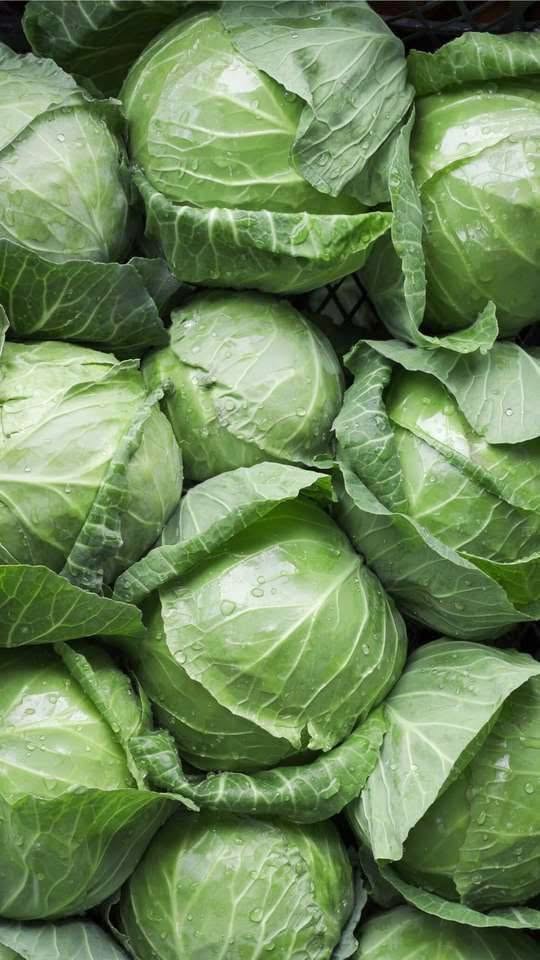
Cabbage isn’t usually the vegetable that gets people excited.
It doesn’t have the trendy reputation of kale, the premium price tag of some “superfoods,” or the colorful marketing surrounding exotic powders and supplements.
But nutritionally, cabbage has a lot going for it.
It’s inexpensive, versatile, relatively low in calories, and provides fiber, vitamin C, vitamin K, folate, and a variety of naturally occurring plant compounds.
So what actually happens when cabbage becomes a regular part of your diet?
Here are seven evidence-based reasons this humble vegetable deserves more attention—plus an easy way to make it taste delicious.
1. Cabbage Is Packed With Nutrients
Cabbage provides substantial nutrition for relatively few calories.
Depending on the variety, it can contribute:
- Vitamin C
- Vitamin K
- Folate
- Fiber
- Vitamin B6
- Potassium
- Manganese
- Naturally occurring antioxidants
Red cabbage also contains anthocyanins, pigments responsible for its deep purple-red color.
Rather than thinking of cabbage as a miracle food, consider it something more useful: an affordable vegetable that can help increase the overall nutrient density of your meals.
2. It’s Good for Your Digestive System
Cabbage contains dietary fiber.
Fiber helps support normal bowel function and contributes to digestive health. Some components of plant foods can also be used by beneficial microorganisms living in the gut.
Eating a variety of fiber-rich foods—including vegetables, fruits, whole grains, legumes, nuts, and seeds—is generally more useful than relying on one supposedly magical “gut-health” ingredient.
Cabbage simply makes an excellent addition to that variety.
3. It Provides Plenty of Vitamin C
Oranges get most of the attention, but vegetables can also be excellent sources of vitamin C.
Cabbage—particularly certain varieties—contributes vitamin C to the diet.
Vitamin C performs several important functions in the body. It supports normal immune function, helps produce collagen, acts as an antioxidant, and helps the body absorb iron from plant foods.
Cooking can reduce some vitamin C because the vitamin is sensitive to heat and water.
That doesn’t make cooked cabbage unhealthy. It simply means enjoying cabbage prepared in different ways can provide variety.
4. Cabbage Contains Vitamin K
Cabbage, particularly green cabbage, can provide vitamin K.
Vitamin K plays an important role in normal blood clotting and bone metabolism.
However, there’s an important consideration.
People taking certain anticoagulant medications may be advised to maintain a consistent intake of vitamin-K-rich foods.
That doesn’t necessarily mean avoiding cabbage. Instead, follow the dietary instructions provided by your healthcare professional.
5. Cruciferous Vegetables Contain Interesting Plant Compounds
Cabbage belongs to the cruciferous vegetable family alongside foods such as:
- Broccoli
- Brussels sprouts
- Cauliflower
- Kale
- Bok choy
These vegetables contain compounds called glucosinolates.
Scientists have studied cruciferous vegetables extensively because of their bioactive compounds and their potential relationship with long-term health.
However, it’s important not to turn this into exaggerated claims that cabbage “prevents” or “cures” diseases.
Nutrition works as part of an overall dietary pattern, not through one magical vegetable.
6. Red Cabbage Provides Anthocyanins
If you want even more variety, try red or purple cabbage.
Its striking color comes partly from anthocyanins, a family of antioxidant plant pigments also found in foods such as berries.
Antioxidants help protect cells from oxidative processes, but that doesn’t mean eating one antioxidant-rich food will suddenly “detox” your body or reverse aging.
The human body already has sophisticated systems—including the liver and kidneys—that process and eliminate many waste products.
Cabbage can support a nutritious diet without needing a “detox” label.
7. It Can Help Make Meals More Filling
Because cabbage contains fiber and has a high water content, it can add substantial volume to meals without adding a large number of calories.
That’s useful whether you’re making:
- Soups
- Stir-fries
- Salads
- Slaws
- Tacos
- Grain bowls
- Roasted vegetables
Instead of treating cabbage as a side dish you have to eat, use it as an ingredient that adds crunch, texture, color, and volume.
An Easy Garlic-Ginger Sautéed Cabbage
If your memories of cabbage involve a pot of limp, overcooked leaves, this recipe may change your mind.
The secret is simple:
Don’t overcook it.
You want the cabbage tender but still slightly crisp.
Ingredients
- ½ medium green or red cabbage, thinly sliced
- 1–2 tablespoons olive oil
- 2–3 garlic cloves, minced
- 1 teaspoon freshly grated ginger
- 1 tablespoon fresh lemon juice or vinegar
- Salt and black pepper, to taste
- Pinch of red pepper flakes, optional
Step 1: Prepare the Cabbage
Remove damaged outer leaves.
Cut the cabbage into quarters, remove the tough core, and slice the leaves into thin strips.
Wash appropriately and drain thoroughly.
Step 2: Heat the Pan
Place a large skillet over medium heat and add the olive oil.
Add the garlic and ginger and cook briefly until fragrant, taking care not to burn the garlic.
Step 3: Add the Cabbage
Add the sliced cabbage and toss everything together.
Cook for several minutes, stirring occasionally.
You’re looking for cabbage that’s softened but retains some bite rather than becoming completely limp.
Step 4: Add Some Acidity
Once the cabbage reaches your preferred texture, add lemon juice or vinegar.
The acidity brightens the flavor and balances the natural sweetness that develops as the cabbage cooks.
Season with salt and pepper.
Add red pepper flakes if you like a little heat.
Step 5: Serve Immediately
Serve the cabbage warm alongside your preferred protein, grains, beans, potatoes, or other vegetables.
You can also use leftovers in wraps, rice bowls, or sandwiches.
Does Cooking Destroy Cabbage’s Nutrients?
Cooking changes the nutritional composition of vegetables, but “cooked equals unhealthy” is far too simplistic.
Some heat-sensitive nutrients may decrease during prolonged cooking, particularly when vegetables are boiled in lots of water.
At the same time, cooking can make vegetables easier and more enjoyable to eat and changes the availability of certain compounds.
Instead of worrying about finding one perfect preparation method, enjoy vegetables in multiple forms.
Try cabbage:
Raw in slaws and salads.
Lightly sautéed for a tender-crisp texture.
Roasted for caramelized edges.
Fermented in foods such as sauerkraut or kimchi.
What About Fermented Cabbage?
Fermented cabbage deserves its own mention.
Traditionally fermented sauerkraut and kimchi can contain live microorganisms when they’re produced and stored in ways that preserve them.
However, not every store-bought product contains live cultures. Some products are heat-treated.
Fermented cabbage can also contain substantial sodium, so portions and overall dietary needs matter.
Can You Eat Cabbage Every Day?
For most healthy people, cabbage can comfortably be included regularly as part of a varied diet.
But there’s no nutritional requirement to eat it every single day.
Different vegetables provide different combinations of nutrients and plant compounds, so variety remains important.
Rotate cabbage with broccoli, carrots, leafy greens, peppers, tomatoes, squash, legumes, and other plant foods.
Can Cabbage Cause Gas?
Yes, for some people.
Cabbage contains fiber and fermentable carbohydrates that gut bacteria can break down, sometimes producing gas.
If you’re not accustomed to eating much fiber, suddenly consuming a huge bowl of cabbage may cause discomfort.
Increasing fiber gradually and drinking adequate fluids can help some people adjust.
The Bottom Line
Cabbage doesn’t need dramatic claims about “detoxing,” reversing aging, or transforming your health overnight to be impressive.
It’s already an excellent food.
It’s affordable, nutrient-dense, fiber-rich, versatile, and easy to incorporate into everyday meals.
Green cabbage provides crunch and versatility. Red cabbage adds beautiful color and anthocyanins. Fermented cabbage offers an entirely different flavor and texture.
And if you’ve spent years believing cabbage is boring, try sautéing it quickly with garlic, ginger, olive oil, and a splash of lemon.
Sometimes the vegetables with the least glamorous reputation are the ones most worth rediscovering.
More Blog
- Drinking Water on an Empty Stomach — What Science Actually Supports (No Hype, Just Facts)
- Waking Up Between 3 and 5 AM? It Might Be Your Soul Trying to Talk to You
- What a “Bleach” Patch on Your Underwear Really Means — And Why It’s Actually a Good Sign
- This Drink May Weaken Your Bones From The Inside — But Everyone Drinks It Anyway