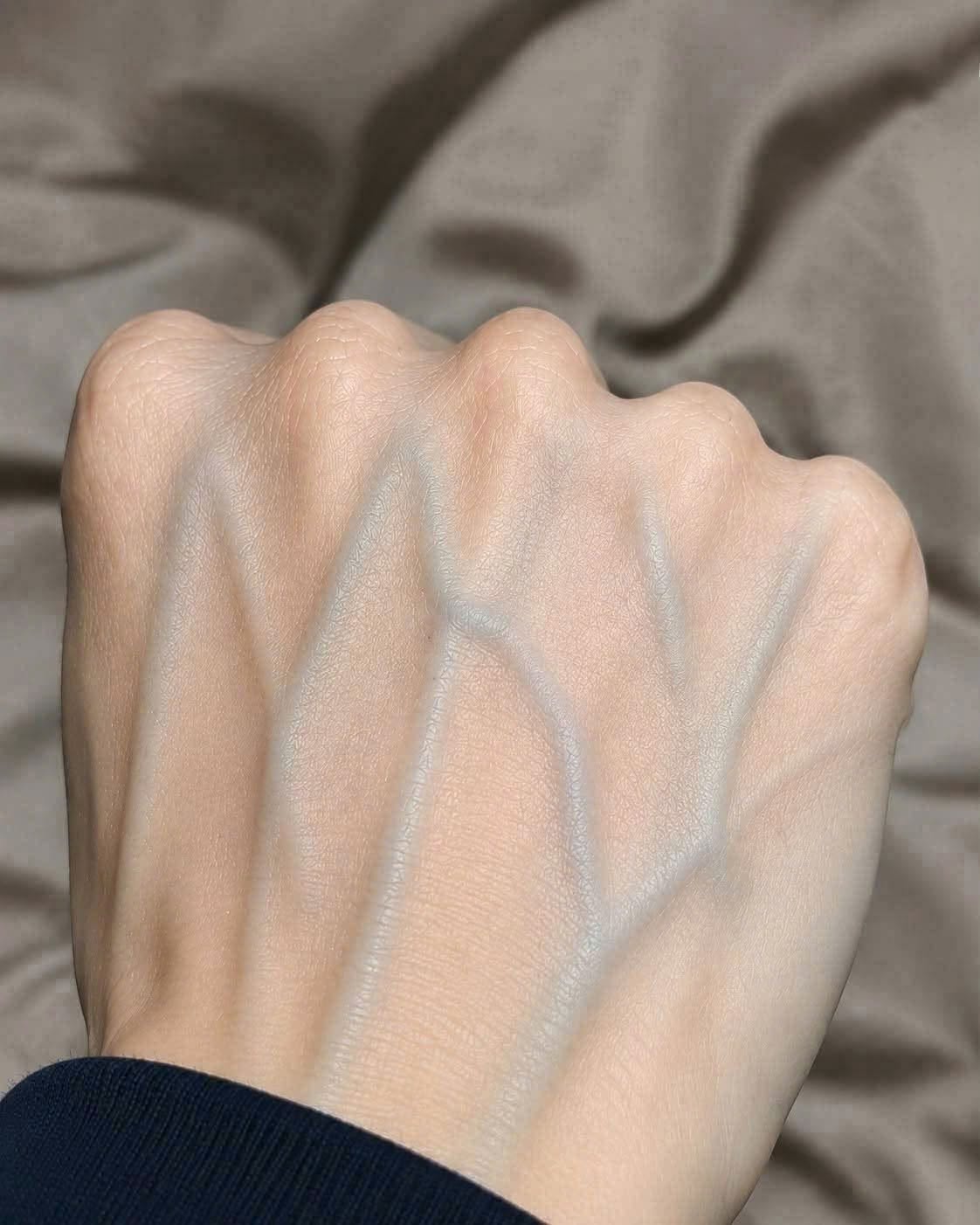
Noticing that the veins on your hands suddenly look larger, darker, or more prominent can be surprising. For many people, however, visible hand veins are simply a normal feature of the body and not a sign of disease.
Veins naturally become more noticeable depending on age, genetics, body composition, temperature, exercise, and even the position of your hands. What matters most is whether their appearance has changed suddenly or whether other symptoms are present.
Why Are the Veins in Your Hands So Visible?
The backs of the hands contain a network of superficial veins located relatively close to the skin. Because there isn’t much tissue separating these veins from the surface, they can easily become noticeable.
Several completely normal factors can make them stand out even more.
1. Natural Aging
Aging is one of the most common explanations.
Over time, skin generally becomes thinner and loses some collagen and elasticity. The layer of fat beneath the skin can also decrease.
With less tissue covering the blood vessels, veins that were always present may suddenly appear much more prominent.
This is particularly noticeable on the hands because they naturally contain relatively little subcutaneous fat.
2. Genetics
Some people simply have more visible veins than others.
Skin thickness, vein size, skin tone, and the amount of tissue covering the veins are partly influenced by genetics.
If prominent veins run in your family, seeing them on your own hands may simply represent your normal anatomy.
3. Exercise
Have you ever noticed your veins becoming much larger during or immediately after exercise?
Working muscles require increased blood flow. Exercise also causes physiological changes that can make superficial veins temporarily appear larger and more noticeable.
Weightlifting can make this particularly obvious.
For most healthy people, veins becoming temporarily prominent during exercise is completely normal.
4. Hot Weather
Heat causes blood vessels near the skin to widen as your body attempts to release excess heat.
Consequently, hand and arm veins may become much more visible on a hot summer day or after spending time somewhere warm.
Once your body cools down, they may become less noticeable again.
5. Low Body Fat
The less tissue there is between a vein and the skin, the easier that vein is to see.
People with naturally low levels of body fat—including many athletes—often have particularly prominent veins on their hands, forearms, and other parts of the body.
This does not automatically indicate a circulation problem.
6. Your Hand Position
Gravity can dramatically change the appearance of hand veins.
Hold your hands below heart level for a while and the veins may become fuller as blood collects within them.
Raise your hands above your heart and you may notice the veins become considerably flatter.
This simple change is normal physiology.
7. Recent Weight Loss
Losing a significant amount of body fat can expose veins that were previously hidden beneath more tissue.
If prominent veins appeared gradually following weight loss, the change may therefore have a straightforward explanation.
Do Visible Hand Veins Mean You Have Poor Circulation?
Usually, no.
Prominent veins alone aren’t a reliable indicator of poor circulation, blocked arteries, heart disease, or high blood pressure.
Healthy people can have extremely visible veins.
Circulation problems generally produce additional symptoms rather than simply making otherwise normal veins easier to see.
What About Dehydration?
Dehydration is sometimes blamed for prominent veins online, but vein visibility by itself isn’t a reliable way of determining hydration status.
More useful signs of dehydration can include thirst, dry mouth, darker urine, reduced urination, dizziness, or unusual fatigue.
If you’re concerned about hydration, look at the overall picture rather than your hand veins alone.
When Visible Veins May Need Medical Attention
The important distinction is between visible veins that look normal and painless and a vein accompanied by new symptoms.
Seek medical evaluation if a vein suddenly becomes:
- Painful or unusually tender
- Red or noticeably warm
- Hard or cord-like
- Significantly swollen
- Associated with swelling of the hand or arm
- Accompanied by unexplained skin discoloration
These symptoms can have several causes, including inflammation or problems involving a vein, and should not be diagnosed from appearance alone.
A suddenly swollen arm accompanied by chest pain, shortness of breath, fainting, or coughing up blood requires urgent medical attention.
Can Prominent Hand Veins Be Varicose Veins?
Varicose veins occur when veins become enlarged and twisted, typically because valves inside them aren’t functioning effectively.
They’re much more common in the legs because the leg veins constantly work against gravity.
Bulging veins can occur in the hands, but prominent hand veins are not automatically varicose veins. A healthcare professional can distinguish normal superficial veins from a venous problem when necessary.
Can You Make Hand Veins Less Visible?
If the veins are healthy, there’s generally no medical reason to treat them.
Their appearance may naturally fluctuate with temperature, exercise, hydration, and hand position.
People concerned primarily about appearance can discuss cosmetic options with a qualified dermatologist or vascular specialist. Procedures involving veins should always be performed after confirming that the veins can safely be treated.
The Bottom Line
Visible veins on your hands are usually normal.
Aging, genetics, thin skin, low body fat, exercise, warm temperatures, weight loss, and simple changes in hand position can all make veins appear dramatically more prominent.
The veins themselves are rarely the most important clue. A sudden change accompanied by pain, redness, warmth, hardness, significant swelling, or other unusual symptoms is what deserves medical attention.
If your veins have simply become more noticeable while remaining soft, painless, and otherwise unchanged, they are most likely just another visible part of your normal anatomy.
More Blog
- Drinking Water on an Empty Stomach — What Science Actually Supports (No Hype, Just Facts)
- Waking Up Between 3 and 5 AM? It Might Be Your Soul Trying to Talk to You
- What a “Bleach” Patch on Your Underwear Really Means — And Why It’s Actually a Good Sign
- This Drink May Weaken Your Bones From The Inside — But Everyone Drinks It Anyway