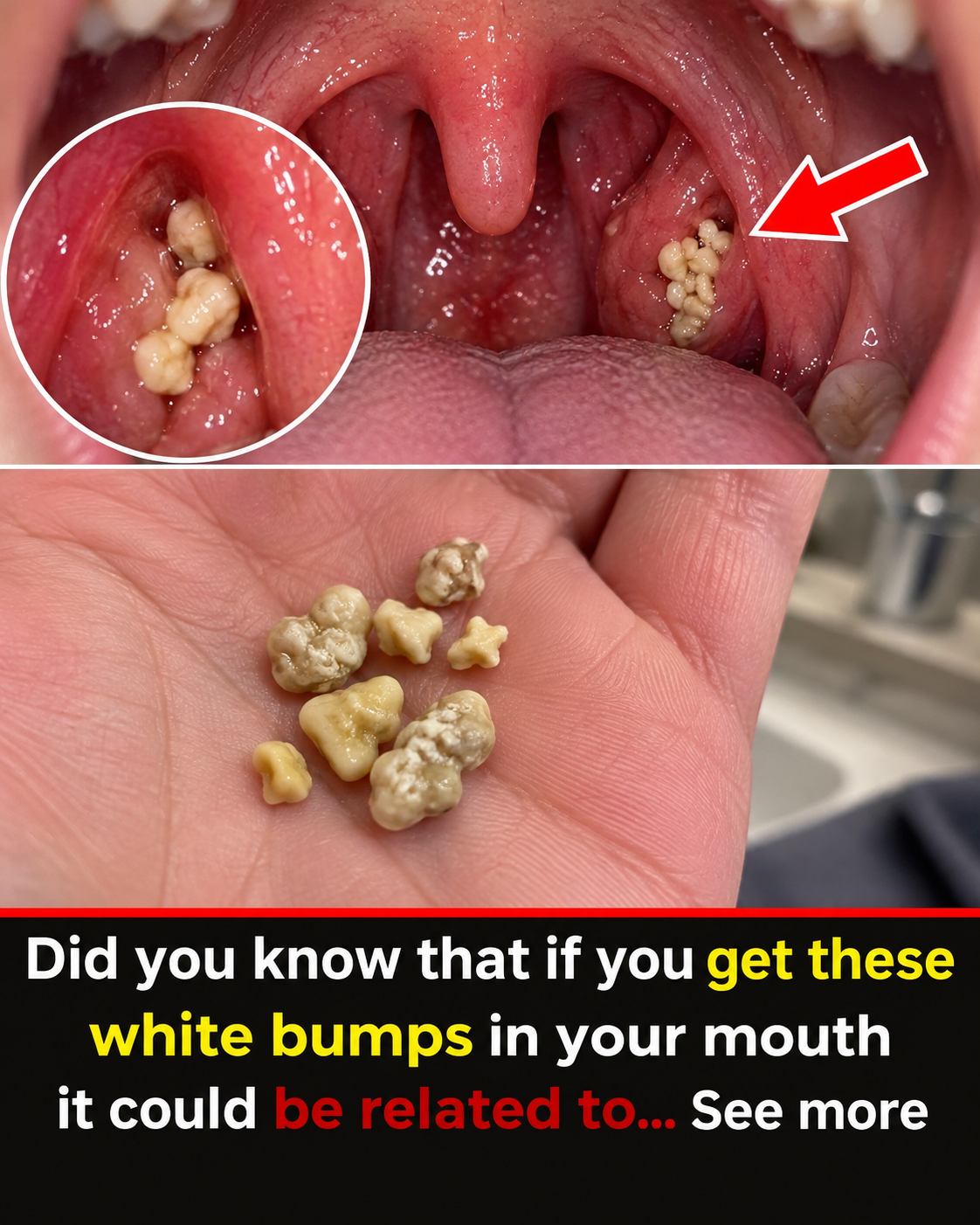
You cough, clear your throat, and suddenly notice a tiny white or yellow lump in your mouth. Maybe it smells unpleasant. Perhaps you have dealt with persistent bad breath even though you brush, floss, and use mouthwash regularly. These frustrating little deposits may be tonsil stones.
Tonsil stones, medically called tonsilloliths, form inside the natural folds and crevices of your tonsils. They contain trapped debris, bacteria, dead cells, and minerals such as calcium. Although they can look alarming and sometimes smell terrible, they usually do not cause serious health problems. Cleveland Clinic describes them as small lumps of hardened material that develop within the tonsils’ nooks and crannies.
The first time I saw one, the appearance caused more concern than the symptoms themselves. A tiny pale lump sitting at the back of the throat can immediately make you wonder whether you have an infection or something more serious. However, learning how tonsil stones form makes them much less mysterious. Instead of treating every white spot as an emergency, you can watch your symptoms, use gentle care, and know when a healthcare professional should take a look.
Most importantly, tonsil stones do not automatically mean you have poor oral hygiene. Some people simply have deeper tonsil crypts that trap material more easily. While you cannot always prevent them forever, you can often reduce how frequently they appear and manage bothersome stones safely.
What Tonsil Stones Are and Why They Form
How Tonsil Stones Develop
Your tonsils contain small pits, folds, and channels called tonsillar crypts. These structures can collect food particles, mucus, dead cells, bacteria, and other debris. Over time, minerals can harden some of this trapped material and create tonsil stones.
The deposits often appear white, cream, or yellow. Some remain tiny enough that you never notice them, while others grow large enough to become visible when you look at the back of your throat. Cleveland Clinic notes that people may have one stone or several at the same time.
Because bacteria and organic material contribute to the deposits, tonsil stones can produce a strong odor. That explains why persistent bad breath ranks among their most recognizable symptoms. They can also cause a bad taste, a mild sore throat, coughing, difficulty swallowing, ear discomfort, or the sensation that something remains stuck in your throat.
Why Some People Get Them Repeatedly
Anatomy plays a major role. People with deeper or enlarged tonsillar crypts give debris more places to collect. Cleveland Clinic also notes that frequent tonsil infections can enlarge these crypts and increase the likelihood of recurrent stones.
Dehydration may also contribute because saliva normally helps wash material through the mouth and throat. Staying hydrated supports normal saliva production, although drinking more water cannot guarantee that stones will disappear permanently. Similarly, good oral hygiene can reduce bacteria and leftover debris without changing the underlying shape of your tonsils.
Therefore, recurring tonsil stones do not necessarily mean you have failed to clean your mouth properly. Someone can brush twice daily, floss carefully, clean the tongue, and still develop them. Your tonsil anatomy may simply make you more susceptible.
Symptoms, Bad Breath, and Signs That Need Attention
Common Symptoms of Tonsil Stones
Many tonsil stones cause no symptoms at all. You may discover one while looking at your throat, during a dental examination, or after coughing one out unexpectedly. When symptoms occur, bad breath frequently causes the most frustration.
The unpleasant smell comes partly from bacteria and trapped organic material. Cleveland Clinic lists bad breath, bad taste, sore throat, cough, earache, difficulty swallowing, and a foreign-body sensation among possible symptoms. Because other conditions can cause those same symptoms, however, their presence does not prove that stones are responsible.
For example, dental problems, gum disease, dry mouth, and several other conditions can cause persistent bad breath. Cleveland Clinic identifies poor oral hygiene, dry mouth, gum disease, and tonsil stones among potential causes of halitosis. If bad breath continues despite good oral care, a dentist or healthcare provider can help determine what is causing it.
When It Might Be More Than a Tonsil Stone
A small white lump in a tonsil does not always equal a tonsil stone. Tonsillitis and other throat infections can also create white patches, redness, pain, swelling, and difficulty swallowing. Therefore, consider your entire symptom pattern rather than relying only on appearance.
Seek medical guidance when you develop significant fever, worsening throat pain, pronounced swelling, difficulty swallowing liquids, or symptoms that continue instead of improving. Breathing difficulty requires urgent medical attention. NHS clinical guidance identifies a sore throat with respiratory difficulty as a reason for emergency hospital assessment.
You should also contact a healthcare professional when tonsil stones grow unusually large, repeatedly cause pain, bleed, become difficult to distinguish from another throat problem, or keep returning despite reasonable self-care. A clinician can examine the area directly and determine whether stones, infection, enlarged tonsils, or another condition explains your symptoms.
How to Remove Tonsil Stones Safely
Start With the Gentlest Methods
If a stone does not bother you, you may not need to remove it at all. Many tonsil stones eventually loosen and come out naturally. Cleveland Clinic notes that stones can fall out on their own and that warm saltwater gargling may help.
Gargling provides one of the simplest approaches. Mix warm water with salt, gargle gently near the back of your throat, and spit the solution out. Gargling can help loosen debris while avoiding direct scraping of delicate tonsil tissue. Staying well hydrated may also help keep your mouth and throat moist.
Coughing sometimes dislodges a loose stone naturally. However, avoid repeatedly forcing harsh coughing if it irritates your throat. The goal should remain gentle removal rather than getting a tonsil stone out at any cost.
What to Avoid When Removing Tonsil Stones
Social media videos often make manual tonsil stone removal look simple and satisfying. Unfortunately, the tonsils contain delicate tissue that can bleed or become irritated when you scrape, poke, squeeze, or repeatedly manipulate them. NHS Somerset specifically notes that repeated manual removal can itself cause inflammation and pain.
Never use sharp objects such as pins, needles, metal picks, fingernails, knives, or improvised scraping tools. You could injure tissue, cause bleeding, introduce infection, or push material deeper into a crypt. You should also avoid high-pressure water streams directed into the tonsils because excessive force can damage the tissue.
Some medical sources describe very gentle cotton-swab pressure or low-pressure irrigation as possible self-care options. However, stop immediately if removal causes pain, gagging, bleeding, or significant resistance. If a stone sits deeply, keeps returning, or will not come out easily, let a healthcare professional handle it rather than escalating your efforts.
Preventing Tonsil Stones and Managing Recurrence
Daily Habits That May Reduce New Stones
No home routine can promise that tonsil stones will never return, especially when deep tonsillar crypts provide natural spaces for debris to collect. Still, a consistent oral-care routine can reduce some of the material that contributes to stone formation.
Brush your teeth regularly, floss between them, and clean your tongue. Cleveland Clinic also recommends regular oral hygiene, saltwater gargling, hydration, and avoiding smoking as ways to reduce the likelihood of recurring tonsil stones. Drinking enough water also helps prevent dry mouth and supports the natural rinsing action of saliva.
You may find it useful to gargle after meals when stones repeatedly trouble you. However, avoid assuming that a particular food causes stones unless you notice a consistent personal pattern. Claims that dairy or another specific food universally creates tonsil stones lack strong evidence, so drastic food restrictions usually make little sense without another medical reason.
When an ENT Specialist May Help
Recurring tonsil stones can become more than a minor inconvenience. Persistent bad breath, repeated discomfort, difficulty swallowing, or stones that repeatedly return may justify a discussion with an ear, nose, and throat specialist.
A clinician can often remove troublesome stones during an office visit. Cleveland Clinic notes that professional removal can help when home measures fail. This approach also avoids repeated aggressive manipulation at home.
Some people ask whether tonsil removal offers a permanent answer. A tonsillectomy removes the tonsils themselves, so stones cannot continue forming inside those tonsils afterward. However, tonsillectomy involves surgery, anesthesia, recovery, pain, and potential complications, so doctors generally do not treat it as a casual solution for occasional stones. One NHS clinical policy, for example, states that tonsillectomy does not routinely serve as treatment for tonsilloliths alone and suggests outpatient removal when appropriate after self-care fails.
Frequently Asked Questions
What do tonsil stones smell like?
Tonsil stones can produce a strong, unpleasant smell because they contain bacteria and trapped organic material. Bad breath ranks among their most commonly reported symptoms. However, persistent bad breath can have several causes, including gum disease and dry mouth, so do not assume that every case of halitosis comes from the tonsils.
Can tonsil stones fall out by themselves?
Yes. Tonsil stones frequently loosen and fall out without treatment. You might cough one out or swallow one without realizing it. Cleveland Clinic states that swallowing a tonsil stone generally does not cause harm. Warm saltwater gargling may also encourage loose stones to dislodge naturally.
Are tonsil stones contagious?
No. Tonsil stones themselves do not spread from one person to another. Cleveland Clinic specifically notes that they are not contagious. However, an infection such as viral or bacterial tonsillitis can sometimes spread between people, so symptoms such as fever and significant sore throat deserve separate consideration.
Can I permanently stop tonsil stones from forming?
You cannot always prevent tonsil stones while keeping the tonsils in place because the natural crypts can continue trapping material. Good oral hygiene, hydration, tongue cleaning, saltwater gargling, and avoiding smoking may reduce recurrence. People with persistent, troublesome stones can discuss additional options with an ENT specialist.
Should I see a doctor for tonsil stones?
You usually do not need medical treatment for small stones that cause no significant problems. However, contact a healthcare professional when stones repeatedly return, cause substantial discomfort, interfere with swallowing, resist gentle self-care, or become difficult to distinguish from another throat condition. Seek urgent help for breathing difficulty or severe throat swelling rather than assuming a visible white spot is simply a stone.
Conclusion
Tonsil stones may look strange and smell unpleasant, but they usually represent trapped material that has hardened inside the natural crypts of your tonsils. Many people experience no symptoms, while others notice bad breath, a bad taste, mild throat discomfort, coughing, or the sensation of something stuck in the throat.
You can often manage mild tonsil stones with simple measures such as warm saltwater gargling, good dental hygiene, tongue cleaning, and adequate hydration. Most importantly, resist the temptation to attack stubborn stones with sharp tools or aggressive squeezing. The tonsil tissue can bleed and become inflamed, and repeated manual removal can create more irritation than the stone itself.
Preventing tonsil stones forever is not always realistic because you cannot change the natural shape of your tonsil crypts with brushing or gargling. However, reducing their frequency and controlling their symptoms often remains achievable. If they repeatedly interfere with your comfort, breath, or swallowing, a healthcare professional or ENT specialist can assess your tonsils and discuss safer long-term options.
The most useful approach combines good oral care with reasonable expectations. Treat troublesome tonsil stones gently, pay attention to symptoms that suggest something more than a stone, and seek professional care when the problem becomes persistent or severe.
More Blog
- Drinking Water on an Empty Stomach — What Science Actually Supports (No Hype, Just Facts)
- Waking Up Between 3 and 5 AM? It Might Be Your Soul Trying to Talk to You
- What a “Bleach” Patch on Your Underwear Really Means — And Why It’s Actually a Good Sign
- This Drink May Weaken Your Bones From The Inside — But Everyone Drinks It Anyway