These 10 Symptoms Could Be Your Body’s Way of Signaling Fatty Liver Problems is an important topic because fatty liver disease can develop without obvious warning signs. Many people feel completely well, especially during the early stages. When symptoms do appear, they can also resemble those caused by many other health conditions.
Fatty liver disease involves an abnormal buildup of fat in liver cells. Today, healthcare professionals often use the term metabolic dysfunction-associated steatotic liver disease (MASLD) for the common form associated with metabolic risk factors. Alcohol can also contribute to liver fat and liver damage.
Because symptoms alone cannot diagnose fatty liver disease, recognizing possible changes should serve as a reason to seek medical advice rather than a reason to assume you have the condition.
I once heard someone describe liver problems as something you would immediately feel, and that assumption stuck with me. Later, I learned why that idea can be misleading. The liver can develop significant changes while producing few noticeable symptoms. Even more confusingly, tiredness, abdominal discomfort, and appetite changes can have dozens of explanations. That changed the way I think about physical warning signs. Rather than trying to diagnose a condition from one symptom, it makes more sense to notice persistent changes, consider them together, and discuss anything unusual with a healthcare professional.
Why Fatty Liver Problems Can Be Easy to Miss
Fat can accumulate without obvious symptoms
Your liver performs hundreds of essential functions. Among other jobs, it processes nutrients, produces bile, stores energy, makes important proteins, and helps your body handle various substances.
Fat can accumulate inside liver cells when metabolic processes become disrupted. In many people, this buildup causes few or no symptoms at first. Consequently, fatty liver disease may come to light during blood tests or imaging performed for another reason.
Several factors can increase the likelihood of metabolic fatty liver disease. These include obesity, particularly excess abdominal fat, type 2 diabetes, insulin resistance, abnormal cholesterol or triglyceride levels, and other metabolic conditions.
However, risk does not equal diagnosis. Likewise, having none of these obvious factors does not guarantee that someone has a healthy liver.
Alcohol represents another important consideration. Regular or heavy alcohol consumption can cause fatty changes and more serious liver injury. Therefore, healthcare professionals consider drinking patterns alongside metabolic factors when evaluating liver health.
Most importantly, a person cannot reliably determine how much liver fat or damage they have based on how they feel.
Why symptoms require proper evaluation
These 10 Symptoms Could Be Your Body’s Way of Signaling Fatty Liver Problems should never become a self-diagnosis checklist.
For example, fatigue can result from poor sleep, anemia, infections, thyroid disorders, medications, stress, and many other causes. Similarly, abdominal discomfort can arise from digestive problems, muscle strain, gallbladder conditions, and numerous other issues.
Therefore, doctors combine your medical history with an examination and appropriate testing.
Blood tests may measure liver enzymes and other markers. However, normal liver enzyme results do not necessarily rule out fatty liver disease. Depending on the circumstances, a healthcare professional may also recommend ultrasound or another imaging method.
Doctors may use additional tests or calculations to estimate whether liver fibrosis, or scarring, has developed. In selected cases, specialists may recommend further assessment.
This distinction matters because simple fat accumulation and advanced liver disease do not carry the same risks.
Instead of concentrating on one symptom, pay attention to persistent or unexplained changes. Additionally, tell your healthcare professional about medications, supplements, alcohol use, existing medical conditions, and relevant family history.
10 Symptoms That May Occur With Fatty Liver Problems
Early and nonspecific changes
1. Persistent fatigue. Feeling unusually tired can occur with liver disease. However, fatigue remains extremely nonspecific. If tiredness persists despite adequate sleep and rest, a healthcare professional can help investigate possible causes.
2. Discomfort in the upper-right abdomen. The liver sits primarily in the upper-right portion of the abdomen. Some people with fatty liver disease report vague discomfort or a sensation of fullness in this area. Nevertheless, many other conditions can cause similar discomfort.
3. Reduced appetite. Changes in appetite can occur as liver problems progress. Still, temporary appetite loss commonly accompanies infections, stress, medications, and digestive conditions.
4. Unexplained weight loss. Early metabolic fatty liver disease often occurs alongside overweight or obesity rather than unexplained weight loss. However, unintended weight loss can occur with more advanced illness and many unrelated medical conditions. Therefore, significant weight loss without an obvious explanation deserves medical attention.
5. Weakness or reduced energy. General weakness can accompany fatigue. You may notice that everyday activities feel more demanding than usual. Again, weakness alone cannot identify liver disease.
Because these first five symptoms have many possible explanations, persistence matters. A single tired afternoon or brief episode of abdominal discomfort does not establish a liver problem.
Signs that can accompany more advanced disease
6. Nausea. Persistent nausea can occur with liver problems, although gastrointestinal illnesses, medications, pregnancy, migraines, and many other conditions can also cause it.
7. Abdominal swelling. Advanced liver disease can lead to fluid accumulation in the abdomen, known as ascites. A noticeably enlarging or swollen abdomen requires medical assessment, particularly when it develops with other symptoms.
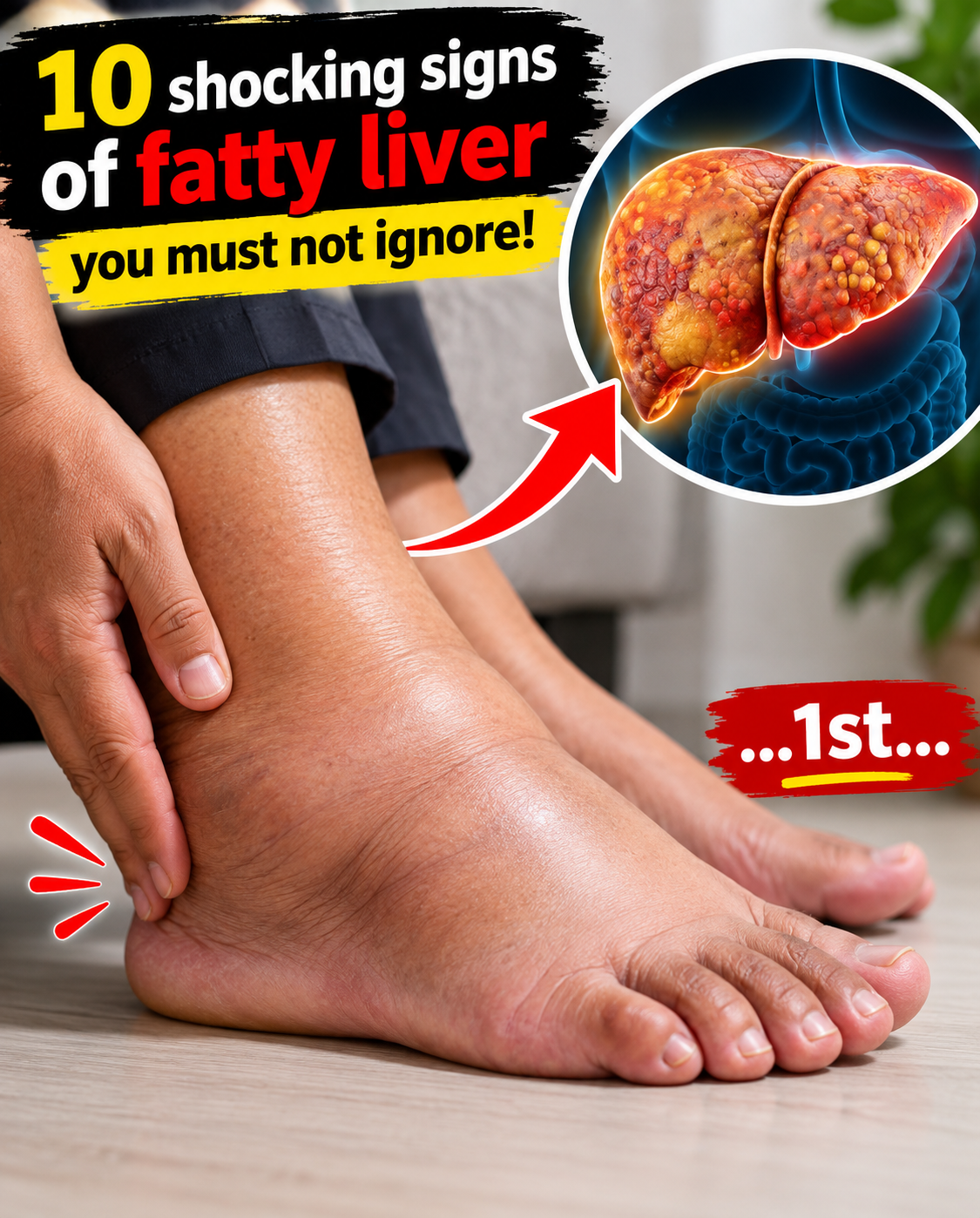
8. Swelling in the legs or ankles. More advanced liver dysfunction can contribute to fluid retention. As a result, swelling may develop in the lower legs, feet, or ankles. However, heart, kidney, vascular, and medication-related problems can also cause swelling.
9. Yellowing of the skin or eyes. Jaundice occurs when bilirubin accumulates in the body. Yellowing of the whites of the eyes or skin requires prompt medical evaluation because several potentially serious liver, gallbladder, blood, and pancreatic conditions can cause it.
10. Itchy skin. Persistent itching can occur in certain liver and bile-duct disorders. However, dry skin, allergies, dermatological conditions, medications, and many other problems cause itching far more commonly.
These symptoms do not necessarily appear in a predictable order. Furthermore, advanced liver disease can produce additional changes that do not appear on this list.
Therefore, seek professional assessment rather than waiting for multiple symptoms to develop.
Risk Factors and Warning Signs You Should Know
Metabolic health plays an important role
Fatty liver problems often connect closely with overall metabolic health.
For example, people with type 2 diabetes face an increased likelihood of metabolic fatty liver disease. Insulin resistance can encourage abnormal fat storage and influence how the liver processes energy.
Excess body weight can also increase risk, particularly when fat accumulates around the abdomen. Additionally, high triglycerides, abnormal cholesterol levels, high blood pressure, and related metabolic problems frequently overlap.
However, body size alone cannot determine liver health. People across different weight ranges can develop fatty liver disease. Therefore, medical assessment should focus on the complete health picture rather than appearance.
Alcohol intake also matters. Be accurate when discussing drinking habits with a healthcare professional because the amount and pattern of alcohol consumption can affect diagnosis and treatment recommendations.
Certain medications and less common medical conditions may contribute to liver fat or liver injury as well. Consequently, tell your healthcare professional about prescription medicines, over-the-counter products, vitamins, and supplements you take.
Never stop a prescribed medication simply because you suspect it might affect your liver. Instead, discuss your concerns with the clinician who manages your treatment.
Know when symptoms require urgent care
Some symptoms deserve faster attention than ordinary fatigue or occasional digestive discomfort.
Seek prompt medical care if you develop new jaundice, significant abdominal swelling, confusion, unusual drowsiness, or persistent vomiting. Likewise, vomiting blood or passing black, tar-like stools can signal gastrointestinal bleeding and requires urgent evaluation.
Severe abdominal pain also deserves appropriate medical attention.
These signs do not automatically mean fatty liver disease caused the problem. In fact, several other serious conditions can produce them. That uncertainty makes professional assessment even more important.
For less urgent concerns, consider making a medical appointment when unexplained symptoms continue, recur frequently, or interfere with normal activities.
A clinician can review your metabolic risk factors and determine whether liver testing makes sense.
Importantly, do not wait for obvious symptoms if you already have significant risk factors. Because fatty liver disease often remains silent, appropriate screening or risk assessment may identify problems before symptoms develop.
Early identification also gives you more opportunity to address contributing factors and reduce the risk of progression.
How to Support Your Liver and Lower Your Risk
Focus on sustainable everyday habits
Lifestyle changes can play an important role in managing metabolic fatty liver disease, particularly when they improve overall metabolic health.
If you have excess weight, gradual and sustainable weight reduction may reduce liver fat. However, you do not need extreme diets, detox programs, or fasting regimens.
Instead, build meals around nutrient-dense foods. Vegetables, fruits, whole grains, legumes, nuts, seeds, fish, and other minimally processed foods can form part of a balanced eating pattern.
Additionally, limit excessive amounts of added sugar and highly processed foods. Sugar-sweetened beverages can add substantial calories without providing much nutritional value, so replacing them with water or other unsweetened drinks may help.
Regular physical activity can also improve metabolic health. Choose activities that fit your abilities and medical circumstances. Walking, cycling, swimming, resistance exercises, and similar activities can all contribute.
If you have health limitations or have been inactive for a long time, discuss a new exercise program with an appropriate healthcare professional.
Most importantly, aim for consistency. Sustainable habits generally provide more value than short-lived extreme changes.
Skip liver cleanses and work with your doctor
Products marketed as liver cleanses can sound appealing, especially when someone worries about liver fat. However, supplements and detox products do not offer a shortcut around proper diagnosis and evidence-based treatment.
Some supplements can even injure the liver. Therefore, discuss herbal products and dietary supplements with a healthcare professional, particularly if you already have abnormal liver tests or known liver disease.
Instead, concentrate on factors you can address safely.
Manage diabetes, cholesterol, triglycerides, and blood pressure according to your healthcare plan. Additionally, discuss alcohol consumption with your clinician. Recommendations may differ depending on your diagnosis and overall health.
If testing confirms fatty liver disease, ask whether you need assessment for fibrosis. The amount of scarring often matters when healthcare professionals estimate the risk of future complications.
Follow-up may include blood tests, imaging, lifestyle changes, treatment of related metabolic conditions, or specialist care.
Finally, remember that discovering fatty liver disease does not mean severe liver damage has already occurred. Many people learn about it before reaching advanced disease.
Taking the condition seriously while avoiding unnecessary panic gives you a much better foundation for making informed health decisions.
Frequently Asked Questions
Can you have fatty liver disease without symptoms?
Yes. Fatty liver disease frequently causes no noticeable symptoms, particularly during earlier stages. A healthcare professional may first suspect it because of blood-test results, imaging, or metabolic risk factors.
What does fatty liver discomfort feel like?
Some people report vague discomfort, pressure, or fullness in the upper-right abdomen. However, that sensation cannot confirm fatty liver disease because many other conditions can cause pain or discomfort in the same area.
Can fatty liver disease be reversed?
Liver fat can decrease, particularly when people address contributing metabolic factors and make appropriate lifestyle changes. However, the outlook depends partly on whether inflammation, fibrosis, or cirrhosis has developed. A healthcare professional can evaluate your individual situation.
Does yellow skin mean I have fatty liver disease?
No. Jaundice has several possible causes and does not specifically identify fatty liver disease. However, new yellowing of the skin or whites of the eyes requires prompt medical evaluation.
How do doctors check for fatty liver problems?
Doctors may consider medical history, physical examination, blood tests, and imaging. They can also use noninvasive assessments to estimate liver fibrosis. Some people need additional testing or evaluation by a liver specialist.
Conclusion
These 10 Symptoms Could Be Your Body’s Way of Signaling Fatty Liver Problems can help you recognize changes worth discussing with a healthcare professional, but symptoms cannot diagnose the condition.
Fatigue, weakness, abdominal discomfort, appetite changes, nausea, and itching all have many possible explanations. Meanwhile, jaundice, abdominal swelling, and leg swelling can occur with more advanced liver problems and deserve appropriate medical evaluation.
Perhaps the most important fact is that fatty liver disease may produce no symptoms at all. Therefore, people with metabolic risk factors should not depend on physical warning signs alone.
If you notice persistent unexplained symptoms, discuss them with a healthcare professional. Seek prompt medical attention for concerning changes such as jaundice, significant abdominal swelling, confusion, severe pain, vomiting blood, or black stools.
Meanwhile, sustainable nutrition, regular physical activity, appropriate weight management, responsible alcohol decisions, and proper management of metabolic conditions can support liver and overall health.
More Blog
- Drinking Water on an Empty Stomach — What Science Actually Supports (No Hype, Just Facts)
- Waking Up Between 3 and 5 AM? It Might Be Your Soul Trying to Talk to You
- What a “Bleach” Patch on Your Underwear Really Means — And Why It’s Actually a Good Sign
- This Drink May Weaken Your Bones From The Inside — But Everyone Drinks It Anyway