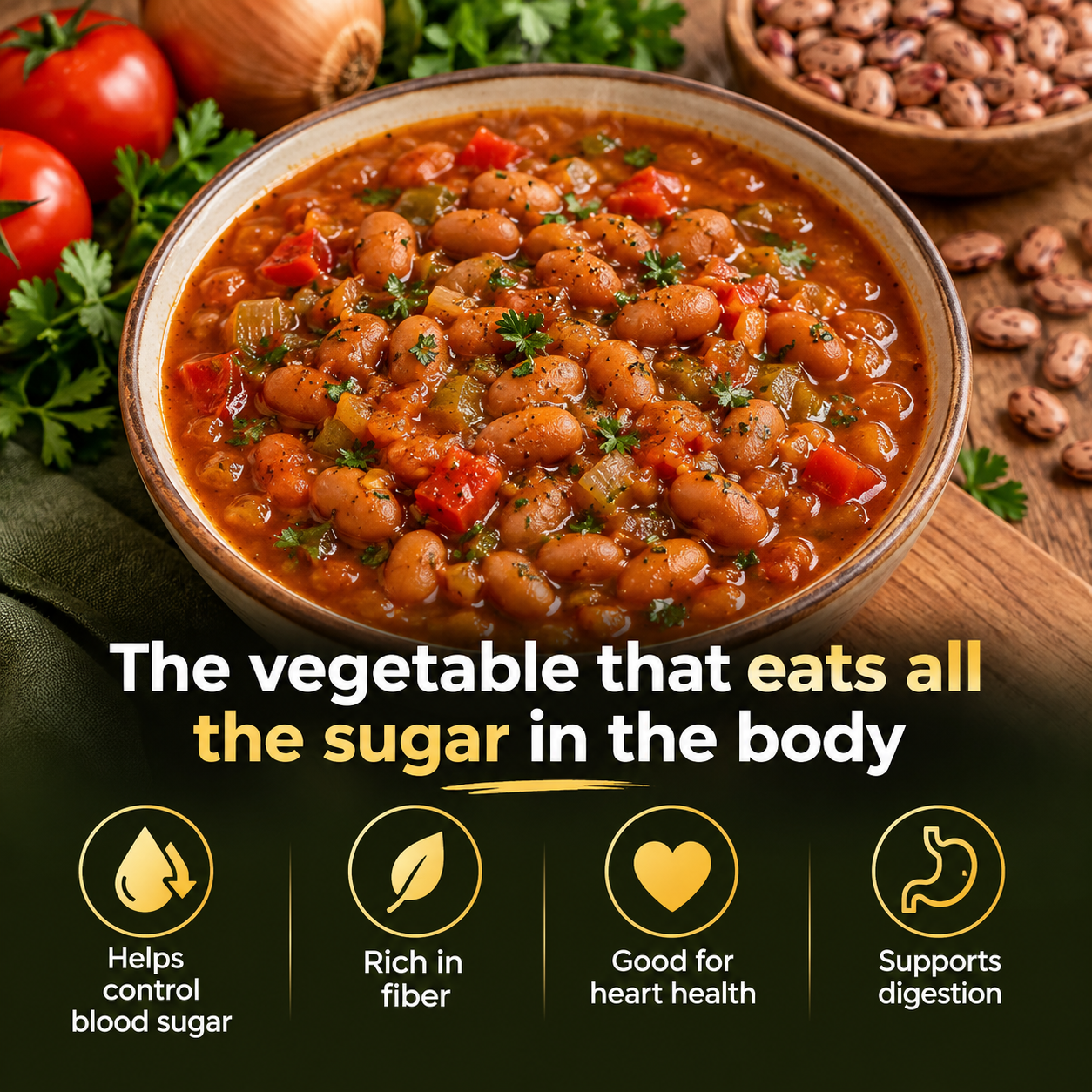
The Vegetable That Helps Reduce Sugar in the Body is often described as a powerful food for people who want steadier blood sugar levels. Beans deserve much of that attention because they combine fiber, plant protein, complex carbohydrates, vitamins, and minerals in one affordable food.
Unlike highly refined carbohydrates, beans digest more slowly. As a result, they tend to produce a gentler rise in blood glucose when eaten in reasonable portions. That does not make beans a treatment for diabetes, and they cannot replace medication or medical advice. However, they can play a valuable role in a balanced eating pattern.
I started paying more attention to beans after noticing how different meals affected hunger during the day. A lunch built around white bread or another refined carbohydrate often left me searching for a snack surprisingly soon. In contrast, meals that included beans felt much more satisfying. Adding black beans to a salad or chickpeas to a vegetable bowl did not require a complicated diet change, either. The meals simply felt more complete. That experience made it easier to understand why nutrition professionals often recommend fiber-rich legumes for people who want better-balanced meals and more stable energy.
Beans also offer something important that many trendy foods do not: practicality. They are inexpensive, easy to store, and available in dried, frozen, and canned forms. Therefore, people can use them regularly without completely changing how they cook.
Why Beans Can Help Support Steadier Blood Sugar
Fiber Slows the Digestion of Carbohydrates
One of the most important qualities of beans comes from their fiber content.
Fiber is a type of carbohydrate that the body does not digest in the same way as sugars and starches. Therefore, fiber can slow digestion and influence how quickly carbohydrates from a meal reach the bloodstream as glucose.
Beans contain both soluble and insoluble fiber. Soluble fiber forms a gel-like substance during digestion. Consequently, it may help slow the movement of food through the digestive system.
This slower process can make the rise in blood sugar after a meal more gradual.
That matters because foods that digest extremely quickly can cause blood glucose to rise rapidly. Refined breads, sugary drinks, sweets, and some heavily processed foods can deliver carbohydrates with relatively little fiber to slow absorption.
Beans work differently.
Although beans contain carbohydrates, they also contain fiber and protein. This combination makes them very different from foods made mainly from refined starch or added sugar.
Still, portion size matters. Someone with diabetes may need to count the carbohydrates in beans as part of an individualized meal plan.
Therefore, the goal should not be to think of beans as a food that somehow removes sugar from the body. Instead, think of them as a carbohydrate-containing food that often produces a slower glucose response than many refined carbohydrate choices.
Plant Protein Can Make Meals More Balanced
Beans also contain plant-based protein.
Protein helps with tissue maintenance, muscle function, and many other processes throughout the body. In meals, protein can also help increase satisfaction.
That can become useful for people who struggle with hunger shortly after eating.
For example, compare a plate made mostly from refined grains with a meal that includes beans, vegetables, and an appropriate portion of whole grains. The second meal offers more fiber and protein, which can create a more balanced eating experience.
Additionally, using beans as a protein source may reduce dependence on foods that contain larger amounts of saturated fat.
Black beans, kidney beans, pinto beans, chickpeas, lentils, and other legumes can all contribute protein.
However, beans do not need to replace every animal protein. They can simply become another option.
You might add beans to soups, salads, grain bowls, tacos, stews, or vegetable dishes. You can also combine them with other proteins.
This flexibility makes them especially useful for long-term eating habits. A food only provides benefits when people actually enjoy and continue eating it.
Fortunately, beans adapt easily to different flavors and cuisines. Mild varieties can absorb herbs, spices, tomatoes, garlic, onions, citrus, and many other seasonings.
Therefore, they offer both nutrition and convenience without requiring a restrictive diet.
The Nutrients in Beans That Support Overall Health
Beans Provide Important Vitamins and Minerals
Blood sugar often receives most of the attention, but beans offer much more than fiber and protein.
Different varieties provide varying amounts of magnesium, potassium, folate, iron, phosphorus, and other micronutrients.
Magnesium participates in hundreds of processes throughout the body. It supports normal muscle and nerve function and contributes to energy metabolism.
Potassium also supports normal nerve and muscle function. Additionally, adequate potassium intake plays a role in maintaining normal fluid balance and healthy blood pressure.
Many beans contain folate as well. Folate supports normal cell division and plays a particularly important role during pregnancy.
Iron represents another valuable nutrient found in many legumes. The body needs iron to produce hemoglobin, a protein that helps red blood cells transport oxygen.
However, the iron in beans comes in a plant-based form that the body does not absorb as efficiently as iron from some animal foods.
Fortunately, pairing beans with vitamin C-rich foods can help improve absorption. For example, you might combine black beans with tomatoes and peppers or lentils with lemon juice.
Therefore, beans provide benefits that extend well beyond their effect on a meal’s carbohydrate quality.
Beans Can Support Heart and Digestive Health
People with diabetes often pay close attention to cardiovascular health because blood sugar and heart health can be closely connected over the long term.
Beans can fit well into a heart-conscious eating pattern.
Their fiber content may help support healthy cholesterol levels when beans form part of an overall balanced diet. Additionally, beans naturally contain very little saturated fat.
Replacing some highly processed or high-saturated-fat foods with beans can therefore improve the overall quality of a meal.
Beans also support the digestive system.
The fiber they contain adds bulk to stool and helps support regular bowel movements. Furthermore, some fibers and resistant starches in beans can serve as food for beneficial bacteria in the gut.
However, people who rarely eat beans sometimes experience gas or bloating when they suddenly add large servings.
Fortunately, the digestive system often adjusts gradually.
Start with a smaller portion, such as a few tablespoons or half a cup, and increase slowly. Drinking enough water also helps when increasing fiber intake.
Rinsing canned beans can remove some of the liquid that people find difficult to digest. It can also reduce sodium when the beans were packed with salt.
Therefore, introducing beans gradually often makes them more comfortable while still allowing you to benefit from their fiber.
How to Add Beans to a Blood Sugar-Friendly Diet
Choose the Right Type and Portion
Many types of beans can fit into a balanced diet.
Black beans, kidney beans, pinto beans, navy beans, chickpeas, cannellini beans, lentils, and split peas all offer fiber, protein, and complex carbohydrates.
No single variety holds a magical advantage.
Instead, choose the kinds you enjoy and can use regularly.
Portion size still deserves attention because beans contain carbohydrates. A very large bowl of beans can affect blood glucose differently from a modest serving combined with vegetables and protein.
For many meals, a portion around half a cup of cooked beans provides a practical starting point. However, individual carbohydrate needs vary.
People who monitor blood glucose can also observe how their own bodies respond.
Canned beans offer excellent convenience. When possible, choose varieties with little or no added salt. Otherwise, draining and rinsing regular canned beans can remove some sodium.
Dried beans work well too, although they require soaking or longer cooking times depending on the variety.
Frozen legumes can provide another convenient option.
Most importantly, avoid assuming that every bean dish offers the same nutritional value. Baked beans made with large amounts of sugar, for example, can contain far more added sugar than plain cooked beans.
Similarly, heavily salted bean dishes can contribute substantial sodium.
The basic bean remains nutritious, but preparation matters.
Pair Beans With Other Whole Foods
Beans become especially useful when they form part of a balanced plate.
For example, combine black beans with roasted vegetables, avocado, salsa, and a modest serving of brown rice.
Alternatively, add chickpeas to a salad containing leafy greens, cucumbers, tomatoes, and an olive oil-based dressing.
Lentils work well in soups with carrots, celery, onions, and leafy greens.
You can also mash beans into spreads or add them to wraps.
These combinations offer more than blood sugar benefits. They create meals with a variety of textures, colors, flavors, and nutrients.
Furthermore, vegetables add fiber while contributing relatively little carbohydrate in many cases.
Whole grains can also fit into the meal, although portion sizes may matter for people who count carbohydrates.
Healthy fats from foods such as avocado, nuts, seeds, or olive oil can add flavor and satisfaction.
The overall pattern matters more than any one ingredient.
Therefore, someone managing blood sugar does not need to eat beans alone or remove every carbohydrate from the plate.
Instead, balanced meals that combine fiber, protein, healthy fats, and appropriate carbohydrate portions often make more sense.
People who use insulin or blood glucose-lowering medications should follow individualized guidance from their healthcare team because changing carbohydrate intake can affect medication needs.
Other Vegetables and Plant Foods That Can Support Blood Sugar Management
Non-Starchy Vegetables Add Fiber Without Many Carbohydrates
Beans provide valuable nutrition, but they are not the only plant foods worth emphasizing.
Non-starchy vegetables can make meals larger and more satisfying while contributing relatively few digestible carbohydrates.
Broccoli offers fiber, vitamin C, folate, and numerous plant compounds.
Spinach provides folate, magnesium, vitamin K, and other nutrients while containing relatively little carbohydrate.
Cauliflower works well roasted, steamed, or mashed. Some people also use finely chopped cauliflower as a partial substitute for rice.
Zucchini provides water, fiber, and several micronutrients. It can replace part of the pasta or noodles in certain dishes, although it does not need to eliminate grains entirely.
Kale and other leafy greens provide vitamins, minerals, fiber, and antioxidant compounds.
Green beans can also fit comfortably into blood sugar-conscious meals. Despite their name, green beans differ nutritionally from dried legumes because they contain fewer carbohydrates per serving.
Carrots taste sweet, but that does not mean people with diabetes automatically need to avoid them. Whole carrots contain fiber and can fit into balanced meals.
Overall, choosing a wide variety of vegetables usually provides more nutritional value than relying heavily on one supposedly powerful food.
Build a Pattern Rather Than Searching for a Miracle Food
It can feel tempting to search for one vegetable that dramatically lowers blood sugar.
However, blood glucose management usually depends on repeated choices made across days, weeks, and months.
No vegetable can cancel out an otherwise unbalanced eating pattern.
Likewise, beans cannot replace prescribed diabetes medication, regular physical activity, sleep, stress management, or medical care.
Their value comes from how easily they fit into a supportive lifestyle.
Start by replacing one refined side dish with beans a few times each week. For example, add lentils to soup instead of relying entirely on noodles.
You could also mix beans into rice instead of eating a large serving of rice alone.
At lunch, add chickpeas to salad. At dinner, use black beans in tacos alongside vegetables.
These small changes often feel more sustainable than dramatic restrictions.
Regular movement also matters. Even something as simple as a walk after a meal can become part of a broader healthy routine when appropriate for the individual.
Sleep and stress matter as well because both can influence appetite, hormones, and blood glucose.
Ultimately, beans work best as part of a bigger picture.
They offer fiber, protein, minerals, convenience, and versatility. However, the strongest approach combines them with other nutritious foods and appropriate medical care.
Frequently Asked Questions
Can beans actually lower blood sugar?
Beans can support steadier blood sugar because their fiber and protein slow digestion compared with many refined carbohydrate foods. However, they do not work like blood glucose-lowering medication. The effect depends on portion size, the rest of the meal, and the individual’s metabolism.
Which beans are best for people with diabetes?
Black beans, kidney beans, pinto beans, navy beans, chickpeas, lentils, and other legumes can all fit into a diabetes-friendly eating pattern. Instead of searching for one perfect variety, choose plain or minimally processed beans and pay attention to portions and preparation.
Are canned beans healthy?
Yes, canned beans can provide excellent nutrition and convenience. Choose low-sodium or no-salt-added options when possible. If regular canned beans contain a lot of sodium, draining and rinsing them can reduce some of it.
How much beans should someone eat?
There is no single portion that works for everyone. Around half a cup of cooked beans can provide a reasonable starting serving for many meals. However, people who count carbohydrates or use glucose-lowering medications may need individualized portion guidance.
Can people with diabetes eat beans every day?
Many people with diabetes can include beans regularly as part of a balanced diet. However, total carbohydrate intake still matters. Anyone making major dietary changes while using insulin or other blood glucose-lowering medication should coordinate with a healthcare professional.
Conclusion
The Vegetable That Helps Reduce Sugar in the Body does not need to be exotic or expensive. Ordinary beans can provide an impressive combination of fiber, plant protein, complex carbohydrates, vitamins, minerals, and beneficial plant compounds.
Their fiber helps slow digestion, while their protein can make meals more satisfying. Additionally, beans provide nutrients such as magnesium, potassium, folate, and iron.
Still, beans should not be treated as a cure for diabetes or as a food that literally removes sugar from the bloodstream. Their real strength comes from supporting a balanced eating pattern.
Combine beans with plenty of non-starchy vegetables, appropriate portions of whole grains or other carbohydrates, healthy fats, and suitable protein sources. At the same time, continue following any treatment plan recommended by your healthcare professional.
Simple habits often matter more than dramatic claims. Adding beans to soups, salads, bowls, tacos, and vegetable dishes can be one practical way to build meals that support steadier energy and better overall nutrition.
More Blog
- Drinking Water on an Empty Stomach — What Science Actually Supports (No Hype, Just Facts)
- Waking Up Between 3 and 5 AM? It Might Be Your Soul Trying to Talk to You
- What a “Bleach” Patch on Your Underwear Really Means — And Why It’s Actually a Good Sign
- This Drink May Weaken Your Bones From The Inside — But Everyone Drinks It Anyway