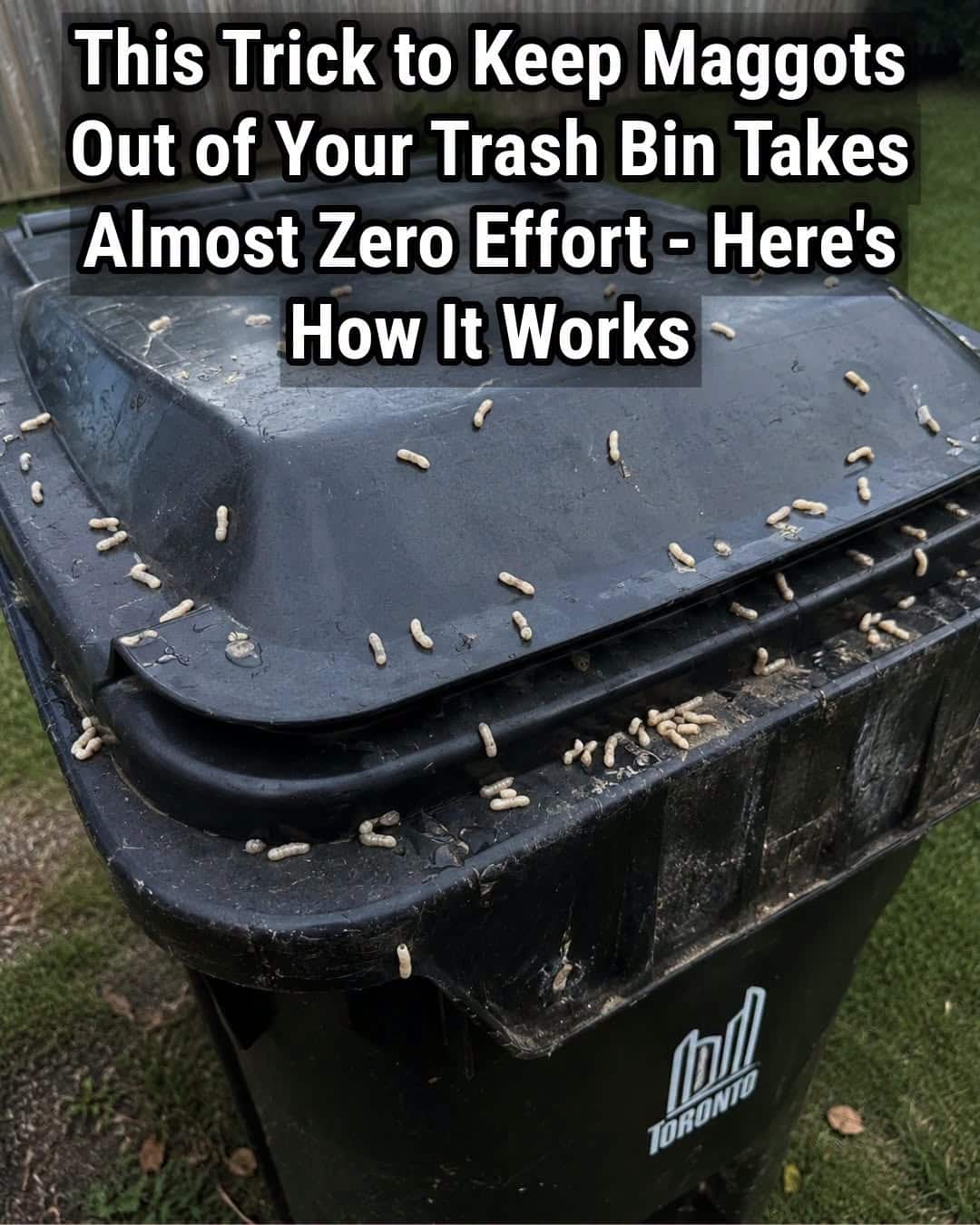
The Unwelcome Guest in the Bin can turn an ordinary kitchen routine into an unpleasant surprise. You lift the lid, expect to toss away a few scraps, and suddenly notice tiny white larvae moving around the bottom or sides of the trash can. While the sight can feel alarming, maggots have a straightforward biological explanation, and you can usually remove them with simple household cleaning methods.
Maggots are fly larvae. Adult flies search for moist, decomposing organic material where their young can feed after hatching. A kitchen trash can can provide exactly that environment, especially during warm weather when food decomposes more quickly.
Fortunately, you can break that cycle by removing the food source, cleaning the bin thoroughly, reducing moisture, and making it difficult for adult flies to reach the garbage. Once you understand what attracts them, prevention becomes much easier.
The first time I discovered maggots in a kitchen trash can, I had simply opened the lid during an ordinary evening cleanup. The small moving larvae immediately caught my attention, and my first reaction was disbelief. I wondered how they had appeared so quickly when the kitchen itself looked clean. After learning more about the fly life cycle, the situation made much more sense. A small amount of food waste, warm weather, and access for a fly had created ideal conditions. I cleaned the container thoroughly, changed a few everyday trash habits, and found that prevention required far less effort than I had expected.
Why The Unwelcome Guest in the Bin Appears
Understanding Where Maggots Actually Come From
The Unwelcome Guest in the Bin begins with adult flies rather than with the trash can itself. Maggots do not spontaneously appear inside garbage. Instead, adult flies lay eggs on suitable organic material, and those eggs later hatch into larvae.
Houseflies, blowflies, and several related species look for decomposing food because it provides an immediate food source for their young. Consequently, kitchen garbage that contains meat scraps, spoiled food, fruit waste, dairy residue, or other moist material can attract them.
Adult flies can locate food waste surprisingly efficiently. Even when you cannot smell much from several feet away, a fly may detect odors released by decomposing material.
Once a fly reaches exposed garbage, it may lay clusters of tiny eggs in a protected, moist area. Because the eggs remain extremely small, most people never notice them.
Warm conditions can speed up development significantly. Therefore, a trash can that seemed normal one evening may contain visible larvae shortly afterward.
The appearance of maggots does not automatically mean that an entire kitchen has a serious infestation. Sometimes a single fly reaches a bag before you close it or enters a bin when someone lifts the lid.
However, repeated appearances suggest that flies have consistent access to food waste. In that case, improving trash storage and cleaning habits becomes especially important.
Understanding this cycle makes the situation much easier to manage. Instead of concentrating only on killing visible larvae, you can remove the conditions that allowed adult flies to reproduce there in the first place.
Why Warm, Moist Garbage Attracts Flies
Three factors commonly make a trash can especially attractive to flies: food, moisture, and warmth.
Food provides the primary attraction. Meat trimmings, fish scraps, gravy, dairy products, spoiled produce, and other organic materials release increasingly noticeable odors as microorganisms begin breaking them down.
Meanwhile, moisture creates an environment where fly larvae can survive more easily. A leaking food container, damp paper towel, liquid from raw meat packaging, or overripe fruit can create wet pockets inside the bag.
Heat makes the situation develop even faster. During summer, garages, patios, outdoor bins, and even some indoor kitchens can become considerably warmer than the surrounding air.
As temperatures rise, food decomposes faster. Consequently, odors can intensify and fly development may accelerate.
Poorly sealed bags also increase the risk. If liquids leak into the bottom of the bin, odor can remain even after you remove the trash bag. Therefore, a seemingly empty container may continue attracting flies.
The lid matters as well. A damaged, loose, or frequently open lid gives flies easy access.
Fortunately, each of these conditions can be controlled. You can wrap strong-smelling scraps, drain liquids from food waste, keep the bin dry, close bags securely, and clean residue from the container.
These small habits interrupt the environment that flies need. As a result, they offer much more reliable protection than simply spraying fragrance around the bin.
How to Remove The Unwelcome Guest in the Bin Safely
Cleaning a Trash Can With Maggots
When The Unwelcome Guest in the Bin has already appeared, begin by removing the source.
Put on household cleaning gloves. Then carefully tie the garbage bag closed and remove it from the kitchen. If the bag has leaked, place it inside a second bag before moving it through the house.
Next, inspect the bottom and sides of the trash can. Maggots often gather around damp seams, corners, residue, or areas underneath the bag.
If possible, take the empty bin outdoors or to an appropriate washable area.
Start by rinsing away loose debris. Hot tap water can help remove greasy residue and larvae, although you do not need dangerously boiling water to clean the container effectively.
Then wash the interior thoroughly with warm water and dish soap or another cleaner suitable for the material.
Pay particular attention to grooves, hinges, handles, lid edges, and the bottom seam. Food residue can hide in these areas even when the main surface looks clean.
After washing, rinse the bin thoroughly.
Next, allow it to dry completely before inserting a fresh liner. Drying matters because residual moisture can encourage odors and microbial growth.
If you use a household disinfectant afterward, follow the product label carefully. Never combine cleaning chemicals. In particular, do not mix bleach with ammonia, acids, vinegar, or other cleaners because dangerous gases can form.
Once the bin becomes clean and dry, add a new bag and secure it around the rim.
This straightforward process removes larvae, food residue, odor-producing material, and much of what attracted the flies.
What to Do About Larvae Around the Bin
Sometimes maggots leave the garbage itself and travel across nearby flooring while searching for a suitable place to continue their development.
Therefore, cleaning only the inside of the trash can may not solve the entire problem.
Inspect the floor underneath and behind the bin. Also check baseboards, cabinet edges, cracks, mats, and nearby recycling containers.
Remove visible larvae using disposable paper towels, a vacuum with an appropriate disposable collection system, or another method that lets you contain and discard them immediately.
Afterward, wash the area with a suitable household cleaner.
If you use a vacuum, empty the collection container or remove the bag promptly so larvae do not remain inside the appliance.
Next, look for forgotten food sources.
For example, a potato may have rolled behind a cabinet. A food package may have leaked into the recycling bin. Pet food could have spilled under a container. Likewise, a small amount of meat juice may have reached the floor.
These hidden sources matter because flies follow decomposing organic material rather than the appearance of the room.
Therefore, continue inspecting until you find and remove anything that could support them.
If the problem repeatedly returns despite careful cleaning, check other possible sources such as pet waste, compost containers, drains with accumulated organic debris, or spoiled food stored out of sight.
A persistent or unusually widespread infestation may justify professional pest-control advice, particularly when you cannot identify the breeding source.
Preventing The Unwelcome Guest in the Bin
Better Everyday Trash Habits
Preventing The Unwelcome Guest in the Bin usually requires less work than dealing with an active problem.
Start by managing the food waste that creates the strongest odors.
When practical, place meat packaging, fish scraps, bones, and other highly perishable waste in a tightly closed small bag before adding it to the main trash.
During very hot weather, you can also delay putting especially odorous scraps into an outdoor bin until closer to collection day, provided you store them safely and hygienically beforehand.
Always drain unnecessary liquid before discarding food containers. Therefore, you reduce the wet environment that larvae prefer.
Tie full trash bags securely rather than leaving them loosely gathered.
Additionally, avoid overfilling the bin. An overfilled bag prevents the lid from closing properly and gives flies easier access.
Clean spills immediately. Even a small amount of liquid at the bottom of a container can create a persistent odor.
Check the underside of the lid regularly as well. Condensation and food splashes can collect there.
For households that generate a lot of food waste, consider using a smaller kitchen trash can that requires more frequent emptying. Although it means replacing bags more often, garbage spends less time decomposing indoors.
If you compost, use a container designed to hold food scraps securely and empty it regularly.
Pet owners should also avoid leaving wet pet food exposed for long periods because flies may use it as another breeding source.
Ultimately, your goal involves making food waste harder to reach and reducing the amount of time it remains warm, wet, and exposed.
Keeping Flies Away From the Trash Area
Blocking adult flies provides another important layer of prevention.
Start with the lid. A trash can with a well-fitting lid works far better than an open basket for food-containing garbage.
If the lid becomes cracked or warped, replacing the container may solve repeated problems.
Window and door screens also help. Repair holes that allow flies to enter, particularly around kitchens and utility areas.
Meanwhile, wipe food spills from counters and floors promptly. A fly attracted by one food source may eventually discover the trash can.
Fruit deserves special attention. Overripe bananas, peaches, tomatoes, and other produce can attract various flies as they soften. Therefore, use ripe produce promptly or refrigerate appropriate items before they begin deteriorating.
Rinse recyclable food containers when feasible, especially cans, jars, and packaging that held sugary or protein-rich foods.
However, avoid creating another problem by leaving wet recyclables in a closed container for long periods. Let excess water drain first.
You can also position outdoor garbage bins away from frequently opened doors and windows when your property layout allows it. As a result, flies gathering around outdoor waste have less opportunity to enter the home.
Clean outdoor bins periodically because old residue can remain attractive even after garbage collection.
Finally, keep the area surrounding the bins free from spilled waste.
No single method provides perfect protection. However, a secure lid, dry container, properly tied bags, cleaner food packaging, and regular trash removal work together remarkably well.
Simple Solutions for The Unwelcome Guest in the Bin
Cleaning Methods That Actually Matter
When people discover The Unwelcome Guest in the Bin, they often search for elaborate homemade treatments. However, physical cleaning usually matters more than adding strongly scented ingredients.
Soap and water remove organic residue. Drying removes moisture. Taking the garbage away removes the larvae’s food source. Meanwhile, a secure lid keeps adult flies from returning easily.
These steps address the actual causes.
Some households like to sprinkle baking soda into the bottom of a clean, dry trash can to help manage mild odors. If you choose to use it, keep in mind that it works as an odor-management measure rather than a substitute for cleaning.
Similarly, fragrance does not necessarily repel flies reliably. A container can smell pleasant to you while still containing food residue that attracts insects.
Therefore, focus on sanitation rather than masking odor.
When disinfecting, choose products that suit the trash can material and follow their directions exactly.
Never assume that combining two cleaners will make them more powerful. Chemical combinations can produce harmful reactions.
You should also avoid creating unnecessary burn hazards by carrying pots of boiling water through the house. Warm or hot tap water combined with detergent and physical scrubbing provides a much safer approach for routine bin cleaning.
If residue has dried onto the container, allow soapy water to sit briefly before scrubbing. Consequently, hardened material usually releases more easily.
After cleaning, dry the container thoroughly before replacing the bag.
Simple methods often work best because you can repeat them consistently.
Creating a Low-Effort Prevention Routine
The easiest way to manage maggots involves turning prevention into a normal part of trash maintenance.
Every time you remove a bag, glance at the bottom of the container. If you notice liquid, crumbs, or food residue, wipe it up before adding another liner.
Once every week or two, depending on how much food waste your household produces, inspect the lid and rim.
During warm weather, increase your attention because food can deteriorate faster.
Also consider garbage collection timing.
If municipal pickup occurs once a week, avoid placing highly perishable food into the outdoor bin immediately after collection when possible. Otherwise, the waste may remain in summer heat for several days.
Of course, food-safety practices should always come first. Do not leave spoiled or unsafe food sitting around indoors simply to delay disposal.
Instead, contain it properly and choose the most practical secure storage method available.
Keep extra trash liners close to the container so replacing a damaged or leaking bag remains easy.
Likewise, keep basic cleaning supplies nearby but stored safely away from children and pets.
These small conveniences make it more likely that you will clean a spill immediately rather than postpone it.
Most importantly, do not treat one incident as evidence that your entire home has become unsanitary. A fly only needs access to an appropriate food source for a short period to begin the process.
Address the source, clean thoroughly, and improve the barrier between flies and waste. In most cases, those steps restore the area quickly.
Frequently Asked Questions
Why do maggots suddenly appear in my trash?
Adult flies usually laid eggs on food waste before you noticed anything unusual. Those eggs can develop quickly under favorable warm conditions. Therefore, visible larvae may seem to appear suddenly even though the process began earlier.
Will emptying the trash get rid of The Unwelcome Guest in the Bin?
Emptying the trash removes the main food source, but you should also wash and dry the container. Larvae, eggs, liquids, and food residue can remain around seams, the lid, or the bottom.
Can maggots climb out of a trash can?
Yes. Mature larvae may move away from their original food source while searching for a place to continue their development. Therefore, inspect the floor and nearby cracks if you find them outside the bin.
Does finding maggots mean my kitchen is dirty?
Not necessarily. A fly can reach a small amount of exposed food waste even in a regularly cleaned kitchen. However, repeated infestations usually indicate that flies can consistently access decomposing material somewhere nearby.
How can I prevent maggots during hot weather?
Remove food waste frequently, keep liquids out of the bin, tie bags securely, maintain a tightly fitting lid, clean residue promptly, and limit fly access through doors and windows. Warm weather speeds decomposition, so these habits become especially useful during summer.
Conclusion
The Unwelcome Guest in the Bin looks disturbing, but the solution becomes much clearer once you understand the fly life cycle. Adult flies seek moist, decomposing organic material, lay eggs near that food source, and produce larvae that feed there after hatching.
Therefore, effective control begins with removing the food source rather than relying entirely on sprays, fragrances, or complicated household remedies.
Take out contaminated garbage, wash the bin with appropriate soap and water, clean the surrounding area, and allow everything to dry thoroughly. Then focus on prevention.
Secure food scraps, reduce moisture, tie garbage bags, keep the lid tightly closed, clean leaks quickly, and remove waste regularly. Additionally, limit the ways adult flies can enter through damaged screens or frequently open doors.
Warm weather can make the problem develop more quickly, so summer often requires more frequent trash removal and bin cleaning.
Most cases remain manageable with ordinary household sanitation. However, if larvae repeatedly appear despite thorough cleaning, inspect nearby food storage, pet areas, recycling, compost, drains, and hidden spaces for another source.
A few consistent habits can dramatically reduce the chance of seeing them again. With a clean, dry container and less access to decomposing food, the conditions that attract flies largely disappear.
More Blog
- Drinking Water on an Empty Stomach — What Science Actually Supports (No Hype, Just Facts)
- Waking Up Between 3 and 5 AM? It Might Be Your Soul Trying to Talk to You
- What a “Bleach” Patch on Your Underwear Really Means — And Why It’s Actually a Good Sign
- This Drink May Weaken Your Bones From The Inside — But Everyone Drinks It Anyway