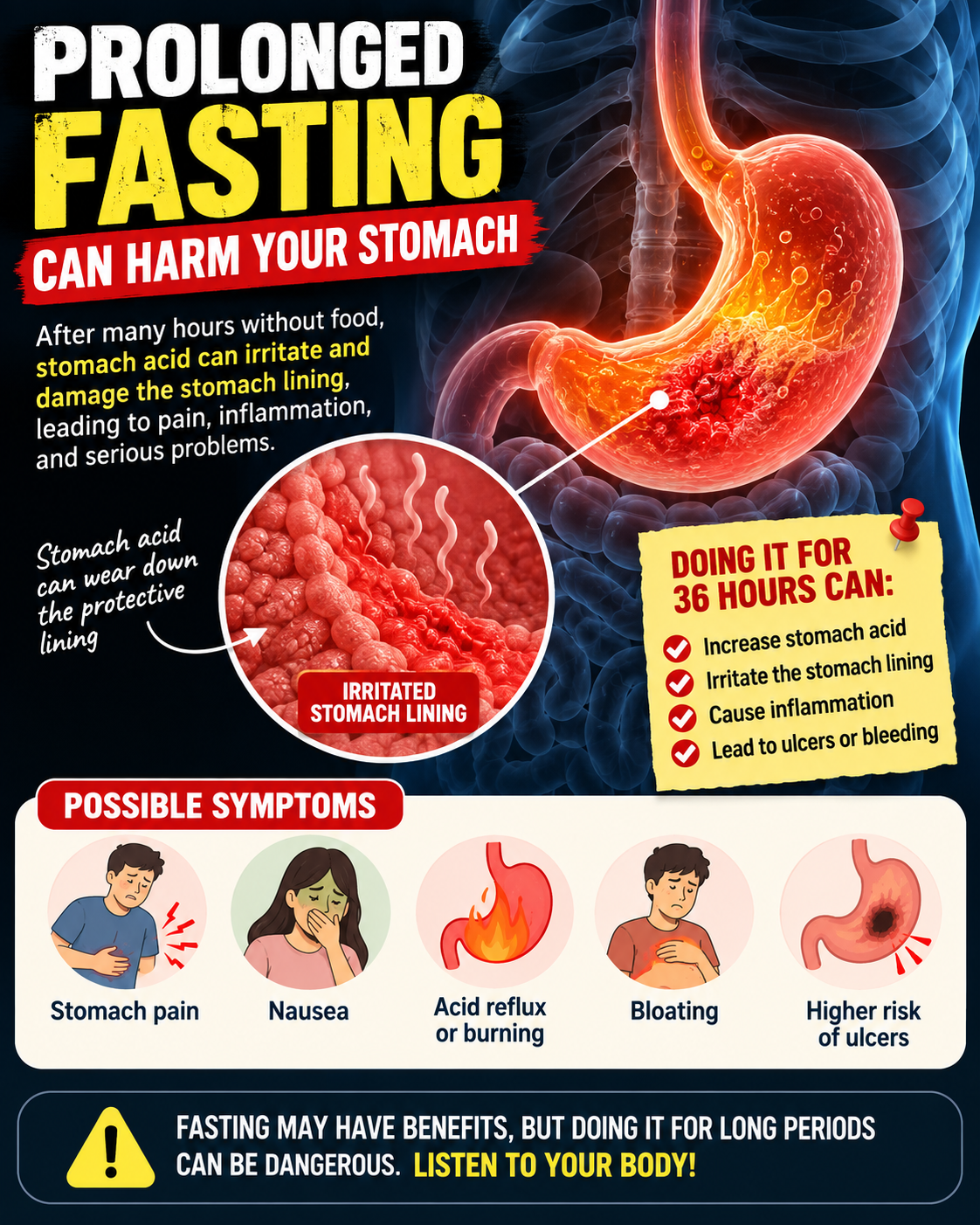
The truth about a 36-hour fast is more nuanced than many dramatic claims online suggest. Going without food for a day and a half does not suddenly shut down your digestive system. Likewise, it does not magically remove every toxin from your body. Instead, your body gradually changes how it supplies energy as the hours without food pass.
During a 36-hour fast, insulin levels decline, stored glycogen becomes increasingly important, and the body eventually relies more heavily on stored fat. Ketone production can also rise. However, individual responses differ considerably.
I first became curious about longer fasting after hearing people describe completely different experiences. One person said hunger disappeared after the first day, while another described headaches and difficulty concentrating. The contrast made one thing clear: fasting does not affect everyone in exactly the same way. Factors such as normal eating habits, hydration, activity level, age, and general health can influence the experience. Once you look beyond dramatic before-and-after claims, a 36-hour fast becomes easier to understand. It is essentially a period in which the body must adapt to temporarily receiving no new calories from food.
Here is what can happen as those 36 hours unfold, along with the potential benefits and risks to consider.
What Happens During the First 12 Hours of a 36-Hour Fast?
Your Body Starts With Readily Available Energy
Immediately after eating, your body does not need to depend heavily on stored body fat. Instead, it can use energy from the food you recently consumed.
Carbohydrates provide glucose, which serves as an important energy source. Meanwhile, insulin helps regulate how your body handles that incoming glucose.
As time passes after the final meal, however, that situation begins to change.
You no longer have a continuous stream of nutrients arriving from new meals or snacks. Therefore, insulin levels begin to decrease, and your body increasingly turns toward stored energy.
The liver stores glucose in the form of glycogen. During the early stages of fasting, this glycogen helps maintain the body’s energy supply.
Consequently, the first several hours of a 36-hour fast do not represent an abrupt metabolic shutdown. Your body already has mechanisms that help it handle periods without food.
The transition happens gradually.
During this stage, you may still feel completely normal. However, hunger can become noticeable around the times when you normally eat.
Habit can play a role in that experience. If you normally eat breakfast at 8 a.m. and lunch around noon, for example, those established mealtimes may make hunger particularly noticeable.
Nevertheless, the body continues using available and stored energy.
As the fast progresses, its energy strategy gradually changes further.
Hunger and Other Early Symptoms Can Appear
The first 12 hours of a 36-hour fast can feel surprisingly easy for some people. Others may find the same period uncomfortable.
Hunger represents one obvious possibility.
However, some people may also experience irritability or reduced concentration. The experience can depend on many individual factors, including previous eating habits and normal meal timing.
Activity can also influence how someone feels.
A person spending the day performing physically demanding work may have a very different experience from someone completing light daily activities.
Likewise, hydration matters throughout a fast.
Going without food does not mean the body stops needing fluids. Therefore, inadequate fluid intake can complicate the fasting experience and contribute to feeling unwell.
Importantly, discomfort should not automatically become a challenge that someone feels obligated to overcome.
Symptoms deserve attention.
Fasting has become associated with willpower in some popular discussions. However, treating every unpleasant physical signal as something to ignore can create unnecessary risk.
A 36-hour fast represents a significant period without calories. Therefore, anyone considering one should view physical symptoms as useful information rather than proof that the fast is “working.”
The first 12 hours also do not tell the entire story.
As the fasting period continues and glycogen stores gradually decline, the body begins shifting more of its energy production toward stored fat.
That transition becomes increasingly relevant during the next stage.
What Changes Between 12 and 36 Hours?
The Body Increasingly Turns Toward Stored Fat
As a 36-hour fast continues, the body must keep supplying energy even though no new calories are arriving.
Initially, liver glycogen helps support that demand. However, glycogen stores are limited.
Therefore, as those stores gradually decline, the body increasingly relies on stored fat.
This shift does not happen at one precise moment that applies to everyone. Instead, metabolic changes occur progressively, and the timing can vary.
As fat utilization increases, the liver can produce more ketones.
Ketones provide an alternative fuel source for various tissues, including the brain. Consequently, rising ketone production represents one of the better-known metabolic changes associated with fasting.
However, this does not mean the body suddenly enters an entirely different state at an exact hour.
Human metabolism remains dynamic.
Your activity level, eating habits before the fast, energy needs, and other factors can influence the transition.
That is why simple fasting timelines can sometimes create the wrong impression. A graphic may claim that one exact process begins at hour 12 and another starts precisely at hour 18.
Real bodies do not necessarily follow such a rigid schedule.
Still, the general direction remains useful for understanding the process. As the fasting period grows longer, the body relies less on recently consumed food and increasingly uses stored energy.
That adaptation allows the body to continue functioning during temporary food scarcity.
You May Notice Physical and Mental Changes
People report a wide range of experiences during the later portion of a 36-hour fast.
Some describe reduced hunger after struggling with it earlier. Others report feeling mentally clear.
However, not everyone experiences those effects.
Some people instead develop fatigue, headaches, dizziness, or difficulty maintaining their normal exercise intensity.
Individual responses can vary substantially.
Age, general health, hydration, previous eating patterns, and activity levels can all influence how someone feels during an extended fast.
For example, someone accustomed to shorter fasting periods may experience a 36-hour fast differently from someone attempting extended fasting for the first time.
Likewise, intense physical activity can become more difficult when no food has been consumed for an extended period.
Therefore, personal experiences shared online should not be treated as guarantees.
One person saying, “I felt amazing after 24 hours,” does not mean everyone will feel the same way.
Similarly, another person experiencing discomfort does not prove that every healthy adult will have that response.
The key point involves variability.
A 36-hour fast creates genuine metabolic changes, but subjective experiences can differ considerably.
Hydration also remains important during this period. Meanwhile, symptoms such as significant weakness, dizziness, or other concerning changes should not simply be dismissed because they occur during a fast.
Extended fasting places different demands on the body than skipping a single meal.
Consequently, understanding potential risks matters just as much as understanding the metabolic changes.
Potential Benefits of a 36-Hour Fast
Insulin, Calorie Intake, and Fat Utilization
Several potential benefits help explain why fasting has attracted so much interest.
One involves insulin sensitivity.
Controlled fasting may contribute to improved insulin sensitivity in some circumstances. Meanwhile, the absence of meals naturally changes insulin patterns as the body moves away from continuously processing incoming nutrients.
A 36-hour fast also creates a period with no food calories.
Therefore, fasting can temporarily reduce calorie intake, assuming the person does not fully compensate by consuming substantially more food afterward.
Another change involves fat utilization.
As glycogen availability declines, the body increasingly draws on stored fat for energy. This metabolic response is a normal adaptation to temporary food scarcity.
However, increased fat use during a fasting period should not be confused with a guarantee of lasting weight loss.
Long-term body weight depends on patterns that extend far beyond one 36-hour period.
What someone eats before and after fasting, how frequently fasting occurs, overall calorie intake, activity, and other factors still matter.
Therefore, a single fast should not be viewed as a shortcut that overrides everyday habits.
The body’s ability to switch between available energy sources remains interesting in its own right.
During a 36-hour fast, the gradual transition from recently consumed glucose toward stored energy demonstrates how adaptable human metabolism can be.
Still, potential benefits require context.
Fasting can influence metabolism without automatically becoming the right approach for every person.
Cellular Processes and the Limits of Big Claims
Fasting discussions often include claims about cellular maintenance processes.
Periods of nutrient scarcity can influence processes associated with cellular maintenance. Consequently, researchers continue investigating how fasting may affect health in different circumstances.
However, uncertainty remains important.
Scientists continue studying the long-term effects of various fasting patterns. Therefore, dramatic claims that a particular number of fasting hours produces guaranteed health transformations go beyond what a cautious interpretation supports.
The same principle applies to “detox” claims.
A 36-hour fast should not be described as a magical internal cleansing process that suddenly removes accumulated toxins.
The body’s metabolic response to fasting is interesting enough without exaggerating it.
During the fast, insulin patterns change. Glycogen stores decline. Fat utilization rises. Ketone production may increase.
Those processes provide a more realistic explanation of what happens.
Moreover, potential benefits must always be weighed against potential disadvantages.
A person who develops significant dizziness or low blood sugar does not somehow cancel those risks because fasting may have other metabolic effects.
Health decisions require considering the whole picture.
That becomes especially important with extended fasting because certain people face greater risks than healthy adults without underlying conditions.
Therefore, anyone interested in a 36-hour fast should resist treating viral claims as medical certainty.
Potential benefits exist within a much broader context that includes personal health, medications, nutrition, fasting frequency, and individual tolerance.
Risks and Safety Considerations Before a 36-Hour Fast
Extended Fasting Is Not Appropriate for Everyone
A 36-hour fast may sound straightforward: stop eating, wait a day and a half, and then eat again.
However, medical circumstances can make fasting substantially more complicated.
People with diabetes should seek medical guidance before attempting extended fasting. Blood sugar management can become particularly important when food intake changes dramatically.
People taking medications that affect blood sugar also need professional guidance.
Likewise, pregnant or breastfeeding women should not casually begin extended fasting based on social media recommendations.
People with eating disorders represent another important group for whom fasting may be inappropriate.
Certain chronic illnesses can also change the risk.
Therefore, health status matters more than whether an online fasting schedule appears popular.
Possible side effects of extended fasting can include dehydration, weakness, dizziness, and low blood sugar.
Furthermore, frequently repeating prolonged fasting without appropriate nutrition may contribute to nutritional problems.
These considerations do not mean every healthy adult will experience serious complications during a 36-hour fast.
Instead, they demonstrate why extended fasting should not receive one-size-fits-all recommendations.
A person’s medical history, medications, nutritional needs, and individual response all matter.
Professional medical advice becomes especially valuable when any underlying condition could affect fasting safety.
Listen to Physical Signals Instead of Chasing a Timeline
A fasting timer can create an unhelpful psychological trap.
Someone may reach hour 28, feel unwell, and decide that stopping would represent failure because the goal was 36 hours.
However, the number on a clock should not become more important than physical well-being.
Extended fasting can cause uncomfortable symptoms, and some symptoms may signal that continuing is not appropriate.
Therefore, people should pay attention to how they feel rather than assuming every reaction represents a normal milestone.
Hydration deserves particular attention.
The body continues losing water through normal processes even when no food is consumed. Additionally, people normally obtain some fluid through foods. Removing food can therefore change overall fluid intake.
A 36-hour fast also should not become an excuse for repeated cycles of restriction followed by uncontrolled eating.
Instead, anyone considering fasting should think about their overall eating pattern and health rather than focusing exclusively on completing a specific number of hours.
Most importantly, medical conditions change the situation.
People with underlying health concerns or medications should consult a qualified healthcare professional before attempting an extended fast.
The truth about a 36-hour fast is neither miraculous nor inherently catastrophic.
The body adapts to temporary food deprivation through well-established metabolic processes. However, those adaptations do not eliminate the possibility of side effects or make extended fasting suitable for everyone.
Understanding both sides creates a far more useful picture than dramatic online claims.
Frequently Asked Questions
What happens to your body after 36 hours without food?
During a 36-hour fast, the body gradually shifts away from energy supplied by recent meals. Liver glycogen contributes energy during the earlier period. As glycogen declines, fat utilization increases and ketone production may rise. The exact timing and individual experience can vary.
Does a 36-hour fast put you into ketosis?
Ketone production may increase as fasting continues and the body relies more heavily on stored fat. However, the timing and degree vary among individuals. Therefore, there is no single exact hour when every person reaches the same metabolic state.
Can a 36-hour fast make you dizzy or tired?
Yes. Some people may experience dizziness, fatigue, headaches, weakness, or difficulty exercising intensely during extended fasting. Responses vary depending on factors such as health status, hydration, activity, and previous eating habits.
Does a 36-hour fast detox your body?
The source does not support the claim that a 36-hour fast suddenly “cleans out toxins.” Instead, fasting causes metabolic adjustments, including declining insulin, glycogen use, increased fat utilization, and potentially greater ketone production.
Who should avoid a 36-hour fast?
People with diabetes, individuals taking medications that affect blood sugar, pregnant or breastfeeding women, people with eating disorders, and individuals with certain chronic illnesses should seek medical advice before attempting extended fasting. Personal medical circumstances can substantially change the risks.
Conclusion
The truth about a 36-hour fast lies between the dramatic warnings and miracle claims often shared online.
The digestive system does not suddenly shut down because food stops arriving. Instead, the body gradually adapts. It initially relies heavily on available glucose and stored glycogen. Then, as the fast continues, it increasingly uses stored fat, while ketone production may rise.
Some people may experience hunger, headaches, fatigue, dizziness, or reduced exercise performance. Others may report reduced appetite or increased mental clarity. Individual responses can vary significantly.
Researchers continue studying fasting and its potential effects, including changes related to insulin sensitivity, fat utilization, calorie intake, and cellular maintenance processes. However, unanswered questions remain, particularly around long-term outcomes and different fasting patterns.
Most importantly, a 36-hour fast is not appropriate for everyone.
Underlying medical conditions, pregnancy, breastfeeding, eating disorders, and certain medications can make extended fasting unsuitable or require medical supervision.
Rather than treating 36 hours as a magical threshold, view fasting in context. Your overall health, nutrition, hydration, and individual response matter far more than completing a timer.
More Blog
- Drinking Water on an Empty Stomach — What Science Actually Supports (No Hype, Just Facts)
- Waking Up Between 3 and 5 AM? It Might Be Your Soul Trying to Talk to You
- What a “Bleach” Patch on Your Underwear Really Means — And Why It’s Actually a Good Sign
- This Drink May Weaken Your Bones From The Inside — But Everyone Drinks It Anyway