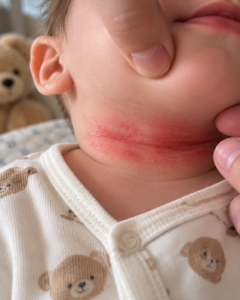
Skin Rash With Breathing Trouble can signal much more than an ordinary skin irritation. A rash by itself often has a relatively minor cause, but when hives, redness, or swelling develop alongside shortness of breath, wheezing, throat tightness, tongue swelling, dizziness, or fainting, the combination can indicate anaphylaxis. Anaphylaxis can progress rapidly and requires emergency medical treatment.
If someone currently has a rash plus trouble breathing, swelling of the tongue or throat, faintness, or other signs of a severe allergic reaction, call the local emergency number immediately. If the person has a prescribed epinephrine auto-injector, use it promptly according to its instructions. Even when symptoms improve after epinephrine, emergency evaluation remains necessary because symptoms can recur.
I once watched what seemed like a routine allergic rash become concerning much faster than expected. At first, the red, itchy patches seemed like the main problem. Then the person mentioned that their throat felt unusual and breathing had become harder. That change completely altered the situation. Instead of waiting for the rash to settle, we treated the breathing problem as the warning sign it was and sought emergency help. The experience made one lesson impossible to forget: the appearance of a rash alone does not determine how serious an allergic reaction is. What happens elsewhere in the body can matter far more.
Recognizing When a Rash May Signal Anaphylaxis
Watch for Symptoms Beyond the Skin
Hives, itching, flushing, and swelling can occur during an allergic reaction. Hives often appear as raised, itchy welts that can develop suddenly and spread across different parts of the body.
However, Skin Rash With Breathing Trouble becomes particularly concerning because respiratory symptoms can indicate that the reaction involves more than the skin.
Anaphylaxis is a serious systemic hypersensitivity reaction that usually develops rapidly. It can affect the skin, airways, circulation, and gastrointestinal system.
Breathing symptoms can include wheezing, shortness of breath, chest tightness, throat tightness, hoarseness, or noisy breathing. Additionally, swelling of the tongue or throat can narrow the airway.
Circulatory symptoms can include dizziness, weakness, fainting, or signs of low blood pressure.
Some people also develop nausea, vomiting, diarrhea, or abdominal discomfort.
Therefore, do not judge the severity of an allergic reaction solely by how dramatic the rash looks.
A relatively modest-looking rash accompanied by breathing or circulation problems can represent a much more urgent situation than an extensive itchy rash with no other symptoms.
Importantly, anaphylaxis does not always produce obvious skin symptoms. Clinical guidance notes that severe reactions can occur without a typical rash.
Know the Red-Flag Combination
Skin Rash With Breathing Trouble deserves immediate attention when symptoms appear suddenly after possible exposure to an allergen.
For example, generalized hives or swelling together with respiratory compromise fits established clinical criteria that make anaphylaxis highly likely. Respiratory warning signs can include coughing, hoarseness, chest tightness, shortness of breath, wheezing, or stridor.
Likewise, skin symptoms accompanied by collapse or fainting can signal serious cardiovascular involvement.
Swelling around the lips, tongue, or throat adds another major warning sign.
Anaphylaxis can develop within minutes after exposure, although the timing varies. Therefore, waiting to see whether severe symptoms disappear can waste valuable time.
Pay particular attention when symptoms affect more than one part of the body.
For instance, hives combined with vomiting can suggest a systemic reaction. Similarly, facial swelling plus breathing difficulty requires urgent evaluation.
Not every person experiences the same pattern.
One episode may also differ from another episode in the same person.
Consequently, a previous mild reaction does not guarantee that a future reaction will remain mild.
The safest response to Skin Rash With Breathing Trouble plus signs of a severe allergic reaction is to treat the situation as an emergency rather than trying to diagnose the exact trigger at home.
Understanding Triggers and How Reactions Develop
Common Triggers Can Include Foods, Medicines, and Stings
Many substances can trigger serious allergic reactions in susceptible people.
Foods represent one major category. Common food triggers include peanuts, tree nuts, shellfish, milk, and eggs.
Certain medications can also cause severe allergic reactions. In addition, insect venom from bee or wasp stings can trigger anaphylaxis.
Latex represents another recognized trigger.
However, identifying the trigger should never delay emergency treatment when Skin Rash With Breathing Trouble appears alongside symptoms of anaphylaxis.
A person may not immediately know what caused the reaction.
For example, an unfamiliar ingredient may appear in a meal. A medication reaction may begin after a new prescription. Likewise, an insect sting can occur without the person initially realizing what happened.
Instead of spending critical minutes searching for the cause, focus first on emergency action.
After recovery, a healthcare professional can review the circumstances and determine whether allergy testing or specialist evaluation may help identify the trigger.
People who have previously experienced anaphylaxis may also receive an emergency action plan and a prescription for epinephrine auto-injectors.
Knowing the trigger can help reduce future exposure, but recognizing the symptoms remains equally important.
Understand Why Breathing Trouble Changes the Situation
A rash primarily involves the skin. However, anaphylaxis can affect several organ systems at once.
During a severe reaction, airway narrowing or swelling can interfere with breathing. Blood pressure may also fall, potentially causing dizziness, fainting, or shock.
That explains why Skin Rash With Breathing Trouble should not be treated like an ordinary itchy rash.
The respiratory symptoms change the level of urgency.
Likewise, swelling of the tongue or throat can threaten the airway even when the skin symptoms initially appear mild.
Anaphylaxis may progress quickly. Consequently, medical guidance emphasizes prompt recognition and early epinephrine rather than waiting for the reaction to become unmistakably severe.
People sometimes assume an antihistamine will solve any allergic reaction because these medicines can reduce itching or hives.
However, antihistamines do not replace epinephrine for anaphylaxis. NIAID patient guidance specifically describes antihistamines as secondary treatment and warns against substituting them for epinephrine.
Therefore, improving skin symptoms does not necessarily mean the dangerous part of a systemic reaction has resolved.
What to Do During a Severe Allergic Reaction
Call for Emergency Help and Use Prescribed Epinephrine
When Skin Rash With Breathing Trouble suggests anaphylaxis, emergency medical care takes priority.
Call 911 or the appropriate local emergency number immediately.
If the affected person has a prescribed epinephrine auto-injector, use it promptly according to the device instructions. Intramuscular epinephrine represents the first-line treatment for anaphylaxis.
Do not wait for antihistamines to work before seeking emergency help.
Likewise, do not delay epinephrine because you hope the symptoms will disappear on their own.
After using an auto-injector, the person still needs emergency medical evaluation.
Symptoms can return after initially improving, so apparent recovery does not eliminate the need for medical observation.
While waiting for emergency responders, follow the emergency plan provided for that individual when one exists.
Positioning can depend on the symptoms. Guidance for patients notes that someone with predominant breathing difficulty may need the upper body upright, while circulatory symptoms may call for lying down.
If the person becomes unconscious and stops breathing normally, follow emergency dispatcher instructions and begin CPR if appropriate and you know how.
Most importantly, do not leave the person alone.
Do Not Rely on the Rash Improving
One potentially misleading feature of Skin Rash With Breathing Trouble is that visible skin symptoms can change while the internal reaction remains serious.
Hives might fade.
Itching might decrease.
However, continuing throat tightness, wheezing, dizziness, or breathing difficulty still requires emergency attention.
Likewise, do not assume that a person is safe simply because epinephrine produces rapid improvement.
Emergency evaluation remains important after treatment.
People sometimes focus heavily on determining exactly which food, medicine, or substance caused the reaction.
That investigation matters later.
During the emergency, however, airway, breathing, circulation, epinephrine, and professional medical care matter more.
Additionally, avoid giving food or drink to someone who has significant throat swelling or difficulty swallowing.
If an insect stinger remains present and can be removed quickly without delaying treatment, remove it. However, never let that step postpone emergency care.
After the episode, documenting what happened can help.
Write down foods, medications, insect exposures, activities, and the approximate timing of symptoms.
That information can help a clinician or allergist investigate the cause and create a future management plan.
Distinguishing Emergency Symptoms From Less Serious Rashes
Many Rashes Occur Without Anaphylaxis
Not every rash means a dangerous allergic reaction.
Contact dermatitis, eczema, heat irritation, insect bites, and other skin conditions can cause redness, itching, bumps, or irritation without causing anaphylaxis.
Therefore, the presence of a rash alone does not establish an emergency.
Instead, pay attention to the whole symptom pattern.
Skin Rash With Breathing Trouble requires a different response because breathing difficulty can indicate airway involvement.
Likewise, fainting, severe dizziness, rapidly developing tongue or throat swelling, or signs of shock raise concern for a systemic reaction.
A mild localized rash that develops gradually without breathing, circulation, or significant swelling symptoms may require routine rather than emergency care.
However, anyone who feels uncertain about a new or worsening reaction should seek appropriate medical advice.
If breathing becomes difficult, do not wait for a routine appointment.
Seek emergency help.
The distinction is not about whether the rash looks frightening.
Instead, it depends heavily on what other symptoms accompany it.
Plan Ahead After a Serious Reaction
After an episode of suspected anaphylaxis, follow-up care can help reduce future risk.
A healthcare professional may review the likely trigger, previous allergy history, medications, and circumstances surrounding the event.
When appropriate, an allergist can investigate potential triggers and help create an emergency plan.
People at risk may receive a prescription for an epinephrine auto-injector.
If you receive one, learn how and when to use it before an emergency occurs.
Family members, caregivers, teachers, coworkers, or other relevant people may also benefit from knowing where the device is stored and how the emergency plan works.
Check the device according to the manufacturer’s storage and expiration instructions.
Most importantly, remember the lesson behind Skin Rash With Breathing Trouble: a severe allergic reaction can escalate quickly.
Preparation cannot guarantee that another reaction will never happen.
However, recognizing the warning signs and knowing what to do can reduce dangerous delays.
Frequently Asked Questions
Can Skin Rash With Breathing Trouble mean anaphylaxis?
Yes. A sudden rash or hives combined with breathing difficulty can indicate anaphylaxis, particularly when throat swelling, wheezing, dizziness, or fainting also occurs. Seek emergency medical help immediately.
Can anaphylaxis happen without hives?
Yes. Although skin symptoms commonly occur, their absence does not rule out anaphylaxis. Serious airway or circulation symptoms can occur without an obvious rash.
Should I take an antihistamine instead of epinephrine?
No. Antihistamines can help some skin symptoms, but they do not replace epinephrine as first-line treatment for anaphylaxis.
Should I go to the emergency department if epinephrine works?
Yes. Emergency evaluation remains necessary even if symptoms improve because symptoms can recur after the initial reaction.
What commonly triggers anaphylaxis?
Potential triggers include certain foods, medications, insect venom, and latex. However, identifying the trigger should never delay emergency treatment during a suspected severe reaction.
Conclusion
Skin Rash With Breathing Trouble can represent a medical emergency rather than a routine skin problem.
Hives and itching alone do not always indicate anaphylaxis. However, breathing difficulty, wheezing, throat tightness, tongue swelling, dizziness, fainting, or other signs of airway or circulation involvement change the situation dramatically.
Anaphylaxis can progress rapidly. Therefore, emergency action matters more than waiting to see whether the rash improves.
Call the local emergency number when a severe allergic reaction is suspected. If the affected person has a prescribed epinephrine auto-injector, use it promptly according to its instructions. Epinephrine remains the first-line treatment for anaphylaxis, while antihistamines serve only a secondary role.
Even after symptoms improve, professional medical evaluation remains important.
Finally, anyone who has experienced a severe allergic reaction should discuss future prevention and emergency planning with an appropriate healthcare professional.
Recognizing Skin Rash With Breathing Trouble as a potential warning sign can help turn uncertainty into fast, appropriate action when minutes matter.