Gallbladder removal surgery, known medically as cholecystectomy, is one of the most common procedures performed around the world. For many people struggling with painful gallstones, inflammation, or repeated digestive attacks, the surgery brings enormous relief and a better quality of life. Still, many patients wonder what actually changes inside the body afterward and whether life without a gallbladder creates long-term health problems.
The truth is more balanced than many alarming headlines suggest. Most people recover very well after gallbladder removal and continue living healthy, active lives. However, because the gallbladder plays an important role in digestion, your body does need time to adapt after surgery.
I remember speaking with a family friend shortly after her surgery. She expected to wake up feeling completely normal within days, but instead she noticed bloating after meals and sensitivity to fried foods for several weeks. Her doctor explained that this adjustment period is extremely common. Over time, she learned which foods worked best for her body and eventually returned to eating comfortably again.
Understanding how the gallbladder works and what changes after removal can help reduce anxiety and make recovery much smoother.
What the Gallbladder Actually Does
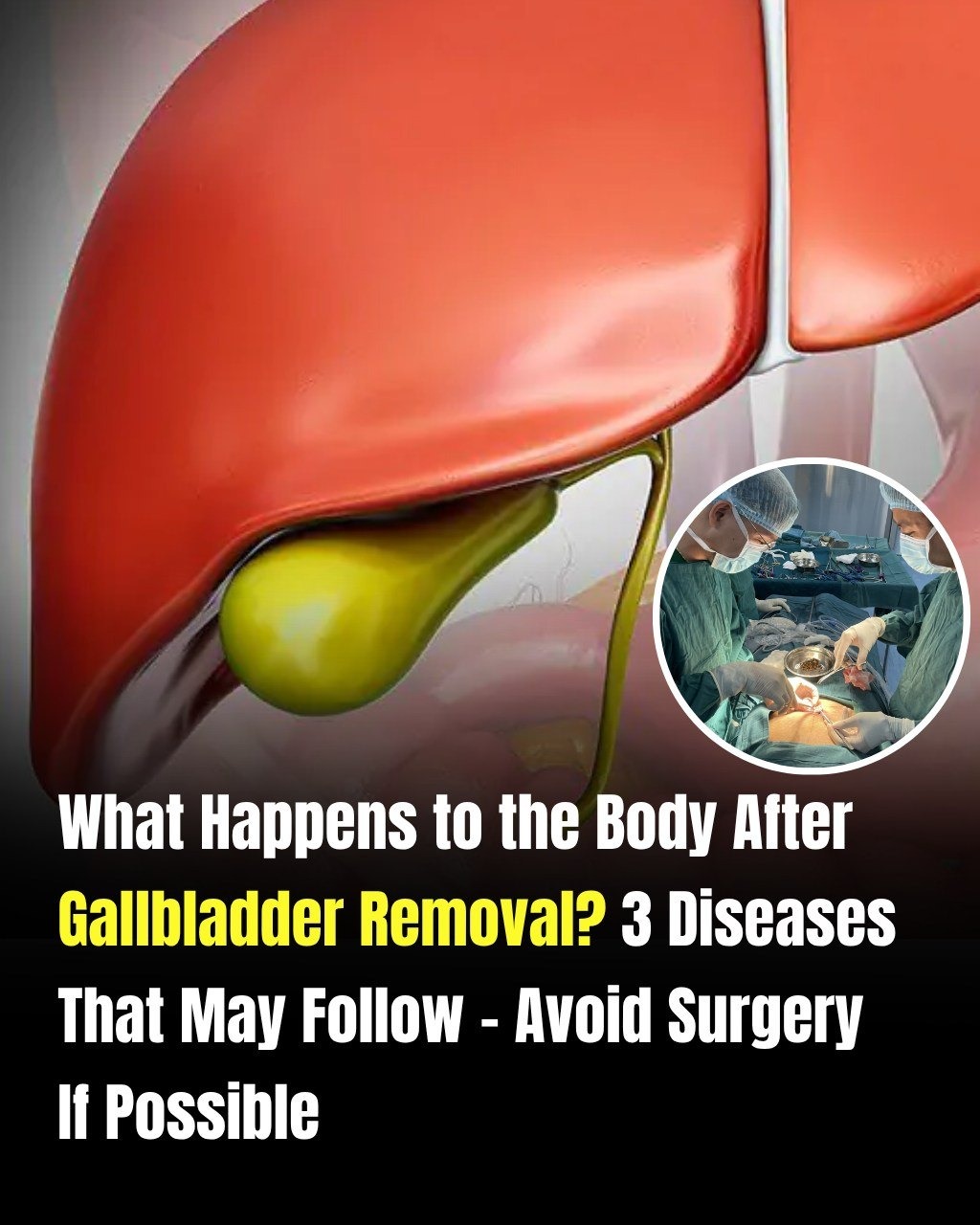
The gallbladder is a small pouch located beneath the liver.
Its main job is to store and concentrate bile, a digestive fluid produced by the liver.
Why Bile Matters
Bile helps the body digest fats by breaking them down into smaller particles that are easier to absorb.
When you eat a fatty meal:
- The gallbladder contracts
- Bile is released into the small intestine
- Fat digestion becomes more efficient
Without bile, digesting heavy meals becomes much harder.
What Happens After Removal
After gallbladder removal:
- The liver still produces bile
- Bile continuously drips into the intestine
- There is no storage reservoir anymore
This constant flow works well for many people, but it may affect digestion, especially after large or greasy meals.
Common Short-Term Digestive Changes
Many patients experience temporary digestive symptoms during the first weeks or months after surgery.
Diarrhea and Loose Stools
One of the most common issues is diarrhea.
This happens because excess bile can irritate the colon before the digestive system fully adapts.
Symptoms may include:
- Frequent bowel movements
- Urgency after eating
- Loose stools
For most people, these symptoms gradually improve.
Bloating and Gas
Because fat digestion changes temporarily, some foods may ferment differently in the gut.
This can lead to:
- Bloating
- Excess gas
- Fullness after meals
Heavy meals often trigger symptoms more easily during recovery.
Sensitivity to Fatty Foods
Many patients notice discomfort after eating:
- Fried foods
- Fast food
- Cream sauces
- Greasy meats
Smaller portions and lower-fat meals often help during the adjustment period.
How Long Recovery Usually Takes
Recovery varies from person to person.
Physical Recovery From Surgery
For laparoscopic surgery:
- Many return home the same day
- Light activity resumes within days
- Full recovery often takes 2–6 weeks
Open surgery recovery usually takes longer.
Digestive Adjustment Period
Digestive changes may continue for several months while the body adapts to continuous bile flow.
Most people improve significantly within:
- 3 months
- 6 months
- Sometimes sooner
Patience is important during this transition.
Possible Long-Term Effects After Gallbladder Removal
While most people do well long term, some experience ongoing digestive changes.
Postcholecystectomy Syndrome
Some patients develop persistent symptoms after surgery, often called postcholecystectomy syndrome.
Symptoms may include:
- Abdominal pain
- Nausea
- Bloating
- Chronic diarrhea
- Indigestion
The causes vary and sometimes involve other digestive conditions rather than the surgery itself.
Bile Acid Diarrhea
Without a gallbladder regulating bile release, excess bile acids may reach the colon.
This can cause:
- Chronic watery diarrhea
- Urgency
- Digestive discomfort
Doctors sometimes prescribe medications that bind bile acids to improve symptoms.
Small Intestinal Bacterial Overgrowth (SIBO)
Some research suggests altered bile flow may influence gut bacteria balance.
Possible symptoms include:
- Gas
- Bloating
- Abdominal discomfort
- Food sensitivities
Not everyone experiences this issue, but it may contribute to ongoing digestive complaints.
Are There Serious Health Risks?
Many online articles exaggerate the dangers of gallbladder removal.
Cancer Risk Concerns
Some studies have explored a possible modest increase in colorectal cancer risk over long periods.
However:
- The increase appears small
- Many factors influence cancer risk
- Most patients never develop related problems
Removing a diseased gallbladder often provides far greater benefit than risk.
Vitamin Absorption Issues
Because bile helps digest fat, some individuals may absorb fat-soluble vitamins less efficiently over time.
These include:
- Vitamin A
- Vitamin D
- Vitamin E
- Vitamin K
This is usually manageable with healthy nutrition and medical guidance if needed.
Best Foods to Eat After Gallbladder Removal
Diet plays a huge role in recovery.
Foods That Often Help
Many people tolerate these foods well:
- Oatmeal
- Rice
- Bananas
- Applesauce
- Lean chicken
- Fish
- Vegetables
- Toast
- Soup
Simple meals tend to be easier during recovery.
Foods That May Trigger Symptoms
Some foods commonly cause discomfort early on:
- Fried foods
- Heavy cream
- Bacon
- Sausage
- Pizza
- Butter-heavy dishes
- Fast food
Gradually reintroducing foods helps identify personal triggers.
The Importance of Fiber
Soluble fiber can help regulate digestion and reduce diarrhea.
Good options include:
- Oats
- Apples
- Beans
- Carrots
- Psyllium husk
Increasing fiber slowly helps avoid extra bloating.
Lifestyle Tips for Easier Digestion
Small habits often make a major difference.
Eat Smaller Meals
Large meals require more bile at once.
Smaller meals spaced throughout the day are often easier to digest.
Stay Hydrated
Diarrhea and digestive adjustments can increase fluid loss.
Water supports healthy digestion and recovery.
Walk Daily
Gentle movement stimulates digestion and helps reduce bloating after surgery.
When To Contact Your Doctor
While mild digestive changes are common, some symptoms require medical attention.
Warning Signs Include
- Severe abdominal pain
- Fever
- Yellowing skin or eyes
- Persistent vomiting
- Dark urine
- Pale stools
- Significant weight loss
These symptoms could indicate complications or bile duct problems.
Emotional Adjustment After Surgery
Some people feel frustrated when recovery takes longer than expected.
I once spoke with someone who assumed gallbladder surgery would instantly solve every digestive issue. When symptoms lingered for several weeks, she worried something had gone terribly wrong. Her doctor reassured her that healing takes time and encouraged gradual dietary adjustments. A few months later, she felt dramatically better.
This experience is very common.
Your body is adapting to a different digestive rhythm, and patience matters.
Frequently Asked Questions
Can you live normally without a gallbladder?
Yes. Most people live completely normal lives after recovery.
Will digestion ever go back to normal?
For many people, yes. The digestive system usually adapts well over time.
Is diarrhea permanent?
Usually not. Persistent symptoms can often be treated successfully.
Should fatty foods be avoided forever?
Not necessarily. Many people eventually tolerate moderate amounts again.
Is gallbladder surgery dangerous?
Serious complications are uncommon, especially with laparoscopic procedures.
Final Thoughts
Gallbladder removal changes the way bile moves through the digestive system, but it does not mean you cannot live a healthy and comfortable life. Most people recover well, return to normal activities, and experience major relief from painful gallbladder attacks.
The key is understanding that the body may need time to adapt. Temporary digestive symptoms are common, and mindful eating habits can make recovery much easier.
Instead of fearing life after gallbladder removal, think of it as learning a new balance. With patience, proper nutrition, and attention to your body’s signals, most people continue enjoying meals, travel, family gatherings, and everyday life without major limitations.
Your body is remarkably adaptable — and for many patients, gallbladder surgery becomes the beginning of feeling better, not worse.
More Home Remedies
- Wrinkled Fingers After Water Exposure: What Your Skin May Be Telling You
- Skin Rash With Breathing Trouble? It Could Be a Life-Threatening Allergic Reaction
- I Thought It Was a Piece of Trash on the Bathroom Floor—Until It Moved
- If You Are Getting White Pimples on Your Lips or Intimate Area, Here’s What They Could Mean