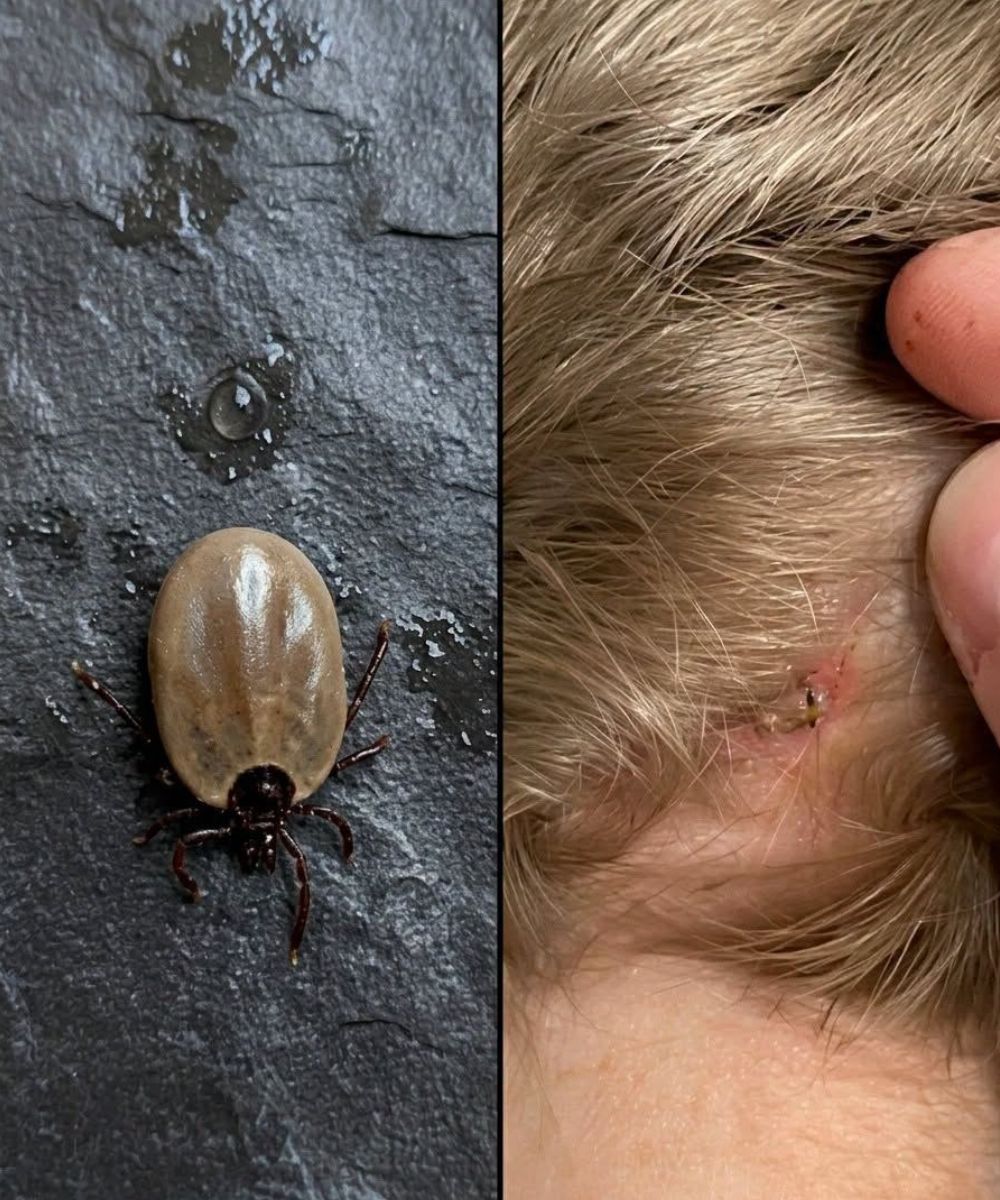
There are few moments more unsettling for a parent than discovering a tick attached to their child’s skin.
Maybe your child was playing outside all afternoon, running through grass, climbing trees, or rolling around with the family dog. Then later that night, while brushing their hair or helping them get ready for bed, you notice something small, dark, and firmly attached behind the ear or near the scalp.
Instant panic.
Your mind races immediately:
Is it dangerous?
Could it spread disease?
Should we go to the hospital?
What if I remove it wrong?
If you’ve ever experienced that moment, you are not alone.
Ticks can look frightening, especially when attached to a child, but the most important thing to remember is this:
Most tick bites do not lead to serious illness.
The key is staying calm, removing the tick properly, watching for symptoms, and understanding what actually matters medically — instead of relying on internet panic or frightening social media posts.
This guide explains everything parents should know about ticks, tick bites, safe removal, warning signs, prevention, and when to seek medical care.
Why Tick Bites Feel So Scary
Ticks trigger fear because they attach directly to the skin and feed on blood. Unlike mosquitoes, they stay attached for hours or even days.
That alone makes them feel alarming.
Additionally, many parents have heard about:
- Lyme disease
- Rocky Mountain spotted fever
- Tick paralysis
- Other tick-borne illnesses
The internet often amplifies these fears with dramatic photos and worst-case stories that make every tick seem like an emergency.
But reality is usually much less dramatic.
Most ticks:
- Never carry disease
- Are removed before transmission occurs
- Cause only mild irritation
- Do not result in long-term illness
Education helps replace panic with confidence.
Understanding What Ticks Actually Are
Ticks are tiny parasites related to spiders.
They survive by feeding on blood from:
- Deer
- Rodents
- Birds
- Pets
- Humans
Ticks cannot:
- Jump
- Fly
- Chase people
Instead, they wait on grass or plants and grab onto passing animals or humans.
This behavior is called “questing.”
Where Children Commonly Pick Up Ticks
Children are especially vulnerable because they:
- Play close to the ground
- Sit in grass
- Explore wooded areas
- Touch pets frequently
- Often miss early tick attachment
Ticks are commonly found in:
- Tall grass
- Leaf piles
- Hiking trails
- Bushes
- Forest edges
- Parks
- Backyards
- Gardens
Even suburban lawns may contain ticks.
You do not need to go deep into the wilderness to encounter them.
The Most Common Places Ticks Hide on Children
Ticks prefer warm, hidden areas.
Parents should carefully check:
- Behind the ears
- Along the hairline
- Neck folds
- Underarms
- Behind knees
- Waistbands
- Groin area
- Between toes
- Scalp
Small ticks can be extremely difficult to spot.
Some are no larger than a poppy seed.
First: Stay Calm
The moment you discover a tick, try not to panic in front of your child.
Children immediately pick up on adult fear.
If you react with panic:
- Crying
- Screaming
- Frantic movements
Your child may become terrified even if the situation is manageable.
Instead:
- Speak calmly
- Reassure them
- Explain that ticks are common
- Tell them you’re going to remove it safely
A calm response helps everyone think clearly.
How to Remove a Tick Properly
Correct removal is extremely important.
The goal is simple:
Remove the entire tick safely without squeezing or irritating it.
What You Need
You only need:
- Fine-tipped tweezers
- Soap and water
- Rubbing alcohol if available
Avoid complicated “tick kits” unless preferred.
Step-by-Step Tick Removal
Step 1: Use Fine-Tipped Tweezers
Grasp the tick as close to the skin as possible.
Try to grab:
- The mouthparts
- The head area
Avoid squeezing the swollen body.
Step 2: Pull Slowly and Steadily
Pull upward with gentle, steady pressure.
Do NOT:
- Twist
- Yank
- Crush
- Rip
Slow, consistent pressure works best.
Step 3: Clean the Area
After removal:
- Wash skin with soap and water
- Use alcohol if available
- Wash your hands thoroughly
Step 4: Dispose of the Tick
You can:
- Seal it in tape
- Place it in alcohol
- Flush it
Some parents prefer saving it in a sealed bag for identification if symptoms later appear.
Dangerous Tick Removal Myths to Avoid
Social media spreads many harmful tick “hacks.”
Do NOT:
- Burn the tick
- Cover it in nail polish
- Use petroleum jelly
- Apply essential oils
- Smother it with toothpaste
- Squeeze it aggressively
These methods may irritate the tick and increase the chance of saliva release into the skin.
Tweezers remain the safest method.
What Happens If Part of the Tick Stays Behind?
Sometimes small mouthparts remain in the skin.
This sounds frightening but is usually not dangerous.
The body often pushes tiny remnants out naturally over time.
You generally do NOT need:
- Surgery
- Digging into the skin
- Aggressive scraping
However, monitor for:
- Infection
- Increasing redness
- Swelling
- Pain
What Normal Tick Bite Reactions Look Like
Most bites cause mild local irritation.
Normal reactions may include:
- Small red bump
- Mild itching
- Temporary swelling
- Slight tenderness
This does NOT automatically mean infection or Lyme disease.
The body simply reacts to the bite itself.
Understanding Lyme Disease
Lyme disease is the tick-related illness most parents fear.
However, several important facts often get ignored online.
Not Every Tick Carries Lyme Disease
Risk depends on:
- Tick species
- Geographic location
- Length of attachment
Only certain ticks spread Lyme disease.
Transmission Usually Requires Time
In many cases, ticks must remain attached for many hours before Lyme bacteria transmit.
Early removal significantly reduces risk.
Common Early Symptoms
Possible early Lyme symptoms include:
- Fever
- Fatigue
- Headache
- Muscle aches
- Expanding rash
The “Bullseye Rash” Myth
Many people think Lyme disease always causes a perfect target-shaped rash.
Not true.
Rashes may:
- Look solid red
- Appear uneven
- Be oval-shaped
- Never appear at all
That’s why symptom monitoring matters more than internet image comparisons.
Other Tick-Borne Illnesses
Depending on the region, ticks may spread:
- Rocky Mountain spotted fever
- Ehrlichiosis
- Babesiosis
- Anaplasmosis
These illnesses are uncommon but possible.
Symptoms may include:
- Fever
- Fatigue
- Rash
- Muscle pain
- Headache
Medical attention is important if symptoms develop after a bite.
When Parents Should Call a Doctor
Call a healthcare professional if your child develops:
- Fever
- Rash
- Severe fatigue
- Headaches
- Joint pain
- Facial weakness
- Difficulty walking
- Unusual behavior
- Expanding redness
Especially mention:
- Recent tick bite
- Outdoor exposure
- Date of removal
When Emergency Care Is Needed
Seek urgent care immediately if your child develops:
- Trouble breathing
- Severe allergic reaction
- Confusion
- Seizures
- Extreme weakness
- High fever
- Signs of severe infection
These situations are rare but serious.
How Long Symptoms Can Take to Appear
Symptoms may appear:
- Days later
- Weeks later
- Occasionally longer
That’s why parents should stay observant after tick removal.
However, constantly panicking over every minor symptom is unnecessary.
Most children remain completely healthy.
How to Prevent Tick Bites
Prevention dramatically reduces risk.
Clothing Matters
When outdoors:
- Wear long sleeves
- Use long pants
- Tuck pants into socks when hiking
- Wear light colors to spot ticks easily
Use Repellent Carefully
Appropriate insect repellents may help.
Always:
- Follow label instructions
- Use child-safe products
- Avoid overapplication
Shower After Outdoor Play
Bathing after outdoor activities helps:
- Wash away unattached ticks
- Make tick checks easier
Tick Checks Should Become Routine
Daily tick checks are one of the best prevention tools.
Especially after:
- Camping
- Hiking
- Yard work
- Sports
- Playing with pets
Early discovery is extremely helpful.
Pets Can Bring Ticks Indoors
Dogs and outdoor cats frequently carry ticks into homes.
Protect pets with:
- Veterinary-approved preventatives
- Regular brushing
- Tick checks after walks
Emotional Stress After Finding a Tick
Parents often continue feeling anxious long after the tick is removed.
This is understandable.
Ticks trigger strong emotional reactions because:
- They attach directly to skin
- They are associated with disease
- Internet horror stories spread quickly
But anxiety does not equal danger.
Most tick bites resolve without complications.
Helping Children Feel Safe
Children may feel:
- Embarrassed
- Frightened
- Guilty
- Worried
Reassure them:
- “This happens to lots of kids.”
- “You did nothing wrong.”
- “We handled it quickly.”
- “You’re safe.”
Avoid making them fearful of all outdoor activities afterward.
Nature remains healthy and important for children.
Common Tick Myths
Myth: Every Tick Bite Causes Disease
False.
Most do not.
Myth: Ticks Jump From Trees
False.
Ticks crawl upward from vegetation.
Myth: Only Dirty Homes Have Ticks
False.
Ticks are outdoor parasites unrelated to cleanliness.
Myth: You Must Deep-Clean the Entire House
Usually unnecessary.
Basic cleaning is enough.
Myth: Tick Bites Always Hurt
False.
Many people never feel the bite.
Ticks release substances that help numb the area.
What About Tick Testing?
Some companies offer testing of removed ticks.
However:
- A positive tick does not guarantee infection
- A negative tick does not guarantee safety
Doctors usually focus more on:
- Symptoms
- Exposure history
- Physical examination
Why Social Media Makes Tick Fear Worse
Many viral posts use:
- Graphic close-up photos
- Exaggerated medical claims
- Fear-based headlines
This creates unnecessary panic.
Reliable medical guidance is far more helpful than internet horror stories.
Building a Calm Family Routine Around Outdoor Safety
Instead of fearing nature:
- Teach awareness
- Perform quick checks
- Use prevention tools
- Stay informed
Children should still enjoy:
- Hiking
- Camping
- Sports
- Exploring outdoors
The goal is smart caution — not fear.
Frequently Asked Questions
Should I save the tick?
You can if desired, especially if symptoms later develop.
How long can a tick stay attached?
Ticks may remain attached for several days if unnoticed.
Can ticks survive indoors?
Some can survive temporarily, especially in humid environments.
Do all tick bites need antibiotics?
No.
Doctors determine treatment based on:
- Symptoms
- Tick type
- Exposure risk
Should schools notify parents about ticks?
Many schools provide general awareness notices during peak tick seasons.
Final Thoughts
Finding a tick on your child is frightening, but panic rarely helps.
Most tick bites:
- Are manageable
- Do not cause serious illness
- Resolve without complications
The most important things parents can do are:
- Stay calm
- Remove the tick correctly
- Watch for symptoms
- Seek medical advice when appropriate
- Focus on prevention, not fear
Knowledge is far more powerful than panic.
A calm, informed parent can turn a frightening moment into a manageable one — and help their child feel safe, protected, and confident outdoors.
More Home Remedies
- Wrinkled Fingers After Water Exposure: What Your Skin May Be Telling You
- Skin Rash With Breathing Trouble? It Could Be a Life-Threatening Allergic Reaction
- I Thought It Was a Piece of Trash on the Bathroom Floor—Until It Moved
- If You Are Getting White Pimples on Your Lips or Intimate Area, Here’s What They Could Mean