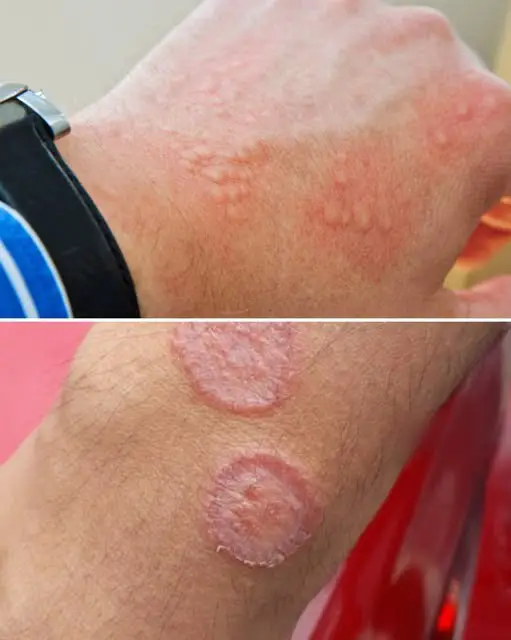
Groin skin irritation is a common yet uncomfortable issue that affects people of all ages and lifestyles. Whether it shows up as redness, itching, bumps, or circular rashes like the ones in the image above, it can quickly become frustrating—especially when it interferes with daily comfort.
The groin area creates the perfect environment for irritation: it’s warm, often moist, and exposed to constant friction. Because of this, even small triggers can lead to noticeable skin problems. The good news is that most cases are manageable once you understand what’s causing them.
In this complete guide, we’ll walk through the most common causes, how to identify each one, and what you can do right now to treat and prevent it.
Understanding Groin Skin Irritation
Your skin acts as a protective barrier, but in areas like the groin, that barrier can break down more easily. Sweat, tight clothing, and limited airflow all contribute to irritation.
When the skin becomes compromised, it can react in several ways:
- Redness or inflammation
- Itching or burning
- Bumps or pustules
- Flaky or peeling patches
- Circular rashes
Each of these signs points to a different underlying cause, so identifying the pattern is key.
1. Ingrown Hairs: Small but Irritating
What They Are
Ingrown hairs occur when a hair curls back into the skin instead of growing outward. This often leads to small red bumps that can resemble pimples.
Why They Happen
- Shaving too closely
- Waxing or plucking
- Tight clothing causing friction
- Naturally curly or coarse hair
Symptoms
- Small red bumps
- Occasional pus-filled spots
- Itching or mild pain
Treatment
- Apply warm compresses to reduce swelling
- Use gentle exfoliation to free trapped hairs
- Avoid shaving until the area heals
If left untreated, ingrown hairs can become infected, leading to more discomfort.
2. Folliculitis: Inflamed Hair Follicles
What It Is
Folliculitis is inflammation of hair follicles, often caused by bacteria, fungi, or irritation.
According to the reference guide , this condition commonly appears as small red or white-headed bumps centered around hair follicles and may feel itchy or tender.
Causes
- Bacterial infection (often Staphylococcus aureus)
- Friction from clothing
- Shaving irritation
- Exposure to contaminated water (like hot tubs)
Symptoms
- Clusters of red bumps
- Pus-filled pimples
- Mild burning sensation
Treatment
- Clean the area with antibacterial soap
- Use warm compresses
- Apply topical antibiotics if needed
- Seek medical care if severe
3. Jock Itch (Tinea Cruris): A Common Fungal Infection
What It Is
Jock itch is one of the most common causes of groin irritation. It’s a fungal infection that thrives in warm, damp environments.
Why It Happens
- Excessive sweating
- Tight or synthetic clothing
- Poor ventilation
- Sharing towels or clothing
Symptoms
- Red, ring-shaped rash
- Raised, defined edges
- Intense itching
- Flaky or peeling skin
The circular rash shown in the image is a classic sign of fungal infection.
Treatment
- Keep the area clean and dry
- Apply antifungal creams (over-the-counter options work well)
- Wear breathable cotton underwear
- Continue treatment even after symptoms fade
Consistency is crucial—stopping treatment too early can cause recurrence.
4. Chafing: Friction Damage
What It Is
Chafing occurs when skin rubs against skin or clothing, causing irritation.
Causes
- Exercise (running, cycling)
- Humid weather
- Tight clothing
- Repetitive movement
Symptoms
- Red, raw skin
- Burning sensation
- Possible blistering
Treatment
- Clean gently with mild soap
- Apply barrier creams like petroleum jelly
- Wear moisture-wicking fabrics
- Allow time for healing
Chafing can worsen quickly if not addressed early.
5. Contact Dermatitis: Reaction to Products
What It Is
Contact dermatitis is a reaction to irritants or allergens.
Common Triggers
- Soaps and body washes
- Laundry detergents
- Fragrances
- Fabric materials
Symptoms
- Red rash
- Itching
- Dry or cracked skin
Treatment
- Identify and remove the trigger
- Use fragrance-free products
- Apply soothing creams
This condition often improves quickly once the irritant is removed.
6. Yeast Infections: Moisture-Driven Irritation
What It Is
Yeast infections occur when natural fungi overgrow in moist environments.
Causes
- Excess moisture
- Tight clothing
- Poor ventilation
Symptoms
- Bright red rash
- Intense itching
- Smooth, shiny skin
Treatment
- Antifungal creams
- Keeping the area dry
- Wearing breathable fabrics
Daily Habits That Prevent Irritation
Prevention is often easier than treatment. Small changes can make a big difference.
Maintain Proper Hygiene
Wash the area daily with mild, fragrance-free soap. Dry thoroughly afterward.
Choose the Right Clothing
- Wear loose-fitting underwear
- Choose breathable cotton fabrics
- Avoid tight synthetic materials
Stay Dry
Moisture is a major trigger. Use powders if needed and change out of sweaty clothes quickly.
Practice Safe Grooming
- Use clean, sharp razors
- Shave in the direction of hair growth
- Consider trimming instead of shaving
What NOT to Do
Avoid these common mistakes:
- Using harsh or scented products
- Ignoring early symptoms
- Continuing to shave over irritated skin
- Wearing tight clothing during healing
These habits can prolong or worsen the condition.
When to See a Doctor
While most cases improve with home care, some require medical attention.
Seek help if:
- Symptoms last longer than 1–2 weeks
- The rash spreads rapidly
- There is severe pain or swelling
- Pus or drainage appears
- You suspect a more serious condition
Early treatment prevents complications.
Why Groin Irritation Keeps Coming Back
Recurring irritation often points to underlying habits or conditions.
Common reasons include:
- Chronic moisture
- Poor clothing choices
- Repeated friction
- Incomplete treatment of infections
Addressing the root cause is essential for long-term relief.
Long-Term Skin Care Strategy
To keep your skin healthy:
- Moisturize regularly with gentle products
- Keep the area clean and dry
- Rotate clothing to avoid repeated irritation
- Use preventive antifungal powders if prone to infections
Consistency matters more than quick fixes.
Final Thoughts
Groin skin irritation is uncomfortable, but it’s usually manageable once you understand the cause. Whether it’s fungal, bacterial, or caused by friction, the key is early action and proper care.
Simple steps—like keeping the area dry, choosing breathable clothing, and using the right treatments—can make a huge difference.
More Home Remedies
- Wrinkled Fingers After Water Exposure: What Your Skin May Be Telling You
- Skin Rash With Breathing Trouble? It Could Be a Life-Threatening Allergic Reaction
- I Thought It Was a Piece of Trash on the Bathroom Floor—Until It Moved
- If You Are Getting White Pimples on Your Lips or Intimate Area, Here’s What They Could Mean