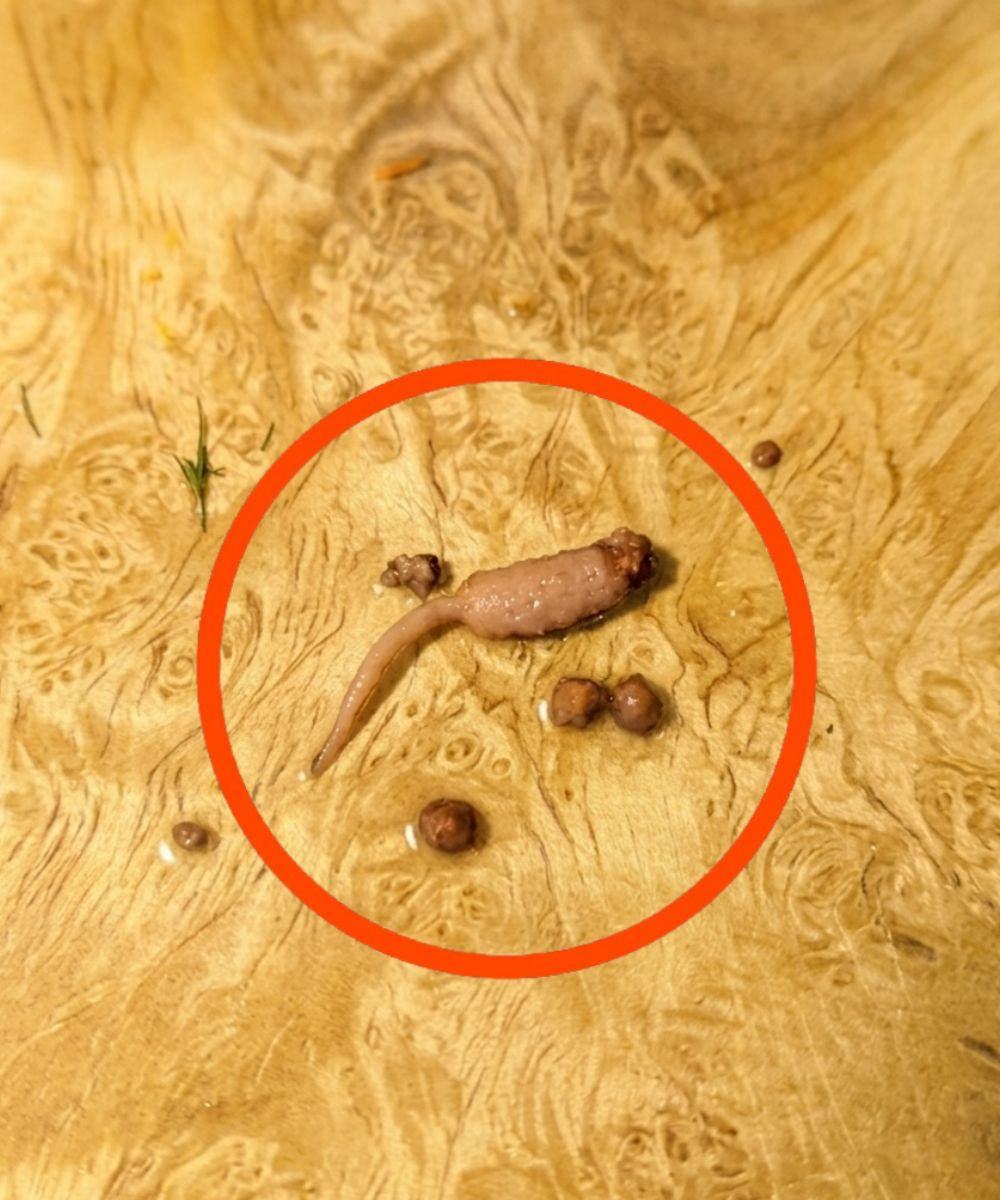
Finding something unusual in your food is never a pleasant experience—especially when it’s in something as common as ground beef. One moment you’re cooking dinner, and the next, you notice a strange piece that doesn’t look, feel, or behave like meat. It’s unsettling, and your first instinct might be to panic or question the safety of the entire meal.
The truth is, while this situation can be alarming, it’s not always dangerous. Ground beef goes through multiple processing stages before it reaches your kitchen, and sometimes small irregularities can slip through. Some of these are harmless, while others require more caution.
In this guide, we’ll walk through everything you need to know: what that strange object could be, when it’s safe, when it’s not, and exactly what to do next.
🔍 Why This Happens in Ground Beef
Ground beef is made by grinding different cuts of meat together. During this process, various parts of the animal—like muscle, fat, and sometimes connective tissue—are blended into one product.
In large-scale meat processing facilities, machines and human handling are involved. While strict quality controls are in place, no system is perfect. Occasionally, something unexpected may appear in the final product.
That’s why it’s possible to encounter pieces that look unfamiliar, even if the meat itself is safe to eat.
🥩 Common Harmless Possibilities
Let’s start with the most likely—and usually harmless—explanations.
1. Connective Tissue or Cartilage
One of the most common “strange” things people find in ground beef is connective tissue.
What it looks like:
- White or slightly translucent
- Tough and rubbery
- Doesn’t break down easily when cooked
Why it’s there:
Connective tissue (like tendons or gristle) helps hold muscle together in animals. During grinding, small bits can remain if the trimming process isn’t perfect.
Is it safe?
Yes. It’s completely safe to eat, although most people prefer to remove it because of the unpleasant texture.
2. Fat Clumps
Sometimes what looks unusual is simply a concentrated piece of fat.
What it looks like:
- Pale yellow or off-white
- Soft when warm, firmer when cooled
- May appear as a small lump or chunk
Why it’s there:
Ground beef contains varying fat percentages (like 80/20 or 90/10). Fat doesn’t always distribute evenly, especially in lower-quality or loosely mixed batches.
Is it safe?
Yes. Fat is a normal part of beef. It may not look appealing, but it’s harmless.
3. Lymph Nodes
This one surprises a lot of people.
What it looks like:
- Small, firm nodules
- Pale white, gray, or slightly yellow
- Often round or bean-shaped
Why it’s there:
Lymph nodes are part of the animal’s immune system. During meat processing, they are supposed to be removed—but occasionally, one may remain if trimming isn’t thorough.
Is it safe?
Technically, yes—especially when fully cooked. However, many people find them unappetizing and prefer not to eat them.
4. Bone Fragments
Tiny bone pieces can sometimes make their way into ground meat.
What it looks like:
- Hard, sharp or jagged
- White or off-white
- Doesn’t soften during cooking
Why it’s there:
During cutting and grinding, small bone chips can break off and mix with the meat.
Is it safe?
Not ideal. While not toxic, they can be dangerous to chew and may damage teeth or pose a choking risk. It’s best to remove them.
⚠️ Less Common but Concerning Possibilities
While most findings are harmless, there are cases where you should be more cautious.
5. Plastic or Packaging Material
What it looks like:
- Bright colors (blue, red, clear)
- Smooth, flexible, or shiny surface
- Clearly not organic
Why it’s there:
It could come from packaging materials or processing equipment.
Is it safe?
No. This is considered contamination. You should not consume the meat.
6. Metal Fragments
What it looks like:
- Shiny, silver, or gray
- Hard and rigid
- May reflect light
Why it’s there:
In rare cases, machinery parts or shavings can end up in food products.
Is it safe?
No. This is a serious issue and should be reported immediately.
7. Rubber or Industrial Residue
What it looks like:
- Dark, flexible material
- Unusual smell
- Doesn’t resemble food at all
Why it’s there:
It may come from seals, gloves, or equipment used during processing.
Is it safe?
No. Avoid eating and treat it as contamination.
🚩 Signs You Should Not Ignore
It’s important to trust your instincts. You should avoid eating the meat entirely if:
- The object is clearly not meat
- It has a strange color (blue, green, bright white)
- It feels unnaturally hard or sharp
- There’s a chemical or unpleasant odor
- The meat itself smells spoiled or off
When something feels wrong, it’s better to be cautious.
✅ What You Should Do Immediately
If you discover a strange object in your ground beef, follow these steps:
1. Stop Eating
Even if you’ve already taken a bite, stop immediately. It’s not worth the risk.
2. Isolate the Object
Remove the object and keep it separate. Avoid throwing it away right away—it may be useful for identifying the issue.
3. Check the Packaging
Look for important details such as:
- Brand name
- Store where it was purchased
- Batch or lot number
- Expiration date
This information will be important if you need to report the issue.
4. Take Photos
Document everything:
- The object itself
- The cooked or raw meat
- The packaging
Photos help support your claim and make it easier for companies to investigate.
5. Contact the Store or Manufacturer
Most companies take food safety very seriously. They may:
- Offer a refund or replacement
- Ask for more details
- Launch an internal investigation
In many cases, they will appreciate you bringing the issue to their attention.
6. Report to Food Safety Authorities
If the object appears dangerous (metal, plastic, etc.), consider reporting it to your country’s food safety agency.
This helps prevent similar incidents and protects other consumers.
🧠 How to Reduce the Risk in the Future
While you can’t eliminate the risk entirely, you can take steps to minimize it.
Buy From Trusted Sources
Choose reputable brands and stores known for quality control. Butchers and well-reviewed supermarkets are often safer choices.
Inspect Before Cooking
Before you start cooking, take a quick look at the raw meat. While not everything is visible, you might catch something unusual early.
Cook Thoroughly
Proper cooking kills harmful bacteria, even if the texture isn’t perfect.
Consider Grinding Your Own Meat
If you want full control, you can grind beef at home using a food processor or meat grinder. This reduces surprises and improves quality.
🥄 Is It Ever Safe to Keep Eating?
This is a common question.
If the object is clearly:
- Fat
- Connective tissue
- Cartilage
…then the rest of the meat is usually safe, especially if fully cooked.
However, if you feel uncomfortable—even slightly—it’s completely reasonable to discard the entire portion. Peace of mind matters.
⚖️ Understanding the Balance
It’s easy to assume the worst when you find something strange in your food. But in reality, most cases are harmless and simply the result of natural variations in meat processing.
At the same time, genuine contamination—though rare—can happen. That’s why awareness is important.
Knowing the difference between normal and abnormal can help you react calmly and make the right decision.
🧾 Final Thoughts
Finding a strange object in ground beef is definitely unsettling, but it doesn’t always mean something is wrong.
In many cases, it’s just:
- A piece of connective tissue
- A fat clump
- A small natural remnant from the animal
These are safe, even if they’re not appealing.
However, if the object looks artificial, hard, or suspicious, you should treat it seriously:
- Don’t eat the meat
- Document the issue
- Contact the manufacturer
- Report if necessary
👉 When in doubt, it’s always better to throw it out.
Your health and safety come first—and a single meal is never worth the risk.
More Home Remedies
- Wrinkled Fingers After Water Exposure: What Your Skin May Be Telling You
- Skin Rash With Breathing Trouble? It Could Be a Life-Threatening Allergic Reaction
- I Thought It Was a Piece of Trash on the Bathroom Floor—Until It Moved
- If You Are Getting White Pimples on Your Lips or Intimate Area, Here’s What They Could Mean