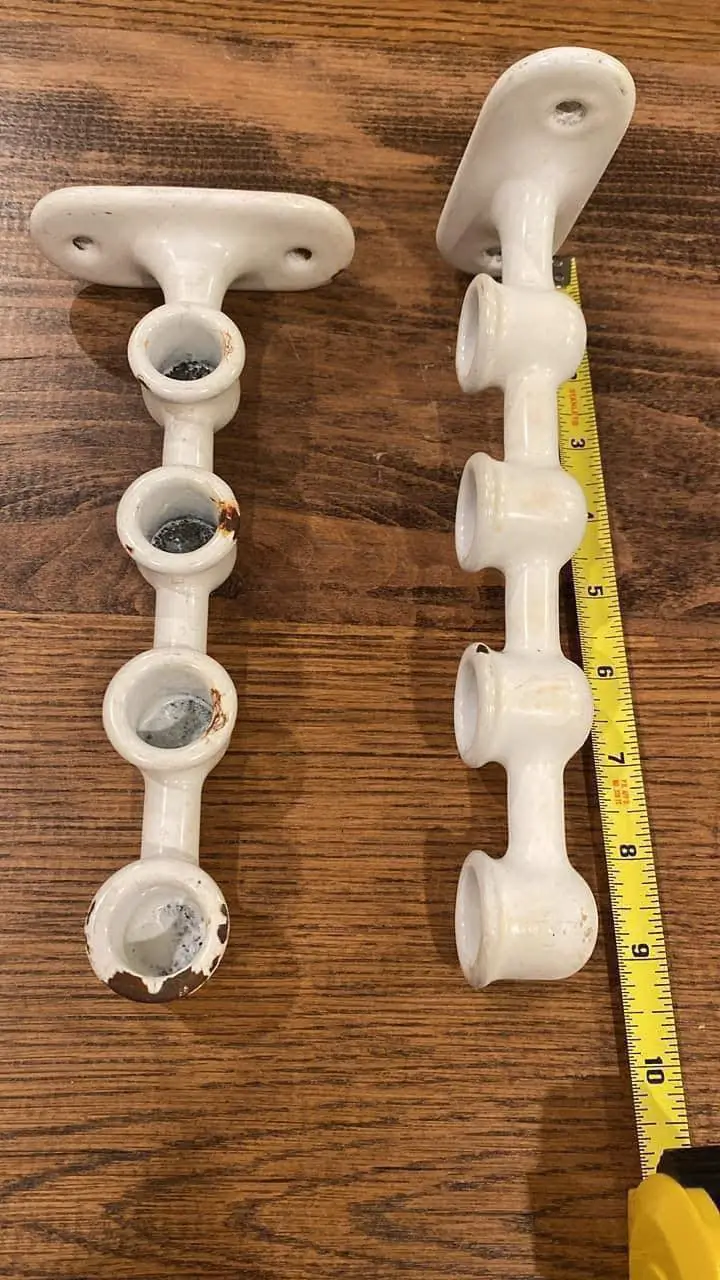
In a world filled with smart appliances, fast furniture, and disposable household products, an unexpected household item is making a remarkable comeback: the vintage drying rack.
Once considered a simple necessity tucked away in laundry rooms and porches, these classic wooden racks are now appearing in modern homes as both practical tools and stylish decorative pieces. Their growing popularity reflects a broader shift toward sustainability, craftsmanship, and thoughtful living.
What was once an ordinary household object has become a symbol of durability, simplicity, and timeless design.
What Exactly Is a Vintage Drying Rack?
Before electric dryers became common household appliances, drying racks played an essential role in daily life. Families relied on them to air-dry clothing, linens, and delicate fabrics indoors.
Traditional drying racks were typically crafted from solid hardwoods such as:
- Oak
- Maple
- Birch
- Ash
Wooden dowels stretched across sturdy folding frames, creating multiple levels for hanging garments and household textiles.
Unlike many modern plastic alternatives, these racks were designed to withstand years of regular use. Quality craftsmanship, solid joinery, and durable materials allowed many vintage examples to survive for generations.
Many antique racks still function perfectly today despite being decades old.
Why Vintage Drying Racks Are Trending Again
The renewed interest in vintage drying racks is about much more than laundry.
People increasingly seek products that:
- Last longer
- Create less waste
- Serve multiple purposes
- Add character to their homes
Vintage drying racks satisfy all of these goals simultaneously.
As consumers become more conscious of environmental impact, reusable and repairable household items have become increasingly attractive alternatives to disposable products.
A vintage rack embodies the opposite of planned obsolescence. Instead of replacing it every few years, owners often pass it down through generations.
The Rise of Slow Living
One major reason for the drying rack’s resurgence is the growing popularity of slow living.
Many people are embracing simpler routines that encourage mindfulness and intentional habits. Air-drying clothing naturally fits within this philosophy.
Rather than rushing every household task through machines, some homeowners appreciate:
- Reducing energy consumption
- Extending garment life
- Slowing down daily routines
- Enjoying traditional household practices
The simple act of hanging laundry can become a calming ritual instead of another chore to complete quickly.
For many, the appeal is as much emotional as practical.
A Sustainable Alternative to Modern Products
Vintage drying racks appeal strongly to environmentally conscious consumers.
Choosing a pre-owned rack means:
- No new manufacturing required
- No additional plastic waste
- Fewer resources consumed
- Reduced environmental impact
Because these racks are typically made from natural materials, they can often be repaired rather than discarded.
Loose screws, worn finishes, or minor damage can usually be restored with basic tools and minimal expense.
This repairability stands in sharp contrast to many modern household products designed for replacement rather than maintenance.
Creative Ways People Use Vintage Drying Racks Today
Modern homeowners have discovered that drying racks can do far more than hold laundry.
Their simple design makes them incredibly versatile throughout the home.
Plant Displays
Indoor gardeners frequently use drying racks to display trailing plants such as:
- Pothos
- String of pearls
- Ivy
- Philodendrons
The horizontal dowels provide natural support for cascading vines while creating a visually appealing display.
Jewelry Organizers
Many people repurpose smaller racks as jewelry holders.
Necklaces, bracelets, scarves, and accessories can hang neatly from individual dowels, preventing tangles while creating an attractive display.
Towel Stations
Bathrooms often benefit from additional towel storage.
A vintage drying rack positioned near a radiator or heating source can serve as an attractive towel warmer and organizer.
Decorative Storage
Some homeowners use drying racks for:
- Blankets
- Magazines
- Books
- Craft supplies
- Children’s artwork
Their open design allows items to remain accessible while reducing clutter.
Wall Art
Creative decorators occasionally mount vintage drying racks directly onto walls.
The natural wood grain and geometric structure create visual interest without overwhelming a room.
In minimalist interiors, these pieces function as both sculpture and conversation starters.
How to Identify a Quality Vintage Drying Rack
Not every old drying rack offers the same level of craftsmanship.
When shopping for one, look for several key features.
Solid Wood Construction
Quality vintage racks are usually built from real hardwood rather than particleboard or veneer-covered materials.
Solid wood generally provides greater durability and easier restoration.
Strong Joinery
Examine how the rack is assembled.
Well-made pieces often feature:
- Mortise-and-tenon joints
- Dovetail construction
- Quality screws
- Reinforced hardware
These details indicate careful craftsmanship.
Smooth Dowels
Dowels should feel smooth and sturdy without excessive splintering, cracking, or bending.
Minor wear is normal and often adds character.
Patina vs. Damage
A warm aged finish can enhance beauty and authenticity.
However, avoid pieces with:
- Severe cracking
- Rot
- Significant warping
- Structural instability
These issues may compromise functionality.
Where to Find Vintage Drying Racks
Finding an authentic vintage rack often becomes part of the fun.
Popular sources include:
- Antique stores
- Estate sales
- Flea markets
- Thrift shops
- Facebook Marketplace
- Online vintage marketplaces
- Family attics and basements
Many people discover forgotten racks hidden in older homes, barns, or storage spaces where they have remained untouched for decades.
Because demand has increased recently, prices vary widely depending on condition, age, and craftsmanship.
Caring for a Vintage Drying Rack
Fortunately, maintenance is simple.
To preserve your rack:
- Dust regularly with a soft cloth
- Avoid prolonged moisture exposure
- Wipe spills immediately
- Store indoors when possible
- Apply beeswax or mineral oil occasionally
These simple habits help prevent drying, cracking, and deterioration.
When not in use, many folding racks can be stored flat to minimize stress on joints and hinges.
More Than a Household Tool
Part of the drying rack’s appeal lies in what it represents.
These pieces remind us of an era when household objects were built with care and intended to last. They reflect craftsmanship, practicality, and a slower approach to everyday life.
Unlike many modern products designed for quick replacement, vintage drying racks continue serving their purpose decade after decade.
Whether used for laundry, plants, storage, or decoration, they connect past and present in a surprisingly meaningful way.
Final Thoughts
The vintage drying rack’s resurgence proves that good design never truly goes out of style.
Its combination of functionality, sustainability, durability, and visual warmth makes it as relevant today as it was generations ago.
In a culture often focused on convenience and consumption, this humble household item offers something refreshingly different: simplicity that works.
Whether you use it for drying clothes, displaying plants, organizing accessories, or adding character to your home, a vintage drying rack represents more than practicality—it represents a thoughtful way of living.
Sometimes the smartest innovations are the ones that have been quietly working all along.
More Home Remedies
- Wrinkled Fingers After Water Exposure: What Your Skin May Be Telling You
- Skin Rash With Breathing Trouble? It Could Be a Life-Threatening Allergic Reaction
- I Thought It Was a Piece of Trash on the Bathroom Floor—Until It Moved
- If You Are Getting White Pimples on Your Lips or Intimate Area, Here’s What They Could Mean