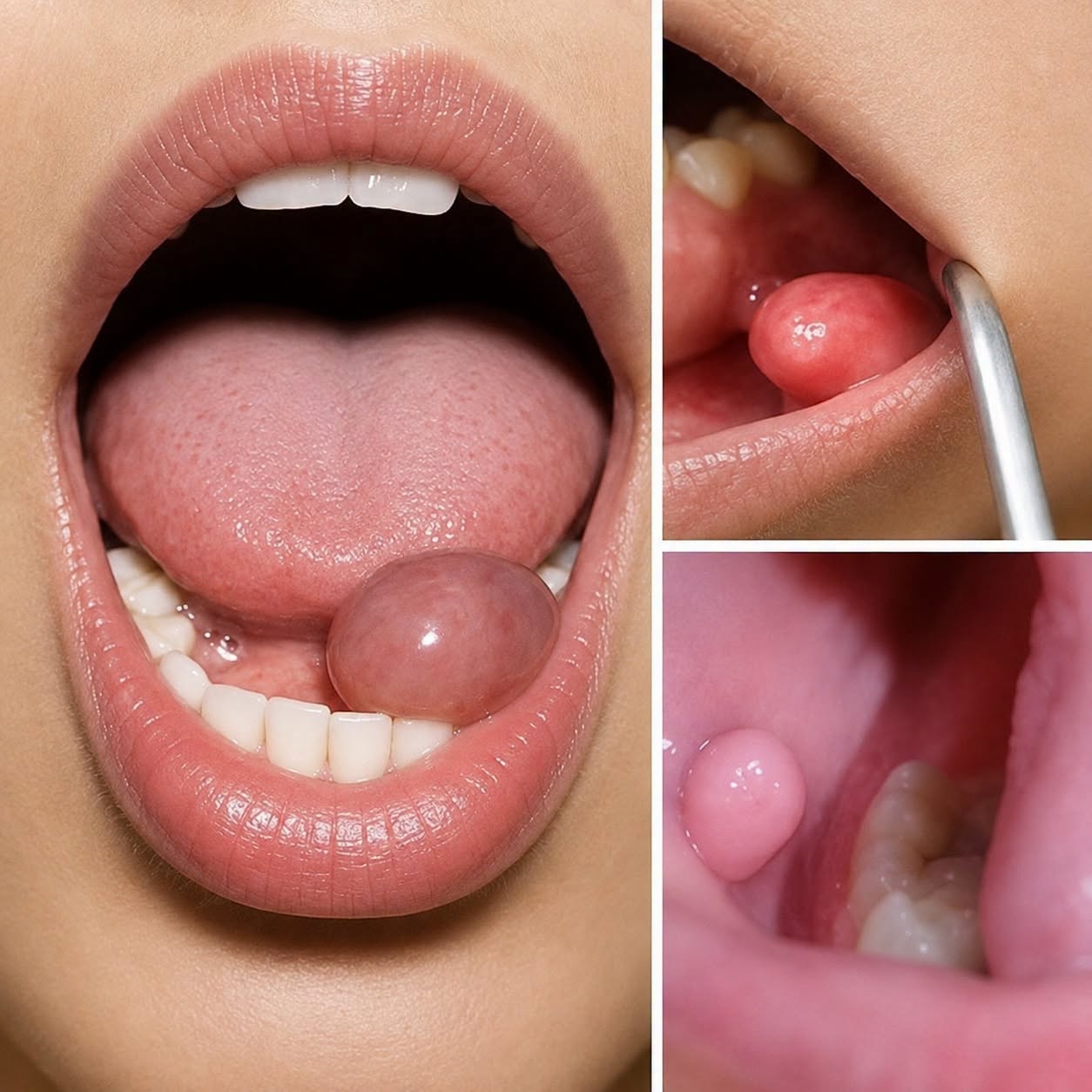
Before we get into what that unfamiliar bump might mean, let’s gather a few simple tools that can help you observe changes without becoming overwhelmed.
- 1 small flashlight: Good lighting makes it easier to see the inside of your cheeks, gums, tongue, and roof of your mouth. Substitute: The flashlight on your phone works perfectly well.
- 1 clean mirror: A well-lit bathroom mirror can help you inspect areas that are difficult to see normally.
- 1 symptom journal: Write down when you first noticed the lump, where it is located, whether it hurts, and whether it changes over time. Substitute: Your phone’s notes app.
- 1 gentle oral-care routine: Continue brushing twice daily with fluoride toothpaste and cleaning between your teeth. Avoid aggressively brushing or poking the affected area.
- A generous dose of patience: Many mouth changes are temporary and harmless, but persistent or unusual changes deserve professional attention.
Step-by-Step: What to Do When You Notice a Lump
Step 1: Take a Calm Look
The first thing to remember is that a lump does not automatically mean cancer.
The mouth can develop many ordinary changes. Minor trauma from accidentally biting your cheek, irritation from a sharp tooth or dental appliance, canker sores, blocked salivary glands, cysts, and other benign conditions can all produce bumps or areas that feel different.
Take a good look rather than repeatedly touching the area with your tongue or fingers.
Step 2: Think About Recent Irritation
Ask yourself whether anything may have irritated the area recently.
Perhaps you accidentally bit your cheek while eating. Maybe a new denture, retainer, sharp tooth, or dental filling has been rubbing against the tissue. Even very hot foods can temporarily irritate the delicate lining of the mouth.
If there is an obvious source of irritation, removing that irritation may allow the area to settle.
Step 3: Pay Attention to How It Behaves
Don’t focus only on how the lump looks today. Notice what happens over time.
Keep track of:
- Whether it is painful or painless
- Whether it becomes smaller or larger
- Whether it feels soft, firm, or hard
- Whether the surrounding tissue becomes red or swollen
- Whether there is bleeding
- Whether the area repeatedly breaks down into an ulcer
- Whether eating, swallowing, or speaking becomes uncomfortable
This information can be extremely helpful if you eventually need to see a dentist or doctor.
Step 4: Give Minor Irritation Time to Heal
If the area appears to be the result of a minor injury, avoid repeatedly irritating it.
Choose softer foods temporarily if chewing is uncomfortable, keep your mouth clean, and avoid tobacco products. Don’t attempt to cut, squeeze, burn, or puncture an unexplained lump yourself.
A little restraint can prevent a small irritation from becoming a much bigger problem.
Step 5: Know When Persistence Matters
This is where being proactive becomes important.
A mouth lump, sore, thickened area, or unexplained patch that doesn’t go away or continues to change should be evaluated by a dentist or healthcare professional.
Particular attention is warranted when a change persists for around two weeks or longer, especially when there is no obvious explanation.
That doesn’t mean something serious is necessarily happening. It simply means that persistent changes deserve a professional pair of eyes.
Step 6: Watch for Warning Signs
Contact a dentist or healthcare professional if you notice a persistent mouth change accompanied by symptoms such as:
- A sore that does not heal
- A lump or thickened area that persists or grows
- Unexplained bleeding
- Persistent red or white patches
- Numbness or unusual loss of sensation
- Ongoing pain without an obvious cause
- Difficulty chewing, swallowing, or moving the tongue
- Persistent hoarseness or a change in the voice
- A persistent feeling that something is stuck in the throat
- An unexplained lump in the neck
These symptoms can have many causes, and most do not automatically indicate cancer. The important point is not to diagnose yourself from a symptom list.
What About Oral Cancer?
This is often the frightening thought that appears immediately after discovering a mouth lump.
Oral cancer can cause changes such as persistent sores, lumps, unexplained bleeding, red or white patches, numbness, or difficulty swallowing. However, these signs overlap with many noncancerous conditions.
That is why the appearance of one symptom isn’t enough to determine what is happening.
A dentist or doctor can examine the area properly and decide whether monitoring, treatment, imaging, or further testing is appropriate.
A Simple Rule to Remember
When it comes to your mouth, think:
Notice it. Don’t panic. Don’t ignore it.
A tiny bump that disappears after a few days may simply have been a minor irritation.
A change that persists, grows, repeatedly returns, or develops additional warning signs deserves professional evaluation.
The goal isn’t to become frightened by every little change. The goal is to become comfortable noticing changes and knowing when to ask for help.
The Bottom Line
Your body doesn’t come with a notification panel telling you exactly what every new bump or sensation means. Sometimes a small mouth lump is nothing more than irritation or another harmless condition. Sometimes, however, persistence is a reason to have it checked.
So if you discover something unusual, take a breath. Get a good look. Make a note of when you noticed it. Avoid irritating it further, and give yourself a clear point at which you’ll seek professional advice if it doesn’t improve.
And remember: getting something checked is not the same as expecting bad news.
It is simply good health stewardship—and sometimes the most reassuring answer is the one you get from a professional who can actually examine you.
More Blog
- Drinking Water on an Empty Stomach — What Science Actually Supports (No Hype, Just Facts)
- Waking Up Between 3 and 5 AM? It Might Be Your Soul Trying to Talk to You
- What a “Bleach” Patch on Your Underwear Really Means — And Why It’s Actually a Good Sign
- This Drink May Weaken Your Bones From The Inside — But Everyone Drinks It Anyway