An H. pylori infection can quietly live in the stomach for years without causing obvious symptoms. Some people discover it only after developing persistent stomach pain, an ulcer, unexplained nausea, or anemia. Others find it during testing for digestive problems and immediately start searching for ways to treat it naturally.
That search often leads to claims about garlic, honey, probiotics, broccoli sprouts, herbal extracts, and special diets. Some of these approaches may support digestive health or reduce certain symptoms. However, current medical evidence does not support using food or supplements alone as a reliable way to eradicate an established H. pylori infection.
I remember how confusing this topic felt the first time I compared natural-treatment articles with medical guidelines. One source would describe a particular food as if it could eliminate the bacteria, while another would insist that medication remained essential. The difference became clearer once I separated “may have antibacterial activity in a laboratory” from “has been proven to reliably eradicate an infection in people.” Those statements sound similar, but they are not interchangeable. That distinction matters because H. pylori can cause long-term stomach inflammation even when symptoms stay mild or disappear.
Helicobacter pylori also deserves attention because chronic infection increases the risk of peptic ulcer disease and certain stomach cancers. The National Cancer Institute describes chronic H. pylori infection as a major risk factor for gastric cancer and notes that eradication treatment reduces that risk.
What H. pylori Infection Actually Does
How the Bacteria Survive in the Stomach
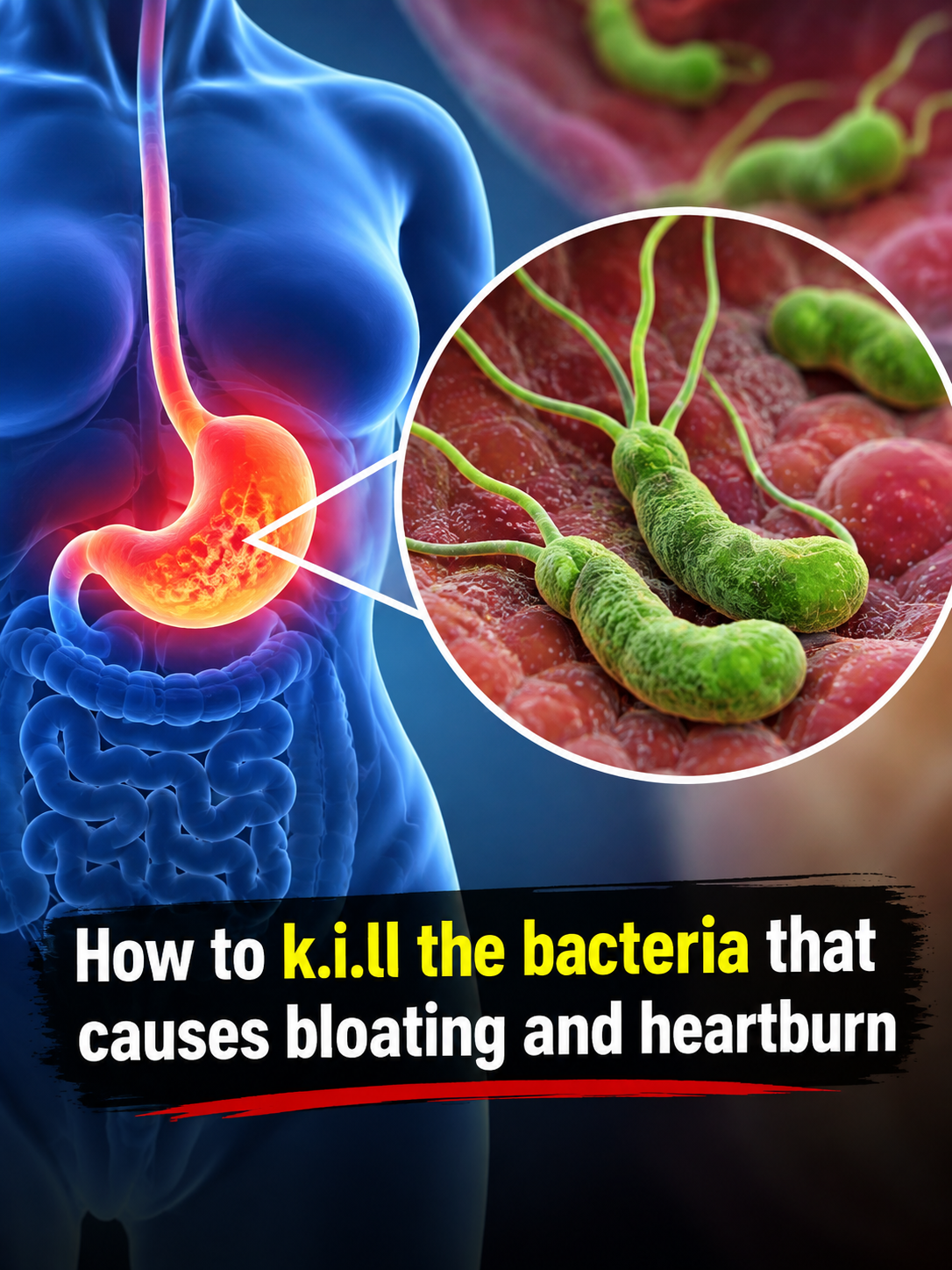
Helicobacter pylori is a spiral-shaped bacterium that colonizes the mucus layer lining the stomach. Unlike many organisms, it can survive in the stomach’s acidic environment by creating a more favorable local environment around itself. It can also attach to cells in the stomach lining and interfere with normal immune responses.
Once established, the bacteria can cause chronic gastritis, which means long-term inflammation of the stomach lining. Many infected people never notice obvious symptoms. Mayo Clinic notes that most H. pylori infections produce no symptoms, although symptomatic people may develop abdominal burning or aching, nausea, bloating, loss of appetite, frequent burping, or weight loss.
The absence of symptoms does not necessarily mean the bacteria have disappeared. H. pylori can remain in the stomach until effective treatment eradicates it. Therefore, a person should not assume that feeling better after dietary changes or supplements proves the infection is gone.
Why Doctors Take H. pylori Seriously
One major concern involves ulcers. H. pylori can damage the protective environment of the stomach and upper small intestine and contributes substantially to peptic ulcer disease. When ulcers develop, people may experience burning abdominal pain, nausea, or, in more serious cases, gastrointestinal bleeding.
Chronic infection also increases the risk of gastric adenocarcinoma and gastric mucosa-associated lymphoid tissue, or MALT, lymphoma. The International Agency for Research on Cancer classified H. pylori as a human carcinogen because of the evidence connecting persistent infection with stomach cancer. The National Cancer Institute further notes that eradication of H. pylori reduces gastric cancer risk.
However, this does not mean that everyone with an H. pylori infection will develop cancer. Most infected people never develop stomach cancer. The important point is that infection increases risk over time, which helps explain why medical guidelines focus on reliable eradication rather than simply controlling symptoms.
How H. pylori Is Diagnosed and Treated
Tests That Confirm an Active Infection
Doctors can diagnose H. pylori in several ways. A urea breath test checks whether the bacteria break down a specially labeled form of urea. A stool antigen test looks for H. pylori proteins in a stool sample. Both tests can detect active infection.
Doctors may also diagnose H. pylori using tissue samples collected during an upper endoscopy. However, Mayo Clinic notes that endoscopy is more invasive and usually serves additional purposes, such as evaluating other digestive conditions or investigating treatment failure.
Blood antibody tests exist, but they can remain positive after an infection has disappeared. Therefore, they generally cannot reliably confirm successful eradication. Breath or stool testing usually provides a more useful answer when checking whether treatment worked.
Why Antibiotic-Based Eradication Matters
The medical goal is not simply to reduce stomach discomfort. It is to eliminate the bacteria. Mayo Clinic explains that treatment commonly includes at least two antibiotics along with medication that reduces stomach acid. Bismuth may also form part of the regimen.
The exact drug combination depends on factors such as previous antibiotic exposure, local antibiotic resistance, allergies, and earlier treatment attempts. Therefore, people should not choose antibiotics independently or copy another person’s regimen. Using an ineffective combination can fail to eradicate the infection and contribute to antibiotic resistance.
Finishing the prescribed treatment also matters. Symptoms can improve before the bacteria disappear completely. Stopping treatment early because the stomach feels better can leave surviving bacteria behind and reduce the chance of successful eradication.
Natural Support Versus Claims of a Natural Cure
What Foods and Supplements Can Realistically Do
Certain foods and plant compounds have attracted scientific interest because they show antibacterial or anti-inflammatory activity in laboratory or small clinical studies. Broccoli sprouts, garlic, honey, green tea compounds, cranberry products, and various herbal extracts commonly appear in discussions about H. pylori infection.
However, showing that a substance slows bacterial growth in a laboratory does not prove that eating it will eradicate H. pylori inside the human stomach. The digestive system changes compounds through acid exposure, metabolism, absorption, and interactions with other foods. A treatment must also reach effective concentrations safely and consistently.
Therefore, foods should primarily serve as nutritional support rather than replacements for prescribed eradication therapy. A balanced diet can help someone maintain adequate nutrition, tolerate treatment better, and manage digestive discomfort. Those benefits still matter even though they do not qualify as a cure.
Probiotics May Support Treatment but Do Not Replace It
Probiotics deserve special attention because researchers have studied them alongside conventional H. pylori treatment. Certain probiotic strains may reduce antibiotic-associated diarrhea, nausea, or other gastrointestinal side effects in some people. Some studies also suggest that specific probiotics may modestly improve eradication rates when used as an adjunct.
However, probiotics alone do not reliably eradicate H. pylori infection. Their potential value lies in supporting standard therapy rather than replacing it. Furthermore, different probiotic strains have different effects, so claims about “probiotics” as a single treatment oversimplify the evidence.
People with serious illnesses, weakened immune systems, or complex medical conditions should also discuss supplements with a healthcare professional before starting them. Even seemingly simple natural products can interact with medications or create unwanted effects.
Recovery, Follow-Up Testing, and Long-Term Stomach Health
Why a Test of Cure Is Essential
Feeling better does not prove that treatment eliminated the infection. For that reason, follow-up testing plays a central role in modern H. pylori care. Mayo Clinic recommends checking for eradication at least four weeks after completing antibiotics.
A urea breath test or stool antigen test commonly confirms whether the bacteria remain. Certain medications, especially acid-suppressing drugs, can affect test accuracy, so patients should follow their clinician’s instructions before testing. The timing of medication changes should come from a healthcare professional rather than from general online advice.
If the test remains positive, treatment may require a different antibiotic combination. Failure does not necessarily mean someone did anything wrong. Antibiotic resistance can make H. pylori difficult to eradicate, which is one reason clinicians increasingly tailor subsequent therapy to previous medications and, when available, resistance information.
Protecting Your Stomach During and After Treatment
While taking treatment, follow the prescribed medication schedule closely. Eating patterns may also influence how comfortable you feel, especially when gastritis or ulcers make the stomach sensitive. Smaller meals and avoiding foods that clearly trigger symptoms can help some people.
Smoking can worsen ulcer healing and generally harms digestive health, so stopping tobacco use offers important benefits. Alcohol may also irritate the stomach and can interact with certain medications, so ask your prescriber what you should avoid during therapy.
Finally, seek urgent care for warning signs such as black, tarry stools, vomiting blood, severe or sudden abdominal pain, fainting, or symptoms of significant bleeding. Mayo Clinic specifically advises immediate medical attention for severe abdominal pain or black, tarry stools. These symptoms deserve medical evaluation rather than home treatment.
Frequently Asked Questions
Can H. pylori be cured naturally without antibiotics?
Current evidence does not support foods, herbs, or supplements as reliable standalone eradication treatments for an established H. pylori infection. Some natural products may have supportive effects, but standard medical treatment uses antibiotics combined with acid-suppressing medication and sometimes bismuth.
Can garlic or honey kill H. pylori?
Garlic, honey, and other foods contain compounds that can show antimicrobial activity under laboratory conditions. However, laboratory activity does not prove that eating those foods will eliminate H. pylori from the human stomach. They should not replace prescribed eradication therapy.
Can probiotics cure H. pylori?
Probiotics may help reduce treatment-related gastrointestinal side effects and could improve eradication success modestly in some settings. However, they do not reliably eliminate H. pylori when used alone. Think of them as a possible supportive tool rather than the main treatment.
Why do I need another test if I feel better?
Symptoms can disappear even when H. pylori remains in the stomach. Follow-up testing confirms whether treatment actually eradicated the bacteria. Mayo Clinic recommends testing at least four weeks after completing antibiotic therapy.
Does everyone with H. pylori get stomach cancer?
No. Most people with H. pylori do not develop stomach cancer. However, chronic infection increases the risk of gastric adenocarcinoma and gastric MALT lymphoma, which is why doctors take eradication seriously. Research also shows that treating H. pylori reduces gastric cancer risk.
Conclusion
An H. pylori infection deserves a balanced approach. Natural foods, probiotics, hydration, and a stomach-friendly diet can support overall health and may help some people tolerate treatment more comfortably. However, supportive care is different from bacterial eradication.
Current evidence supports antibiotic-based combination therapy as the reliable method for eliminating H. pylori. Treatment typically combines antibiotics with acid suppression and, in some regimens, bismuth. Because resistance patterns and personal medical histories differ, the exact regimen should come from a qualified healthcare professional.
Follow-up matters just as much as treatment itself. Even when your stomach feels dramatically better, a breath or stool test can confirm whether the bacteria are truly gone. Successful eradication reduces the risk of future ulcers and lowers the long-term risk associated with chronic H. pylori infection.
Natural support and medical treatment do not need to compete with each other. You can eat nourishing foods, support your digestive health, and discuss probiotics or supplements with your clinician while still using the therapy that has the strongest evidence for actually clearing the infection. That combination keeps the focus where it belongs: eliminating the bacteria safely while helping your stomach recover.
More Blog
- Drinking Water on an Empty Stomach — What Science Actually Supports (No Hype, Just Facts)
- Waking Up Between 3 and 5 AM? It Might Be Your Soul Trying to Talk to You
- What a “Bleach” Patch on Your Underwear Really Means — And Why It’s Actually a Good Sign
- This Drink May Weaken Your Bones From The Inside — But Everyone Drinks It Anyway