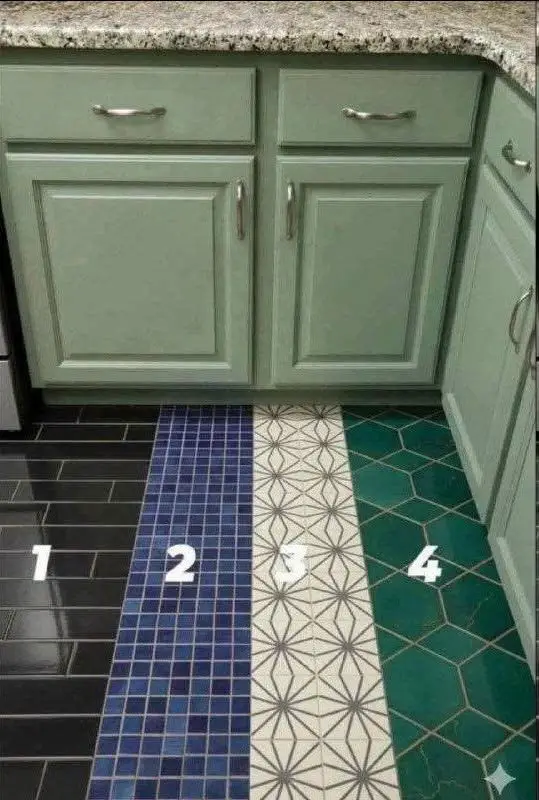
The kitchen has evolved far beyond its traditional role as a place to prepare meals.
Today, it serves as a gathering space, a family hub, a work area, and often the centerpiece of the home. Morning coffee, holiday baking sessions, late-night conversations, and everyday meals all happen within its walls.
Yet despite its importance, one of the most influential design elements in the kitchen is frequently overlooked:
The floor.
Many homeowners spend countless hours choosing cabinets, countertops, appliances, and lighting fixtures while treating the flooring as a secondary decision. However, the floor occupies more visual space than any other single surface in the room.
It influences the way light travels through the space.
It affects comfort underfoot.
It determines how easily the room can be cleaned and maintained.
Most importantly, it sets the overall mood and personality of the kitchen.
The right floor tile can make a small kitchen feel expansive, a dark kitchen feel brighter, and a dated kitchen feel fresh and modern.
Let’s explore how design, texture, color, material, and layout work together to create a kitchen floor that is both beautiful and practical.
Why Kitchen Flooring Matters More Than Most People Realize
Flooring serves as the foundation of your kitchen’s entire design.
Imagine building a beautiful home on an unstable foundation.
No matter how attractive the rest of the space may be, something will always feel off.
Kitchen flooring works in a similar way.
Because it covers such a large area, it has tremendous visual influence over the room.
The right tile can:
- Make a room appear larger
- Create warmth and comfort
- Add luxury and sophistication
- Improve safety
- Increase home value
- Simplify cleaning and maintenance
Unlike paint colors or decorative accessories, flooring is a long-term investment that typically remains in place for many years.
Choosing wisely can save thousands of dollars and countless hours of future frustration.
Understanding the Most Popular Tile Materials
Not all floor tiles are created equal.
Each material offers unique benefits and potential drawbacks.
Porcelain Tile
Porcelain remains one of the most popular choices for modern kitchens.
Why homeowners love it:
- Extremely durable
- Water-resistant
- Scratch-resistant
- Available in countless styles
- Low maintenance
Modern manufacturing techniques allow porcelain to convincingly mimic:
- Marble
- Concrete
- Hardwood
- Slate
- Travertine
This versatility makes it suitable for almost any design style.
Ceramic Tile
Ceramic tile provides many of the benefits of porcelain at a lower price point.
Advantages include:
- Affordability
- Wide variety of colors
- Easy maintenance
- Simple installation
However, ceramic tends to be slightly less dense and less durable than porcelain.
For average household kitchens, this difference may not be noticeable.
Natural Stone
For homeowners seeking timeless elegance, natural stone remains unmatched.
Popular options include:
- Marble
- Slate
- Travertine
- Limestone
- Granite
Natural stone creates a unique look because no two pieces are identical.
Its distinctive veining, texture, and coloration add character that manufactured products often struggle to replicate.
The trade-off is maintenance.
Most natural stones require sealing and periodic care.
Wood-Look Tile
One of the fastest-growing flooring trends involves wood-look porcelain planks.
These tiles combine:
- The appearance of hardwood
- The durability of tile
- Water resistance
- Easy maintenance
This makes them especially appealing in open-concept homes where homeowners want visual continuity between living spaces and kitchens.
How Color Influences the Entire Room
Color is one of the most powerful design tools available.
The shade you select can dramatically alter how your kitchen feels.
Light-Colored Floors
Light flooring reflects more light throughout the room.
Popular shades include:
- Soft white
- Cream
- Warm beige
- Pale gray
Benefits:
- Makes small kitchens feel larger
- Brightens dark spaces
- Creates a clean, modern appearance
- Works with almost any cabinet color
Dark-Colored Floors
Dark flooring introduces drama and sophistication.
Popular options include:
- Charcoal
- Espresso
- Deep gray
- Slate black
Benefits:
- Adds depth
- Creates visual contrast
- Feels luxurious
- Hides certain stains
Potential downside:
Crumbs, dust, and pet hair may be more visible.
Warm Earth Tones
Earth-inspired flooring remains a favorite among homeowners seeking warmth.
Examples include:
- Terracotta
- Sandstone
- Warm taupe
- Honey oak tones
These colors create an inviting atmosphere and pair beautifully with natural materials.
The Importance of Tile Texture
Many homeowners focus exclusively on color and pattern while overlooking texture.
Texture affects both appearance and performance.
Matte Finishes
Matte tiles continue to dominate modern kitchen design.
Benefits include:
- Hides scratches
- Conceals water spots
- Reduces glare
- Provides better traction
The subtle, understated appearance feels sophisticated without appearing overly polished.
Polished Finishes
Polished tile reflects light dramatically.
Benefits:
- Creates a luxurious appearance
- Brightens darker rooms
- Enhances visual spaciousness
Drawbacks:
- Shows footprints
- Reveals smudges
- Can become slippery when wet
Textured Surfaces
Textured tiles add character and improve slip resistance.
Popular in:
- Farmhouse kitchens
- Rustic homes
- Transitional designs
They create visual interest while enhancing safety.
Choosing the Right Tile Size
Tile size significantly impacts how a room feels.
Large Format Tiles
Large tiles have become increasingly popular.
Common sizes include:
- 24″ x 24″
- 24″ x 48″
- 36″ x 36″
Advantages:
- Fewer grout lines
- Cleaner appearance
- Makes rooms feel larger
- Easier maintenance
Many contemporary kitchens utilize oversized porcelain slabs for a seamless look.
Plank Tiles
Wood-look plank tiles mimic hardwood flooring.
They work particularly well in:
- Farmhouse kitchens
- Transitional homes
- Coastal interiors
Long planks visually stretch a room, making narrow kitchens appear wider.
Small Tiles
Smaller formats create texture and detail.
Examples include:
- Hexagons
- Mosaics
- Vintage-inspired patterns
While visually appealing, excessive grout lines may increase maintenance requirements.
The Hidden Power of Grout
Grout often receives little attention during the design process.
That can be a mistake.
Grout significantly influences the finished appearance of a floor.
Matching Grout
Creates:
- Seamless appearance
- Modern aesthetic
- Continuous visual flow
Contrasting Grout
Highlights:
- Tile shape
- Layout patterns
- Geometric designs
Classic examples include white subway tile paired with dark grout.
Choosing the Right Material
Epoxy grout has gained popularity because it:
- Resists stains
- Prevents mold growth
- Requires less maintenance
- Holds color longer
For busy kitchens, epoxy grout often proves worth the additional investment.
Matching Flooring to Your Design Style
Different flooring choices support different design aesthetics.
Modern Kitchens
Best options:
- Large-format porcelain
- Neutral colors
- Thin grout lines
- Matte finishes
The goal is simplicity and visual calm.
Farmhouse Kitchens
Ideal choices:
- Wood-look planks
- Soft textures
- Warm colors
- Vintage-inspired patterns
These materials create warmth without sacrificing durability.
Traditional Kitchens
Traditional spaces benefit from:
- Marble-look tile
- Classic checkerboard patterns
- Refined stone finishes
These options deliver timeless appeal.
Coastal Kitchens
For bright, airy coastal interiors, consider:
- Light blues
- Soft grays
- Sand-inspired tones
- Weathered wood looks
The result feels relaxed and welcoming.
Practical Considerations That Matter Every Day
A kitchen floor must perform under demanding conditions.
Unlike other rooms, kitchens experience:
- Heavy foot traffic
- Food spills
- Water exposure
- Dropped utensils
- Frequent cleaning
Therefore, aesthetics should never be the only consideration.
Durability
Look for:
- High PEI ratings
- Scratch resistance
- Impact resistance
Water Resistance
Porcelain remains one of the best choices because it absorbs very little moisture.
Maintenance Requirements
Some materials require:
- Sealing
- Special cleaners
- Frequent upkeep
Others need little more than sweeping and occasional mopping.
Slip Resistance
Safety should always remain a priority.
Especially for families with:
- Children
- Elderly relatives
- Pets
Choose surfaces with adequate traction.
How Lighting Affects Flooring Choices
Lighting dramatically changes how flooring appears.
A tile that looks perfect in a showroom may appear completely different in your home.
Always test samples in:
- Morning sunlight
- Afternoon light
- Evening conditions
- Artificial lighting
This simple step prevents costly mistakes.
Common Flooring Mistakes to Avoid
Many homeowners regret flooring decisions because they overlook key details.
Avoid these common mistakes:
Choosing Trend Over Function
Trends come and go.
Durability remains important every day.
Ignoring Maintenance
A beautiful floor loses appeal quickly if it’s difficult to clean.
Forgetting About Grout
Grout color can dramatically alter the final appearance.
Skipping Samples
Never rely solely on photographs or showroom displays.
Overlooking Installation Quality
Even premium tile looks poor when installed incorrectly.
Investing in Long-Term Value
Kitchen flooring is not simply a design decision.
It’s an investment.
High-quality flooring can:
- Increase resale value
- Improve daily comfort
- Reduce maintenance costs
- Enhance overall home appeal
Because replacing flooring is expensive and disruptive, it pays to choose materials that will remain attractive and functional for many years.
Final Thoughts
Choosing the right kitchen floor tile is about more than selecting a color or pattern.
It’s about creating a foundation that supports your lifestyle, complements your home’s personality, and enhances your daily experience.
The perfect floor balances beauty and practicality.
It feels comfortable underfoot.
It withstands years of use.
It complements your cabinetry, countertops, and lighting.
Most importantly, it helps transform your kitchen into a space that feels inviting, functional, and uniquely yours.
Take your time.
Compare materials.
Test samples.
Consider how the room is actually used every day.
Because when you choose the right kitchen floor tile, you’re not simply updating a surface.
You’re transforming the heart of your home.
More Blog
- Drinking Water on an Empty Stomach — What Science Actually Supports (No Hype, Just Facts)
- Waking Up Between 3 and 5 AM? It Might Be Your Soul Trying to Talk to You
- What a “Bleach” Patch on Your Underwear Really Means — And Why It’s Actually a Good Sign
- This Drink May Weaken Your Bones From The Inside — But Everyone Drinks It Anyway