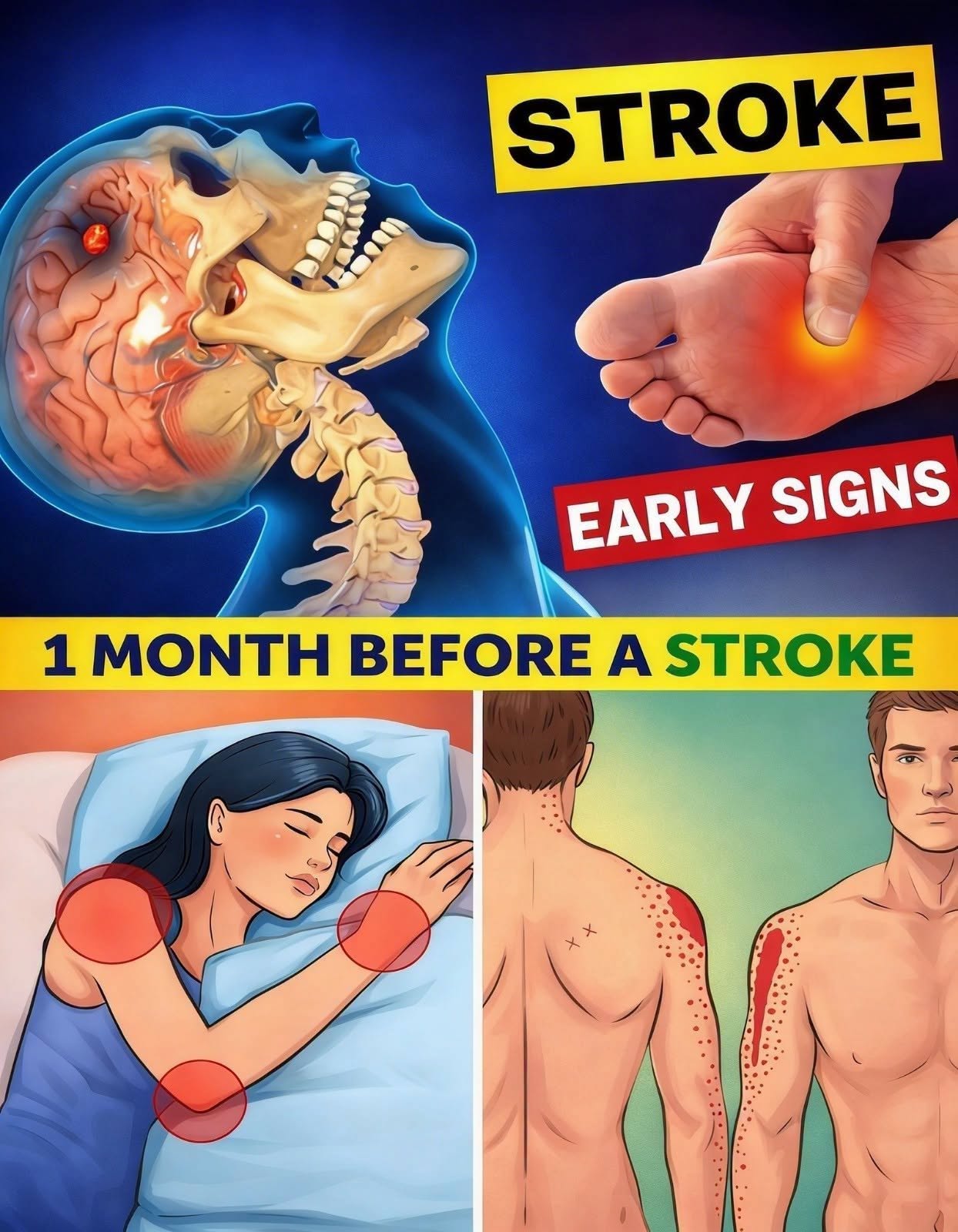
Recognizing the 8 Warning Signs of Stroke That May Appear One Month Before can encourage people to take sudden neurological symptoms seriously. However, the idea that everyone receives predictable warning signs exactly one month before a stroke can be misleading. Many strokes happen without advance symptoms. In other cases, a transient ischemic attack, or TIA, can cause temporary stroke-like symptoms before a future stroke.
A TIA requires urgent medical attention. Its symptoms may disappear within minutes or hours, but that does not make the event harmless. The American Stroke Association describes a TIA as a warning stroke, and the CDC advises seeking emergency care for stroke symptoms even when they quickly disappear.
Understanding which symptoms matter, how quickly to respond, and which everyday habits can reduce stroke risk may help protect you and the people around you.
A family friend once experienced sudden numbness in one hand while preparing breakfast. Within several minutes, everything seemed normal again, so the episode felt easy to dismiss. Fortunately, a relative encouraged an immediate medical evaluation instead of waiting for it to happen again. That experience changed how everyone in the family viewed temporary neurological symptoms. They learned that a symptom does not become unimportant simply because it disappears. Since then, they have paid closer attention to blood pressure, regular checkups, physical activity, and the B.E. F.A.S.T. warning signs. Most importantly, they learned that suspected stroke symptoms deserve immediate action rather than observation at home.
Understanding Early Stroke and TIA Warning Signs
1. Sudden Numbness, Weakness, or Facial Drooping
Sudden numbness or weakness can affect the face, arm, or leg, particularly on one side of the body. One side of the face may also droop or feel numb. These symptoms rank among the most important warning signs of stroke and TIA.
For example, a person may suddenly struggle to hold a cup with one hand. An arm may drift downward when both arms are raised. Likewise, a smile may suddenly appear uneven.
Never wait for these symptoms to become severe before seeking help. A TIA can cause the same symptoms as a stroke, but the symptoms may disappear quickly. Because you cannot determine at home whether a person has experienced a TIA or a full stroke, emergency evaluation remains essential.
The American Stroke Association recommends using B.E. F.A.S.T. to recognize important symptoms. “F” represents face drooping, while “A” represents arm weakness.
Therefore, sudden one-sided weakness deserves immediate attention, even when the person feels completely normal again afterward.
2. Sudden Speech Problems or Confusion
Speech changes can also signal a stroke or TIA. Someone may suddenly slur words, use incorrect words, struggle to speak, or have difficulty understanding what another person says.
In addition, sudden confusion can make ordinary activities unexpectedly difficult. A person may struggle to follow a simple conversation or understand familiar instructions.
These changes matter because stroke can affect areas of the brain responsible for language and comprehension. Moreover, symptoms may appear without pain, which can make them easier to underestimate.
A simple B.E. F.A.S.T. check can help identify speech difficulty. Ask the person to repeat a basic sentence. If the speech suddenly sounds slurred, strange, or difficult to understand, seek emergency help.
Do not wait to see whether normal speech returns. Instead, note when the symptoms began and contact emergency medical services immediately. The CDC stresses that every minute matters during a stroke because rapid treatment can reduce brain damage.
Vision, Balance, and Headache Symptoms You Should Know
3. Sudden Vision Changes and 4. Loss of Balance
Sudden trouble seeing can indicate a stroke. A person may develop blurred vision, double vision, or loss of sight in one or both eyes.
Similarly, sudden dizziness, difficulty walking, loss of coordination, or unexplained balance problems can occur during a stroke. These symptoms form the “B” and “E” portions of B.E. F.A.S.T.: balance loss and eye or vision changes.
However, dizziness by itself has many possible causes. Dehydration, medications, inner-ear problems, low blood pressure, and other conditions can produce dizziness. Therefore, context matters.
Sudden dizziness becomes particularly concerning when it appears with neurological changes such as double vision, weakness, numbness, speech difficulty, or severe problems with coordination.
Likewise, vision changes should not automatically be blamed on tiredness or eye strain when they begin suddenly.
The 8 Warning Signs of Stroke That May Appear One Month Before should therefore be understood as possible neurological warning symptoms rather than a dependable countdown to a future stroke. TIAs can occur before some strokes, but many strokes occur without a previous TIA. The American Stroke Association reports that TIAs precede only a portion of strokes.
Consequently, the safest approach focuses on sudden symptoms rather than trying to predict exactly when a stroke might happen.
5. Sudden Severe Headache and Other Unusual Symptoms
A sudden, severe headache with no known cause represents another recognized stroke warning sign.
The key word is “sudden.” A headache that reaches unusual intensity quickly, particularly when accompanied by neurological symptoms, deserves urgent attention.
However, headaches occur for many reasons, and most headaches do not indicate a stroke. Therefore, a headache alone cannot diagnose one.
The original list of 8 Warning Signs of Stroke That May Appear One Month Before may also include extreme fatigue, tingling, or unexplained pain. These symptoms require more careful interpretation.
Fatigue alone does not appear among the standard B.E. F.A.S.T. stroke warning signs. Likewise, isolated tingling or pain can result from many conditions. Consequently, people should avoid using nonspecific symptoms to predict a stroke.
Instead, focus on recognized sudden neurological changes: one-sided weakness or numbness, facial drooping, speech difficulty, confusion, vision changes, balance problems, difficulty walking, and a sudden severe headache without a known cause.
If an unusual symptom appears together with these warning signs, seek emergency medical care rather than trying to determine the cause yourself.
Why Temporary Symptoms Still Require Immediate Attention
6. Temporary Symptoms Can Signal a TIA
One of the most dangerous misconceptions about stroke involves symptoms that disappear.
Someone may experience arm weakness for several minutes and then regain full strength. Another person may briefly struggle to speak and then return to normal. Because the problem disappears, the person may decide that nothing serious happened.
However, a TIA can cause temporary stroke-like symptoms when blood flow to part of the brain becomes temporarily blocked. Although symptoms resolve, a TIA can warn of a future stroke.
According to the American Stroke Association, nearly one in five people with a suspected TIA will experience a stroke within 90 days. In addition, some people who appear to have experienced a TIA learn through appropriate imaging that they actually had a stroke.
Therefore, temporary improvement should never become a reason to delay care.
The 8 Warning Signs of Stroke That May Appear One Month Before matter most when they remind readers to recognize possible TIAs. However, no reliable set of eight symptoms can predict that a stroke will occur exactly one month later.
Instead, think of any sudden stroke-like symptom as an emergency happening now.
7. Remember B.E. F.A.S.T. and Act Immediately
B.E. F.A.S.T. provides a practical way to remember common stroke warning signs:
- B — Balance: Sudden loss of balance or coordination.
- E — Eyes: Sudden blurred, double, or lost vision.
- F — Face: Sudden facial drooping or numbness.
- A — Arms: Sudden arm weakness or numbness.
- S — Speech: Sudden difficulty speaking or understanding speech.
- T — Time: Contact emergency medical services immediately.
The CDC advises calling emergency services rather than driving a person with suspected stroke symptoms to the hospital. Emergency medical personnel can begin assessment and treatment while transporting the patient.
Also, note the time when symptoms first appeared. Doctors use symptom timing when evaluating treatment options.
Do not give food, drinks, supplements, aspirin, or other medication unless emergency professionals specifically instruct you to do so. Different types of stroke require different treatment, so attempting home treatment can create unnecessary risk.
Above all, never wait for every B.E. F.A.S.T. sign to appear. One sudden warning sign can justify immediate emergency evaluation.
9 Practical Ways to Help Reduce Stroke Risk
8. Manage the Medical Risk Factors You Can Control
Although nobody can eliminate stroke risk completely, many important risk factors can be managed.
First, know your blood pressure. High blood pressure ranks among the major risk factors for stroke, yet it can exist without obvious symptoms. Regular monitoring and appropriate treatment can therefore play an important role in prevention.
Second, manage diabetes with guidance from your healthcare team. High blood sugar can damage blood vessels over time and increase cardiovascular risk.
Third, monitor cholesterol and follow your clinician’s treatment recommendations. Diet, physical activity, and prescribed medication may all form part of an individualized plan.
Fourth, discuss heart conditions with a healthcare professional. Atrial fibrillation, or AFib, can increase stroke risk because the abnormal heart rhythm can contribute to blood clot formation.
Fifth, keep regular medical appointments, particularly if you already have cardiovascular risk factors.
These steps become especially important after a TIA or previous stroke because a previous event raises the risk of another stroke.
While reading about the 8 Warning Signs of Stroke That May Appear One Month Before can increase awareness, prevention requires more than watching for symptoms. Managing long-term cardiovascular health can make a meaningful difference.
9. Build Everyday Habits That Support Cardiovascular Health
Several daily habits can also help reduce stroke risk.
Avoid smoking. If you currently smoke, quitting can lower your risk. The CDC identifies cigarette smoking as an important modifiable stroke risk factor.
Next, stay physically active. Adults can generally aim for at least 150 minutes of moderate-intensity physical activity each week, although individual abilities and medical conditions vary. Regular activity can support healthy blood pressure, cholesterol levels, and cardiovascular health.
Choose a balanced eating pattern that emphasizes vegetables, fruits, whole grains, beans, nuts, fish, and other nutrient-rich foods while limiting excess sodium and heavily processed foods.
Additionally, work toward a healthy weight if your healthcare professional recommends it. Maintain healthy blood sugar and cholesterol levels as well.
Finally, limit alcohol. Excessive alcohol consumption can raise blood pressure and contribute to stroke risk.
Taken together, nine useful prevention priorities include controlling blood pressure, managing blood sugar, managing cholesterol, addressing heart conditions, avoiding smoking, exercising regularly, maintaining a healthy weight, choosing a balanced diet, and limiting alcohol.
These habits cannot guarantee that a stroke will never happen. Nevertheless, they address several important modifiable risk factors.
Frequently Asked Questions
Can stroke warning signs really appear one month beforehand?
Sometimes a TIA can occur days or weeks before a stroke, but there is no dependable set of symptoms that predicts a stroke exactly one month in advance. Many strokes occur without an earlier warning episode. Therefore, treat sudden neurological symptoms as an immediate medical issue rather than as a prediction of what might happen weeks later.
What is the most important early warning sign of stroke?
No single symptom identifies every stroke. Instead, watch for sudden face drooping, arm weakness, speech problems, balance loss, vision changes, one-sided numbness, confusion, or a severe unexplained headache. B.E. F.A.S.T. provides a simple way to remember several of these signs.
What should I do if symptoms disappear after five minutes?
Seek emergency medical attention anyway. Temporary symptoms may represent a TIA, and a TIA can signal an increased risk of a future stroke. You cannot reliably distinguish a TIA from a stroke without medical evaluation.
Is extreme fatigue a reliable stroke warning sign?
Extreme fatigue alone does not provide a reliable way to predict a stroke. Many medical and lifestyle factors can cause fatigue. However, sudden neurological symptoms such as weakness, speech difficulty, vision changes, confusion, or loss of balance require urgent attention.
Can lifestyle changes prevent every stroke?
No. Lifestyle changes cannot prevent every stroke because some risk factors cannot be changed. However, controlling blood pressure, avoiding tobacco, staying active, managing diabetes and cholesterol, maintaining an appropriate weight, and following medical advice can help reduce risk.
Conclusion
The 8 Warning Signs of Stroke That May Appear One Month Before should not be treated as a guaranteed checklist that predicts a stroke weeks in advance. Instead, the most important lesson involves recognizing sudden neurological symptoms and acting immediately.
A TIA can produce temporary symptoms before a future stroke. Therefore, never ignore facial drooping, one-sided weakness or numbness, sudden speech difficulty, confusion, sudden vision problems, loss of balance, difficulty walking, or a severe unexplained headache simply because the symptoms improve.
Remember B.E. F.A.S.T.: Balance, Eyes, Face, Arms, Speech, and Time. When a possible stroke occurs, time matters.
Meanwhile, prevention remains important every day. Control blood pressure, manage diabetes and cholesterol, address heart conditions, avoid smoking, stay physically active, maintain a healthy weight, eat a balanced diet, limit alcohol, and keep up with appropriate medical care.
Knowing the signs cannot predict every stroke. However, recognizing an emergency quickly and managing controllable risk factors can make a meaningful difference.
WP Recipe Maker JSON Import Block
{
  "title": "8 Warning Signs of Stroke That May Appear One Month Before — and 9 Ways to Help Reduce Your Risk",
  "summary": "An educational guide to recognized stroke and TIA warning signs, emergency response, and practical ways to help reduce stroke risk.",
  "notes": "This is health information rather than a food recipe. Sudden stroke symptoms require immediate emergency medical attention.",
  "ingredients_flat": [],
  "instructions_flat": [
    {
      "name": "Step 1",
      "text": "Recognize sudden balance loss, vision changes, facial drooping, arm weakness, or speech difficulty.",
      "summary": "",
      "image_url": ""
    },
    {
      "name": "Step 2",
      "text": "Note the time when symptoms first appeared.",
      "summary": "",
      "image_url": ""
    },
    {
      "name": "Step 3",
      "text": "Contact emergency medical services immediately, even if the symptoms disappear.",
      "summary": "",
      "image_url": ""
    },
    {
      "name": "Step 4",
      "text": "Work with a healthcare professional to identify and manage individual stroke risk factors.",
      "summary": "",
      "image_url": ""
    }
  ],
  "equipment": [],
  "nutrition": {
    "calories": "",
    "carbohydrates": "",
    "protein": "",
    "fat": "",
    "saturated_fat": "",
    "polyunsaturated_fat": "",
    "monounsaturated_fat": "",
    "trans_fat": "",
    "cholesterol": "",
    "sodium": "",
    "potassium": "",
    "fiber": "",
    "sugar": "",
    "vitamin_a": "",
    "vitamin_c": "",
    "calcium": "",
    "iron": ""
  },
  "tags": {
    "course": ["Health Education"],
    "cuisine": ["Not Applicable"],
    "keyword": ["8 Warning Signs of Stroke That May Appear One Month Before"]
  }
}
SEO Output
Focus Keyword: 8 Warning Signs of Stroke That May Appear One Month Before
SEO Title: 8 Warning Signs of Stroke That May Appear One Month Before
Meta Description: 8 Warning Signs of Stroke That May Appear One Month Before, plus how to recognize urgent symptoms and help reduce your stroke risk.
Expert SEO Title: 8 Warning Signs of Stroke: Essential Facts to Know
Midjourney Prompt: Realistic health awareness editorial photograph showing an older adult seated at home noticing sudden weakness and holding one arm, concerned family member nearby recognizing possible stroke warning signs, subtle medical visual cues for balance, vision, face, arm and speech symptoms, compassionate non-alarming atmosphere, natural daylight, realistic human expressions, medically responsible health education concept, vertical composition, clean uncluttered background, photorealistic editorial photography, high detail, tasteful neutral setting, generous negative space at top and center for text overlay, Pinterest pin composition –v 6 –ar 2:3
More Blog
- Drinking Water on an Empty Stomach — What Science Actually Supports (No Hype, Just Facts)
- Waking Up Between 3 and 5 AM? It Might Be Your Soul Trying to Talk to You
- What a “Bleach” Patch on Your Underwear Really Means — And Why It’s Actually a Good Sign
- This Drink May Weaken Your Bones From The Inside — But Everyone Drinks It Anyway