12 Early Warning Signs of an Aneurysm You Shouldn’t Ignore sounds like a simple checklist, but aneurysms are more complicated than that. Many brain aneurysms cause no symptoms at all, especially when they are small. In fact, doctors often discover them accidentally during imaging for another condition.
When symptoms do appear, they can depend on whether the aneurysm remains unruptured, begins leaking, or suddenly ruptures. A larger unruptured brain aneurysm may press against nearby nerves or brain tissue, while a ruptured aneurysm can cause life-threatening bleeding called a subarachnoid hemorrhage.
That distinction matters because the most dangerous symptoms are usually sudden and severe rather than subtle. A thunderclap headache, loss of consciousness, seizure, confusion, or sudden neurological changes require emergency medical attention.
I once thought serious conditions always gave people plenty of time to notice something was wrong. That assumption can be comforting, but it is not always accurate. Aneurysms taught me the value of learning which symptoms deserve routine evaluation and which ones should trigger an emergency response. The goal is not to become frightened by every headache or dizzy spell. Instead, understanding 12 Early Warning Signs of an Aneurysm You Shouldn’t Ignore can help you recognize patterns that deserve prompt medical attention while remembering that most everyday headaches have causes far more common than an aneurysm.
Understanding What an Aneurysm Is and Why Symptoms Vary
A Brain Aneurysm Is a Weak, Bulging Area in a Blood Vessel
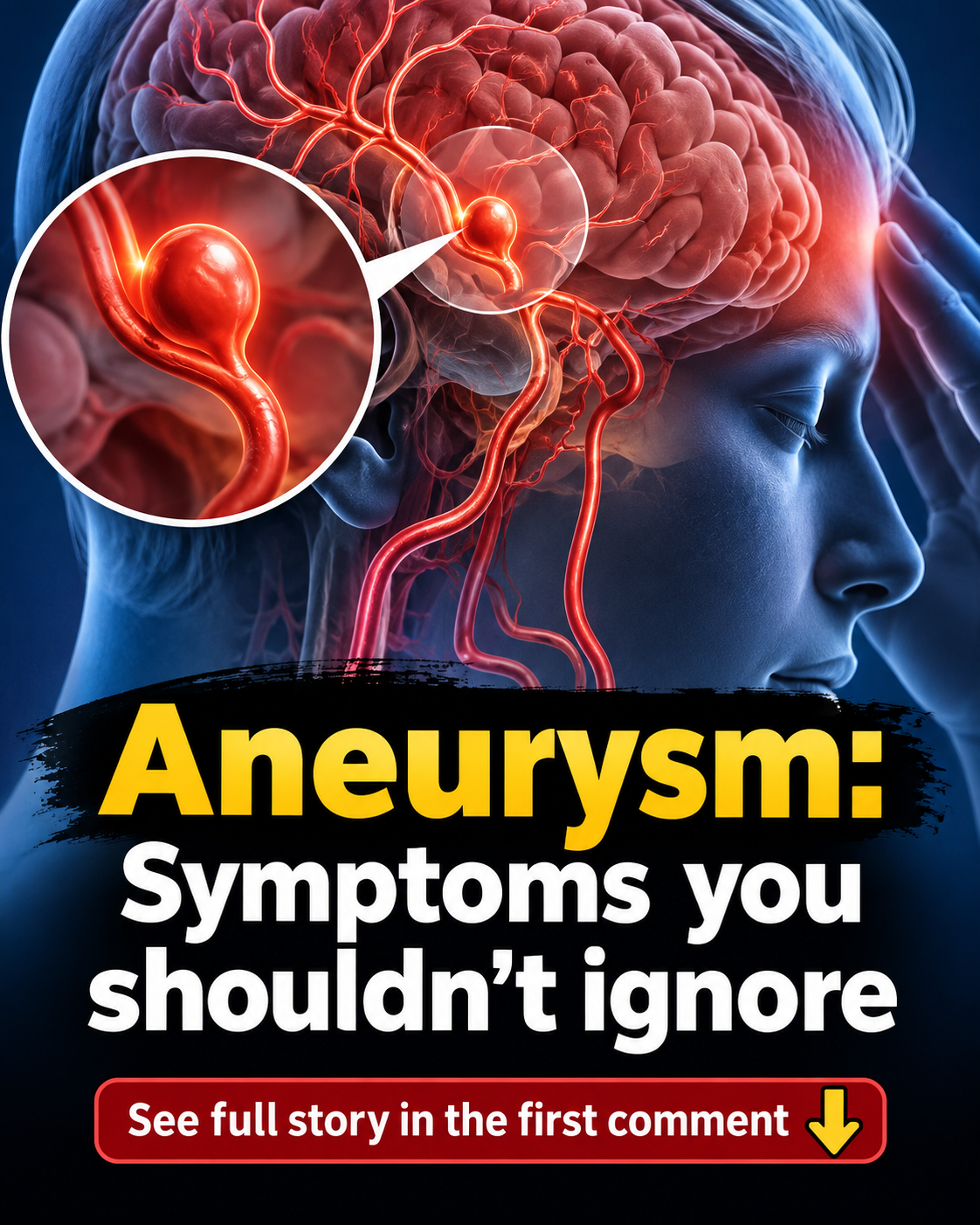
A brain aneurysm develops when part of an artery wall becomes weakened and bulges outward. Doctors also call it a cerebral or intracranial aneurysm. The most common type, known as a saccular or berry aneurysm, looks like a small sac extending from the side of an artery.
Many aneurysms remain small and never rupture. Because they often cause no symptoms, a person may live with one for years without knowing it exists.
Symptoms become more likely when an aneurysm grows large enough to press against nearby nerves or tissues. For example, pressure near the nerves that control the eye may cause pain, double vision, a dilated pupil, or reduced eye movement.
A different situation occurs when an aneurysm leaks a small amount of blood. Mayo Clinic notes that this can produce a sudden, extremely severe headache before a larger rupture follows.
The most dangerous event is a full rupture. Blood can then enter the space surrounding the brain, producing a subarachnoid hemorrhage. This is a medical emergency and can rapidly become life-threatening.
Therefore, 12 Early Warning Signs of an Aneurysm You Shouldn’t Ignore should not be read as a promise that everyone experiences these symptoms in advance. Some signs occur with unruptured aneurysms, while others are emergency symptoms of rupture.
Risk Factors Matter, but Symptoms Still Need Medical Evaluation
Certain factors increase the likelihood of developing or rupturing a brain aneurysm. High blood pressure and cigarette smoking are especially important modifiable risks. Mayo Clinic also lists heavy alcohol use and certain illicit drugs as factors that can increase risk.
Family history matters too. Risk rises when close relatives have had brain aneurysms, particularly when two or more first-degree relatives are affected.
Certain inherited conditions can also increase risk. These include polycystic kidney disease, Ehlers-Danlos syndrome, coarctation of the aorta, and some other disorders affecting blood vessels or connective tissue.
However, risk factors do not diagnose an aneurysm. Likewise, having a headache, eye pain, or dizziness does not automatically mean an aneurysm exists.
Many neurological symptoms overlap with migraine, eye problems, infections, medication effects, and other conditions.
That is why persistent or unusual symptoms deserve professional evaluation rather than self-diagnosis.
People with strong family histories or conditions associated with aneurysm risk should ask their healthcare professional whether screening may be appropriate. Mayo Clinic specifically recommends discussing screening when two or more first-degree relatives have experienced brain aneurysm or hemorrhagic stroke.
12 Warning Signs and Symptoms Worth Knowing
Six Possible Signs of an Unruptured or Leaking Brain Aneurysm
The first group in 12 Early Warning Signs of an Aneurysm You Shouldn’t Ignore involves symptoms that can occur before a major rupture. Again, most unruptured aneurysms cause no symptoms, so these signs should be understood as possibilities rather than a universal checklist.
1. Pain above or behind one eye. A larger aneurysm pressing against nearby nerves may cause localized pain around the eye. Mayo Clinic and Johns Hopkins both include eye pain among possible symptoms of an unruptured aneurysm.
2. Double or blurred vision. Pressure on nerves involved in vision can produce visual changes. Some people may notice double vision, reduced vision, or abnormal eye movement.
3. A dilated pupil. One pupil that becomes unusually enlarged can occur when an aneurysm affects nearby cranial nerves. A sudden pupil change, particularly with other neurological symptoms, warrants prompt evaluation.
4. Facial numbness or weakness. Mayo Clinic lists numbness on one side of the face as a possible symptom of a larger unruptured brain aneurysm. The NHS also notes one-sided facial weakness or numbness among symptoms that may occur.
5. Persistent or unusual headache. Headache can occur with an unruptured aneurysm, although Johns Hopkins notes that it is relatively uncommon before rupture. Persistent headaches or headaches that are worsening deserve medical evaluation, especially when combined with other neurological symptoms.
6. A sudden, severe headache from a leaking aneurysm. A small leak may produce an abrupt, extremely severe headache. Mayo Clinic notes that this type of headache can precede a more serious rupture by days or weeks.
The pattern matters more than any single symptom. Eye pain by itself commonly comes from conditions unrelated to aneurysms. However, eye pain combined with double vision, pupil changes, facial numbness, or a sudden severe headache deserves more urgent attention.
Six Emergency Signs of a Ruptured Brain Aneurysm
The remaining symptoms in 12 Early Warning Signs of an Aneurysm You Shouldn’t Ignore are especially important because they may indicate a rupture and subarachnoid hemorrhage.
7. A sudden “thunderclap” headache. This is the classic warning sign. People often describe it as the worst headache of their life, reaching severe intensity very quickly.
8. Nausea or vomiting. A ruptured aneurysm can cause sudden nausea and vomiting along with the severe headache.
9. A stiff or painful neck. Blood around the brain can irritate the tissues surrounding it, causing neck stiffness or pain.
10. Sensitivity to light. Bright light may become painful or uncomfortable after subarachnoid hemorrhage. Mayo Clinic and Johns Hopkins both list light sensitivity among common symptoms.
11. Confusion, speech problems, or sudden neurological changes. A rupture can affect mental status and neurological function. Confusion, difficulty speaking, weakness, or sudden changes in coordination should always be treated seriously.
12. Seizure or loss of consciousness. A person may have a seizure, become unconscious, or progress to coma after a severe hemorrhage. These symptoms require immediate emergency care.
If someone develops a sudden, extremely severe headache, loses consciousness, or has a seizure, seek emergency medical help immediately. Do not wait to see whether the symptoms improve.
When to Seek Emergency Care and When to Schedule an Evaluation
Sudden Severe Symptoms Need Immediate Action
Of all the 12 Early Warning Signs of an Aneurysm You Shouldn’t Ignore, the sudden thunderclap headache deserves particular attention.
A ruptured brain aneurysm can cause rapid bleeding around the brain. Treatment delays can affect survival and recovery because complications may begin quickly.
Call emergency services if a person suddenly develops an extraordinarily severe headache, especially if it comes with vomiting, neck stiffness, confusion, weakness, vision problems, seizure, or loss of consciousness.
Do not ask the person to drive themselves to a hospital. The NHS specifically advises against driving yourself when symptoms suggest a possible brain bleed.
A sudden facial droop, one-sided weakness, or speech difficulty can also indicate a stroke and requires emergency assessment regardless of whether an aneurysm caused it.
Likewise, do not assume an intense headache is “just a migraine” if it feels dramatically different from previous headaches.
A thunderclap headache is defined largely by its abruptness and extraordinary severity. That pattern is more concerning than a typical headache that builds gradually.
Seeking urgent care does not mean you are overreacting. Emergency clinicians can evaluate dangerous causes while ruling out less serious explanations.
When an aneurysm has ruptured, specialized treatment may include endovascular procedures or surgical clipping to prevent further bleeding.
Persistent but Less Dramatic Symptoms Still Deserve Attention
Not every aneurysm-related symptom begins as an emergency.
The NHS recommends urgent medical advice for headaches that persist, worsen, or repeatedly return, as well as ongoing pain above or around the eye or other persistent symptoms associated with an aneurysm.
Vision changes also deserve evaluation, particularly when they are new and unexplained.
A drooping eyelid, double vision, an abnormal pupil, or decreased eye movement can indicate problems affecting nerves near the eye. Johns Hopkins notes that an aneurysm can sometimes produce these symptoms by pressing on nearby structures.
Facial numbness or unexplained neurological changes should receive similar attention.
Importantly, most people with headaches or eye symptoms will not turn out to have an aneurysm. Many far more common conditions can cause the same complaints.
The purpose of understanding 12 Early Warning Signs of an Aneurysm You Shouldn’t Ignore is therefore not to create fear.
Instead, use the symptoms as a guide to urgency.
Sudden, severe symptoms require emergency care. Persistent or unexplained changes deserve medical evaluation. Mild, familiar symptoms that follow a known pattern may have a less serious explanation, but your healthcare professional can help determine that safely.
Reducing Risk and Understanding Screening
Blood Pressure and Smoking Are Important Modifiable Risks
You cannot control every factor associated with brain aneurysms, but some lifestyle and medical factors deserve attention.
High blood pressure places additional stress on artery walls. Mayo Clinic identifies untreated hypertension as a factor that can increase the likelihood that an aneurysm will rupture.
Therefore, knowing your blood pressure and following treatment recommendations when it is high can support vascular health.
Smoking also increases aneurysm risk and rupture risk. Quitting smoking provides benefits throughout the cardiovascular system and remains one of the most meaningful risk-reduction steps for people who smoke.
Heavy alcohol consumption can increase blood pressure as well, so moderation matters.
Mayo Clinic also warns about drugs such as cocaine because they can sharply affect blood pressure and blood vessels.
Regular medical care remains important because hypertension can exist without obvious symptoms.
A healthy lifestyle cannot guarantee that an aneurysm will never develop, especially when genetics or inherited conditions play a role.
Still, reducing modifiable risks supports overall brain and cardiovascular health.
Most importantly, never rely on supplements, herbal remedies, teas, or “circulation” products to prevent or treat a suspected aneurysm. Aneurysms require medical imaging and specialist assessment.
Screening Is Not Necessary for Everyone
Learning about 12 Early Warning Signs of an Aneurysm You Shouldn’t Ignore can make some people wonder whether everyone should get a brain scan.
Routine screening does not generally make sense for the entire population because many aneurysms are small, never rupture, and may never cause health problems.
However, screening may deserve discussion when risk is substantially higher.
Mayo Clinic recommends talking with a healthcare professional about screening if two or more first-degree relatives have experienced brain aneurysm or hemorrhagic stroke.
People with certain inherited conditions, including polycystic kidney disease or Ehlers-Danlos syndrome, may also have reasons to discuss screening.
Doctors can use imaging such as magnetic resonance angiography to look at blood vessels in the brain.
Finding an unruptured aneurysm does not automatically mean surgery will follow.
Specialists consider the aneurysm’s size, location, shape, growth, the person’s health, and the risks of treatment before recommending a plan.
Some aneurysms require monitoring rather than immediate treatment.
That individualized decision-making is another reason online symptom lists cannot replace medical evaluation.
Frequently Asked Questions
Do brain aneurysms always cause warning signs?
No. Most small, unruptured brain aneurysms do not cause symptoms and may only be discovered during imaging for another reason. Symptoms become more likely when an aneurysm grows, presses on nearby structures, leaks, or ruptures.
What is the most important symptom of a ruptured brain aneurysm?
A sudden, extremely severe thunderclap headache is the classic symptom. People often describe it as the worst headache they have ever experienced. It may occur with vomiting, neck stiffness, sensitivity to light, confusion, seizure, or loss of consciousness.
Can an unruptured aneurysm affect the eyes?
Yes. A larger aneurysm can press on nearby nerves and cause pain around the eye, double vision, visual changes, diminished eye movement, or a dilated pupil.
Can someone have an aneurysm for years without knowing?
Yes. Johns Hopkins notes that unruptured aneurysms can remain undetected for years because they may cause no symptoms.
Who should ask a doctor about aneurysm screening?
People with a strong family history, particularly two or more first-degree relatives with brain aneurysm or hemorrhagic stroke, should discuss screening with a healthcare professional. Certain inherited conditions can also increase risk.
Conclusion
12 Early Warning Signs of an Aneurysm You Shouldn’t Ignore can be useful when the phrase is understood correctly.
There are not always 12 early warnings before an aneurysm ruptures. In reality, many brain aneurysms remain completely silent, especially when they are small.
When an unruptured aneurysm does produce symptoms, possible clues include pain above or behind one eye, double vision, pupil changes, facial numbness, and other neurological symptoms caused by pressure on nearby nerves.
A small leak may cause a sudden, exceptionally severe headache that can occur before a larger rupture.
Once rupture occurs, the symptoms can become dramatic very quickly. A thunderclap headache, vomiting, stiff neck, light sensitivity, confusion, seizure, neurological weakness, or loss of consciousness requires immediate emergency care.
The most important lesson is not to become afraid of every ordinary headache.
Instead, pay attention to suddenness, severity, new neurological symptoms, and meaningful changes from your normal pattern.
Know your personal risk factors as well. Smoking, uncontrolled high blood pressure, strong family history, and certain inherited conditions can influence aneurysm risk.
If symptoms persist but are not immediately life-threatening, arrange a medical evaluation rather than trying to diagnose yourself from a checklist.
If a headache strikes suddenly with extraordinary intensity or neurological symptoms appear, seek emergency help immediately.
Recognizing 12 Early Warning Signs of an Aneurysm You Shouldn’t Ignore is ultimately about knowing when a symptom can wait for an appointment and when every minute matters.
More Blog
- Drinking Water on an Empty Stomach — What Science Actually Supports (No Hype, Just Facts)
- Waking Up Between 3 and 5 AM? It Might Be Your Soul Trying to Talk to You
- What a “Bleach” Patch on Your Underwear Really Means — And Why It’s Actually a Good Sign
- This Drink May Weaken Your Bones From The Inside — But Everyone Drinks It Anyway