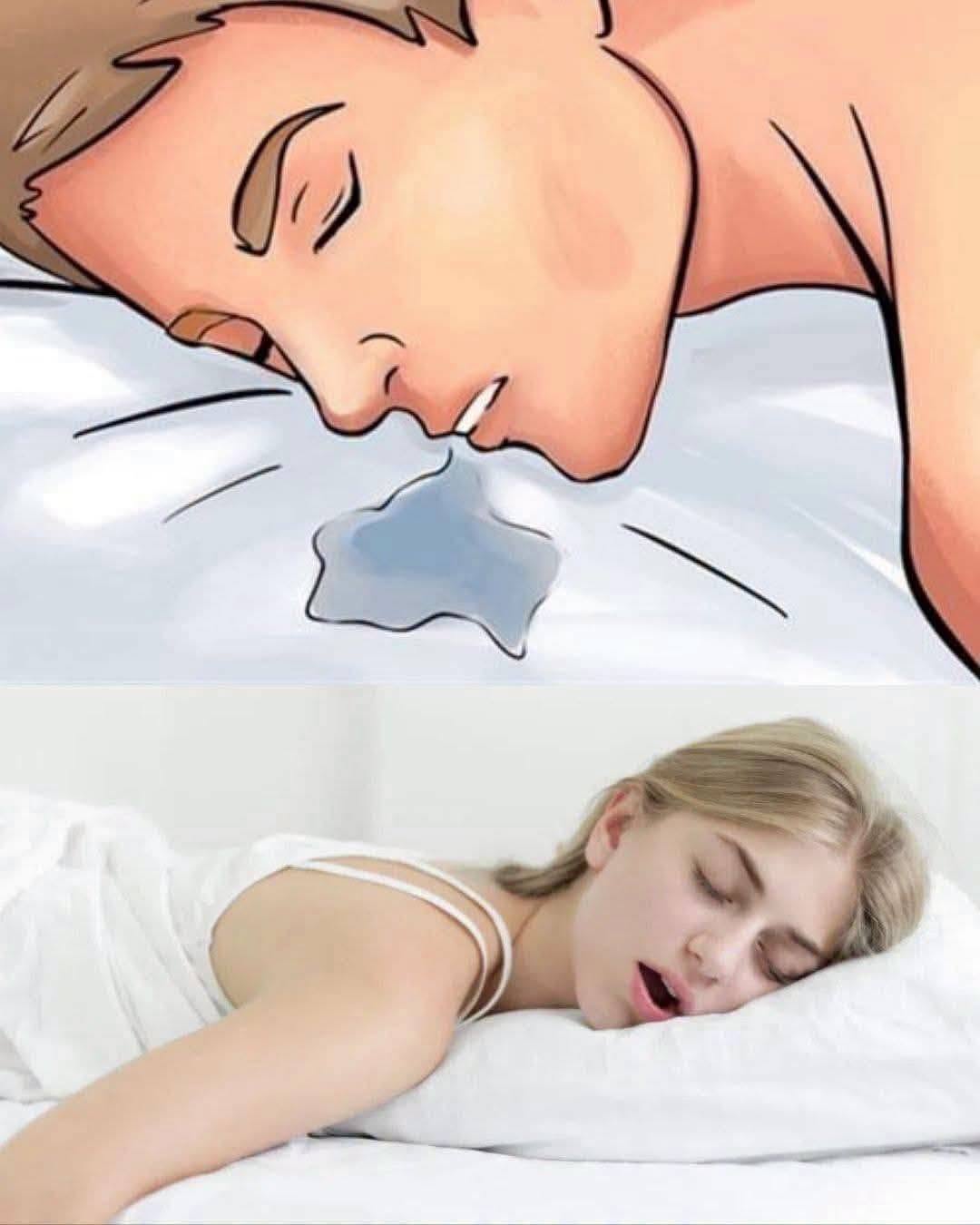
Few things are more surprising than waking up after what felt like a great night’s sleep, only to discover a damp spot on your pillow. For many people, the first reaction is embarrassment. However, nighttime drooling is far more common than most realize, and in many cases, it’s simply a sign that your body has entered a deep state of relaxation.
Although excessive drooling can occasionally point to an underlying medical condition, occasional drooling during sleep is usually harmless. Understanding why it happens can help you worry less and recognize when it may be worth discussing with a healthcare professional.
Why Does Drooling Happen During Sleep?
Throughout the day, your brain constantly coordinates swallowing, keeping saliva inside your mouth without you even thinking about it. As you drift into sleep, however, many muscles throughout your body begin to relax—including those that control your jaw and swallowing reflex.
During the deepest stages of sleep, swallowing becomes much less frequent. Saliva continues to be produced, but because you’re swallowing less often, it may collect inside your mouth. If your lips part slightly or your jaw relaxes enough to open, gravity can allow some of that saliva to escape onto your pillow.
For most healthy adults, this is a perfectly normal part of sleeping.
Your Sleeping Position Matters
The position you sleep in can make a noticeable difference.
People who sleep on their sides or stomachs are generally more likely to drool because gravity naturally allows saliva to flow toward the corner of the mouth.
Sleeping on your back often reduces the chance of drooling since saliva tends to remain inside the mouth or flow toward the back of the throat, where it is more likely to be swallowed.
Changing sleeping positions won’t completely eliminate drooling for everyone, but it may reduce how often it occurs.
Mouth Breathing Can Increase Drooling
One of the most common reasons for waking up with a wet pillow is breathing through the mouth during sleep.
Several factors may contribute to mouth breathing, including:
- Seasonal allergies
- Nasal congestion
- A common cold
- Sinus infections
- A deviated septum
- Chronic nasal blockage
When the nose isn’t allowing enough airflow, the body naturally switches to breathing through the mouth. Since the mouth remains open for extended periods, saliva is more likely to escape.
Treating the cause of nasal congestion often improves nighttime drooling as well.
Acid Reflux May Play a Role
Digestive issues can sometimes contribute to increased saliva production.
People living with acid reflux or gastroesophageal reflux disease (GERD) may produce extra saliva because the body attempts to protect the throat and mouth from stomach acid. This increased saliva, combined with reduced swallowing during sleep, can make drooling more noticeable.
If nighttime drooling is accompanied by heartburn, sour taste, chronic coughing, or throat irritation, discussing these symptoms with a healthcare provider may be helpful.
Medications and Other Contributing Factors
Some medications may also increase saliva production or affect swallowing during sleep.
Examples include certain medications used to treat:
- Neurological conditions
- Mental health disorders
- Alzheimer’s disease
- Parkinson’s disease
In addition, alcohol consumption before bedtime can relax muscles even further, making drooling more likely in some individuals.
When Drooling May Need Medical Attention
Occasional drooling is generally not a cause for concern. However, sudden or excessive drooling deserves medical evaluation if it occurs alongside other symptoms.
Seek medical advice if drooling is accompanied by:
- Difficulty swallowing
- Facial weakness
- Slurred speech
- Sudden numbness
- Persistent choking while sleeping
- Frequent coughing during the night
These symptoms may indicate an underlying medical condition requiring prompt assessment.
Simple Ways to Reduce Nighttime Drooling
If drooling bothers you, several simple adjustments may help.
Improve Nasal Breathing
Managing allergies or treating nasal congestion can encourage breathing through the nose instead of the mouth.
Stay Hydrated
Adequate hydration helps maintain normal saliva consistency and overall oral health.
Adjust Your Sleeping Position
Some people notice less drooling when sleeping on their back rather than their side.
Practice Good Oral Hygiene
Regular brushing, flossing, and dental checkups support healthy saliva production and reduce oral irritation.
Discuss Persistent Symptoms
If drooling develops suddenly or becomes excessive, consult a healthcare professional to rule out underlying causes.
Is Drooling Ever a Good Sign?
Many sleep specialists note that drooling often occurs during deeper stages of sleep, when muscles are fully relaxed. While drooling itself isn’t proof of high-quality sleep, it frequently accompanies the body’s natural restorative processes.
In other words, waking up with a damp pillow doesn’t necessarily mean something is wrong. For many people, it simply reflects normal muscle relaxation during a restful night’s sleep.
Final Thoughts
Nighttime drooling may feel embarrassing, but it is one of the most common sleep-related experiences. Deep muscle relaxation, sleeping position, mouth breathing, and certain health conditions can all contribute to this harmless phenomenon.
For most people, there’s no reason to worry. However, if drooling becomes severe, appears suddenly, or occurs alongside symptoms such as difficulty swallowing, facial weakness, or persistent breathing problems, seeking medical evaluation is important.
Rather than viewing a wet pillow as something to hide, consider it a reminder of how your body naturally relaxes and recovers during sleep. Sometimes the small, unexpected quirks of the human body are simply signs that it’s doing exactly what it was designed to do.
More Health
- Cockroach Milk: Could It Become the Superfood of the Future?
- Foamy Urine: Here’s Why You Have Bubbles in Your Urine and When to Pay Attention
- More Than a Moment: Understanding the Layers of Intimacy and What Creates Lasting Connection
- Sleeping With the Wrong Person: The Emotional, Social, and Personal Consequences People Often Overlook