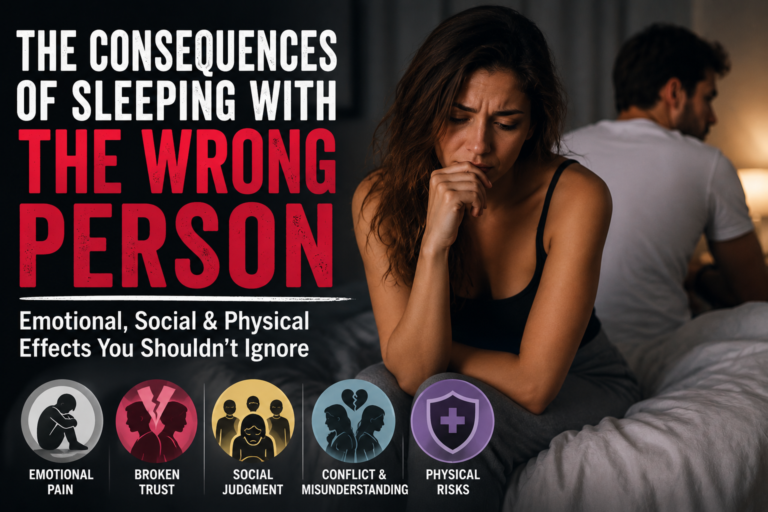
Physical intimacy can feel spontaneous, exciting, and deeply personal. Yet the emotional impact of sharing that closeness with someone can extend far beyond a single night.
Sometimes two people enter an intimate situation with the same expectations, communicate openly, and move forward without difficulty. Other times, one person hopes for connection while the other sees the experience as temporary. That difference can create confusion, disappointment, jealousy, regret, or emotional pain long after the moment itself has passed.
The problem is not intimacy itself. The real risk appears when trust, communication, consent, honesty, and emotional expectations do not align.
A thoughtful approach to intimacy does not require fear or shame. It simply means understanding that closeness can affect emotions, relationships, self-esteem, and future decisions in ways that are not always obvious at the beginning.
Why Intimacy Can Feel More Emotional Than Expected
Physical closeness can deepen attachment
Many people discover that physical intimacy makes them feel more emotionally connected to another person.
That response is not unusual.
Intimate experiences often involve vulnerability, trust, affection, and focused attention. When those elements occur together, the experience may feel more meaningful than either person originally expected.
One partner may begin to think:
- Maybe this relationship is becoming serious.
- Maybe they feel the same way I do.
- Maybe this means we are exclusive.
- Maybe this is the beginning of something lasting.
Meanwhile, the other person may see the same encounter as casual.
Neither person necessarily intended harm. However, different interpretations can create emotional conflict.
The safest way to reduce that confusion is not to assume what intimacy means.
Talk about it.
People attach differently
Some people develop strong feelings quickly.
Others need months of emotional connection before feeling deeply attached.
Some people can comfortably separate physical intimacy from romantic commitment. Others cannot.
There is no universal emotional response.
The mistake comes from assuming that everyone experiences closeness in the same way.
A person who becomes emotionally attached should not feel embarrassed for caring. Likewise, someone who prefers casual intimacy is not automatically cold or dishonest.
The key is transparency.
Problems grow when one person hides expectations while hoping the other will eventually change.
Mismatched Expectations Can Create Lasting Hurt
One person may want more
Imagine two people who enjoy spending time together.
One believes the relationship is moving toward commitment.
The other believes they are simply having fun.
Neither conversation ever happens.
Then physical intimacy deepens the connection.
For the person hoping for a relationship, the experience may feel like confirmation.
For the other, nothing has changed.
When the truth finally becomes clear, the first person may feel rejected, used, or misled.
Even if nobody intentionally lied, the emotional impact can still be painful.
This is why clarity before intimacy can protect both people.
Hidden hopes can become resentment
Sometimes people agree to a casual arrangement while secretly hoping it turns into something more.
At first, they may tell themselves they can handle it.
However, feelings grow.
Jealousy appears.
Every delayed message becomes stressful.
Every mention of another romantic interest hurts.
Eventually, resentment replaces enjoyment.
The person may blame the partner, themselves, or both.
The lesson is not that casual relationships always fail.
It is that honesty with yourself matters just as much as honesty with another person.
If you know you want commitment, pretending otherwise may create unnecessary pain.
When Trust Is Missing
Intimacy requires emotional safety
Physical closeness can make people feel exposed.
That vulnerability is easier to manage when the relationship includes respect.
Respect means:
- Listening
- Honoring boundaries
- Communicating honestly
- Keeping private information private
- Respecting consent
- Avoiding manipulation
- Treating the other person with dignity afterward
Without these qualities, intimacy can become emotionally destabilizing.
Someone may leave the experience wondering whether they were valued or simply convenient.
Manipulation can make regret worse
Some people use affection, pressure, promises, or guilt to obtain intimacy.
They may say:
- “If you loved me, you would.”
- “Everyone does this.”
- “You’re overthinking.”
- “I’ll leave if you say no.”
- “I promise we’ll be together afterward.”
These statements undermine genuine consent.
Healthy intimacy never depends on fear, pressure, or emotional punishment.
A person who respects you will respect hesitation.
They will also accept a no without turning it into an argument.
The Consequences Become Bigger When Other Relationships Are Involved
Infidelity affects more than two people
When intimacy occurs while one person is already in a committed relationship, the consequences may spread far beyond the people involved.
Partners may feel betrayed.
Children may experience family instability.
Friendships may divide.
Trust built over years may collapse quickly.
Even when an affair remains secret for a time, secrecy itself can create anxiety and emotional distance.
The person hiding it may constantly fear discovery.
The betrayed partner may sense that something has changed without knowing why.
Relationships rarely operate in isolation.
One decision can affect an entire social network.
Friend groups can become divided
The situation becomes even more complicated when intimacy occurs within a close social circle.
For example:
- A friend becomes involved with another friend’s partner.
- Two coworkers begin a hidden relationship.
- Someone becomes involved with an ex-partner of a close friend.
- Two people in the same social group have different expectations afterward.
Suddenly, everyone feels forced to choose sides.
Private decisions become public conflict.
Even people who had nothing to do with the original situation may become involved.
This does not mean adults need permission from friends to live their lives.
However, social consequences are worth considering before making decisions that could permanently alter important relationships.
Reputation and Gossip Can Add Another Layer of Stress
Private moments do not always stay private
Modern life makes privacy complicated.
Messages can be screenshotted.
Photos can be shared.
Friends can talk.
Rumors can spread quickly.
Even when two people agree to keep something private, a single careless conversation can change everything.
The emotional impact can become especially intense in:
- Schools
- Small towns
- Workplaces
- Tight friend groups
- Religious communities
- Online communities
People may suddenly feel judged by individuals who know only fragments of the situation.
Protect your privacy intentionally
Before becoming intimate with someone, consider whether you trust their judgment.
Ask yourself:
- Would this person protect my privacy?
- Have they shared private details about former partners?
- Do they brag about intimate experiences?
- Do they use private messages against people during arguments?
- Do I trust them to behave respectfully if the relationship ends?
Past behavior often provides useful clues.
Someone who humiliates former partners may eventually treat you the same way.
The Effect on Self-Esteem
Rejection can become personal very quickly
When intimacy is followed by emotional distance, some people immediately blame themselves.
They ask:
- Was I not attractive enough?
- Did I do something wrong?
- Why did they stop calling?
- Was I foolish for trusting them?
- Why wasn’t I enough?
These thoughts can feel overwhelming.
However, another person’s decision does not determine your value.
Sometimes two people simply want different things.
Sometimes someone behaves selfishly.
Sometimes the timing is wrong.
None of those situations defines your worth.
Repeated painful experiences can change how you view relationships
When someone repeatedly enters relationships that leave them feeling used or rejected, they may begin expecting disappointment.
They may become guarded.
They may stop trusting people who genuinely care.
They may assume kindness always hides an ulterior motive.
This defensive approach can feel protective, but it may also make healthy relationships harder to recognize.
Breaking the pattern often requires understanding why the same dynamics keep appearing.
That may involve:
- Reflecting on personal boundaries
- Slowing down new relationships
- Paying attention to red flags
- Discussing expectations earlier
- Seeking counseling when patterns feel difficult to change
Self-awareness can transform painful experiences into useful lessons.
Loneliness Can Influence Decisions
Sometimes people seek connection rather than intimacy
A person may say they want something casual when what they really want is comfort.
Loneliness can make attention feel incredibly powerful.
Someone texts late at night.
They listen.
They show affection.
For a few hours, the loneliness disappears.
The problem begins when the emotional need remains after the encounter ends.
The person may then chase another meeting not because the relationship feels healthy, but because they want relief from loneliness.
Recognizing the underlying need can change the decision.
Maybe what you need is companionship.
Maybe you need emotional support.
Maybe you need to feel seen.
Physical intimacy may provide temporary closeness without solving those deeper needs.
Validation can become addictive
Some people use romantic attention to measure self-worth.
Being desired feels reassuring.
Rejection feels devastating.
This creates a cycle:
Attention produces confidence.
Distance produces insecurity.
The person then seeks another connection to feel valuable again.
Over time, self-esteem becomes dependent on outside approval.
Healthy relationships feel more stable when confidence comes from multiple parts of life, not only romantic attention.
Friendships, goals, hobbies, personal values, work, family, and self-respect all help create a stronger foundation.
Clear Communication Changes Everything
Talk about expectations before assumptions form
Conversations about intimacy may feel awkward, but awkwardness is easier to manage than emotional confusion.
Useful questions include:
- What are you looking for right now?
- Are you interested in a relationship?
- Are we seeing other people?
- What does exclusivity mean to you?
- How do you usually handle casual relationships?
- What boundaries matter to you?
- Are we comfortable discussing sexual health?
No single conversation guarantees that everything will go perfectly.
However, it gives both people better information.
Pay attention when words and actions disagree
Someone may say they want commitment while behaving as though the relationship is disposable.
Another person may say they want something casual but act jealous whenever you see someone else.
Actions often reveal expectations that words hide.
Watch for consistency.
If someone frequently disappears, avoids honest conversations, changes stories, or refuses to define basic boundaries, confusion may continue no matter how strong the chemistry feels.
Consent Is More Than Saying Yes Once
Consent must remain voluntary
Healthy intimacy requires ongoing consent.
That means both people should feel free to:
- Say yes
- Say no
- Slow down
- Change their mind
- Ask questions
- Stop at any time
Consent given under pressure is not healthy consent.
Someone should not fear anger, abandonment, humiliation, or punishment for changing their mind.
Alcohol and impairment complicate consent
Intoxication can affect judgment and the ability to give meaningful consent.
If someone is significantly impaired, the responsible choice is to wait.
There will always be another opportunity for intimacy if both people want it later.
There may not be another opportunity to undo a harmful decision.
Sexual Health Is Part of the Conversation
Protecting emotional health includes physical health
Healthy intimacy requires honest discussion about sexual health.
That may include:
- STI testing
- Condom use
- Birth control
- Pregnancy intentions
- Recent partners
- Symptoms
- Testing history
These conversations can feel uncomfortable, but avoiding them does not reduce risk.
It only reduces information.
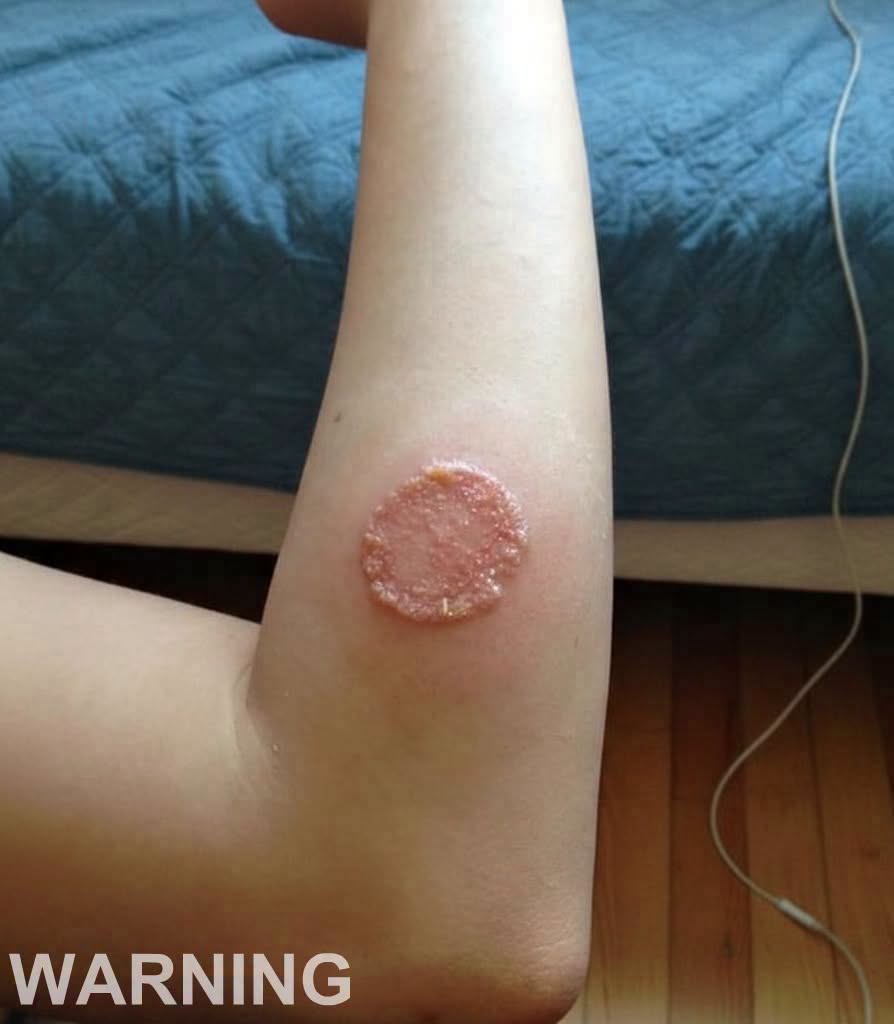
Many infections can have no symptoms
A person can carry a sexually transmitted infection without knowing it.
Looking healthy is not the same as testing negative.
Therefore, responsible partners discuss testing and protection rather than relying on appearances or trust alone.
Protecting one another’s health is an act of respect.
Red Flags Worth Taking Seriously
Pay attention to how someone handles boundaries
Warning signs may include:
- Pressuring you after you say no
- Becoming angry when you ask questions
- Mocking your values
- Refusing to discuss protection
- Hiding major relationship details
- Frequently lying
- Sharing other people’s private information
- Disappearing after receiving affection
- Using jealousy to control you
- Making you feel guilty for slowing down
One red flag does not always reveal someone’s entire character.
However, repeated patterns deserve attention.
Trust discomfort
Sometimes nothing dramatic happens, but something still feels wrong.
You may notice:
- Inconsistent stories
- Sudden secrecy
- Pressure to move quickly
- Constant emotional confusion
- Fear of asking basic questions
- A feeling that your boundaries are inconvenient to them
You do not need courtroom-level evidence to slow down a relationship.
Discomfort itself can be enough reason to wait.
Moving Forward After Regret
Do not turn one decision into your identity
People make decisions they later regret.
That does not make them foolish, damaged, or undeserving of healthy relationships.
Regret can provide information.
Ask:
- What did I ignore?
- What did I need emotionally?
- What boundary would help next time?
- What did this teach me about trust?
- What kind of relationship actually feels healthy for me?
Reflection works better than self-punishment.
Forgive yourself without ignoring the lesson
Self-forgiveness does not mean pretending nothing happened.
It means accepting that you cannot change the past while still allowing yourself to grow.
You can acknowledge:
“I wish I had made a different choice.”
And also say:
“I can make a better choice next time.”
Both can be true.
What Healthy Intimacy Usually Looks Like
Respect before, during, and after
A healthy connection does not suddenly become cold once intimacy happens.
Respect remains.
The other person communicates.
They care about your comfort.
They do not use the experience against you.
Even if the relationship remains casual, both people continue treating one another as human beings rather than disposable experiences.
Emotional safety matters
Healthy intimacy often includes the freedom to talk about:
- Feelings
- Boundaries
- Expectations
- Health
- Fear
- Uncertainty
- Changes of mind
When people feel safe being honest, misunderstandings become easier to resolve.
The goal is not to eliminate every emotional risk.
Relationships always involve vulnerability.
The goal is to choose vulnerability with people who treat it carefully.
Frequently Asked Questions
Does intimacy always create emotional attachment?
No. People respond differently. Some become emotionally attached quickly, while others can maintain casual relationships without developing deeper feelings.
How can I know whether someone wants a serious relationship?
Ask directly and observe whether their behavior matches their words. Avoid relying on physical intimacy as proof of commitment.
Is casual intimacy always emotionally harmful?
No. Some adults are comfortable with consensual casual relationships. Problems usually arise when expectations, boundaries, or honesty do not align.
What should I do if I feel used afterward?
Give yourself space to process what happened. Talk with someone you trust, clarify boundaries, and consider ending contact if the relationship continues to harm your emotional well-being.
Can a relationship recover after infidelity?
Some couples rebuild trust, while others choose to separate. Recovery usually requires honesty, accountability, time, and often professional counseling.
How can I protect myself emotionally?
Know your own expectations, communicate them clearly, pay attention to red flags, protect your privacy, and avoid situations where you feel pressured or unsafe.
Conclusion
Sleeping with the wrong person does not automatically destroy a life.
However, intimacy can become painful when it happens without honesty, mutual respect, clear expectations, or emotional safety.
The biggest risks rarely come from closeness itself.
They come from secrecy.
Manipulation.
Mismatched expectations.
Broken trust.
Poor boundaries.
And assumptions that never become conversations.
A healthy intimate relationship—whether serious or casual—requires two people who understand what they are agreeing to and respect each other before, during, and after the experience.
Chemistry may create attraction.
Trust makes that attraction safer.
Communication gives it clarity.
Boundaries protect both people.
Before sharing something deeply personal with another person, ask yourself whether the connection leaves you feeling respected, secure, and able to speak honestly.
Temporary attraction can be powerful.
But the way someone treats you once the moment has passed often reveals far more about whether they were the right person to trust.