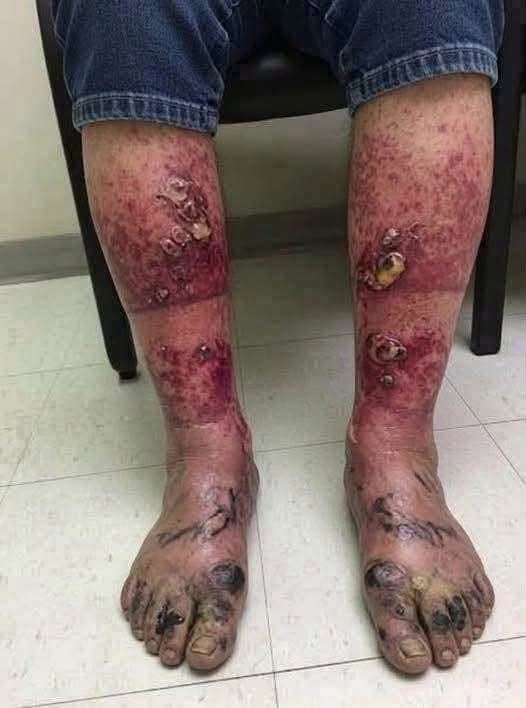
Dark or black areas on the toes, open wounds that drain yellow fluid, and widespread red or purple patches are not ordinary skin changes. They may signal severe loss of blood flow, tissue death, infection, inflammation of the blood vessels, or another serious medical condition.
A photograph alone cannot reveal the exact cause. A clinician may need to examine the feet, check circulation and nerve function, review the person’s medical history, order blood tests, and use imaging or vascular studies. However, the combination of blackened tissue, ulcers, drainage, swelling, or rapidly changing skin color warrants urgent in-person evaluation.
Black, purple, or dark-red skin can occur with gangrene, which develops when tissue dies because it loses its blood supply or becomes severely infected. Gangrene may also cause numbness, worsening pain, swelling, blisters, and sores that leak blood or foul-smelling pus. It requires emergency treatment.
Why Black or Purple Toes Are a Serious Warning Sign
Loss of circulation can damage tissue quickly
Every part of the body needs a steady supply of oxygen-rich blood. When arteries in the legs or feet become severely narrowed or blocked, the tissues beyond that obstruction may not receive enough oxygen.
Peripheral artery disease, often called PAD, can reduce circulation to the lower legs and feet. Warning signs include wounds that heal slowly, a foot that feels cooler than the other, numbness, changes in skin color, and loss of hair or muscle. When blood flow becomes critically low, ulcers and gangrene can develop.
A blackened toe may represent dead tissue rather than bruising. The person may feel severe pain, but sometimes the area becomes numb because the nerves no longer receive enough blood.
That numbness does not make the condition less dangerous. In fact, a painless black area can still indicate advanced tissue damage.
Anyone who develops a suddenly cold, pale, blue, purple, or black foot should seek emergency care, especially when the change appears on one side or occurs with weakness, severe pain, loss of sensation, or difficulty moving the toes.
Gangrene can result from poor circulation or infection
Gangrene refers to tissue death. It often begins in the toes or fingers because these areas sit farthest from the heart and may lose circulation first.
Dry gangrene commonly develops from prolonged loss of blood flow. The affected tissue may gradually become dark, dry, shriveled, or numb.
Wet gangrene occurs when dead or damaged tissue becomes infected. It can cause swelling, blisters, drainage, a strong odor, fever, or rapidly spreading discoloration. This form can progress quickly and become life-threatening.
Doctors may need to restore blood flow, remove dead tissue, administer antibiotics, or perform surgery. Treatment becomes more difficult as the damage advances, so waiting for the toe to “heal on its own” can put both the limb and the person’s life at risk.
Open Sores and Yellow Drainage May Indicate Infection
A draining wound needs professional assessment
An open sore containing yellow material may contain pus, dead tissue, wound fluid, or a combination of these. None of those possibilities can be diagnosed safely from appearance alone.
Signs that suggest infection include:
- Increasing redness or warmth
- Swelling
- Worsening pain
- Yellow, green, bloody, or foul-smelling drainage
- Fever or chills
- Red streaks moving away from the wound
- Rapid enlargement of the affected area
- Confusion, dizziness, or unusual weakness
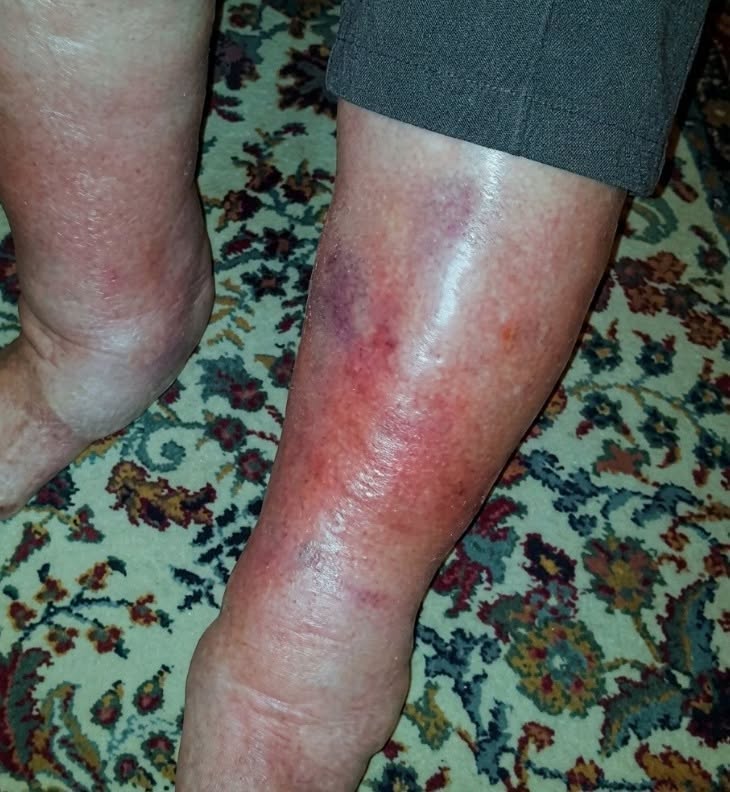
Cellulitis is a bacterial infection involving the skin and the tissues beneath it. It commonly causes pain, warmth, redness, and swelling. Without prompt treatment, it can spread into deeper tissues or the bloodstream.
A person should seek immediate medical attention when redness spreads quickly or when fever and chills develop.
Cleaning the wound at home may remove surface debris, but it cannot treat a deep infection, restore blood flow, or remove dead tissue. Applying random creams, peroxide, bleach, herbal preparations, or leftover antibiotics can delay effective care and sometimes cause additional injury.
Severe soft-tissue infections can progress rapidly
Necrotizing fasciitis is a rare but dangerous bacterial infection that destroys tissue beneath the skin. Early signs may include fever, rapidly spreading swelling or redness, and pain that seems far more intense than the visible injury would suggest.
As the infection progresses, the skin may develop blisters or black, purple, or gray patches. The person may become dizzy, confused, weak, or seriously ill. Immediate hospital treatment, antibiotics, and surgery may be necessary.
Most infected foot wounds do not become necrotizing infections. Nevertheless, no one should try to distinguish an ordinary infection from a life-threatening one by studying an online image.
Severe pain, rapid progression, fever, blackening skin, or systemic illness should prompt emergency care.
A Red or Purple Rash Can Have Several Causes
Bleeding beneath the skin can create purple patches
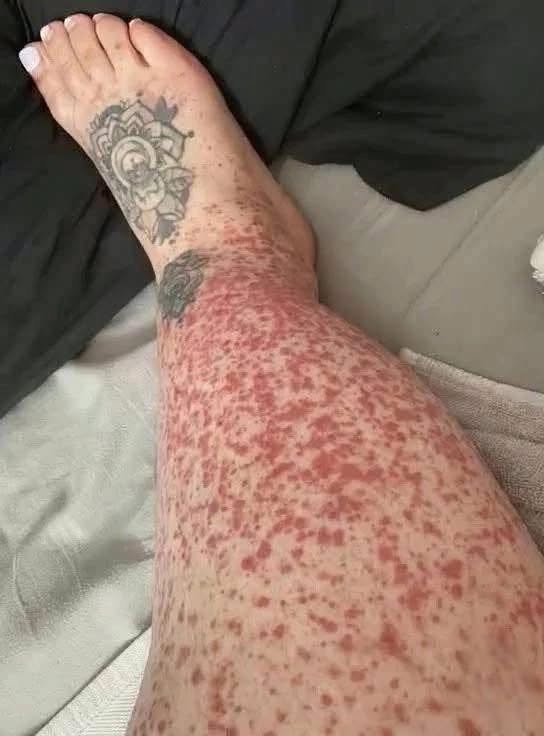
Small red or purple dots may represent petechiae, while larger patches may indicate purpura or bruising beneath the skin. These changes can occur for many reasons, including medication effects, low platelet levels, blood-clotting disorders, infection, inflammation, or trauma.
A rash that does not fade when pressed deserves particular attention, especially when it appears suddenly or occurs with fever, confusion, shortness of breath, weakness, or bleeding elsewhere.
However, color can look different across skin tones. On darker skin, inflammation or poor circulation may appear brown, gray, deep purple, or nearly black rather than bright red. Clinicians may also inspect the soles, palms, lips, nail beds, and inside the mouth when evaluating color changes.
The rash cannot be diagnosed reliably from color alone. Its location, texture, speed of spread, associated pain, and accompanying symptoms all matter.
Vasculitis can injure skin and deeper tissues
Vasculitis refers to inflammation of blood vessels. Depending on the vessels involved, it can reduce blood flow, cause bleeding beneath the skin, or damage organs.
Skin findings can include red or purple spots, painful nodules, ulcers, blisters, or areas of tissue damage. Some forms remain limited to the skin, while others affect the kidneys, lungs, nerves, joints, or digestive system.
Because many unrelated conditions can resemble vasculitis, diagnosis may require blood tests, urine testing, imaging, or a skin biopsy. Treatment depends on the underlying type and severity.
A person with a new purple rash and foot ulcers should not assume the condition comes from an allergy, insect bite, or minor circulation problem. Medical evaluation should determine the cause.
Diabetes Can Make Foot Problems More Dangerous
Nerve damage may hide the seriousness of an injury
Diabetes can damage nerves in the feet, reducing the ability to feel pain, temperature, or pressure. A blister, cut, burn, or pressure injury may therefore go unnoticed.
At the same time, diabetes can impair circulation and slow healing. A small wound may remain open long enough for bacteria to enter and cause infection.
People with diabetes should inspect their feet regularly and seek prompt medical care for new wounds, drainage, swelling, unusual warmth, color changes, or foul odor. Diabetes combined with peripheral artery disease raises the risk of tissue damage, gangrene, and amputation.
A person should never walk barefoot on an injured foot or trim dead tissue at home. Pressure on an ulcer can deepen the wound, while cutting tissue can introduce bacteria or cause bleeding.
Foot ulcers require more than a bandage
Effective treatment may involve cleaning the wound, removing dead tissue, relieving pressure, controlling blood sugar, treating infection, and improving blood flow.
Doctors may use an ankle-brachial index, ultrasound, CT angiography, or other tests to examine circulation. They may also take a wound sample or order imaging when they suspect infection in the bone.
A bandage protects the surface, but it does not correct blocked arteries, uncontrolled diabetes, or infection beneath the skin. The underlying cause determines whether the wound heals.
When to Go to the Emergency Department
Do not wait when tissue is turning black
Emergency care is appropriate when a person has any of the following:
- A toe or part of the foot turning black, blue, gray, or deep purple
- A suddenly cold, pale, or numb foot
- Severe foot pain, especially pain at rest
- Rapidly spreading redness or swelling
- Pus, blood, or foul-smelling drainage
- Blisters near a dark or rapidly changing area
- Fever, chills, confusion, dizziness, or rapid heartbeat
- A wound with pain much worse than its appearance
- Loss of movement or sensation
- An open sore in someone with diabetes or poor circulation
These findings can indicate threatened blood flow, severe infection, gangrene, or sepsis.
Do not drive yourself when you feel faint, confused, severely weak, or seriously ill. Call emergency services or ask another adult to take you to the nearest emergency department.
What to do while help is being arranged
Keep the affected foot protected and avoid putting pressure on it.
Do not cut, squeeze, puncture, massage, or scrape the dark tissue. Do not soak the foot in hot water. Reduced sensation may prevent someone from noticing a burn, and soaking can soften damaged skin.
Cover an open wound loosely with clean gauze if available. Avoid tight wrapping because it may further restrict circulation.
Do not eat or drink large amounts when emergency surgery may be possible, unless a medical professional advises otherwise. Bring a list of medications, allergies, health conditions, and recent treatments.
If the person has diabetes, bring recent glucose readings when available, but do not delay departure to collect information.
How Doctors Determine the Cause
The examination focuses on circulation and infection
A clinician may compare the temperature, color, pulses, sensation, and movement of both feet. They may press on the toenails or skin to assess how quickly color returns.
They will also evaluate the wound’s size, depth, drainage, odor, surrounding redness, and possible exposure of deeper structures.
Questions may cover:
- When the changes began
- How quickly they progressed
- Whether pain occurs at rest or during walking
- Diabetes, smoking, kidney disease, or vascular disease
- Recent injuries, surgeries, or insect bites
- New medications
- Fever, chills, weight loss, or fatigue
- Previous ulcers or amputations
- Autoimmune or clotting conditions
These details help distinguish circulation loss, infection, inflammatory disease, pressure injury, trauma, and other causes.
Testing depends on the suspected condition
Blood tests may check for infection, inflammation, anemia, clotting problems, kidney function, and blood sugar.
Vascular studies can evaluate blood flow through the arteries. Imaging may reveal a blockage, gas within the tissues, an abscess, or infection involving bone.
Doctors sometimes collect tissue or wound-fluid samples. When vasculitis or another inflammatory skin condition remains possible, they may perform a biopsy.
The appearance may suggest several diagnoses, but testing guides treatment and prevents dangerous assumptions.
Common Questions About Dark or Ulcerated Toes
Can black toes result from sleeping in the wrong position?
Brief pressure can cause temporary numbness or tingling, but persistent black tissue, an open ulcer, or drainage should not be attributed to sleeping position. These findings require urgent medical assessment.
Does black skin always mean gangrene?
No. Bruising, blood blisters, dye, skin conditions, and other problems can also cause dark discoloration. However, gangrene must be ruled out urgently when a toe turns black, especially with pain, numbness, coldness, swelling, or an open wound.
Can antibiotics cure every infected foot wound?
No. Antibiotics can treat susceptible bacteria, but severely damaged or dead tissue may require surgical removal. Blocked arteries may also need procedures that restore blood flow.
What does yellow material inside a wound mean?
It may represent pus, wound drainage, or dead tissue. A healthcare professional must assess the wound because appearance alone cannot determine the cause or severity.
Can these conditions lead to amputation?
Yes. Severe infection, gangrene, or critically reduced blood flow can cause irreversible tissue damage. Early treatment improves the chance of saving affected tissue and preventing the infection from spreading.
Final Thoughts
Black toes, open sores, yellow drainage, and a red-purple rash should never become the subject of a sensational headline or a casual home diagnosis. They can represent tissue death, severe infection, blocked circulation, diabetes-related complications, blood-vessel inflammation, or another serious disorder.
The exact diagnosis requires an in-person examination. However, the safest response does not depend on knowing the cause first.
When a foot turns black, becomes cold or numb, develops a draining ulcer, or changes rapidly, seek urgent medical care. When fever, severe pain, spreading redness, confusion, or weakness accompanies those changes, treat the situation as an emergency.
Fast evaluation can protect the limb, stop an infection from spreading, and potentially save a life.
More Health
- Cockroach Milk: Could It Become the Superfood of the Future?
- Foamy Urine: Here’s Why You Have Bubbles in Your Urine and When to Pay Attention
- More Than a Moment: Understanding the Layers of Intimacy and What Creates Lasting Connection
- Sleeping With the Wrong Person: The Emotional, Social, and Personal Consequences People Often Overlook