Finding a weird bug in your child’s hair can turn an ordinary evening into an anxious one. You may notice a tiny speck while brushing their hair, washing it after a bath, or checking an itchy scalp. Immediately, questions begin: Is it head lice? Could it be a tick? Are there eggs? Does the whole family need treatment?
Fortunately, finding a weird bug in your child’s hair usually leads to a manageable problem. The most useful first step involves identifying what you actually found before reaching for treatments.
Head lice and ticks require very different responses. Meanwhile, an ordinary insect that accidentally landed in the hair may require nothing more than removal.
Therefore, good lighting, careful observation, and the right technique matter much more than panic.
I remember checking a child’s hair one evening after a long afternoon outdoors and seeing a tiny dark shape close to the scalp. For several seconds, every possibility seemed frightening. However, instead of immediately applying a treatment, I moved under a brighter light and separated the hair carefully. That simple decision changed everything. I could see the insect clearly and determine what needed to happen next. The experience taught me an important lesson: when something unexpected appears in a child’s hair, careful identification should always come before treatment. Calm observation prevents unnecessary products, unnecessary cleaning, and unnecessary worry.
First, Figure Out What You Are Looking At
Check the scalp carefully under bright light
When you find a weird bug in your child’s hair, move somewhere with strong lighting. Natural daylight works especially well, although a bright lamp can also help.
Part the hair into small sections. Then inspect the scalp, hair shafts, area behind the ears, and nape of the neck.
Look closely at the object itself.
Does it move through the hair? Is it attached directly to the skin? Do you see several similar insects? Are tiny oval objects attached to individual hairs?
These details can quickly narrow the possibilities.
Head lice are tiny, wingless insects adapted to living in human scalp hair. Adult lice are approximately the size of a sesame seed. They crawl rather than fly or jump.
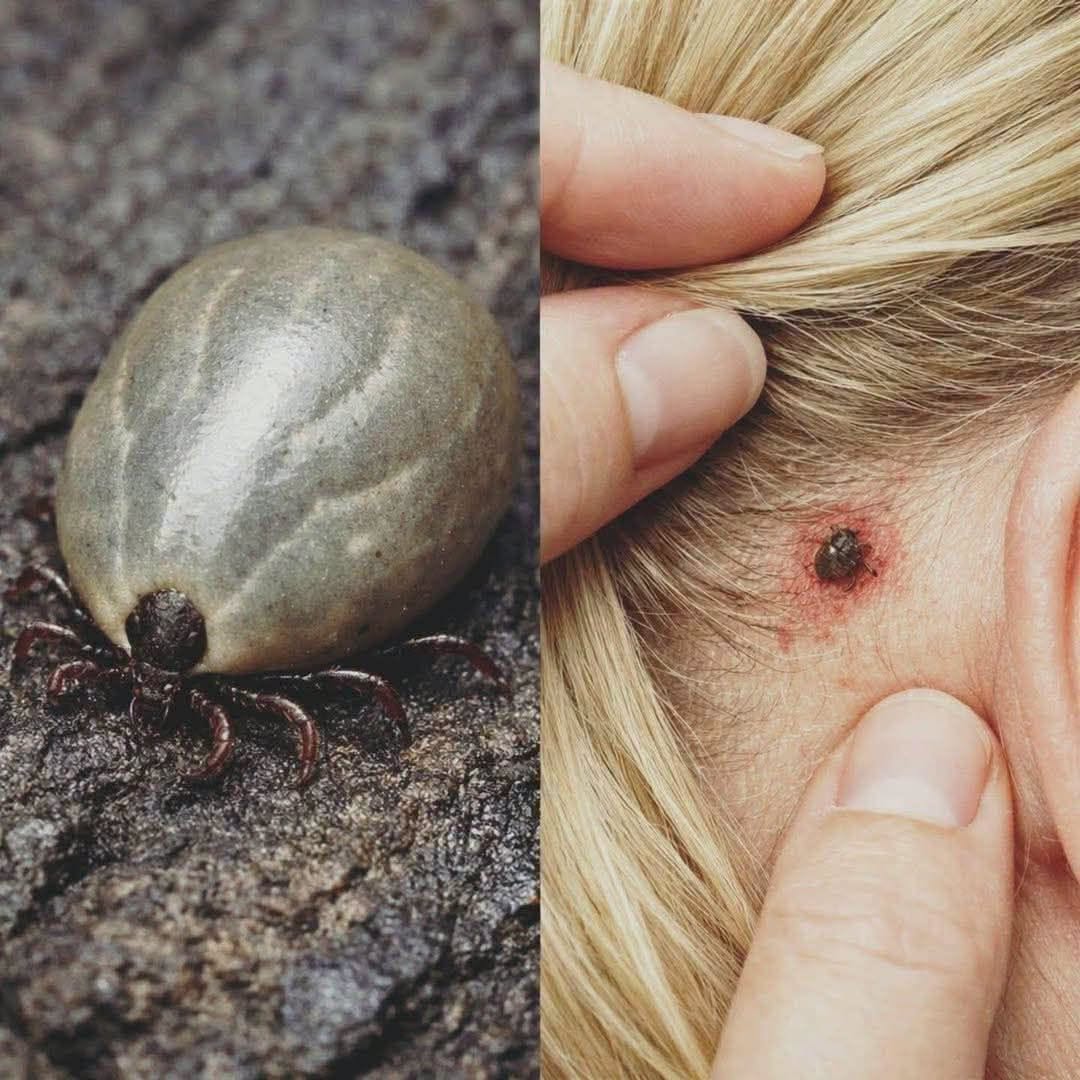
Ticks behave differently. A tick generally attaches directly to skin and remains in one place while feeding. Depending on its species and feeding stage, it may appear flat or become more rounded as it takes a blood meal.
Meanwhile, an accidental insect usually does not remain firmly attached. You may find only one, and you generally will not see eggs attached to nearby hair.
Therefore, avoid assuming every moving speck represents lice.
Look for evidence beyond one insect
One insect provides a clue, but surrounding evidence can provide a better answer.
With head lice, look for live crawling lice and nits. Nits attach firmly to individual hair shafts and can be difficult to slide away.
However, dandruff, hair-product residue, dried skin, sand, and lint can sometimes resemble nits.
Try looking at the object from several angles under good light.
With a tick, focus on the skin itself. A feeding tick attaches its mouthparts to the skin rather than moving freely between hairs.
You may need to separate thick hair carefully to see exactly where it connects.
If you cannot identify an attached insect confidently, especially after recent outdoor activity, consider asking a healthcare professional for help rather than repeatedly manipulating it.
Head Lice: The Common Scalp Visitor
How to recognize head lice
Head lice can affect children from virtually any household.
They do not indicate poor parenting, dirty hair, or an unclean home.
Instead, head lice spread mainly through direct hair-to-hair contact. Because children often play closely together, lice can move between them relatively easily.
An adult head louse has six legs and a small flattened body. Its color can vary from grayish-white to tan or darker after feeding.
Lice cannot jump like fleas. They also cannot fly.
Instead, they crawl and use specialized claws to hold onto hair.
Nits are lice eggs. Female lice attach them to hair shafts with a substance that holds them firmly in place.
Consequently, nits usually do not brush away as easily as dandruff.
Common places to inspect include behind the ears and around the neckline. Nevertheless, lice and nits can appear elsewhere on the scalp.
Itching may occur, although it should not serve as the only test.
What to do when you suspect lice
If you discover a weird bug in your child’s hair and believe it is a head louse, confirm the identification before treating everyone in the household.
Wet combing can help find and remove lice. Wet the hair, apply enough conditioner to make combing easier, and work through small sections with a fine-toothed lice comb.
Start close to the scalp and pull the comb through to the ends.
After each pass, inspect and clean the comb.
Treatment recommendations vary according to age, location, previous treatment, and the products available where you live. Therefore, follow the directions on an approved lice treatment carefully or ask a pharmacist or healthcare professional for guidance.
Do not combine several insecticides or repeatedly apply a treatment because you assume that more product will work better.
Additionally, check other household members rather than automatically treating everyone.
Follow-up matters because eggs may remain after the first treatment. Depending on the method or product used, repeated combing or a correctly timed second treatment may be necessary.
What If the Bug Is a Tick?
A tick behaves differently from a louse
Ticks can end up on the scalp after outdoor activities, especially after time around grass, brush, wooded areas, or places where ticks live.
Children may not notice a tick crawling through their hair.
Eventually, the tick can attach to the scalp and begin feeding.
An attached tick generally stays in one location. Therefore, if the object appears anchored directly to the skin rather than crawling between hairs, inspect it closely.
Hair can make tick detection difficult. After outdoor activities in tick-prone areas, carefully check:
- The scalp and hairline
- Behind the ears
- Under the arms
- Around the waist
- Behind the knees
- Between the legs
- Around the ankles
Finding a tick does not automatically mean your child has contracted a tick-borne illness.
However, proper removal and appropriate monitoring matter.
How to remove an attached tick
Use clean, fine-tipped tweezers.
First, separate the surrounding hair so you can clearly see the tick. Next, grasp the tick as close to the skin’s surface as possible.
Then pull upward using steady, even pressure.
Avoid jerking or twisting aggressively.
After removal, clean the bite area and your hands.
Do not try to make an attached tick detach by burning it, covering it with petroleum jelly, applying nail polish, or using other improvised methods. These approaches can delay proper removal.
If part of the tick appears to remain in the skin and you cannot remove it easily, avoid digging aggressively into the scalp. A healthcare professional can advise you.
Parents may also want to note when and where the exposure likely occurred and, when practical, preserve the tick in a sealed container or take a clear photograph for identification.
The Bug May Simply Be an Accidental Visitor
Not every insect in hair lives there
Children explore.
They roll on grass, lean against trees, play on carpets, sit beside other children, visit parks, cuddle pets, and investigate places adults would never think to examine.
Therefore, insects occasionally end up in their hair by accident.
A beetle, small fly, plant insect, or another tiny arthropod can become temporarily trapped between strands.
The important distinction involves behavior.
An accidental visitor generally does not produce attached nits or establish a population on the scalp. Once removed, you may never see another.
So, if you find one weird bug in your child’s hair, do not immediately assume that the bedroom requires complete disinfection.
Remove the insect, inspect the scalp, and continue monitoring.
If nothing else appears, the incident may have been exactly what it looked like: an insect in the wrong place.
Avoid unnecessary treatments
Uncertainty sometimes encourages parents to use whatever treatment happens to be available.
However, a lice treatment will not solve every insect problem, and pesticide products should never serve as an identification tool.
Likewise, aggressive household cleaning may create substantial work without providing additional protection.
Identify first.
Treat second.
That simple order can prevent unnecessary chemical exposure and wasted effort.
If you cannot identify the insect, place it in a sealed transparent container or take several close photographs. A pharmacist, pediatrician, healthcare professional, or qualified pest specialist may then help with identification.
Managing the Home Without Going Overboard
Lice usually do not require extreme cleaning
Finding head lice can trigger an understandable desire to wash everything in sight.
However, head lice depend heavily on the human scalp for survival.
Focus on items that had recent contact with the affected person’s head, and follow public-health or product guidance for cleaning them.
Depending on local recommendations, this may include recently used pillowcases, bedding, hats, combs, brushes, and hair accessories.
Vacuuming areas where the child frequently rests can also provide reassurance.
However, avoid spraying household insecticides across furniture, mattresses, or rooms to control head lice.
The primary treatment target remains the person’s hair and scalp.
Prevent unnecessary spread
Teach children not to share personal hair items such as combs, brushes, hair accessories, and hats when lice are circulating.
Nevertheless, avoid turning the situation into a source of shame.
Children can develop lice regardless of how frequently they bathe.
Similarly, parents should communicate calmly with schools, childcare providers, and close contacts when notification is appropriate under local policies.
Clear communication helps other families check their children and respond early.
Itching Does Not Tell the Whole Story
A child may have lice without immediate itching
Parents often expect intense scratching to appear immediately after lice arrive.
That does not always happen.
Itching results largely from a reaction to louse bites. Therefore, symptoms can take time to develop, particularly during a first infestation.
Some children may experience relatively little itching.
For this reason, direct inspection provides more useful information than waiting for scratching.
If lice have been reported among close contacts, checking the hair under bright light can identify a problem earlier.
Itching can have many other causes
An itchy scalp does not automatically mean lice.
Dry skin, dandruff, eczema, irritation from hair products, sweat, and other skin conditions can also cause itching.
Similarly, scratching can irritate the skin and create small sores.
If the scalp becomes increasingly red, swollen, painful, crusted, or produces drainage, contact a healthcare professional.
The goal involves treating the actual cause rather than assuming that every itchy scalp contains insects.
Preventing Future Scares
Make scalp checks simple
Parents do not need to turn every bath into an insect inspection.
However, occasional checks can help when there has been known exposure to lice or after activities where tick exposure is possible.
Use bright light and part the hair systematically.
For lice, focus especially on the areas behind the ears and near the neckline.
For ticks, check the entire scalp after time in environments where ticks may live.
Children with long or thick hair may need extra attention because small insects can hide easily.
Most importantly, make the process routine rather than frightening.
You can simply explain that you are checking their hair after outdoor play.
Use proven prevention instead of home remedies
The source material recommends adding tea tree oil to shampoo as a preventive ritual. However, the supplied source does not provide evidence supporting that recommendation.
Essential oils can also irritate skin or cause other problems when used incorrectly.
Therefore, parents should not rely on tea tree oil or another homemade preparation as a guaranteed way to prevent lice.
Instead, focus on practical measures.
Avoid sharing brushes and combs during known lice outbreaks. Check close contacts when lice are confirmed. Meanwhile, use appropriate clothing and an age-appropriate, registered insect repellent when children enter tick-prone environments.
Prevention should remain simple, evidence-based, and appropriate for the child.
Helping Your Child Stay Calm
Your reaction shapes their reaction
A child who sees a parent panic over a tiny insect may quickly assume something terrible has happened.
Instead, keep your explanation straightforward.
Tell them you found a bug and need to identify and remove it.
Avoid words that suggest the child is dirty.
Likewise, do not make jokes that might embarrass them later.
A calm approach turns the incident into a practical problem rather than a personal failure.
After all, lice spread through contact, while ticks come from environments where they naturally live.
Neither insect makes a statement about a child’s character.
Turn the experience into a useful lesson
Children often become fascinated once the initial worry disappears.
Depending on their age, you can explain why lice hold onto hair, why ticks attach to skin, and why different insects require different responses.
You can also teach practical habits:
Do not share combs or brushes.
Tell an adult when something unusual appears on the scalp.
Check for ticks after appropriate outdoor activities.
Do not pull at an attached insect without help.
These small lessons can replace fear with confidence.
When to Contact a Healthcare Professional
Some situations deserve medical guidance
Most cases of head lice can be managed without emergency care.
However, contact a healthcare professional when you cannot confidently identify what you found, when recommended lice treatment repeatedly fails despite correct use, or when the scalp develops signs of significant irritation or infection.
Tick bites may also require medical advice depending on the child’s symptoms, geographic location, tick species, attachment duration, and other circumstances.
After a tick bite, monitor the child for new symptoms.
Seek medical advice if concerning symptoms develop, particularly fever, unusual rash, severe headache, significant fatigue, facial weakness, joint symptoms, or worsening illness.
Additionally, seek urgent medical care for severe allergic symptoms, difficulty breathing, confusion, fainting, severe weakness, or another rapidly developing medical emergency.
Frequently Asked Questions
How can I tell lice from dandruff?
Dandruff generally flakes away relatively easily. Nits usually remain firmly attached to individual hair shafts. Finding a live crawling louse provides much stronger evidence of active head lice.
Can head lice fly or jump?
No. Head lice crawl. They do not have wings and cannot jump like fleas.
Does having lice mean my child has poor hygiene?
No. Head lice can affect children with clean or dirty hair. An infestation does not indicate neglect or poor personal hygiene.
What should I do if I find a tick attached to the scalp?
Use fine-tipped tweezers to grasp it close to the skin and pull upward with steady pressure. Clean the area afterward, and seek medical guidance when appropriate based on symptoms and local tick-borne disease risks.
Should I treat the entire family when one child has lice?
Check close household members carefully. Treat people according to confirmed infestation and the instructions provided with the recommended treatment rather than automatically applying products to everyone.
Conclusion
Finding a weird bug in your child’s hair can feel alarming, especially when you cannot immediately tell whether you are looking at lice, a tick, or an accidental visitor.
However, the solution begins with observation rather than panic.
Turn on a bright light. Separate the hair. Look at whether the insect crawls through the strands or attaches directly to the skin. Check for additional insects or nits. Then choose the response that matches what you actually found.
If it is head lice, use an appropriate treatment and careful follow-up. If it is an attached tick, remove it correctly and monitor the child. If it is simply an accidental visitor, gentle removal and a scalp check may be all that is necessary.
Most importantly, leave shame out of the conversation.
Children encounter insects because they live, play, explore, learn, and spend time around other people and the natural world.
A tiny bug does not define your child’s hygiene or your parenting.
It is simply a small problem that becomes much easier once you know what you are looking at.
More Health
- Cockroach Milk: Could It Become the Superfood of the Future?
- Foamy Urine: Here’s Why You Have Bubbles in Your Urine and When to Pay Attention
- More Than a Moment: Understanding the Layers of Intimacy and What Creates Lasting Connection
- Sleeping With the Wrong Person: The Emotional, Social, and Personal Consequences People Often Overlook