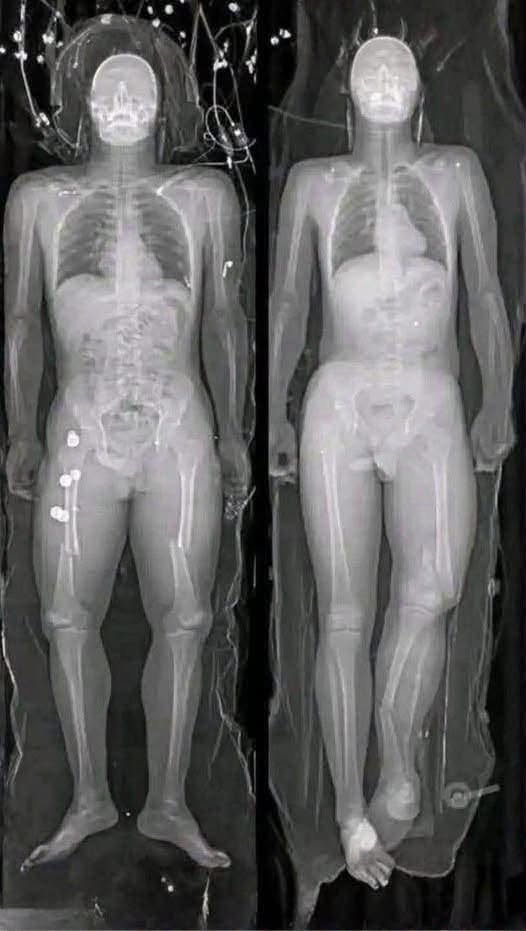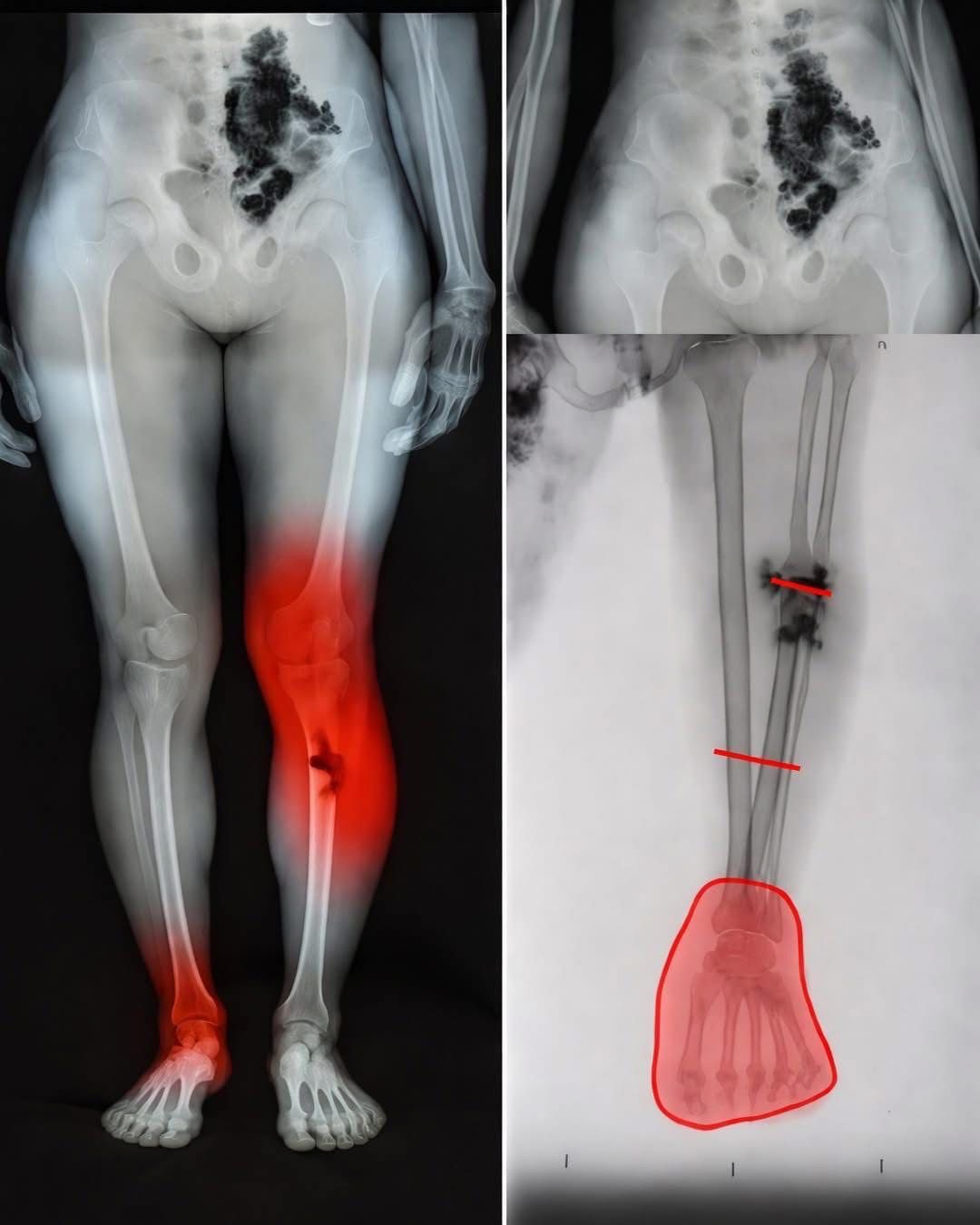
Some people report experiencing new or persistent health symptoms after receiving a COVID-19 vaccine. Stories shared online often describe fatigue, dizziness, memory concerns, heart palpitations, or other symptoms that developed after vaccination. These personal experiences can be distressing and deserve to be taken seriously. However, individual accounts alone cannot determine whether a vaccine caused those symptoms.
Medical researchers continue to study vaccine safety through large clinical trials, ongoing monitoring systems, and population-based research. The overwhelming evidence shows that COVID-19 vaccines have prevented millions of severe illnesses and deaths, while serious adverse reactions remain uncommon. At the same time, healthcare professionals encourage anyone experiencing persistent or unexplained symptoms—regardless of the cause—to seek medical evaluation so they can receive an appropriate diagnosis and treatment.
Understanding Persistent Symptoms After Vaccination
Experiencing symptoms after vaccination does not automatically mean the vaccine caused them. Determining the cause requires careful medical evaluation and consideration of many possible factors.
Common Short-Term Reactions
Most vaccine side effects occur within the first few days and resolve on their own.
These commonly include:
- Fatigue
- Soreness at the injection site
- Mild fever
- Headache
- Muscle aches
- Chills
These reactions are generally temporary and reflect the body’s immune response.
When Symptoms Last Longer
Some individuals report symptoms that continue for weeks or months after vaccination. Researchers investigate these reports carefully, but persistent symptoms can also result from many unrelated medical conditions, including:
- Normal aging
- Viral illnesses
- Heart or lung disease
- Thyroid disorders
- Medication side effects
- Anxiety or stress-related conditions
- Long COVID following a previous infection
Because many conditions share similar symptoms, healthcare providers rely on medical history, physical examinations, and appropriate testing before identifying the underlying cause.
For anyone experiencing ongoing fatigue, memory changes, chest pain, shortness of breath, or other persistent symptoms, professional medical evaluation is the safest course of action.
How Scientists Evaluate Vaccine Safety
Vaccines continue to be monitored long after they are approved. This ongoing surveillance helps researchers identify rare side effects, study long-term outcomes, and update medical guidance when new evidence becomes available.
Multiple Systems Track Safety
Health authorities use several methods to monitor vaccine safety, including:
- Reports from healthcare professionals
- Voluntary reporting systems for patients
- Large healthcare databases
- Clinical studies
- Independent scientific research
- International monitoring programs
When unusual patterns appear, researchers investigate them carefully to determine whether there is evidence of a true connection or whether the events occurred by coincidence.
This process has helped identify a small number of rare vaccine-related adverse events, allowing healthcare providers to update recommendations and inform patients about known risks.
Why Individual Experiences Matter
Personal stories can highlight symptoms that deserve medical attention, even though they cannot establish cause and effect on their own.
Healthcare providers encourage patients to:
- Describe all of their symptoms.
- Share when symptoms began.
- Discuss recent illnesses and medical history.
- Report any concerns during follow-up appointments.
- Seek emergency care for severe or rapidly worsening symptoms.
Every person’s health history is unique, and careful evaluation helps determine the most likely explanation for persistent symptoms.
Supporting Your Health When Symptoms Persist
Regardless of the underlying cause, persistent symptoms deserve attention rather than dismissal.
When to Contact a Healthcare Provider
Medical evaluation is recommended if symptoms:
- Last longer than expected.
- Become progressively worse.
- Interfere with normal daily activities.
- Include chest pain or shortness of breath.
- Cause fainting or severe dizziness.
- Involve significant memory or neurological changes.
Early assessment allows healthcare professionals to identify treatable conditions and recommend appropriate care.
Focusing on Recovery and Well-Being
Living with unexplained symptoms can be frustrating, particularly when answers are not immediately available. Many people find it helpful to work closely with their healthcare team while focusing on habits that support overall health.
These may include:
- Maintaining regular medical follow-up.
- Getting adequate sleep.
- Eating a balanced diet.
- Staying physically active within personal limits.
- Managing stress through healthy coping strategies.
- Seeking emotional support from family, friends, or support groups.
Medical knowledge continues to evolve as new research becomes available. While not every question has an immediate answer, ongoing scientific investigation and open communication between patients and healthcare providers remain essential for improving understanding and ensuring that individuals receive appropriate care.
Frequently Asked Questions
Can COVID-19 vaccines cause long-term health problems?
Extensive research has found that serious long-term adverse reactions to COVID-19 vaccines are rare. Scientists continue to monitor vaccine safety through ongoing surveillance and research. If someone develops persistent or unusual symptoms, they should consult a healthcare provider so the symptoms can be properly evaluated rather than assuming a specific cause.
How can doctors determine what is causing persistent symptoms?
Healthcare professionals consider a person’s medical history, current medications, recent illnesses, physical examination, and, when appropriate, laboratory tests or imaging studies. Because symptoms such as fatigue, dizziness, or memory concerns can have many possible causes, a thorough evaluation is essential before reaching a diagnosis.
Should persistent symptoms be reported?
Yes. Individuals who experience unexpected or persistent symptoms should discuss them with their healthcare provider. In many countries, healthcare professionals and patients can also report suspected adverse events through national vaccine safety monitoring systems. These reports help researchers identify potential safety signals that may warrant further investigation.
What symptoms require immediate medical attention?
Anyone experiencing severe symptoms such as chest pain, difficulty breathing, sudden weakness, confusion, seizures, or signs of a severe allergic reaction should seek emergency medical care immediately. Prompt treatment is important regardless of the underlying cause.
What is the best approach if you’re concerned about your health after vaccination?
The best approach is to seek medical advice rather than relying solely on information shared online. A healthcare professional can evaluate your symptoms, recommend appropriate testing if needed, and develop a treatment plan based on your individual health history.
Conclusion
Questions about health are often personal, and it is understandable that people want clear answers when they experience new or persistent symptoms. While individual experiences deserve empathy and careful medical attention, they do not by themselves establish a cause-and-effect relationship.
Current scientific evidence shows that COVID-19 vaccines have provided substantial protection against severe illness and have undergone extensive safety monitoring. At the same time, researchers continue to study rare adverse events and investigate reports of ongoing symptoms to improve understanding and patient care.
For anyone experiencing persistent health concerns, the most effective course of action is to seek a professional medical evaluation, follow evidence-based guidance, and remain informed through credible health authorities and healthcare providers. Careful diagnosis, open communication, and continued research are the best tools for understanding symptoms and supporting long-term health.
More Health
- Cockroach Milk: Could It Become the Superfood of the Future?
- Foamy Urine: Here’s Why You Have Bubbles in Your Urine and When to Pay Attention
- More Than a Moment: Understanding the Layers of Intimacy and What Creates Lasting Connection
- Sleeping With the Wrong Person: The Emotional, Social, and Personal Consequences People Often Overlook