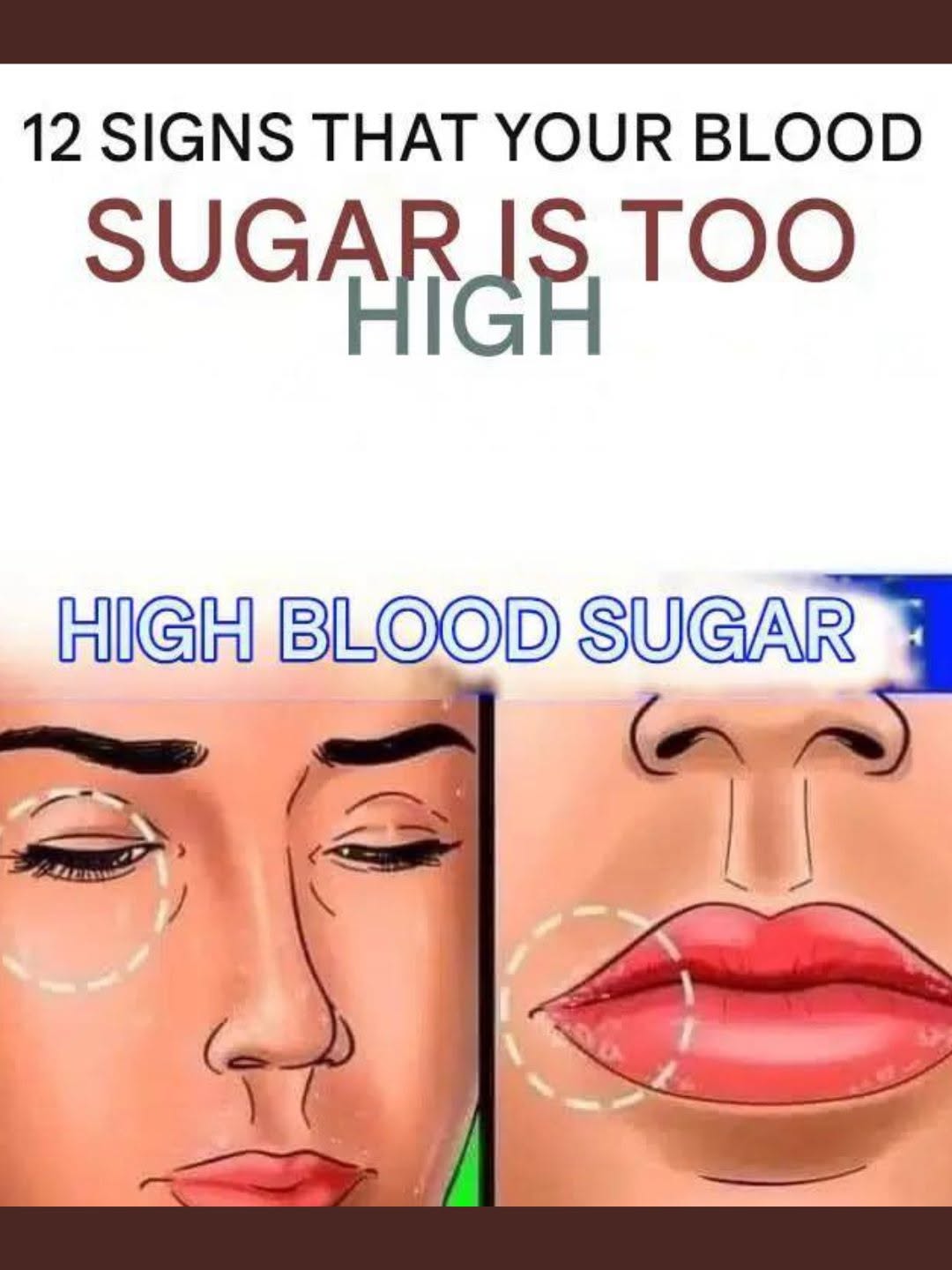
The High-Sugar Alert can help you recognize possible signs that blood glucose may be running higher than it should. Excessive thirst, frequent urination, unusual fatigue, blurry vision, slow-healing sores, and frequent infections can occur with diabetes or significant hyperglycemia. However, symptoms alone cannot diagnose high blood sugar.
That distinction matters because type 2 diabetes often develops slowly. In fact, some people have few or no noticeable symptoms for years. Prediabetes also commonly causes no obvious symptoms. Therefore, blood testing remains the reliable way to determine whether glucose levels fall within a healthy, prediabetes, or diabetes range.
The High-Sugar Alert also should not make every headache, craving, or tired afternoon seem like diabetes. Many everyday conditions cause similar symptoms. Instead, think of these signs as reasons to pay attention, especially when several occur together or persist.
A few years ago, I watched someone close to me dismiss constant thirst and afternoon exhaustion as the natural result of a busy schedule. A large water bottle seemed permanently attached to their hand, and nighttime bathroom trips had gradually become routine. Because each change developed slowly, none seemed dramatic enough to cause concern. Eventually, a routine appointment led to blood glucose testing and a useful conversation with a healthcare professional. The experience taught me something simple but important: gradual changes can become surprisingly easy to normalize. Paying attention does not mean assuming the worst. Instead, it means recognizing patterns and getting objective information when something consistently feels different.
Understanding The High-Sugar Alert and Blood Glucose
What High Blood Sugar Actually Means
Glucose supplies energy to cells throughout your body. After you eat carbohydrates, digestion breaks many of them into glucose, which enters your bloodstream. Your pancreas then releases insulin, which helps glucose move from the blood into cells.
Problems develop when the body does not produce enough insulin, cannot use insulin effectively, or both. Consequently, glucose can remain in the bloodstream instead of moving efficiently into cells.
Doctors call abnormally high blood glucose hyperglycemia. Diabetes represents a group of conditions characterized by chronically elevated blood glucose, although the underlying causes differ between type 1, type 2, gestational diabetes, and other forms.
The High-Sugar Alert becomes especially relevant because type 2 diabetes can progress quietly. Symptoms may develop over several years and remain mild enough to overlook. Some people discover diabetes only after testing or after complications appear.
Additionally, eating sugar does not automatically cause diabetes. Type 2 diabetes develops through a complex interaction of insulin resistance, genetics, body weight, physical activity, age, and other health factors.
Therefore, avoid reducing the condition to a single food.
Instead, The High-Sugar Alert focuses on recognizing possible physical signals while understanding that only appropriate testing can show what your blood glucose is actually doing.
Why Symptoms Can Be Easy to Miss
One reason The High-Sugar Alert matters is that the body can adjust to gradual changes.
Imagine becoming slightly thirstier over several months. You may simply drink more water. If increased urination follows, you might blame the extra fluids. Likewise, fatigue can easily get blamed on work, stress, sleep, or aging.
Consequently, the pattern may remain unnoticed.
Prediabetes presents an additional challenge because it often produces no signs or symptoms. Therefore, waiting until you feel obviously unwell is not a reliable screening strategy.
Even established type 2 diabetes may remain subtle. NIDDK notes that many people have no symptoms, while others experience symptoms so mild that they hardly notice them.
This makes The High-Sugar Alert a guide to awareness rather than a home diagnosis.
Symptoms become more meaningful when they persist, occur together, or differ substantially from your normal baseline. For example, extreme thirst combined with frequent urination, blurry vision, and unexplained weight loss deserves more attention than a single tired afternoon.
Likewise, recurrent infections or sores that heal unusually slowly may justify a conversation with a healthcare professional.
However, the opposite also holds true. Feeling completely normal does not guarantee normal blood glucose.
That is why screening matters for people with appropriate risk factors or according to their clinician’s recommendations.
The First 6 Signs in The High-Sugar Alert
Thirst, Urination, Fatigue, and Blurry Vision
The first four signs in The High-Sugar Alert rank among the best-established symptoms of significant hyperglycemia.
1. Increased thirst
Feeling much thirstier than usual can occur when elevated glucose contributes to fluid loss. Mayo Clinic explains that when excess glucose spills into urine, it can pull additional fluid with it. Consequently, dehydration can increase thirst.
2. Frequent urination
More frequent bathroom trips often accompany increased thirst. The kidneys attempt to remove excess glucose, while additional fluid passes into the urine. Therefore, someone may notice more frequent urination, including nighttime trips.
3. Unusual fatigue
The High-Sugar Alert also includes fatigue. High glucose can interfere with normal energy use, while dehydration from excess urination may compound tiredness.
However, fatigue has countless possible causes. Therefore, it becomes more meaningful when it accompanies other symptoms.
4. Blurry vision
Elevated glucose can alter fluid balance in the eye and temporarily affect focusing. Mayo Clinic notes that high glucose can pull fluid from tissues, including the lenses of the eyes.
Any new or persistent vision change deserves professional evaluation, regardless of its cause.
The High-Sugar Alert treats these symptoms as clues rather than proof. If you experience several consistently, testing provides far more useful information than guessing.
Hunger and Unexplained Weight Loss
The next two signs in The High-Sugar Alert may seem contradictory because someone can feel unusually hungry while losing weight.
5. Increased hunger
People with diabetes may experience increased hunger even after eating. NIDDK lists persistent hunger among common diabetes symptoms.
However, hunger by itself rarely points specifically to high glucose. Sleep deprivation, dieting, increased physical activity, stress, medications, and meal composition can all influence appetite.
Therefore, look at the broader pattern.
6. Unexplained weight loss
Weight loss that occurs without deliberately changing food intake or activity can appear with diabetes, particularly type 1 diabetes, although it may also occur in type 2 diabetes.
When the body cannot use glucose normally, it may turn increasingly to stored fat and muscle for energy. Additionally, losing glucose and fluid through urine can contribute to weight changes.
Unintended weight loss always deserves attention because many conditions besides diabetes can cause it.
The High-Sugar Alert therefore treats this symptom seriously, especially when it appears alongside extreme thirst, frequent urination, fatigue, or increasing hunger.
Type 1 diabetes deserves particular caution because symptoms can develop rapidly over days or weeks rather than gradually over years.
If rapid symptoms appear, do not simply experiment with dietary changes and hope they disappear. Seek medical evaluation.
The Next 6 Signs in The High-Sugar Alert
Slow Healing, Infections, Tingling, and Skin Changes
The High-Sugar Alert includes four additional patterns that may appear when diabetes develops or remains uncontrolled.
7. Slow-healing sores
Cuts or sores that seem unusually slow to heal can occur with diabetes. NIDDK lists wounds that do not heal among common symptoms.
However, many factors influence wound healing, so persistent wounds require proper assessment.
8. Frequent infections
Recurring urinary tract, skin, or yeast infections can occur in people with diabetes. NIDDK specifically identifies these types of frequent infections as possible symptoms.
Again, infection alone does not diagnose diabetes.
9. Tingling or numbness
Pain, numbness, or tingling in the hands or feet can occur as a diabetes-related nerve problem. These symptoms may become noticeable in some people who have lived with elevated glucose for a prolonged period.
Because many neurological and orthopedic conditions also produce tingling, seek evaluation rather than attributing it automatically to glucose.
10. Darkened areas of skin
Dark, thickened, velvety skin, particularly around the neck or armpits, can occur with insulin resistance. This condition, called acanthosis nigricans, can appear in people with prediabetes or type 2 diabetes risk. Mayo Clinic notes darkened skin as one possible sign associated with prediabetes and type 2 diabetes.
The High-Sugar Alert includes this sign carefully because it reflects possible insulin resistance rather than proving current hyperglycemia.
Dry Mouth, Headaches, and What They Really Mean
The final two items in The High-Sugar Alert require additional context because they are less specific.
11. Dry mouth
Significant hyperglycemia can accompany dehydration, which may leave the mouth feeling unusually dry. Mayo Clinic lists dry mouth among symptoms that can occur with high blood sugar.
However, dry mouth also occurs because of medications, dehydration, mouth breathing, smoking, anxiety, and many other causes.
Therefore, dry mouth becomes more noteworthy when it occurs alongside increased thirst and frequent urination.
12. Headaches or unusual irritability
Headaches and irritability sometimes accompany high blood sugar. Mayo Clinic includes headache and irritability among symptoms clinicians may watch for when hyperglycemia occurs.
Nevertheless, these symptoms remain extremely nonspecific.
Furthermore, low blood sugar can also cause headache, irritability, weakness, sweating, shakiness, dizziness, and concentration problems.
That overlap demonstrates exactly why symptoms cannot tell you whether glucose is high or low.
The High-Sugar Alert should therefore never encourage someone taking insulin or glucose-lowering medication to assume that a headache means glucose is elevated. Measuring glucose according to the individual’s care plan provides a safer answer.
Taken together, these 12 signs form a useful awareness checklist. However, thirst, frequent urination, blurry vision, fatigue, unexplained weight loss, slow-healing wounds, and recurrent infections have stronger established associations with diabetes than vague symptoms such as headaches.
What to Do When The High-Sugar Alert Sounds Familiar
Testing Beats Guessing
If several signs in The High-Sugar Alert sound familiar, the next step is not an extreme diet, supplement, cleanse, or home remedy.
Instead, consider professional testing.
Healthcare professionals diagnose diabetes with blood tests. Depending on the situation, testing may include an A1C test, fasting plasma glucose, random plasma glucose, or an oral glucose tolerance test.
The appropriate test depends on circumstances, symptoms, pregnancy status, medications, and other health considerations.
This point matters because neither appearance nor symptoms can reliably determine glucose status.
For example, someone with diabetes may feel normal. Meanwhile, someone experiencing intense thirst and fatigue may have another condition entirely.
The High-Sugar Alert therefore works best when it prompts objective assessment rather than self-diagnosis.
If testing shows prediabetes, early action can make a meaningful difference. Lifestyle approaches commonly include regular physical activity, nutritious eating patterns, appropriate weight management when indicated, good sleep, and following individualized medical advice.
However, avoid thinking of lifestyle improvement as merely “cutting out sugar.”
Carbohydrate quality, total eating pattern, activity, medications, genetics, sleep, and overall metabolic health all matter.
Likewise, someone with established diabetes should not stop medication or alter insulin doses based solely on symptoms.
Instead, follow the treatment plan created with a healthcare professional.
Know the Signs That Require Urgent Care
Most situations described in The High-Sugar Alert develop gradually. However, dangerously high glucose can become a medical emergency.
Diabetic ketoacidosis can produce symptoms such as fruity-smelling breath, abdominal pain, nausea, vomiting, shortness of breath, confusion, severe tiredness, and loss of consciousness.
Therefore, seek urgent medical care for severe symptoms, particularly vomiting with inability to keep fluids down, trouble breathing, confusion, fainting, or loss of consciousness.
People who already have diabetes should follow their individualized sick-day and ketone-testing instructions.
The High-Sugar Alert also needs one final warning about low glucose.
For people taking insulin or certain diabetes medications, blood glucose can fall too low. Symptoms can include sweating, shakiness, dizziness, hunger, weakness, irritability, confusion, or fainting. Severe hypoglycemia can become an emergency.
Consequently, never assume every unusual sensation means high glucose.
Measurement and appropriate medical guidance matter.
The overall message remains positive: recognizing changes early gives you an opportunity to obtain accurate information and appropriate care.
Frequently Asked Questions
Can you have high blood sugar without knowing it?
Yes. The High-Sugar Alert cannot identify every case because type 2 diabetes may cause few or no symptoms for years. Prediabetes usually causes no symptoms at all. Therefore, appropriate screening remains important even when someone feels well.
Does craving sweets mean my blood sugar is high?
Not necessarily. Food cravings have many possible causes and do not diagnose hyperglycemia. Sleep, meal patterns, habits, stress, and food availability can influence cravings. If you have diabetes concerns, blood testing offers more useful information than interpreting cravings alone.
What are the strongest warning signs in The High-Sugar Alert?
Common established diabetes symptoms include increased thirst, frequent urination, fatigue, blurry vision, increased hunger, slow-healing sores, recurrent infections, and unexplained weight loss.
Can eating too much sugar directly give you diabetes?
The relationship is more complicated. Type 2 diabetes develops through multiple factors, including insulin resistance, genetics, physical inactivity, body weight, age, and other health factors. A diet consistently high in calories and highly refined foods can contribute to metabolic risk, but one food alone does not explain every case.
When should I contact a healthcare professional?
Arrange medical evaluation if symptoms such as increased thirst, frequent urination, unexplained weight loss, blurry vision, unusual fatigue, frequent infections, or slow-healing sores persist. Seek urgent care for severe vomiting, breathing difficulty, confusion, fainting, loss of consciousness, or other signs of a possible glucose emergency.
Conclusion
The High-Sugar Alert provides a practical way to recognize patterns your body may be showing you, but it should never replace blood testing or medical evaluation.
The 12 possible signs include increased thirst, frequent urination, unusual fatigue, blurry vision, increased hunger, unexplained weight loss, slow-healing wounds, frequent infections, tingling or numbness, darkened skin associated with insulin resistance, dry mouth, and headaches or irritability.
However, not all 12 carry the same significance.
Thirst, urination, fatigue, blurry vision, slow healing, recurrent infections, and unexplained weight loss have well-established associations with diabetes. Meanwhile, headaches and dry mouth can occur for countless unrelated reasons.
Most importantly, some people with type 2 diabetes experience few or no symptoms, while prediabetes frequently remains silent.
Therefore, The High-Sugar Alert should encourage awareness without creating unnecessary fear.
Notice persistent changes. Look for patterns. Consider personal risk factors. Then use objective testing and professional guidance to understand what those changes actually mean.
If something feels different from your normal baseline, paying attention is worthwhile. You do not need to diagnose yourself, and you do not need to overhaul your diet based on a social-media symptom list.
Instead, accurate information gives you the strongest starting point.
The High-Sugar Alert works best when it leads to that next sensible step: checking rather than guessing.
WP Recipe Maker JSON Import
{
  "title": "The High-Sugar Alert: Recognizing the 12 Key Symptoms Your Body Is Showing You",
  "summary": "An educational guide to 12 possible symptoms associated with elevated blood sugar, diabetes, and insulin resistance, along with guidance on testing and urgent warning signs.",
  "notes": "This is an informational health article, not a recipe. Symptoms cannot diagnose high blood sugar or diabetes. Blood testing and professional medical evaluation provide appropriate diagnosis.",
  "ingredients_flat": [],
  "instructions_flat": [],
  "equipment": [],
  "nutrition": {
    "calories": "",
    "carbohydrates": "",
    "protein": "",
    "fat": "",
    "saturated_fat": "",
    "polyunsaturated_fat": "",
    "monounsaturated_fat": "",
    "trans_fat": "",
    "cholesterol": "",
    "sodium": "",
    "potassium": "",
    "fiber": "",
    "sugar": "",
    "vitamin_a": "",
    "vitamin_c": "",
    "calcium": "",
    "iron": ""
  },
  "tags": {
    "course": ["Health Education"],
    "cuisine": ["General"],
    "keyword": ["The High-Sugar Alert", "high blood sugar symptoms", "hyperglycemia signs", "diabetes symptoms"]
  }
}
SEO Output
Focus Keyword
The High-Sugar Alert
SEO Title
The High-Sugar Alert: 12 Signs Your Body May Be Showing
Meta Description
The High-Sugar Alert reveals 12 possible signs of elevated blood sugar, what they mean, and when symptoms deserve medical attention.
Expert SEO Title
The High-Sugar Alert: 12 Essential Warning Signs Explained
Midjourney Prompt
Realistic health and wellness editorial photography for The High-Sugar Alert, concerned adult sitting at a bright kitchen table holding a clear glass of water while looking at a blood glucose meter, subtle visual cues of frequent thirst and fatigue, healthy food ingredients such as vegetables, whole grains and berries softly arranged in the background, small bowl of sugar cubes positioned off to one side for context, clean modern home setting, natural window lighting, medically responsible non-alarming atmosphere, photorealistic skin and objects, professional magazine photography, vertical composition, clear focal subject, generous negative space at the top for bold text overlay, Pinterest pin design aesthetic –v 6 –ar 2:3
More Blog
- Drinking Water on an Empty Stomach — What Science Actually Supports (No Hype, Just Facts)
- Waking Up Between 3 and 5 AM? It Might Be Your Soul Trying to Talk to You
- What a “Bleach” Patch on Your Underwear Really Means — And Why It’s Actually a Good Sign
- This Drink May Weaken Your Bones From The Inside — But Everyone Drinks It Anyway