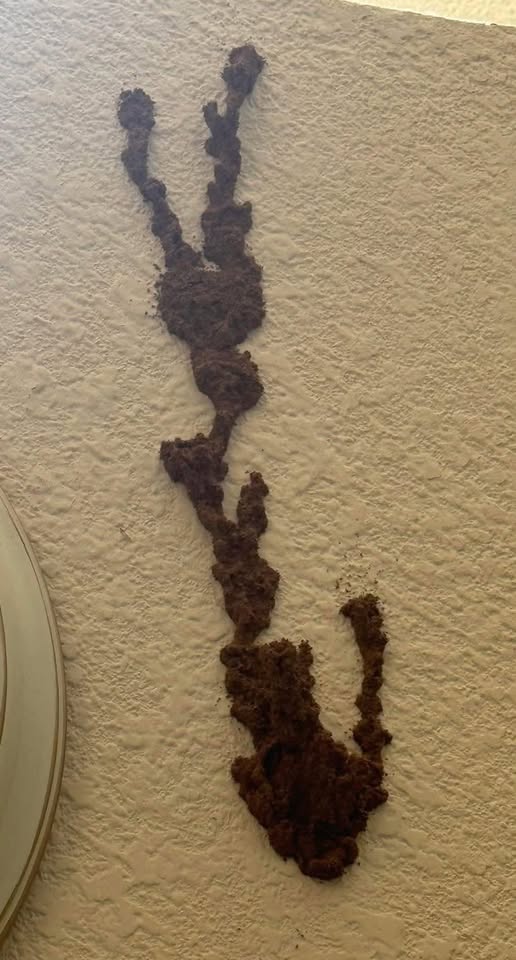
Thousands of Dollars in Damage Hiding Behind This Innocent-Looking Wall may sound dramatic, but a narrow line of dried mud climbing a foundation, wall, pipe, or support post can signal a real termite problem.
Subterranean termites build these narrow shelter tubes from soil, saliva, and other material so they can travel between their underground colony and a food source while protecting themselves from dry air and predators. The U.S. Forest Service identifies these tubes as an important sign of subterranean termite activity, while the Environmental Protection Agency advises homeowners to watch for termite damage and signs around foundations and exposed wood.
However, one tube does not tell you how much damage exists behind a wall. It also does not prove that the colony remains active. An older tube can remain after termites have left or after a previous treatment. Therefore, the safest response involves proper inspection rather than panic, scraping everything away, or spraying a random insecticide.
I once noticed what looked like a thin dried streak near the bottom of a wall and almost dismissed it as dirt left after a rainy week. The line looked too narrow and ordinary to suggest anything serious. However, it seemed strangely structured, almost like someone had carefully pressed soil into a tiny raised tunnel. Instead of wiping it away, I looked more closely around the foundation and found another similar trail nearby. That changed everything. A professional inspection later showed why these little tubes deserve attention: they can reveal where subterranean termites travel even when most of their activity remains completely hidden inside wood or behind finished surfaces.
What That Tiny Dirt Tunnel on the Wall May Actually Be
Termites Build Mud Tubes for Protection
Thousands of Dollars in Damage Hiding Behind This Innocent-Looking Wall often begins with a feature homeowners mistake for dried mud, a crack, or an old stain.
Subterranean termites normally live in soil. However, the wood they want to feed on may sit above ground inside a house. Therefore, termites need a protected route between the colony and the structure.
They solve that problem by building shelter tubes.
These narrow tubes can run across concrete foundations, masonry, pipes, piers, walls, crawl-space supports, or other surfaces that termites cannot eat. Inside the tube, workers can travel while retaining the humid conditions they need.
The U.S. Forest Service explains that subterranean termites need a source of moisture and build mud or shelter tubes to maintain humidity while they forage. It describes the presence of these tubes as a useful indicator of subterranean termite activity.
The tubes often look roughly pencil-width, although size and shape can vary. Some appear narrow and straight. Others branch, curve, widen, or form irregular patches of soil.
You may find them on the outside of a foundation, but termites can also construct them in less obvious areas. Check crawl spaces, basement walls, utility penetrations, plumbing lines, support posts, expansion joints, and areas where wood sits close to soil.
A tube running vertically from the ground toward wooden framing deserves particular attention.
However, avoid assuming that every dirt-like mark represents termites. Mud from insects, construction residue, cracks filled with soil, and other materials can look similar.
That is why inspection matters.
Mississippi State University Extension describes mud shelter tubes traveling up foundation walls or support structures as a strong sign of termite infestation and recommends professional inspection even when homeowners do not immediately see live termites.
The Visible Tube May Be Only a Small Part of the Problem
A mud tube can look tiny compared with the size of a house.
Unfortunately, visible size does not tell you how extensive the hidden activity may be.
Termites often feed inside wooden framing, subfloors, sill plates, joists, studs, trim, and other cellulose-containing materials. Because they may leave the outer surface intact, damaged wood can sometimes look normal until someone probes it, opens a wall, or discovers the problem during renovation.
The EPA recommends probing exposed wood for hollow spots as one way homeowners may discover possible termite damage.
Mississippi State University Extension also notes that homeowners sometimes discover significant termite damage only after removing wallpaper, siding, or other coverings.
Therefore, a small tube does not necessarily mean a small infestation.
Still, it would also be misleading to say that every tube means thousands of dollars in damage already exists.
Some homeowners find activity early. Others discover an old, inactive tube. In still other cases, termites may have entered the structure without causing major structural damage yet.
Only an inspection can begin to answer that question.
A qualified inspector will look beyond the visible tube. They may examine moisture conditions, foundation access points, wood-to-soil contact, crawl spaces, damaged timber, shed wings, swarm evidence, and other areas where termites commonly travel.
If the inspector finds structural damage, you may also need a contractor, engineer, or other building professional to determine whether repairs are necessary.
That separation matters.
Pest control stops or manages the insect problem. Structural repair addresses what the insects may already have damaged.
How to Tell Whether a Mud Tube May Be Active
Live Termites or Rebuilt Tubes Provide Strong Evidence
Thousands of Dollars in Damage Hiding Behind This Innocent-Looking Wall becomes a much more immediate concern when you confirm active termites.
One traditional way inspectors evaluate a suspicious tube involves opening a small section and checking inside.
You may see pale worker termites moving through it. If termites appear, the activity is clearly current.
If you see nothing, that still does not automatically mean the infestation ended.
An established colony may temporarily stop using that particular route, or the insects may retreat after you disturb the tube.
Extension guidance notes that active termites may repair a damaged section over the following days. Mississippi State University Extension specifically states that seeing termites or observing repair of a broken tube indicates active infestation.
However, homeowners should avoid repeatedly destroying every tube they find before an inspection.
Why?
Because the location, condition, and activity of tubes provide useful evidence for the professional who assesses the property.
Instead, photograph the tube from several angles. Include a wider image that shows where it sits on the wall or foundation, then take a close-up that shows texture and thickness.
If you decide to open a very small section, document it first.
Never assume that scraping the tube away solves the termite problem. Mississippi State University Extension specifically warns that destroying visible shelter tubes does not control the termites because the colony can remain in the soil and termites may find another entry point.
That point makes intuitive sense.
The tube serves as transportation infrastructure. Removing the roadway does not necessarily eliminate the population that built it.
Look for Other Signs Around the Property
A mud tube rarely provides the only clue worth checking.
Look for wood that feels unexpectedly soft, blistered, hollow, or easily penetrated.
However, do not start tearing into structural components without understanding what they support.
You can also watch for termite swarmers.
Winged reproductive termites periodically leave established colonies to form new ones. Homeowners sometimes notice them near windows, doors, lights, or other bright areas.
Termites and flying ants can look similar. The EPA notes several differences: termite wings are roughly equal in length, while ants have longer front wings; termites also have straighter antennae, while ants have distinctly bent antennae.
Discarded wings near windowsills can also provide a clue.
Meanwhile, moisture deserves attention because subterranean termites generally thrive in conditions that give them reliable access to water.
Check leaking faucets, plumbing, gutters, downspouts, air-conditioning drainage, crawl-space moisture, and grading that directs water toward the foundation.
The EPA recommends fixing leaks, maintaining proper drainage, keeping soil around foundations dry, and avoiding wood or wood debris stored directly beside the house.
Also inspect wood-to-ground contact.
Fence posts, deck supports, porch steps, siding, landscaping timbers, wood piles, and other cellulose materials can provide termites with easier access.
None of these conditions proves that termites currently infest the building.
However, several signs appearing together strengthen the case for a professional inspection.
If you see a mud tube plus soft wood, shed wings, swarmers, moisture problems, or multiple entry points, do not postpone the inspection simply because the wall still looks intact.
What to Do Immediately If You Find a Suspected Termite Tube
Document It and Arrange a Professional Inspection
The first useful action does not involve spraying chemicals.
Take photographs.
Record where you found the tube, when you noticed it, whether it appears to be growing or changing, and whether you have seen insects, wings, moisture, or damaged wood nearby.
Then arrange an inspection with a qualified termite professional.
The EPA states that termite treatments often require specialized knowledge and that, in most cases, properly applying termiticides calls for a trained pest-management professional. It also advises consumers to choose licensed termite-control companies carefully.
If possible, obtain more than one inspection or treatment proposal, especially when the recommended work carries a significant price.
Ask what evidence supports the diagnosis.
A good inspection should distinguish between visible termite evidence, active infestation, old damage, conducive conditions, and confirmed structural damage.
Ask the inspector to show you the findings.
You can also ask which termite type they suspect, where they believe termites are entering, and whether they found active insects.
Treatment methods vary.
Common approaches include liquid soil-applied termiticides, termite bait systems, certain wood treatments, and construction-related barriers. The right option depends on the termite species, building design, severity, location, local regulations, and existing conditions.
Therefore, be cautious with anyone who recommends an expensive treatment before performing a meaningful inspection.
Likewise, do not choose a treatment solely because it sounds strongest.
Effective termite control depends on reaching or disrupting the colony and preventing continued access to the structure, not simply killing a few visible insects.
Avoid Random DIY Pesticide Applications
Seeing a mud tube can create an understandable urge to grab the nearest insect spray.
However, that approach can create false confidence.
A surface insecticide may kill termites that happen to contact it, yet the colony can remain underground or elsewhere in the structure.
Termite treatments work very differently from ordinary sprays used against a few visible household insects.
The EPA explains that soil barrier treatments must use termiticides specifically labeled for that purpose. It also warns that improperly applied treatments may contaminate the home or nearby drinking-water wells and may fail to protect the structure.
Therefore, never apply agricultural chemicals, outdoor concentrates, gasoline, bleach mixtures, or unlabeled pesticides to walls, soil, foundations, or structural wood.
More chemical does not mean better control.
Instead, read labels carefully and use only products specifically approved for the intended termite application.
Homeowners can still make useful changes without applying pesticides.
Fix leaks.
Improve drainage.
Clear gutters.
Keep firewood away from the foundation.
Remove unnecessary wood debris.
Prevent shrubs and vegetation from pressing tightly against exposed wooden parts of the house.
Seal appropriate foundation or utility-entry gaps when doing so will not interfere with inspection or treatment.
Most importantly, do not cover the suspicious area with fresh drywall, paint, paneling, or trim before inspection.
Cosmetic repairs can hide evidence that helps reveal where termites entered.
If you rent rather than own the property, photograph the suspected tube and notify the landlord or property manager promptly according to your local rules and lease requirements.
Preventing Future Termite Problems After Treatment
Moisture and Wood-to-Soil Contact Matter
Thousands of Dollars in Damage Hiding Behind This Innocent-Looking Wall becomes less likely when you make the property harder for subterranean termites to access.
Start with water management.
Keep gutters and downspouts working properly so they move water away from the foundation.
Correct grading that allows rainwater to pool next to the house.
Repair leaking pipes, faucets, or air-conditioning drains.
Improve crawl-space moisture conditions where appropriate.
The EPA specifically lists dry soil around foundations, proper grading, maintained gutters, repaired leaks, and unobstructed vents among steps that can make structures less attractive to termites.
Next, limit wood-to-soil contact.
Wood touching the ground can give termites a concealed route into the structure.
Keep firewood, lumber scraps, cardboard, and wood debris away from exterior walls and foundations.
Do not allow mulch or soil levels to rise so high that they cover the lower edge of siding or make foundation inspection impossible.
You do not need to eliminate every tree, shrub, or landscape bed near the property.
Instead, preserve enough clearance to see and inspect the foundation.
Regular visibility matters because termites often remain hidden until someone deliberately looks in the right places.
Inspect accessible foundations periodically, particularly around plumbing penetrations, crawl-space piers, garage edges, porch attachments, deck supports, and areas with persistent moisture.
If your home has a history of termites, follow the monitoring schedule recommended for the specific treatment system.
Termite prevention works best as ongoing maintenance rather than a one-time reaction.
Do Not Assume Treatment Repairs Structural Damage
Successful termite treatment addresses active termites.
It does not magically restore damaged wood.
If an infestation has weakened framing, joists, flooring, sill plates, headers, or another structural component, repairs may still be necessary after pest control.
Mississippi State University Extension notes that sagging floors, roof problems, broken framing, and damaged timbers can sometimes accompany termite damage, although other conditions such as rot can create similar symptoms.
Therefore, serious visible damage deserves a building evaluation.
If a floor feels unusually soft, a support member looks heavily hollowed, or walls and ceilings show structural movement, avoid making assumptions about safety.
A qualified building professional can determine whether the damaged material requires reinforcement or replacement.
Keep documentation from the termite inspection and treatment.
Save contracts, diagrams, warranties, treatment records, photographs, invoices, and follow-up inspection reports.
These records can help future pest professionals understand what previous companies did. They may also prove useful during home sales or future repair work.
Finally, remember that termite presence does not automatically mean a house has become unsafe or financially ruined.
The EPA notes that termites cause billions of dollars in structural damage annually in the United States, which confirms their significance as a property pest. However, individual outcomes vary widely.
Early detection can substantially change the situation.
A thin mud tube deserves attention precisely because it may give you an opportunity to act before more damage accumulates.
Frequently Asked Questions
Is a dirt tube on my wall definitely termites?
Not always. However, a raised mud shelter tube traveling from soil toward wood or across a foundation strongly suggests subterranean termite activity. Mississippi State University Extension recommends professional inspection when homeowners discover mud shelter tubes, even when they do not immediately find live termites.
Should I break open a termite mud tube?
A small opening can reveal live termites, and an active colony may rebuild the damaged section. However, document the tube before disturbing it and avoid destroying all visible evidence. Removing the tube does not eliminate the colony.
Can I spray termite tubes with regular bug spray?
A household surface spray does not reliably solve a subterranean termite infestation. Effective treatments may involve soil-applied termiticides, bait systems, wood treatments, or other specialized approaches. The EPA recommends licensed, trained professionals for many termite applications.
Does one termite tube mean my house already has major damage?
No. A tube indicates possible or probable termite activity, but it does not reveal the extent of hidden damage. Some tubes may also be old and inactive. A professional inspection should determine whether active termites and structural damage are present.
How can I make my home less attractive to termites?
Control moisture, fix leaks, maintain gutters and drainage, keep firewood and wood debris away from the house, reduce unnecessary wood-to-ground contact, keep foundation areas visible, and inspect periodically. These steps align with the EPA’s termite-prevention guidance.
Conclusion
Thousands of Dollars in Damage Hiding Behind This Innocent-Looking Wall can begin with something as easy to overlook as a narrow trail of dried soil.
Subterranean termites use mud tubes to travel from soil to food while protecting themselves from dry conditions. Therefore, a tube running across a foundation, wall, pipe, pier, or other structural surface deserves investigation.
Still, avoid jumping immediately from “mud tube” to “my house is destroyed.”
A visible tube cannot tell you how large the colony is, whether that particular tube remains active, or how much wood damage exists. Some houses have early infestations. Others reveal older evidence. Professional inspection provides the information needed to separate those possibilities.
Photograph the area first. Look for additional tubes, soft or hollow-sounding wood, swarmers, shed wings, moisture, and wood-to-soil contact. Then arrange an inspection with a licensed termite professional.
Do not assume that scraping away the tube solves the problem, and do not apply random pesticides into walls or foundations. The EPA warns that improperly applied termite treatments can fail and may create additional risks.
After treatment, reduce moisture, maintain drainage, keep wood debris away from the foundation, and preserve access for future inspections.
The tiny dirt tunnel matters because termites do much of their work where homeowners cannot see them. Finding the tunnel may feel unsettling, but it also gives you something valuable: an early warning that tells you exactly when to investigate.
More Blog
- Drinking Water on an Empty Stomach — What Science Actually Supports (No Hype, Just Facts)
- Waking Up Between 3 and 5 AM? It Might Be Your Soul Trying to Talk to You
- What a “Bleach” Patch on Your Underwear Really Means — And Why It’s Actually a Good Sign
- This Drink May Weaken Your Bones From The Inside — But Everyone Drinks It Anyway