The 3 things to check in a motel or hotel room before you unpack can tell you a lot about the room you just entered. A hotel room may look clean and comfortable at first glance. However, a quick inspection can reveal problems with security, privacy, cleanliness, or basic maintenance.
Fortunately, you do not need special equipment or a long checklist. Start with the areas that matter most. Check the room and bathroom for anything unusual, make sure the door and windows secure properly, and look closely at the places where you will sleep and wash.
I started doing a quick room check after arriving late at a hotel during a road trip. I was tired and almost dropped my suitcase on the bed immediately. Instead, I noticed the bathroom faucet dripping heavily and found that the window latch did not close correctly. The front desk moved me to another room within minutes. Since then, I have made the inspection part of checking in. It usually takes less time than unpacking my suitcase, yet it gives me a much better idea of whether I can comfortably settle into the room.
Here are the most important things to inspect and what to do when something does not look right.
Check the Room for Privacy and Anything Unusual
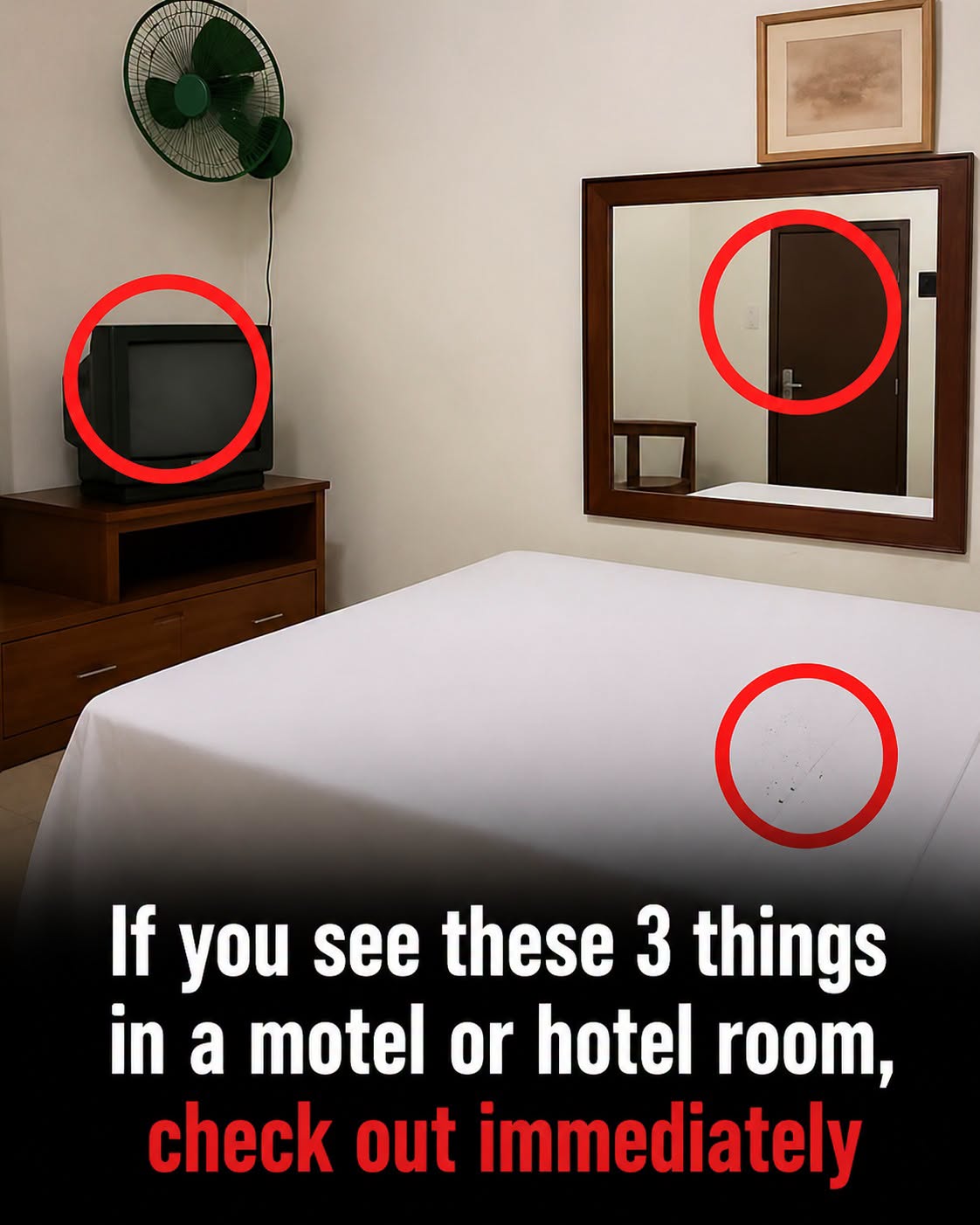
Take a Careful Look at Mirrors and the Room Layout
Start your inspection by simply looking around the room. You do not need to dismantle anything or conduct an elaborate investigation. Instead, notice whether fixtures, mirrors, and other objects appear properly installed and consistent with the rest of the space.
Pay particular attention to mirrors in bedrooms and bathrooms. Most hotel mirrors are completely ordinary. Still, a loose, cracked, strangely positioned, or poorly installed mirror deserves attention.
Look around the edges of the mirror. Check whether the frame sits securely against the wall. Also, notice any unexplained gaps, damage, or openings.
You may have heard about the popular “fingernail test” for identifying a two-way mirror. However, you should not depend on that test. Different types of mirrors and mounting methods can produce different results.
Instead, focus on obvious physical irregularities.
Additionally, consider the overall placement of objects in the room. A mirror installed in a normal bathroom location makes sense. In contrast, any fixture that appears modified or strangely positioned deserves a second look.
If you have a genuine privacy concern, contact hotel management. You can also ask for another room. You should not try to remove a mirror or investigate behind hotel fixtures yourself.
Notice Electronics or Objects That Seem Out of Place
Next, look at electronics around the room.
Hotels commonly provide televisions, clocks, phones, lamps, USB charging ports, thermostats, smoke detectors, and other electronic devices. Therefore, the presence of electronics alone should not cause concern.
Instead, look for something that seems unusual or inconsistent with the room.
For example, you might notice a damaged device, an unexplained adapter, or an object positioned strangely toward a private area. Likewise, a device that appears altered or has unexplained openings may deserve attention.
However, avoid assuming that every small light or unfamiliar sensor indicates a hidden camera. Modern hotel rooms can contain occupancy sensors, smoke alarms, network equipment, smart thermostats, and other legitimate technology.
If something genuinely concerns you, photograph it from a reasonable distance if appropriate and contact the front desk. Avoid opening, dismantling, or damaging hotel property.
This first inspection should remain simple. You are looking for obvious irregularities, not trying to turn the room upside down.
Inspect the Bathroom and Sleeping Area
Check Faucets, Shower Fixtures, and Bathroom Cleanliness
The bathroom deserves attention because it can quickly reveal housekeeping and maintenance problems.
First, turn on the sink faucet. Make sure the water runs normally and drains properly. Then, look underneath and around the sink for obvious leaks.
Next, inspect the shower or bathtub.
Check the showerhead, faucet handles, drain, and surrounding surfaces. Look for excessive grime, mold-like growth, heavy buildup, rust, or other obvious cleanliness problems.
A little mineral buildup around a heavily used fixture does not necessarily mean the entire room is dirty. However, widespread grime or an obviously unclean shower may indicate that housekeeping needs to address the room.
Also, check the toilet and surrounding floor. Make sure everything appears clean and functional.
Then, examine the towels. They should look clean, dry, and ready for use.
You can also run the shower briefly before you need it. This quick test lets you check the water pressure, temperature, and drainage. As a result, you can report a problem before you are already standing in the shower.
If the bathroom does not meet reasonable cleanliness standards, contact the front desk. Ask housekeeping to correct the problem or request another room when necessary.
Inspect the Bed Before Putting Your Luggage on It
The bed may look inviting after a long day of travel. Nevertheless, inspect it before placing your suitcase on top.
Pull back the comforter or top covering and look at the sheets and pillowcases. They should appear clean and properly prepared.
Next, inspect the mattress seams and the area around the headboard without dismantling furniture. Travelers often check these areas for signs of bed bugs, including live insects, shed skins, tiny dark spotting, or other suspicious evidence.
Bed bugs can occur in many types of accommodations, including otherwise clean properties. Therefore, their presence does not simply reflect ordinary housekeeping.
Meanwhile, inspect the bedding for stains, hair, tears, or other obvious problems.
Keeping luggage off the bed during this initial inspection also makes sense. Use a luggage rack when one is available, although you can inspect the rack first as well.
If you see convincing signs of bed bugs, do not place your belongings on upholstered furniture or the bed. Instead, contact management promptly and discuss moving to a different room.
A minute spent checking the sleeping area can prevent a much bigger inconvenience later.
Make Sure the Doors and Windows Secure Properly
Test the Main Door, Deadbolt, and Security Latch
Of the 3 things to check in a motel or hotel room before you unpack, door security may be the easiest to overlook.
After entering, close the door completely and make sure it latches.
Then, test the deadbolt and any additional security latch provided. The hardware should operate normally and feel secure.
Check the door from inside the room. You should not need excessive force to close or lock it. Additionally, look for obvious damage around the frame, lock, hinges, or latch.
Do not modify the locking hardware or obstruct emergency access in ways that could create a safety problem. Instead, report defective hardware immediately.
You should also identify the room’s emergency evacuation information. Hotels commonly display an evacuation diagram on or near the door. Take a few seconds to identify the nearest emergency exit.
This habit becomes particularly useful in a large property where hallways can look similar. In an emergency, smoke, darkness, or confusion could make navigation harder.
Finally, avoid announcing your room number loudly in public areas. Keep your room key or key card secure as well.
These precautions require almost no effort. However, they can improve both security and peace of mind.
Check Windows, Connecting Doors, and Balcony Access
After checking the entrance, inspect other possible access points.
If your room has windows that open, make sure their locks function properly. Likewise, test the balcony door when the room includes a balcony.
Families traveling with young children should pay particular attention to balcony access and windows. Keep furniture away from railings where appropriate, and supervise children closely around balconies.
Some hotel rooms also have connecting doors between neighboring rooms. If you are not using the connecting room, verify that your side of the door remains locked.
Do not forget curtains and blinds. Make sure they close adequately and provide the level of privacy you expect.
If a window, balcony door, or connecting door will not lock properly, contact the hotel instead of improvising a repair.
A functioning lock should form part of a properly maintained guest room. Therefore, requesting assistance or another room is reasonable when important security hardware does not work.
Complete a Quick Comfort and Safety Check
Test Essential Room Features Before Settling In
Once you have checked privacy, cleanliness, and locks, spend another minute testing the basic features you expect to use.
Start with the lights. Then, check the air conditioning or heating system.
You do not need to wait until bedtime to discover that the room will not cool down or warm up properly. Testing the system immediately gives the hotel more time to resolve the problem.
If the room includes a safe and you plan to use it, make sure it opens and operates according to the provided instructions before placing valuables inside.
Likewise, look at electrical outlets before plugging in expensive electronics. Do not use an outlet that appears loose, burned, cracked, or damaged. Report visible electrical damage instead.
You should also note where the hotel phone sits and how to contact the front desk.
Finally, look around for potential physical hazards. A wet bathroom floor, damaged furniture, exposed wiring, loose carpeting, or broken fixture can create an unnecessary risk.
Again, you do not need to inspect every inch of the room. Focus on things you will actually use.
By checking these features before unpacking, you can request assistance while your belongings remain organized and easy to move.
Know When to Ask for Another Room
Finding a small problem does not automatically mean you need to leave the hotel.
For example, housekeeping can usually replace a stained towel quickly. Maintenance may also fix a minor plumbing problem without disrupting your stay.
However, some concerns deserve more immediate attention.
A door that will not lock, significant sanitation problems, convincing evidence of pests, exposed electrical hazards, or a serious privacy concern should prompt you to contact management.
Explain the specific problem calmly and clearly. If appropriate, take photographs that document visible maintenance or cleanliness issues.
Then, ask what solution the property can provide. Depending on the situation, that might involve maintenance, housekeeping, or moving to another room.
Most importantly, do not feel obligated to unpack first and deal with the problem later. Keeping your belongings packed makes changing rooms much easier.
The goal of the 3 things to check in a motel or hotel room before you unpack is not to make travel stressful. Instead, this simple routine helps you identify practical problems early so you can settle in comfortably afterward.
Frequently Asked Questions
What should I check first when entering a hotel room?
Start with the door and basic room condition. Make sure the door closes and locks properly. Then, scan the room for obvious damage or anything unusual. Afterward, inspect the bed and bathroom before unpacking.
Should I check a hotel room for bed bugs?
Yes, a brief visual check can help. Inspect accessible mattress seams and areas around the bed for live insects, shed skins, or suspicious spotting. If you find convincing evidence, keep your luggage away from the bed and upholstered furniture and notify management.
Does the fingernail test really identify a two-way mirror?
You should not rely on it. Mirror construction and installation vary, so a gap or lack of a gap between reflections does not provide a dependable conclusion. If a mirror appears suspiciously installed or damaged, report your concern to hotel management.
What should I do if my hotel room door does not lock?
Contact the front desk immediately. A malfunctioning primary lock, deadbolt, or other important security feature deserves prompt attention. Ask for maintenance or another room rather than attempting to repair hotel hardware yourself.
Where should I put my luggage while checking the room?
Keep it away from the bed and upholstered furniture until you complete your initial inspection. A clean, inspected luggage rack can provide a convenient option. Keeping your suitcase packed also makes moving to another room easier if you discover a serious problem.
Conclusion
The 3 things to check in a motel or hotel room before you unpack come down to privacy, cleanliness, and security. Look around for unusual fixtures or electronics, inspect the bathroom and bed, and make sure doors and windows secure correctly.
Then, spend another minute checking basic features such as lighting, climate control, and visible electrical fixtures. You should also locate the nearest emergency exit.
Most rooms will pass this quick inspection without a problem. Once everything looks normal, you can unpack and enjoy your stay. However, if you discover something concerning, contact hotel staff promptly. Addressing a problem before your belongings spread across the room usually makes the situation much easier to resolve.
Focus Keyword: 3 Things to Check in a Motel or Hotel Room Before You Unpack
SEO Title: 3 Things to Check in a Motel or Hotel Room Before You Unpack
Meta Description: 3 Things to Check in a Motel or Hotel Room Before You Unpack for better safety, privacy, cleanliness, and peace of mind while traveling.
Expert SEO Title: 3 Things to Check in a Motel: Essential Safety Tips
Midjourney Prompt: Realistic vertical travel photography of a clean modern motel or hotel room being inspected before unpacking, closed suitcase on luggage rack, neatly made bed, secure entrance door with deadbolt, bathroom mirror and clean fixtures visible, warm natural lighting, realistic textures, reassuring travel safety atmosphere, uncluttered composition, generous clean negative space in upper portion for Pinterest text overl
More Blog
- Drinking Water on an Empty Stomach — What Science Actually Supports (No Hype, Just Facts)
- Waking Up Between 3 and 5 AM? It Might Be Your Soul Trying to Talk to You
- What a “Bleach” Patch on Your Underwear Really Means — And Why It’s Actually a Good Sign
- This Drink May Weaken Your Bones From The Inside — But Everyone Drinks It Anyway