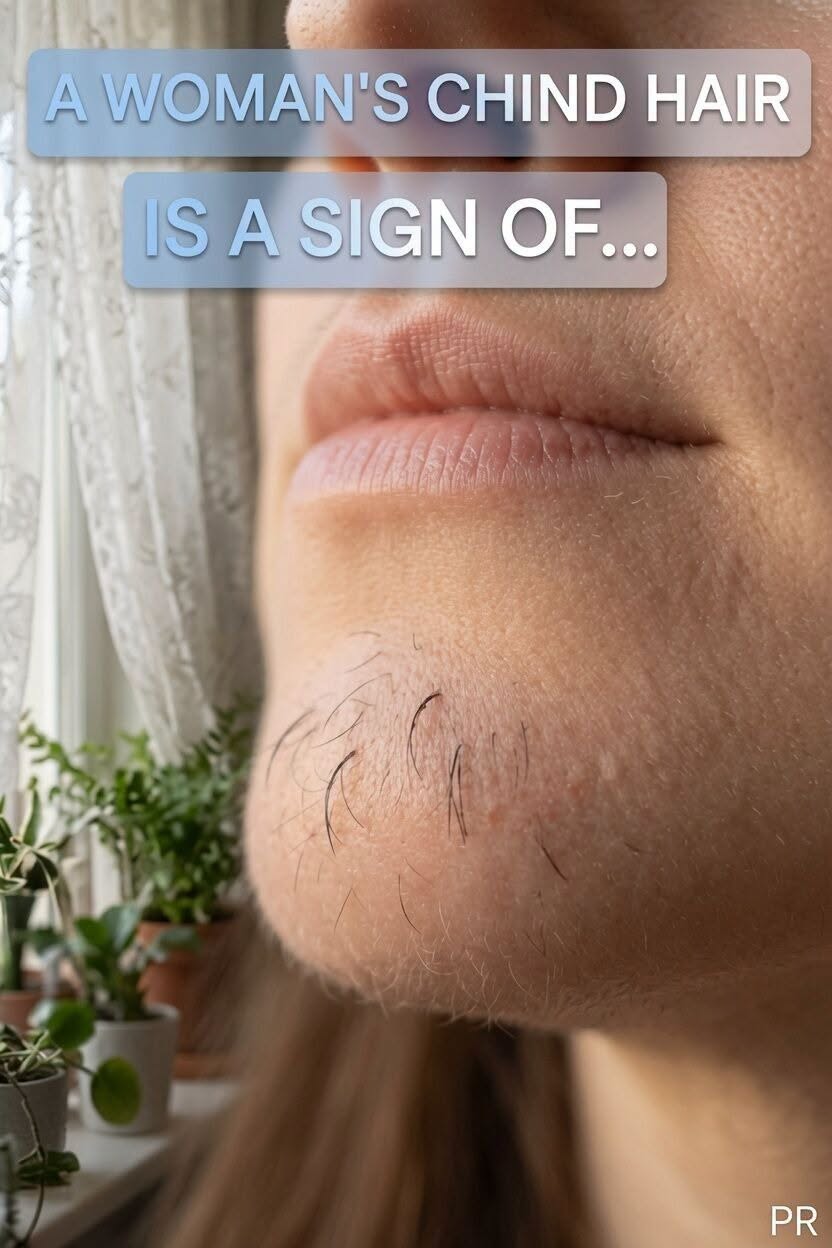
Finding a coarse chin hair while looking in the mirror can be surprising, frustrating, and sometimes even alarming. Many women experience a moment of concern when they first notice facial hair appearing in places they never expected. Questions immediately arise: Is this normal? Is something wrong with my hormones? Should I be worried?
The reassuring news is that chin hair growth is extremely common among women of all ages. In most cases, it is a completely normal part of aging, genetics, and natural hormonal fluctuations. While there are situations where increased facial hair can signal an underlying medical condition, the appearance of a few chin hairs usually isn’t cause for alarm.
Understanding why chin hairs develop can help reduce unnecessary worry and empower women to make informed decisions about their health and personal grooming choices.
Understanding Facial Hair Growth in Women
Every woman has facial hair. Most of it is fine, light-colored hair known as vellus hair, often called “peach fuzz.” However, certain hormonal and genetic factors can cause some of these hairs to transform into thicker, darker terminal hairs.
This transformation can occur gradually over many years and often becomes more noticeable during certain life stages.
Facial hair growth is influenced by a complex interaction of:
- Hormones
- Genetics
- Age
- Ethnicity
- Overall health
- Medications
Because every woman’s body is different, the amount and pattern of facial hair can vary significantly.
The Role of Hormones
Hormones play one of the biggest roles in facial hair development.
Women naturally produce both female hormones (estrogen and progesterone) and small amounts of male hormones known as androgens.
The most well-known androgen is testosterone.
Although women produce much lower levels of testosterone than men, even small hormonal shifts can influence hair follicles.
When androgen activity increases—or when estrogen levels decline—facial hair may become more noticeable.
Menopause and Chin Hair
One of the most common reasons women notice chin hairs is menopause.
During menopause:
- Estrogen production decreases
- Progesterone levels decline
- The balance between estrogen and androgens changes
Even if androgen levels remain stable, the relative decrease in estrogen can make facial hair more apparent.
This is why many women first notice stubborn chin hairs during their 40s, 50s, and beyond.
Genetics: The Family Connection
If your mother, grandmother, aunt, or sisters have chin hairs, there’s a good chance you will too.
Genetics strongly influence:
- Hair density
- Hair color
- Hair thickness
- Hair growth patterns
Some women naturally have hair follicles that are more sensitive to androgens. As a result, they may develop facial hair even when hormone levels fall within normal ranges.
This genetic predisposition often explains why some women experience facial hair growth while others do not.
Aging and Hair Follicle Changes
Aging affects every part of the body, including hair follicles.
Over time, follicles may become increasingly responsive to hormonal signals.
As a result:
- Fine hairs can become coarse
- Light hairs may darken
- Hair growth may accelerate in certain areas
Ironically, while hair may become thinner on the scalp, it can become more prominent on the chin, upper lip, or jawline.
Dermatologists frequently reassure patients that this pattern is a normal aspect of aging.
Ethnicity and Facial Hair
Facial hair patterns vary among different ethnic backgrounds.
Women from certain populations may naturally experience more noticeable facial hair growth.
This variation is completely normal and reflects genetic diversity rather than health concerns.
Cultural expectations can sometimes make women feel self-conscious about facial hair, even when it falls well within the normal range.
When Chin Hair May Indicate a Medical Condition
Although occasional chin hairs are usually harmless, sudden or excessive facial hair growth deserves attention.
Medical professionals use the term hirsutism to describe excessive terminal hair growth in women in areas typically associated with male hair patterns.
Signs that may warrant medical evaluation include:
- Rapid increase in facial hair
- Thick hair spreading across the jawline or neck
- Irregular menstrual cycles
- Severe acne
- Deepening voice
- Scalp hair thinning
- Unexplained weight gain
These symptoms may indicate an underlying hormonal condition.
Polycystic Ovary Syndrome (PCOS)
One of the most common causes of excessive facial hair in younger women is PCOS.
PCOS affects hormone production and can cause elevated androgen levels.
Common symptoms include:
- Irregular periods
- Infertility
- Acne
- Weight gain
- Facial hair growth
- Hair thinning on the scalp
PCOS affects millions of women worldwide and is highly manageable with appropriate medical care.
Other Hormonal Conditions
Several other conditions may contribute to facial hair growth, including:
Adrenal Disorders
The adrenal glands produce hormones that influence hair growth.
Certain disorders can increase androgen production.
Thyroid Problems
Although thyroid disease doesn’t directly cause facial hair growth, hormonal imbalances may contribute to changes in hair patterns.
Cushing’s Syndrome
This rare condition involves excessive cortisol production and can affect hormone balance.
Hormone-Secreting Tumors
While extremely uncommon, some tumors can produce excess androgens and cause rapid facial hair growth.
Doctors typically investigate these possibilities when facial hair develops suddenly or alongside other symptoms.
Medications That May Increase Facial Hair
Certain medications can influence hormone levels and hair growth.
Examples include:
- Testosterone therapies
- Some corticosteroids
- Certain seizure medications
- Minoxidil
- Some hormonal treatments
If you notice increased facial hair after starting a new medication, discuss it with your healthcare provider.
Common Myths About Chin Hair
Myth #1: Plucking Makes More Hair Grow
This is one of the most persistent beauty myths.
Plucking removes an existing hair but does not create new follicles.
Hair may appear thicker when it grows back because the new growth feels coarse.
However, plucking does not increase the number of hairs.
Myth #2: Shaving Makes Hair Grow Thicker
Shaving cuts hair at the surface.
It does not affect the follicle beneath the skin.
While regrowth may feel stubbly, shaving does not change hair thickness, color, or growth rate.
Myth #3: Chin Hair Means Something Is Wrong
For most women, a few chin hairs are simply part of normal biology.
The presence of facial hair alone is not evidence of disease.
Popular Ways to Manage Chin Hair
Women have many options for managing unwanted facial hair.
Tweezing
Ideal for occasional hairs.
Pros:
- Inexpensive
- Precise
- Easy
Cons:
- Time-consuming
- Can cause irritation
Waxing
Removes multiple hairs at once.
Pros:
- Longer-lasting results
Cons:
- Temporary redness
- Potential sensitivity
Threading
A traditional hair-removal method using twisted thread.
Pros:
- Precise
- No chemicals
Cons:
- Requires skill
Shaving
Increasingly popular among women.
Pros:
- Fast
- Painless
- Affordable
Cons:
- Requires maintenance
Laser Hair Removal
Targets hair follicles with light energy.
Pros:
- Long-term reduction
Cons:
- Multiple sessions required
- Higher cost
Electrolysis
The only FDA-recognized permanent hair removal method.
Pros:
- Permanent results
Cons:
- Time-intensive
- More expensive
Emotional Impact of Facial Hair
While chin hairs are medically normal, they can affect self-confidence.
Many women feel embarrassed discussing facial hair because society often portrays it as unusual.
In reality, millions of women regularly remove facial hair.
Recognizing how common the experience truly is can help reduce feelings of isolation or shame.
Open conversations with healthcare providers, friends, or family members often reveal just how widespread this issue really is.
When to See a Healthcare Professional
Consider scheduling an appointment if:
- Facial hair appears suddenly
- Growth becomes significantly heavier
- Menstrual cycles change
- Acne worsens
- Hair loss develops on the scalp
- Other hormonal symptoms appear
A healthcare provider may recommend blood tests or additional evaluation to identify potential hormonal causes.
Supporting Hormonal Health Naturally
Although lifestyle changes cannot eliminate all facial hair, healthy habits support overall hormone balance.
Consider:
- Regular physical activity
- Balanced nutrition
- Adequate sleep
- Stress management
- Maintaining a healthy weight
These practices contribute to overall wellness and may positively influence hormonal health.
The Bottom Line
Finding chin hairs can feel surprising, but it is one of the most common experiences women share.
In most cases, facial hair results from normal aging, genetics, and natural hormonal changes rather than a serious health problem.
A few chin hairs do not define your health, femininity, or attractiveness. They are simply part of how human bodies evolve over time.
However, if facial hair growth becomes sudden, extensive, or appears alongside other symptoms, a conversation with a healthcare professional can provide reassurance and guidance.
For most women, an occasional chin hair is not a medical mystery.
It’s simply biology doing what biology does.
And knowing that can make all the difference.
More Blog
- Drinking Water on an Empty Stomach — What Science Actually Supports (No Hype, Just Facts)
- Waking Up Between 3 and 5 AM? It Might Be Your Soul Trying to Talk to You
- What a “Bleach” Patch on Your Underwear Really Means — And Why It’s Actually a Good Sign
- This Drink May Weaken Your Bones From The Inside — But Everyone Drinks It Anyway