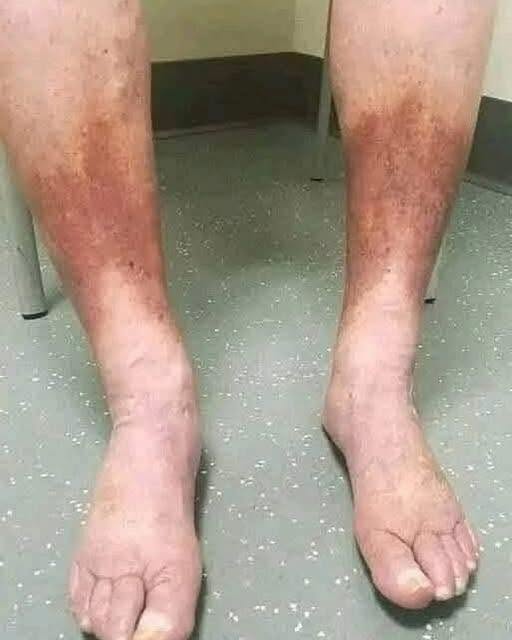
Swollen feet can be uncomfortable, frustrating, and sometimes concerning. While many people experience occasional swelling after a long day of standing, traveling, or spending time in hot weather, persistent or unexplained swelling may signal an underlying health issue that deserves attention. Understanding Swollen Feet Explained: Common Causes, Warning Signs, and Effective Relief can help you recognize when swelling is temporary and when it may require medical evaluation.
The body constantly works to regulate fluid balance, circulation, and tissue health. When this balance becomes disrupted, excess fluid can accumulate in the feet, ankles, and lower legs, leading to a condition known as edema. Although swelling itself is not a disease, it often serves as an important clue about what may be happening inside the body.
A few years ago, after a long international flight, I noticed that my shoes felt unusually tight. My ankles looked puffy, and my feet felt heavy. At first, I worried that something serious was wrong. However, after walking around and elevating my legs, the swelling gradually improved. That experience taught me how common temporary swelling can be and how important it is to understand the difference between harmless fluid retention and symptoms that deserve medical attention.
What Causes Swollen Feet?
Understanding Edema
Swelling occurs when excess fluid becomes trapped in body tissues.
Normally, blood vessels allow fluids, nutrients, and oxygen to move between the bloodstream and surrounding tissues. The lymphatic system then helps remove excess fluid and return it to circulation.
When this balance is disrupted, fluid can accumulate and cause visible swelling.
Because gravity naturally pulls fluid downward, the feet and ankles are especially prone to swelling.
Why the Feet Are Commonly Affected
The feet sit at the lowest point of the body when standing or sitting.
As a result:
- Gravity encourages fluid accumulation
- Circulation works harder to return blood upward
- Prolonged inactivity can slow blood flow
- Certain medical conditions affect fluid removal
For these reasons, swelling often becomes most noticeable in the lower extremities.
Common Everyday Causes of Swollen Feet
Standing or Sitting Too Long
One of the most frequent causes of temporary swelling involves remaining in one position for extended periods.
Examples include:
- Long work shifts
- Air travel
- Road trips
- Office work
- Long meetings
Without regular movement, the calf muscles become less effective at helping blood return to the heart.
Consequently, fluid may begin pooling in the feet and ankles.
Hot Weather and Physical Activity
Warm temperatures naturally cause blood vessels to widen.
This process helps the body cool itself but may also increase fluid leakage into surrounding tissues.
Likewise, strenuous exercise can sometimes trigger mild swelling due to temporary inflammation and increased blood flow to muscles.
Fortunately, these types of swelling usually improve with rest and hydration.
Dietary and Lifestyle Factors
Excess Sodium Intake
Sodium plays an important role in fluid balance. However, consuming excessive amounts can encourage the body to retain water.
Common high-sodium foods include:
- Fast food
- Packaged snacks
- Processed meats
- Frozen meals
- Canned soups
- Certain sauces
Reducing sodium intake may help decrease fluid retention and improve swelling.
Dehydration
Many people assume drinking less water prevents swelling. In reality, dehydration can sometimes make fluid retention worse.
When the body senses dehydration, it may conserve water as a protective mechanism.
Therefore, staying properly hydrated supports healthy fluid regulation throughout the body.
Medical Conditions Associated With Swollen Feet
Heart, Kidney, and Liver Conditions
Several medical conditions can contribute to fluid accumulation.
Heart-related conditions may reduce the body’s ability to circulate blood efficiently. As a result, fluid can collect in the lower extremities.
Kidney disorders may impair the body’s ability to remove excess fluid and sodium.
Liver conditions can affect proteins that help keep fluid inside blood vessels.
These situations often require medical evaluation and treatment.
Venous Insufficiency and Lymphedema
The veins contain valves that help blood travel back toward the heart.
When these valves weaken, blood may pool in the legs, causing:
- Swelling
- Heaviness
- Discomfort
- Skin changes
Similarly, problems within the lymphatic system may impair fluid drainage and contribute to chronic swelling known as lymphedema.
Both conditions benefit from professional medical assessment.
Warning Signs That Should Not Be Ignored
Symptoms Requiring Prompt Medical Attention
Although many cases of swelling are harmless, certain symptoms require immediate evaluation.
Seek medical care if swelling occurs alongside:
- Chest pain
- Difficulty breathing
- Sudden shortness of breath
- Severe pain
- High fever
- Significant redness
- Confusion
- Fainting
These symptoms may indicate serious underlying conditions.
Deep Vein Thrombosis (DVT)
One particularly important concern is deep vein thrombosis.
DVT occurs when a blood clot develops within a deep vein, usually in the leg.
Potential warning signs include:
- Swelling in one leg only
- Leg pain
- Warmth
- Skin discoloration
Because blood clots can become life-threatening if they travel to the lungs, prompt medical attention is essential when DVT is suspected.
Effective Relief Strategies
Elevation and Movement
For mild swelling, simple lifestyle measures often provide relief.
Helpful strategies include:
- Elevating the feet above heart level
- Taking short walks
- Performing ankle circles
- Stretching regularly
- Avoiding prolonged sitting
Movement helps improve circulation and encourages fluid return.
Even brief activity breaks throughout the day can make a noticeable difference.
Compression and Hydration
Compression socks may provide gentle support that improves circulation and reduces fluid accumulation.
Additionally, maintaining adequate hydration supports healthy blood flow and kidney function.
Many people experience improvement by combining:
- Increased movement
- Proper hydration
- Reduced sodium intake
- Leg elevation
- Compression garments
Always consult a healthcare professional if swelling is persistent or severe.
Frequently Asked Questions
What is edema?
Edema is the medical term for swelling caused by excess fluid accumulating within body tissues.
Can standing all day cause swollen feet?
Yes. Prolonged standing may slow circulation and allow fluid to collect in the feet and ankles.
Does dehydration cause swelling?
Surprisingly, yes. Dehydration can sometimes trigger fluid retention as the body attempts to conserve water.
When should swollen feet be evaluated by a doctor?
Persistent swelling, sudden swelling, one-sided swelling, or swelling accompanied by other concerning symptoms should be medically evaluated.
Can compression socks help?
Many people find compression socks helpful because they support circulation and may reduce fluid buildup in the legs and feet.
Conclusion
Swollen Feet Explained: Common Causes, Warning Signs, and Effective Relief begins with understanding that swelling is often a symptom rather than a condition itself. Temporary swelling can result from standing, sitting, travel, hot weather, or dietary factors. However, persistent or unexplained swelling may indicate underlying issues involving the heart, kidneys, liver, veins, or lymphatic system.
By paying attention to symptoms, supporting healthy circulation, maintaining hydration, and seeking medical evaluation when necessary, individuals can take meaningful steps toward reducing discomfort and protecting their long-term health. Most importantly, swollen feet should never be ignored when warning signs are present. Listening to your body remains one of the most valuable tools for maintaining overall well-being.
More Home Remedies
- Wrinkled Fingers After Water Exposure: What Your Skin May Be Telling You
- Skin Rash With Breathing Trouble? It Could Be a Life-Threatening Allergic Reaction
- I Thought It Was a Piece of Trash on the Bathroom Floor—Until It Moved
- If You Are Getting White Pimples on Your Lips or Intimate Area, Here’s What They Could Mean