Few things feel stranger than coughing up a tiny white lump from the back of your throat and suddenly realizing it smells absolutely terrible. For many people, that moment leads to immediate panic. Some assume they have an infection, others worry about poor hygiene, and many become embarrassed to even mention it.
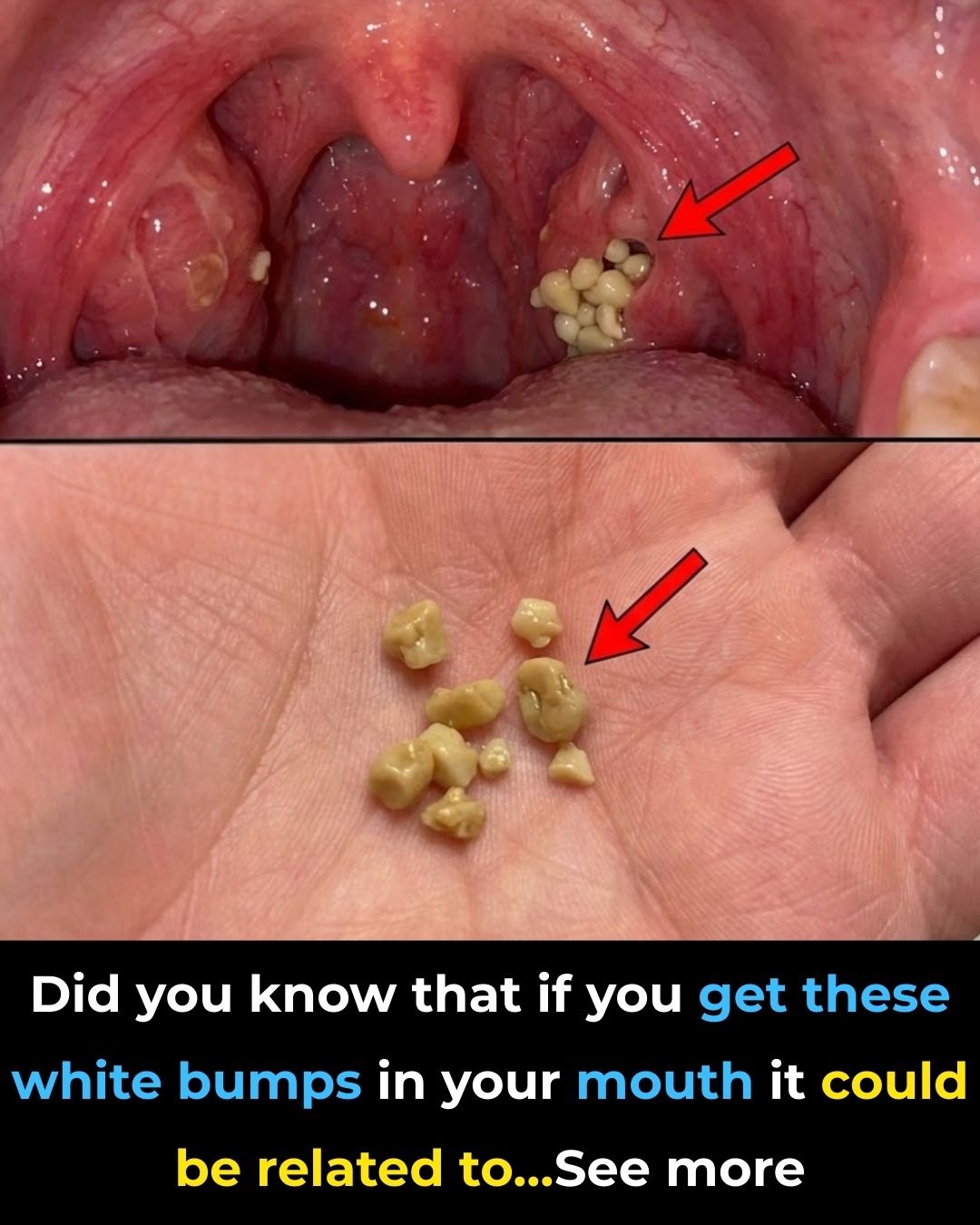
In reality, those small white or yellowish lumps are usually tonsil stones, also called tonsilloliths. They are surprisingly common and generally harmless, although they can definitely feel uncomfortable and frustrating. Tonsil stones form when small particles become trapped in the natural crevices of the tonsils and gradually harden over time.
Despite how alarming they may look, tonsil stones are not dangerous for most people. They are not cancerous, they are not contagious, and they do not automatically mean someone has poor oral hygiene. Fortunately, there are several safe ways to manage them and reduce how often they return.
One college student once spent weeks trying stronger toothpaste, mouthwash, and breath mints after noticing stubborn bad breath that would not improve no matter how carefully brushing and flossing happened. Eventually, after coughing during class, a tiny white lump suddenly appeared, leading to a frantic online search and finally the discovery of tonsil stones. The relief of realizing the condition was common and manageable completely changed the situation from frightening to merely annoying.
What Tonsil Stones Actually Are
Tonsil stones develop inside the small folds and pockets of the tonsils.
The Tonsils Contain Natural Crevices
The tonsils are not smooth surfaces.
They naturally contain:
- Small folds
- Tiny pockets
- Crypts or crevices
These openings can trap materials over time.
Trapped Debris Hardens Into Stones
Tonsil stones form when:
- Food particles
- Mucus
- Dead cells
- Bacteria
become trapped inside tonsil crypts.
Over time, calcium from saliva helps harden the material into soft stone-like clumps.
Tonsil Stones Are Usually Small
Most tonsil stones are:
- White or yellow
- Pea-sized or smaller
- Soft or crumbly
- Strong-smelling
Some people never notice them at all.
Why Tonsil Stones Smell So Bad
The odor often becomes the most frustrating symptom.
Bacteria Produce Sulfur Compounds
The trapped debris contains bacteria that produce:
- Sulfur compounds
- Strong odors
- Bad breath
This smell often resembles:
- Rotten eggs
- Sour dairy
- Decaying food
Brushing Alone Often Does Not Fix the Smell
Many people become frustrated because:
- Toothpaste only masks the odor temporarily
- Mouthwash helps briefly
- Breath mints do not solve the cause
The smell continues until the stones themselves are removed.
Common Symptoms of Tonsil Stones
Some people experience no symptoms at all.
Persistent Bad Breath
One of the most common symptoms includes:
- Chronic bad breath
especially when brushing and flossing do not seem to help.
Feeling Something Stuck in the Throat
Tonsil stones may create:
- Irritation
- Scratchy sensation
- Feeling of fullness
- Difficulty swallowing
Ear Pain or Throat Discomfort
Because nerves in the throat and ears connect closely, tonsil stones sometimes cause:
- Mild ear discomfort
- Sore throat sensation
- Irritation on one side
Visible White Lumps
Sometimes stones become visible:
- On the tonsils
- Inside crypts
- Near the back of the throat
They often appear:
- White
- Yellow
- Cream-colored
Why Some People Get Tonsil Stones More Often
Certain factors increase the likelihood.
Deep Tonsil Crypts
Some people naturally have:
- Larger tonsils
- Deeper folds
- More pockets
This simply creates more places for debris to collect.
Chronic Postnasal Drip
Excess mucus from:
- Allergies
- Sinus problems
- Colds
can feed bacteria and increase buildup.
Dry Mouth
Reduced saliva allows debris and bacteria to remain longer in the mouth.
Dry mouth may result from:
- Mouth breathing
- Dehydration
- Certain medications
- Sleeping with an open mouth
Tonsil Stones Are Not Caused by Poor Hygiene Alone
This is one of the biggest misconceptions.
Even People With Excellent Oral Care Get Them
Many people with tonsil stones:
- Brush regularly
- Floss daily
- Use mouthwash
- Visit dentists consistently
The condition often relates more to tonsil anatomy than cleanliness.
Oral Hygiene Still Helps Reduce Buildup
Good oral care does help minimize:
- Bacteria
- Food particles
- Odor
which may reduce stone formation frequency.
Safe Ways to Remove Tonsil Stones
Most small stones can be managed safely at home.
Gargling With Salt Water
Warm salt water helps:
- Loosen stones
- Reduce bacteria
- Calm irritation
Gargling several times daily may help smaller stones dislodge naturally.
Gentle Coughing
Sometimes a strong cough naturally removes loose stones.
Many people discover them accidentally this way.
Using a Water Flosser Carefully
Low-pressure water flossers may help gently rinse tonsil crypts.
However:
- Use low pressure only
- Avoid aggressive spraying
- Stop if pain or bleeding occurs
Cotton Swabs Require Caution
Some people carefully remove visible stones with clean cotton swabs.
However:
- Poking aggressively may injure tissue
- Bleeding and infection risk increase
- Tonsils are delicate
Gentle pressure only should ever be used.
What NOT to Do
Aggressive removal attempts can cause more problems.
Avoid Sharp Tools
Never use:
- Tweezers
- Dental picks
- Pins
- Metal objects
These can damage tonsil tissue badly.
Do Not Dig Deep Into Tonsils
Forcing stones out aggressively may cause:
- Bleeding
- Infection
- Swelling
- Scarring
If stones become difficult to remove, medical evaluation is safer.
How Doctors Treat Tonsil Stones
Medical treatment depends on severity.
Professional Removal
Doctors may safely remove larger stones using:
- Sterile instruments
- Suction
- Irrigation techniques
Laser or Crypt Reduction Procedures
Some specialists perform procedures that:
- Smooth tonsil crypts
- Reduce pocket depth
- Limit future buildup
Tonsil Removal
For severe recurring cases:
- Tonsillectomy may be considered
This completely prevents future tonsil stones because the tonsils are removed entirely.
However, surgery usually becomes a last resort.
Ways to Reduce Tonsil Stones Naturally
Although prevention is not always perfect, several habits help.
Stay Hydrated
Good hydration supports:
- Saliva production
- Natural mouth cleaning
- Reduced bacterial buildup
Improve Oral Hygiene
Helpful habits include:
- Brushing teeth twice daily
- Flossing regularly
- Cleaning the tongue
- Using alcohol-free mouthwash
Manage Allergies and Postnasal Drip
Reducing mucus buildup often helps decrease stone formation.
Managing:
- Allergies
- Sinus congestion
- Nasal inflammation
may improve symptoms significantly.
When to See a Doctor
Most tonsil stones are harmless, but certain symptoms deserve evaluation.
Seek Medical Attention If You Experience
- Severe throat pain
- Fever
- Difficulty swallowing
- Persistent bleeding
- Large swelling
- Trouble breathing
These symptoms may suggest infection or another condition.
Persistent Stones May Need Evaluation
Frequent recurring stones that interfere with:
- Breathing
- Sleep
- Swallowing
- Quality of life
may benefit from ENT evaluation.
Frequently Asked Questions
Are tonsil stones dangerous?
Usually no. They are generally harmless and very common.
Can tonsil stones cause bad breath?
Yes. Chronic bad breath is one of the most common symptoms.
Do tonsil stones mean poor hygiene?
No. Many people with excellent oral hygiene still develop them.
Can tonsil stones come back?
Yes. They often recur, especially in people with deep tonsil crypts.
Is surgery always necessary?
No. Most people manage tonsil stones without surgery.
Conclusion
Tonsil stones may look alarming and smell unpleasant, but they are extremely common and usually harmless. These small calcified clumps form when debris becomes trapped inside the natural crevices of the tonsils, eventually hardening over time. While they can cause bad breath, throat irritation, or discomfort, they rarely pose serious health risks.
Fortunately, gentle home care, hydration, saltwater gargles, and good oral hygiene often help manage symptoms successfully. For people dealing with larger or recurring stones, medical treatments and ENT evaluation can provide additional relief options.
Most importantly, tonsil stones are not something to feel embarrassed about. They happen to millions of people, including those with excellent hygiene and healthy lifestyles. Understanding what they are—and how manageable they usually become—often turns fear and frustration into reassurance and relief.
More Home Remedies
- Wrinkled Fingers After Water Exposure: What Your Skin May Be Telling You
- Skin Rash With Breathing Trouble? It Could Be a Life-Threatening Allergic Reaction
- I Thought It Was a Piece of Trash on the Bathroom Floor—Until It Moved
- If You Are Getting White Pimples on Your Lips or Intimate Area, Here’s What They Could Mean