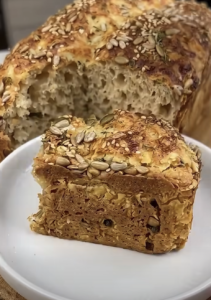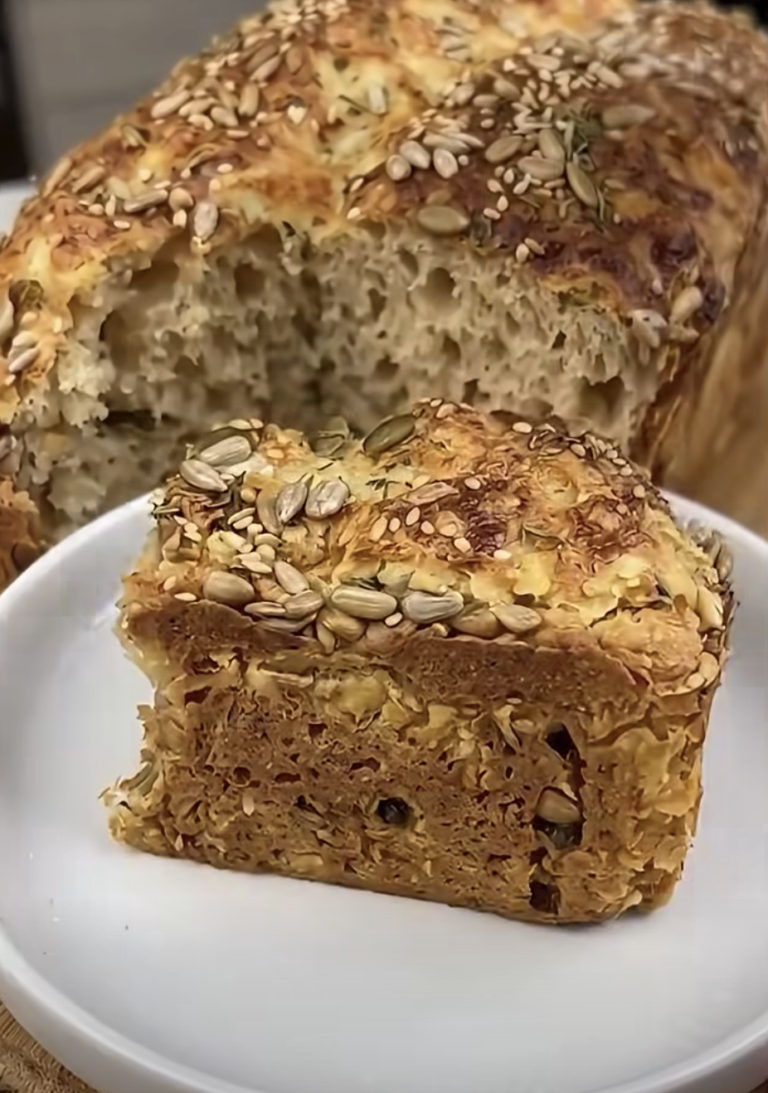
Simple Blender Lentil Bread is an easy, wholesome alternative to traditional bread that requires no flour, yeast, kneading, or complicated baking techniques. With dry red lentils, water, olive oil, and a handful of pantry staples, you can create a delicious homemade loaf that’s naturally rich in plant-based protein and fiber.
If you’re looking for a gluten-free, vegan bread that fits into a balanced diet, this recipe makes a wonderful choice. Simply soak the lentils, blend the ingredients, and bake until golden.
The result is a hearty loaf with a tender interior, a lightly crisp crust, and a mild savory flavor that pairs beautifully with your favorite toppings.
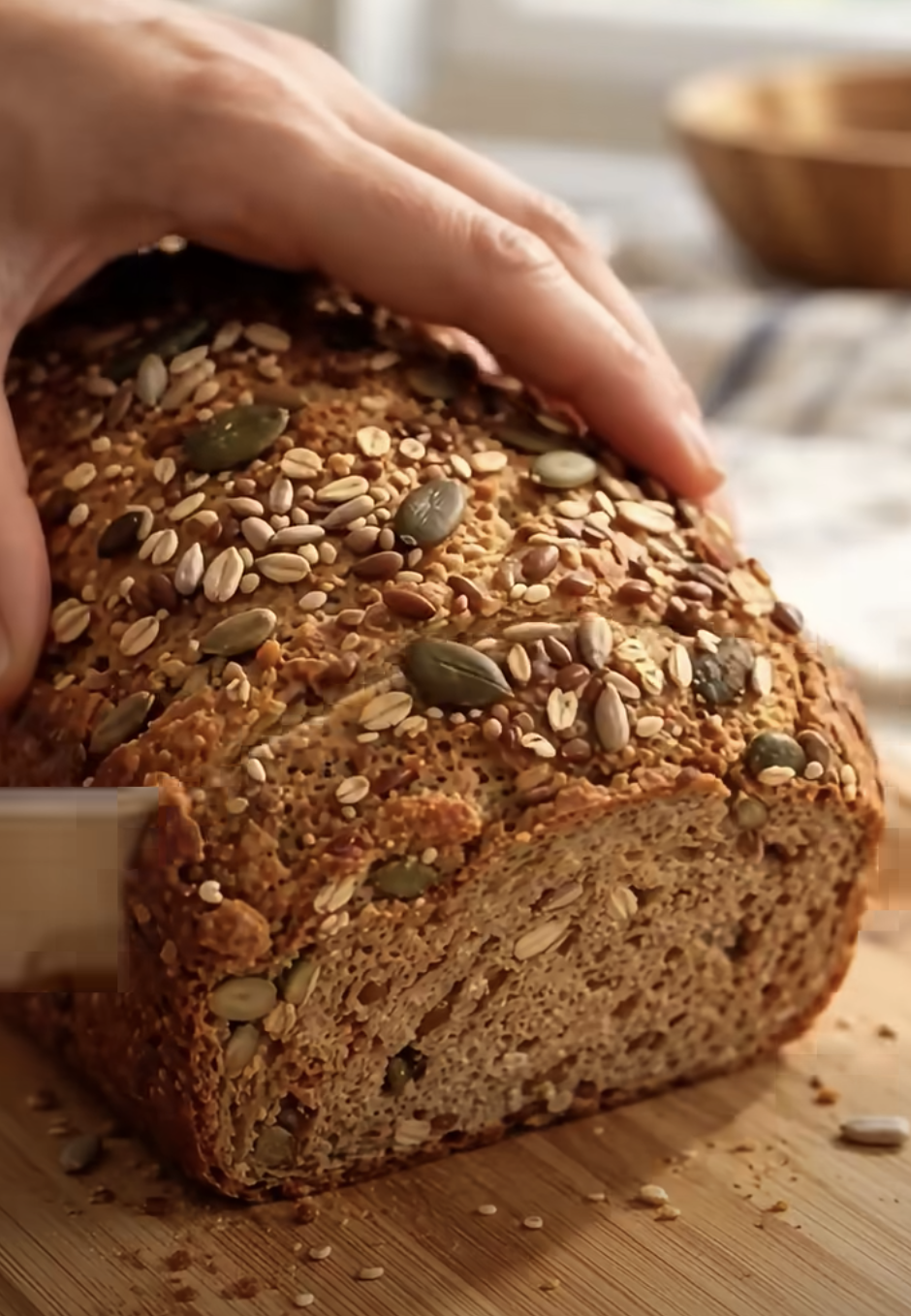
Simple Blender Lentil Bread – Easy, Healthy, Gluten-Free & Vegan
Ingredients
Equipment
Method
- Place the dry red lentils in a fine-mesh strainer and rinse thoroughly under cool running water.
- Transfer the lentils to a large bowl and cover with plenty of fresh water. Soak for 4–6 hours, or refrigerate while soaking overnight.
- Drain the soaked lentils, discard the soaking water, rinse thoroughly, and allow excess water to drain away.
- Preheat the oven to 375°F (190°C). Line an 8½ × 4½-inch loaf pan with parchment paper and lightly grease it.
- Add the soaked lentils, 1 cup fresh water, olive oil, apple cider vinegar, baking powder, baking soda, salt, and chia seeds or ground flaxseed to a high-speed blender. Blend for 1–2 minutes until smooth and creamy.
- Pour the smooth batter into the prepared loaf pan and level the surface with a spatula.
- Sprinkle sesame seeds or sunflower seeds evenly across the top of the batter.
- Bake on the center oven rack for 40–50 minutes until the surface becomes golden brown and the center feels firm. A toothpick inserted into the middle should show no wet batter.
- Let the bread cool in the pan for 10–15 minutes, then transfer it to a wire rack. Cool completely before slicing into approximately 10 pieces.
Notes
Plus, this homemade lentil bread works perfectly for breakfast toast, sandwiches, afternoon snacks, or serving alongside soups and salads.
I first became interested in making bread from lentils when I wanted something simpler than traditional homemade bread. I loved baking fresh loaves, but I didn’t always have the time or patience for kneading dough and waiting for yeast to rise. One afternoon, I decided to experiment with soaked red lentils and a blender. The batter came together quickly, and the kitchen filled with a warm, comforting aroma as the bread baked. After allowing the loaf to cool, I sliced into it and discovered a satisfying texture that worked beautifully for toast. Since then, lentil bread has become one of my favorite ways to turn simple pantry ingredients into something practical and delicious.
Why You’ll Love This Simple Blender Lentil Bread
A Naturally Gluten-Free and Vegan Bread Alternative
One of the biggest advantages of Simple Blender Lentil Bread is its straightforward ingredient list.
Unlike conventional bread recipes, this loaf doesn’t require wheat flour, eggs, milk, butter, or yeast.
Instead, red lentils form the foundation of the batter. Their natural starches help the loaf hold together, while their protein and fiber contribute to a satisfying texture.
Because the recipe uses plant-based ingredients, it suits vegan and dairy-free eating patterns.
Additionally, red lentils contain no gluten naturally. However, if you have celiac disease or need to avoid gluten strictly, choose certified gluten-free lentils, baking powder, and other packaged ingredients to reduce cross-contact risks.
Another benefit is convenience.
You don’t need a stand mixer, dough hook, or bread machine. A regular high-speed blender handles most of the preparation.
After soaking the lentils, you can prepare the batter in just a few minutes.
Furthermore, you won’t need to knead dough, wait for yeast to activate, or monitor multiple rising stages.
The bread develops a moist, hearty crumb rather than the fluffy, elastic texture of traditional wheat bread.
That makes it particularly enjoyable when lightly toasted.
Whether you’re experimenting with gluten-free baking or simply want more variety in your meals, this easy recipe offers a practical starting point.
Protein, Fiber, and Wholesome Ingredients
Simple Blender Lentil Bread combines everyday ingredients that offer valuable nutrients.
Red lentils provide plant-based protein, complex carbohydrates, fiber, folate, and iron.
Consequently, they make an excellent base for a filling homemade loaf.
Olive oil contributes unsaturated fats and helps create a tender texture.
Meanwhile, chia seeds or ground flaxseed absorb moisture and support the structure of the bread.
These seeds also add small amounts of fiber and healthy fats.
Apple cider vinegar plays a different role. It reacts with baking soda, helping the batter develop a lighter texture during baking.
Because this recipe contains no refined wheat flour, it offers a different nutritional profile from conventional white sandwich bread.
Here is an approximate nutritional breakdown per slice when dividing the loaf into 10 portions:
| Nutrient | Approximate amount |
|---|---|
| Calories | 145 |
| Protein | 7 g |
| Carbohydrates | 20 g |
| Fat | 4 g |
| Fiber | 4 g |
| Sugar | 1 g |
These values are estimates and depend on the lentil brand, seed choices, and final slice size.
Although the recipe contains no added sugar, lentils naturally provide carbohydrates.
Therefore, this loaf isn’t suitable for strict ketogenic diets. However, it can fit comfortably into many balanced eating plans.
How to Make Perfect Simple Blender Lentil Bread
Soaking and Blending Red Lentils Correctly
The most important step in making Simple Blender Lentil Bread is preparing the lentils properly.
Start with 1½ cups of dry red lentils.
Place them in a fine-mesh strainer and rinse under cool running water until the water becomes relatively clear.
Next, transfer the lentils to a large bowl and cover them with plenty of fresh water.
Allow them to soak for approximately four to six hours.
Alternatively, refrigerate the lentils while soaking overnight.
Soaking hydrates the lentils, softens their texture, and makes them easier to blend.
After soaking, drain the lentils thoroughly and rinse them again.
Importantly, discard the soaking water. Use the fresh cup of water listed in the recipe when preparing the batter.
Transfer the drained lentils to a high-speed blender.
Add the water, olive oil, apple cider vinegar, baking powder, baking soda, salt, and chia seeds or ground flaxseed.
Blend until the mixture becomes smooth and creamy.
Depending on your blender, this process may take one to two minutes.
Pause occasionally and scrape down the sides to ensure even blending.
The finished batter should resemble a thick pancake batter.
Avoid adding unnecessary water, since excess liquid can create a gummy loaf.
If your blender struggles, pause, scrape down the mixture, and blend again in short intervals.
A smooth batter helps the bread develop a more consistent crumb and prevents noticeable lentil pieces in the finished loaf.
Baking for a Golden Crust and Tender Center
Once you prepare the batter, preheat your oven to 375°F (190°C).
Line an 8½ × 4½-inch loaf pan with parchment paper. Then, lightly grease the parchment with a small amount of olive oil or cooking spray.
Pour the lentil batter into the prepared pan.
Use a spatula to smooth the surface and distribute the mixture evenly.
Next, sprinkle sesame seeds or sunflower seeds over the top.
These seeds add a pleasant crunch and make the finished loaf more appealing.
Place the pan on the center oven rack and bake for 40–50 minutes.
As the bread bakes, the top should gradually become golden brown.
The loaf should also feel firm in the center.
To check doneness, insert a toothpick into the thickest part of the bread.
If the toothpick comes out with wet batter, continue baking for another five minutes and check again.
A few moist crumbs are acceptable, but the center should not look raw.
If the top browns too quickly, loosely cover it with aluminum foil.
After baking, remove the pan from the oven and allow the loaf to rest for 10–15 minutes.
Then, carefully transfer the bread to a wire rack.
Let the bread cool completely before slicing.
Cooling allows the starches and moisture to settle, helping the loaf hold its shape.
Finally, use a sharp serrated knife to cut clean, even slices.
Delicious Ways to Serve and Customize Lentil Bread
Healthy Breakfast, Lunch, and Snack Ideas
One reason Simple Blender Lentil Bread works so well for everyday meals is its versatility.
The loaf has a mild, slightly earthy flavor that complements many savory toppings.
For breakfast, toast a slice and spread mashed avocado over the surface.
Add lemon juice, black pepper, and a sprinkle of chili flakes for extra flavor.
Alternatively, pair a slice with scrambled tofu, sautéed mushrooms, or fresh tomatoes.
For a protein-rich snack, spread hummus over toasted lentil bread and top it with cucumber slices.
You can also prepare open-faced sandwiches with roasted vegetables, leafy greens, and your favorite plant-based spread.
Because the loaf has a hearty texture, it works especially well with substantial toppings.
For lunch, serve it alongside tomato soup, vegetable stew, or a colorful salad.
Another option is to toast two slices and fill them with avocado, lettuce, grilled vegetables, and mustard.
Here are several easy serving combinations:
- Avocado, lemon juice, and black pepper
- Hummus, cucumber, and cherry tomatoes
- Almond butter and sliced banana
- Roasted red peppers and fresh basil
- Mashed white beans and garlic
- Sautéed mushrooms and fresh thyme
- Peanut butter and a drizzle of maple syrup
Although the bread tastes good at room temperature, light toasting can improve its texture.
Toasting creates a slightly crisp exterior while keeping the center tender.
Additionally, it makes refrigerated slices more enjoyable.
Flavor Variations and Optional Additions
The basic Simple Blender Lentil Bread recipe has a neutral savory flavor.
However, you can easily customize it with herbs, spices, and seeds.
For Mediterranean-inspired bread, add one teaspoon of dried oregano and half a teaspoon of garlic powder.
You can also include a little dried rosemary or thyme.
These herbs complement the natural flavor of red lentils without overwhelming the loaf.
For a more aromatic variation, try adding ground cumin and a pinch of smoked paprika.
Alternatively, sprinkle pumpkin seeds across the top before baking.
If you prefer a slightly nutty flavor, use ground flaxseed instead of chia seeds.
Both ingredients absorb moisture, although they can create slightly different textures.
Sesame seeds provide a delicate toasted flavor, while sunflower seeds contribute a more noticeable crunch.
For a colorful loaf, you can also add a small amount of turmeric.
However, avoid adding too many wet ingredients.
Fresh zucchini, tomatoes, and other moisture-rich vegetables can make the bread dense unless you adjust the recipe.
Similarly, large quantities of extra seeds may affect how the loaf holds together.
For your first batch, follow the original ingredient measurements.
Then, experiment with small additions after you become familiar with the bread’s texture.
This approach helps you maintain consistent results while discovering your favorite flavor combinations.
Storage, Troubleshooting, and Expert Baking Tips
How to Store, Freeze, and Reheat Lentil Bread
Proper storage helps Simple Blender Lentil Bread maintain its freshness and texture.
Because the loaf contains considerable moisture and no commercial preservatives, refrigeration offers the best everyday storage method.
First, allow the bread to cool completely.
Then, place it in an airtight container or wrap it securely.
Store the loaf in the refrigerator for up to four days.
For convenience, slice the bread before refrigerating it.
This allows you to remove individual portions whenever you need a quick breakfast or snack.
If you want to keep the bread longer, freezing works particularly well.
Cut the cooled loaf into slices and place parchment paper between them.
Next, transfer the slices to a freezer-safe bag or container.
Freeze for up to two months for the best quality.
When you’re ready to eat, remove the desired number of slices.
You can thaw them in the refrigerator or toast them directly from frozen.
A toaster oven often produces excellent results because it gently crisps the exterior.
Alternatively, warm slices in a conventional oven at 325°F (165°C) until heated through.
Avoid leaving the bread at room temperature for extended periods. Refrigerate it within two hours after baking and cooling.
Also, discard any bread that develops mold or unusual odors.
Common Mistakes and How to Avoid Them
Even though Simple Blender Lentil Bread is beginner-friendly, a few common mistakes can affect the final result.
Using lentils without soaking them
Dry lentils won’t blend into the same smooth batter. Therefore, soak them for at least four to six hours before preparing the bread.
Adding too much water
Excess liquid can create a dense, gummy center.
Always drain the soaked lentils thoroughly and measure the fresh blending water carefully.
Not blending long enough
A chunky batter can produce uneven texture.
Instead, blend until the mixture becomes smooth and creamy.
Using old baking powder or baking soda
Leavening ingredients lose effectiveness over time.
Consequently, expired products may prevent the loaf from developing enough lift.
Overfilling the loaf pan
A pan that’s too small can cause uneven baking.
Use the recommended loaf pan size and leave enough room for the bread to rise slightly.
Removing the bread too early
The outside may look golden while the center remains wet.
Check the middle with a toothpick before removing the loaf.
Slicing while the bread is hot
This is one of the most common causes of a sticky or crumbly texture.
Instead, let the loaf cool completely on a wire rack.
Finally, remember that lentil bread naturally has a denser texture than conventional yeast bread.
A firm, moist crumb is normal. A wet, uncooked center is not.
Ingredients
Yield: 1 loaf, approximately 10 slices | Prep: 10 minutes | Soak: 4–6 hours | Bake: 40–50 minutes | Oven: 375°F (190°C)
- 1½ cups dry red lentils (approximately 285 g)
- 1 cup water (240 ml), fresh water for blending
- 2 tablespoons olive oil (30 ml)
- 1 tablespoon apple cider vinegar (15 ml)
- 1 teaspoon baking powder
- ½ teaspoon baking soda
- 1 teaspoon salt
- 1 tablespoon chia seeds or ground flaxseed
- 1 tablespoon sesame seeds or sunflower seeds, for topping
Additional water for soaking the lentils is necessary but doesn’t go into the finished batter.
Instructions
- Rinse the lentils. Place 1½ cups dry red lentils in a fine-mesh strainer and rinse thoroughly under cool running water.
- Soak the lentils. Transfer them to a large bowl, cover generously with water, and soak for 4–6 hours. For an overnight soak, keep the bowl in the refrigerator.
- Drain and rinse. Discard the soaking water, rinse the lentils again, and drain thoroughly.
- Preheat the oven. Set the oven to 375°F (190°C). Line an 8½ × 4½-inch loaf pan with parchment paper and lightly grease it.
- Blend the batter. Add the soaked lentils, 1 cup fresh water, olive oil, apple cider vinegar, baking powder, baking soda, salt, and chia seeds or ground flaxseed to a blender. Blend for 1–2 minutes until completely smooth.
- Fill the pan. Pour the batter into the prepared loaf pan and smooth the top with a spatula.
- Add the topping. Sprinkle sesame seeds or sunflower seeds evenly over the surface.
- Bake the bread. Bake for 40–50 minutes, until the top turns golden and the center feels firm. A toothpick should come out without wet batter.
- Cool completely. Rest the bread in the pan for 10–15 minutes, then transfer it to a wire rack. Allow it to cool completely before slicing and serving.
Frequently Asked Questions
1. Is Simple Blender Lentil Bread naturally gluten-free?
Yes. Red lentils naturally contain no gluten, and this recipe doesn’t use wheat flour, barley, or rye. However, people with celiac disease should select certified gluten-free lentils and packaged ingredients to minimize cross-contact risks.
2. Can I make lentil bread without soaking the lentils?
Soaking is important for this particular recipe. It softens the dry lentils and helps the blender create a smooth batter. Without soaking, the texture may become gritty and the loaf may bake unevenly. For the best results, soak the lentils for four to six hours.
3. Can I use green or brown lentils instead of red lentils?
Red lentils work best because they soften readily and blend into a relatively smooth batter. Green and brown lentils have firmer skins and different textures. Therefore, substituting them may change the bread’s color, consistency, and baking performance.
4. Why is my blender lentil bread gummy inside?
A gummy center usually results from excess moisture, insufficient baking, or slicing before the loaf cools. Drain the soaked lentils thoroughly, avoid adding extra water, and bake until the center sets. Then, allow the bread to cool completely before cutting.
5. Can I freeze Simple Blender Lentil Bread?
Absolutely. Allow the loaf to cool, slice it, and separate the slices with parchment paper. Store them in a freezer-safe container for up to two months. You can toast slices directly from frozen or thaw them in the refrigerator before reheating.
Conclusion
Simple Blender Lentil Bread offers a convenient way to enjoy homemade bread without flour, yeast, eggs, or kneading.
With red lentils and a few pantry staples, you can prepare a hearty vegan loaf that provides plant-based protein, fiber, and satisfying flavor.
The preparation process is straightforward: soak the lentils, blend the ingredients, pour the batter into a loaf pan, and bake until golden.
For the best results, drain the lentils well, blend until smooth, and allow the loaf to cool completely before slicing.
Whether you enjoy it with avocado for breakfast, hummus for lunch, or a warm bowl of soup for dinner, this easy lentil bread can become a useful addition to your weekly meal routine.