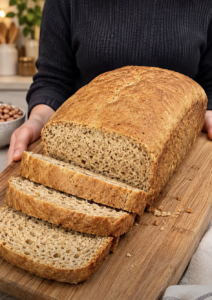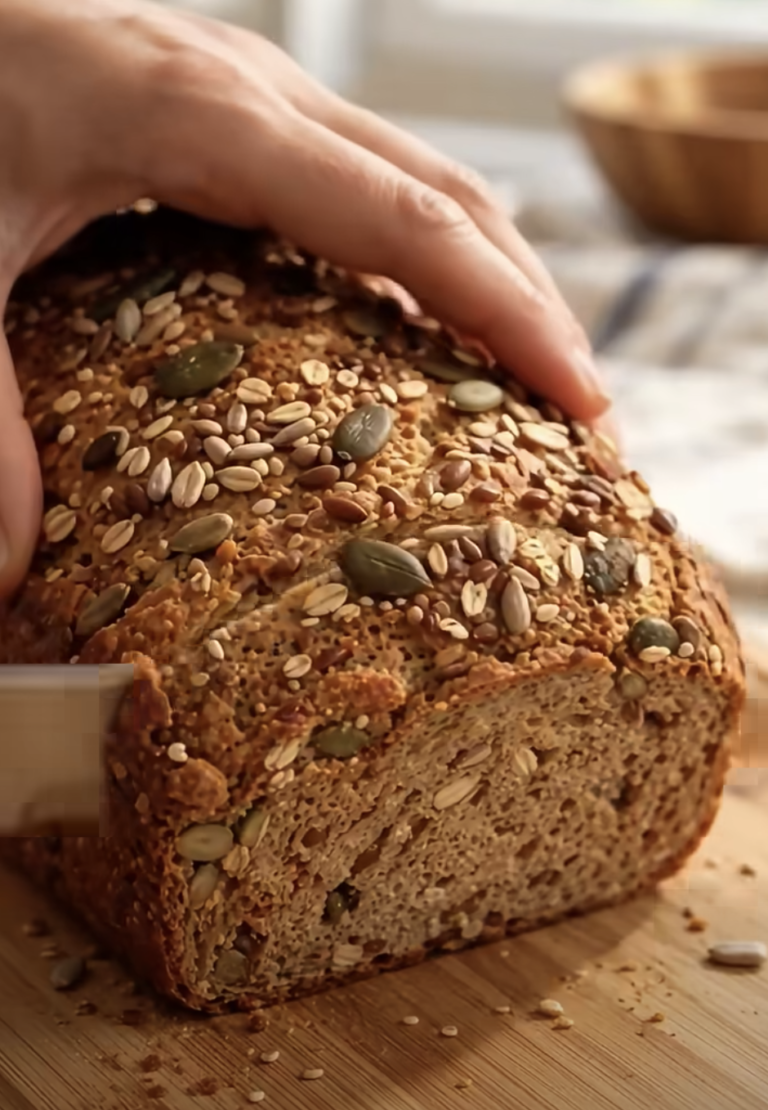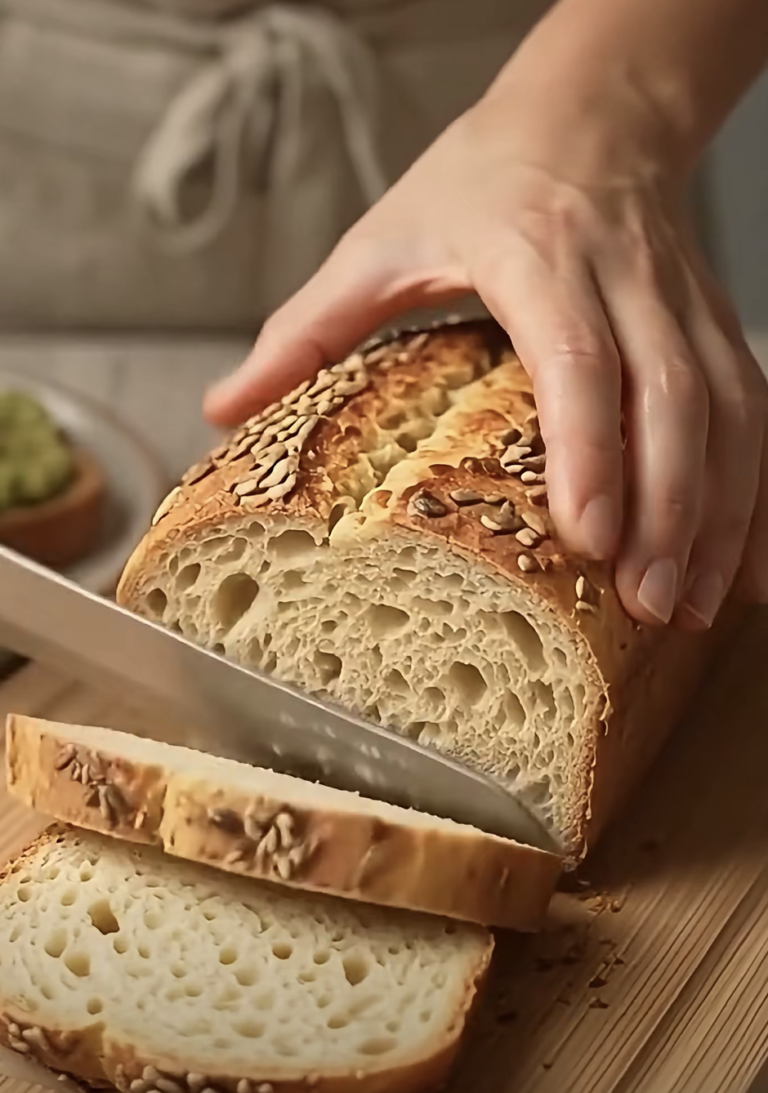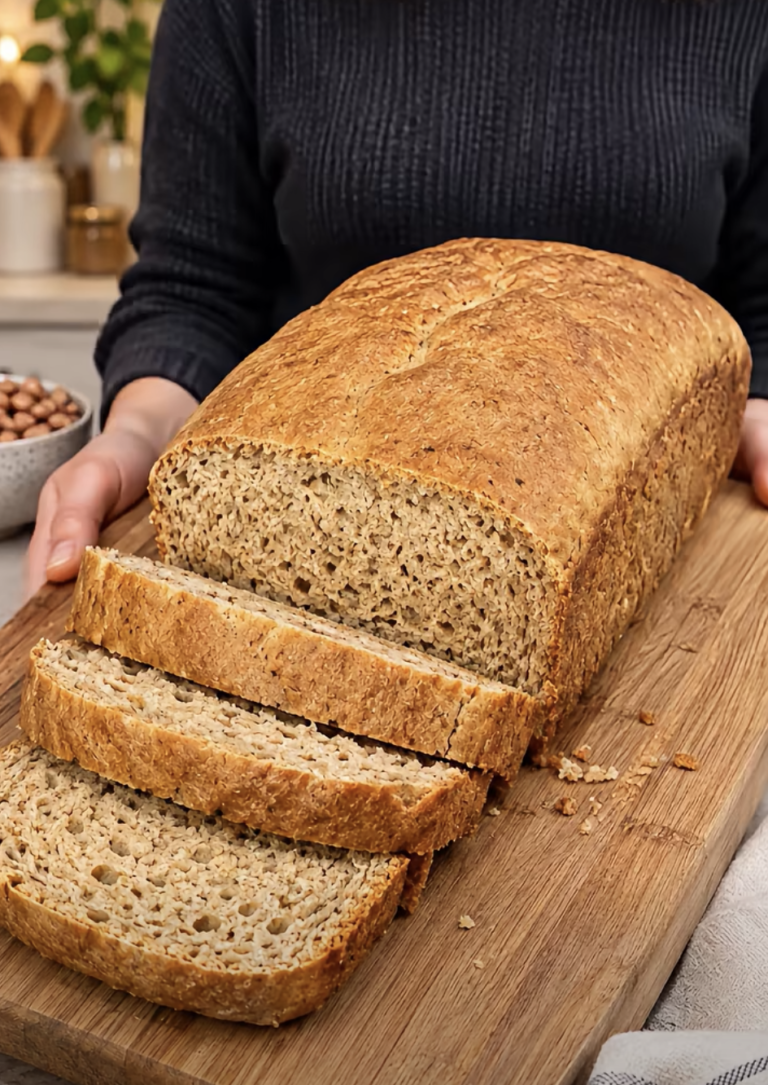
Simple Blender Lentil Bread is a wholesome homemade bread that combines tender red lentils, olive oil, and a few pantry staples into a delicious, lightly nutty loaf. You don’t need traditional flour, yeast, eggs, or kneading. Instead, you simply soak the lentils, blend the ingredients into a smooth batter, and bake until the bread develops a lightly golden crust.
This easy lentil bread makes a satisfying alternative to traditional wheat bread. It offers plant-based protein, fiber, and a hearty texture that pairs beautifully with savory spreads, avocado, hummus, or your favorite sandwich fillings.
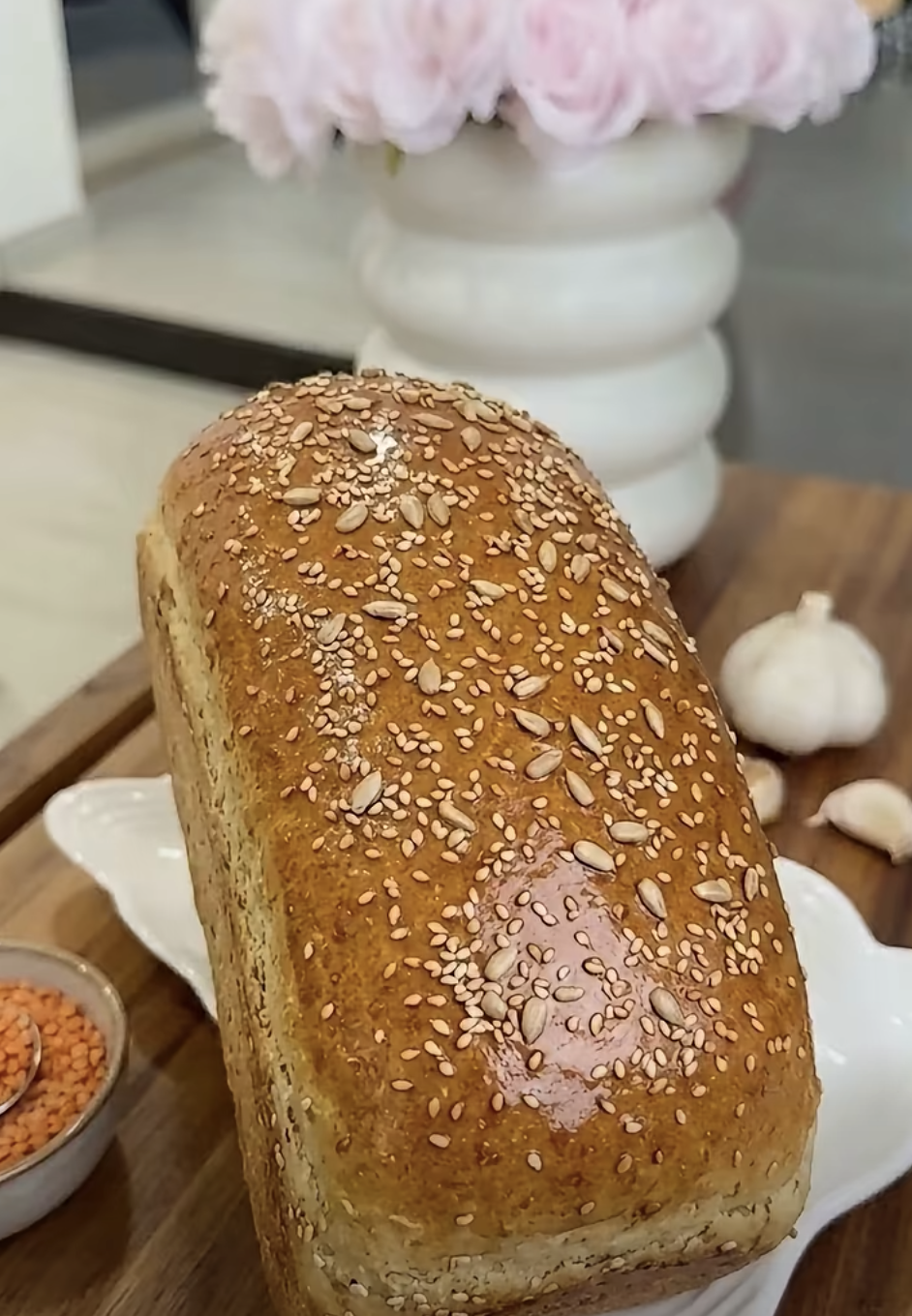
Simple Blender Lentil Bread – Easy, Soft, and Naturally Gluten-Free
Ingredients
Equipment
Method
- Place dry red lentils in a large bowl, cover generously with water, and soak for 4–6 hours or refrigerate overnight.
- Drain the soaked lentils completely, rinse thoroughly under fresh water, and discard the soaking liquid.
- Preheat the oven to 375°F (190°C). Line an 8-by-4-inch or 9-by-5-inch loaf pan with parchment paper and lightly grease if necessary.
- Blend the drained lentils with 1 1/2 cups fresh water, olive oil, baking powder, salt, and optional garlic powder until smooth and creamy.
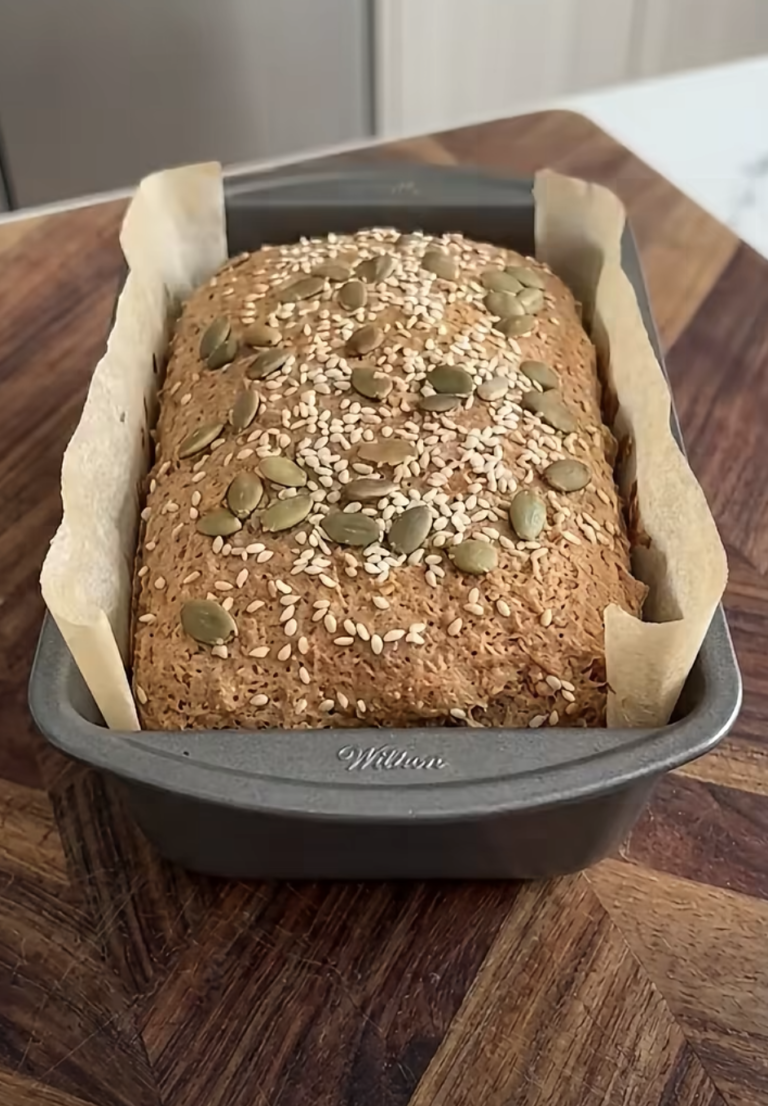
- Pour the batter into the prepared loaf pan, smooth the top, and gently tap to remove large air bubbles.
- Sprinkle sesame seeds or sunflower seeds over the batter if desired.
- Bake on the center oven rack for 45–55 minutes until the top is lightly golden, the center is firm, and a toothpick comes out mostly clean.
- Cool in the pan for 10–15 minutes, then transfer to a wire rack and cool completely.
- Slice into 10–12 pieces with a serrated knife and serve fresh or toasted.
Notes
The first time I tried making bread from lentils, I wanted something simple enough for a busy weekend. I had dry red lentils in the pantry and wondered whether I could turn them into a loaf without flour or yeast. After soaking the lentils, I added everything to my blender and watched the mixture turn into a smooth, creamy batter. The process felt surprisingly easy. As the bread baked, a warm, nutty aroma filled the kitchen. Once the loaf cooled, I cut a thick slice, toasted it, and added mashed avocado. Since then, this simple approach has become one of my favorite ways to make homemade bread without kneading dough.
Whether you enjoy gluten-free baking, want to incorporate more legumes into your meals, or simply love experimenting with homemade bread, Simple Blender Lentil Bread offers an approachable recipe with plenty of possibilities.
Prep: 10 min
Soak: 4–6 hours
Bake: 45–55 min
Oven: 375°F (190°C) | Yield: 10–12 slices | Difficulty: Easy
Why Simple Blender Lentil Bread Is Worth Making
A Flourless Bread With Wholesome Ingredients
One of the most appealing features of Simple Blender Lentil Bread is its straightforward ingredient list.
Instead of using wheat flour, this recipe relies on dry red lentils. These small legumes contain natural starches and plant proteins that help create a cohesive batter when you soak and blend them.
Red lentils also contribute dietary fiber, iron, folate, and other nutrients. Consequently, the finished loaf offers a different nutritional profile from traditional refined white bread.
Another advantage comes from the absence of yeast.
Traditional yeast bread often requires mixing, kneading, proofing, shaping, and waiting for the dough to rise. This recipe skips those steps entirely.
Baking powder provides a little lift during baking, while the blended lentils form the bread’s structure.
Olive oil adds moisture and helps create a more tender crumb. Meanwhile, a small amount of salt enhances the natural nutty flavor.
Because the recipe contains no wheat flour, eggs, or dairy, it suits many gluten-free and vegan eating preferences.
However, anyone with celiac disease should choose certified gluten-free ingredients and check packaging for possible cross-contact.
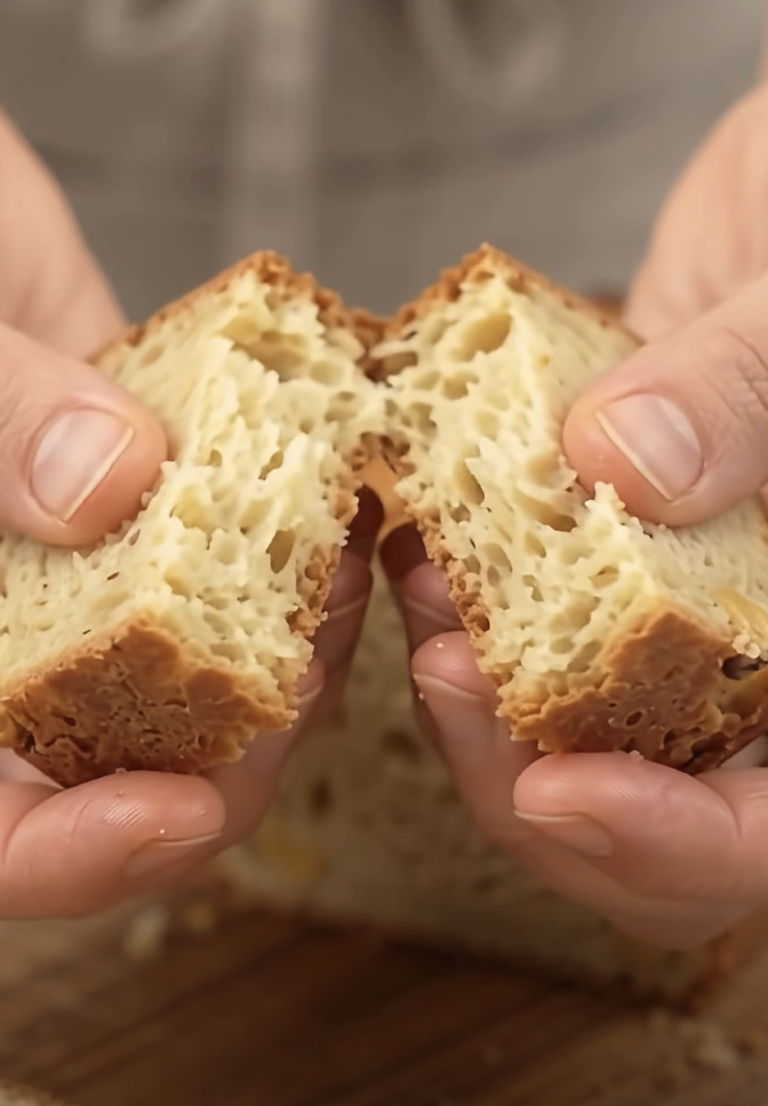
The finished bread has a pleasantly dense, tender texture rather than the airy, stretchy structure of traditional yeast bread.
That hearty consistency makes it especially satisfying when toasted.
Perfect for Breakfast, Sandwiches, and Everyday Meals
Simple Blender Lentil Bread works well throughout the day.
For breakfast, toast a slice and spread it with mashed avocado. Add sliced tomatoes and freshly ground black pepper for a simple, flavorful meal.
Alternatively, spread almond butter or peanut butter over a warm slice and top it with banana.
At lunchtime, use the bread to prepare sandwiches with hummus, leafy greens, cucumber, and roasted vegetables.
Because the loaf has a compact crumb, it can hold toppings well when you slice and toast it carefully.
You can also serve it alongside soups and stews.
For example, a slice of warm lentil bread pairs nicely with vegetable soup, tomato soup, or a hearty bean stew.
Another benefit is its make-ahead convenience.
You can bake a loaf, slice it after cooling, and refrigerate or freeze individual portions.
Then, simply toast a slice whenever you want a quick breakfast or snack.
Additionally, the mild flavor makes the recipe easy to customize with herbs, garlic powder, or seeds.
This versatility helps Simple Blender Lentil Bread fit into different meals without requiring a completely new recipe every time.
Understanding the Ingredients for Simple Blender Lentil Bread
Why Red Lentils Make an Excellent Bread Base
Red lentils are the main ingredient in Simple Blender Lentil Bread, so choosing and preparing them correctly makes a noticeable difference.
For this recipe, use two cups of dry red lentils.
Split red lentils work particularly well because they soften readily during soaking and blend into a smooth batter.
Before soaking, inspect the lentils and remove any small stones or debris.
Next, place them in a large bowl and cover them generously with water.
Allow the lentils to soak for four to six hours, or refrigerate them overnight.
During this time, they absorb moisture and soften.
This step makes blending easier and helps the finished bread develop a more even texture.
After soaking, drain the lentils thoroughly and rinse them with fresh water.
Discard the soaking liquid rather than adding it to the bread batter.
The recipe uses a measured amount of fresh water to create the proper consistency.
Avoid substituting canned or fully cooked lentils without adjusting the recipe. Those lentils contain different amounts of moisture and may produce an overly wet loaf.
Also, avoid using green or brown lentils as a direct replacement.
Although other lentil varieties can work in different bread recipes, they have different textures, skins, and soaking requirements.
Red lentils offer the smoothest results for this particular blender method.
How Olive Oil, Baking Powder, and Seasonings Help
The remaining ingredients give Simple Blender Lentil Bread its moisture, flavor, and structure.
Fresh water helps the soaked lentils blend into a thick, pourable batter.
For this recipe, start with the specified one and a half cups of water.
The batter should look smooth and creamy, but it shouldn’t resemble a thin soup.
If your blender struggles, pause and scrape down the sides before adding more liquid. Excess water can make the loaf gummy.
Olive oil contributes tenderness.
One tablespoon adds a little richness without making the bread greasy.
Baking powder provides the leavening. As the loaf heats in the oven, it releases gas bubbles that help lighten the dense lentil mixture.
Use fresh baking powder for the best results.
Salt plays a smaller but important role. Half a teaspoon helps balance the earthy lentil flavor.
For additional savory flavor, you can add one teaspoon of garlic powder.
This optional ingredient works particularly well when you plan to serve the bread with soup, hummus, or vegetables.
Finally, sesame seeds or sunflower seeds add a pleasant crunch.
Sprinkle them over the batter just before baking.
These toppings also create an attractive homemade appearance.
If you prefer a plain loaf, simply leave out the optional garlic powder and seeds.
How to Make Simple Blender Lentil Bread Successfully
Soaking and Blending for a Smooth, Creamy Batter
The preparation method makes Simple Blender Lentil Bread especially approachable for beginners.
Start by measuring two cups of dry red lentils.
Place them in a large mixing bowl and cover them with several inches of cool water.
The lentils will absorb moisture and expand, so use a bowl with enough space.
Allow them to soak for four to six hours.
If you prefer overnight soaking, keep the bowl covered in the refrigerator.
Once the lentils soften, transfer them to a fine-mesh strainer.
Drain the soaking liquid completely and rinse the lentils thoroughly.
Next, place the drained lentils in a high-speed blender.
Add the fresh water, olive oil, baking powder, salt, and optional garlic powder.
Blend until the mixture becomes smooth and creamy.
Depending on your blender, this process may take one to three minutes.
Stop occasionally to scrape down the sides.
You want a uniform batter without large pieces of lentils.
The mixture should pour slowly from the blender while maintaining a thick consistency.
If the batter looks unusually watery, avoid adding more liquid.
Instead, continue blending until the ingredients combine thoroughly.
For the best rise, prepare the loaf pan before blending and bake the batter promptly after adding the baking powder.
This helps the leavening work effectively in the oven.
Baking and Cooling for the Best Bread Texture
Preheat your oven to 375°F (190°C).
Line an 8-by-4-inch or 9-by-5-inch loaf pan with parchment paper.
Lightly grease the parchment with a small amount of olive oil if necessary.
Next, pour the blended batter into the prepared pan.
Use a spatula to smooth the surface.
Gently tap the pan against the counter once or twice to release large air pockets.
If desired, sprinkle sesame seeds or sunflower seeds evenly over the top.
Place the loaf pan on the center oven rack.
Bake for approximately 45 to 55 minutes.
During baking, the bread should gradually become firmer and develop a lightly golden surface.
Check the loaf near the end of the baking time.
Insert a toothpick into the center. It should come out mostly clean, without wet batter.
If the center remains moist, continue baking for another five minutes and check again.
The loaf may need slightly different baking times depending on the pan size and your oven.
Once the bread finishes baking, remove it from the oven.
Let it rest in the pan for 10 to 15 minutes.
Then, carefully lift the loaf out and place it on a wire rack.
Allow it to cool completely before slicing.
Cooling helps the interior set and reduces the risk of a gummy texture.
Finally, use a sharp serrated knife to cut the loaf into 10 to 12 slices.
Best Ways to Serve, Store, and Customize Lentil Bread
Delicious Toppings and Serving Suggestions
Simple Blender Lentil Bread has a mild, slightly nutty flavor that pairs well with many toppings.
Its hearty texture makes it particularly enjoyable after light toasting.
Slices of gluten free pumpkin seed buckwheat bread with mashed avocado, cherry tomato and basil leaf
Avocado toast
Spread mashed avocado over toasted lentil bread. Add lemon juice, cherry tomatoes, and black pepper for a fresh breakfast.
Sandwich Complet au Houmous, Concombre et Épinards
Hummus and vegetable sandwiches
Layer hummus, cucumber, spinach, and roasted peppers between two slices for a colorful lunch.
Peanut Butter Banana Toast | FamilyPlate Recipe Database | FamilyPlate
Nut butter and fruit
Top a warm slice with almond butter, banana, or berries for a satisfying snack.
Soup and stew accompaniment
Serve thick slices alongside tomato soup, vegetable stew, or bean chili for a comforting meal.
For extra flavor, brush toasted slices lightly with olive oil and sprinkle them with dried herbs.
You can also cut the bread into small cubes and toast them until crisp to make homemade salad croutons.
Because the bread has a compact structure, avoid cutting slices too thin before the loaf cools completely.
Storage, Freezing, and Flavor Variations
Proper storage keeps Simple Blender Lentil Bread enjoyable for several days.
Once the loaf cools completely, place it in an airtight container.
Store it in the refrigerator and consume it within three to four days.
Because homemade lentil bread contains moisture and no preservatives, refrigeration helps maintain its quality.
For longer storage, freeze individual slices.
Place a small piece of parchment paper between slices, then transfer them to a freezer-safe bag.
Freeze for up to two to three months for the best flavor and texture.
When you’re ready to eat, toast slices directly from frozen or thaw them in the refrigerator.
You can also customize the recipe with additional flavors.
For a savory herb version, add dried rosemary, oregano, or Italian seasoning to the batter.
For a more pronounced garlic flavor, increase the optional garlic powder slightly.
If you enjoy crunchy toppings, sprinkle pumpkin seeds or sunflower seeds over the surface.
A pinch of smoked paprika can also add a subtle savory note.
However, avoid adding too many wet ingredients.
Excess moisture can change the batter consistency and prevent the center from baking properly.
For your first loaf, follow the original recipe closely.
Once you understand the texture, experiment with small changes to create your favorite version.
Ingredients
Yield: 1 loaf, approximately 10–12 slices.
- 2 cups dry red lentils
- 1 1/2 cups fresh water, plus additional water for soaking
- 1 tbsp olive oil
- 1 1/2 tsp baking powder
- 1/2 tsp salt
- 1 tsp garlic powder (optional)
- 1 tbsp sesame seeds or sunflower seeds (optional)
Instructions
1. Soak the lentils. Place the dry red lentils in a large bowl and cover generously with cool water. Soak for four to six hours, or refrigerate overnight until softened.
2. Drain and rinse. Transfer the soaked lentils to a fine-mesh strainer. Drain completely, rinse under fresh water, and discard the soaking liquid.
3. Preheat the oven. Set your oven to 375°F (190°C). Line an 8-by-4-inch or 9-by-5-inch loaf pan with parchment paper and lightly grease if necessary.
4. Blend the batter. Add the drained lentils, 1 1/2 cups fresh water, olive oil, baking powder, salt, and optional garlic powder to a high-speed blender. Blend for one to three minutes until completely smooth and creamy.
5. Fill the loaf pan. Pour the batter into the prepared pan. Smooth the top with a spatula and gently tap the pan to remove large air bubbles.
6. Add optional toppings. Sprinkle sesame seeds or sunflower seeds evenly over the batter if desired.
7. Bake the bread. Place the loaf on the center oven rack and bake for 45 to 55 minutes, until lightly golden and firm. A toothpick inserted into the center should come out mostly clean.
8. Cool the loaf. Let the bread rest in the pan for 10 to 15 minutes. Then transfer it to a wire rack and cool completely.
9. Slice and serve. Use a serrated knife to cut the loaf into 10 to 12 slices. Enjoy fresh or lightly toasted with your favorite toppings.
Helpful tip: If the bread feels damp in the center, bake it for another five to ten minutes. Always let the loaf cool completely before slicing to help the crumb set properly.
Frequently Asked Questions
1. Is Simple Blender Lentil Bread gluten-free?
Yes. Red lentils, water, olive oil, salt, and pure baking powder naturally contain no gluten. However, check all ingredient labels if you have celiac disease or severe gluten sensitivity. Choose certified gluten-free products when necessary to avoid cross-contact.
2. Can I make lentil bread without a high-speed blender?
Yes. A regular blender or food processor can work, although it may require additional blending time. Soak the lentils thoroughly and process the mixture in batches if necessary. The goal is a smooth, creamy batter without noticeable lentil pieces.
3. Why is my lentil bread gummy in the middle?
A gummy center often results from excess water, insufficient baking, or slicing before the loaf cools. Measure the liquid carefully, drain the lentils thoroughly, and bake until the center sets. Additionally, allow the loaf to cool completely before cutting.
4. Can I use green or brown lentils instead of red lentils?
Red lentils work best for this particular recipe because they soften and blend easily. Green and brown lentils have firmer skins and different textures. Although you can develop bread recipes with those varieties, they may require different soaking times, water quantities, and baking adjustments.
5. Can I freeze Simple Blender Lentil Bread?
Yes. Cool the loaf completely and slice it before freezing. Separate the slices with parchment paper and store them in an airtight freezer-safe container. For the best quality, use the bread within two to three months. Toast individual slices directly from frozen whenever needed.
Conclusion
Simple Blender Lentil Bread proves that homemade bread doesn’t always require flour, yeast, or complicated techniques.
With red lentils, water, olive oil, and a few basic ingredients, you can create a wholesome loaf with a tender texture and pleasantly nutty flavor.
The preparation process is simple: soak, drain, blend, and bake.
Because the recipe requires no kneading or proofing, it offers an approachable option for beginners and anyone who wants an alternative to traditional wheat bread.
Enjoy it toasted with avocado, layered into sandwiches, or served alongside your favorite soup.
Whether you’re exploring gluten-free baking or looking for new ways to enjoy legumes, Simple Blender Lentil Bread makes a satisfying addition to your homemade bread collection.