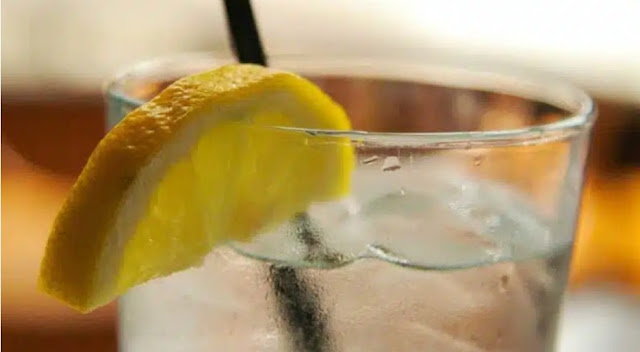
A glass of ice water with a fresh lemon slice is one of the most common beverages served in restaurants. Many people enjoy the subtle citrus flavor, while others believe it offers a refreshing alternative to sugary drinks.
From time to time, however, alarming headlines appear online claiming that restaurant lemon slices are “loaded with bacteria” or that ordering lemon water is a serious health risk.
So, how much of that is actually true?
The answer is more balanced than many viral posts suggest. Like any fresh fruit, lemons can carry microorganisms if they are not washed or handled properly. However, this doesn’t automatically mean they are dangerous or that you should avoid them altogether.
Let’s separate the facts from the myths.
Why Lemon Slices Receive So Much Attention
Unlike bottled beverages, lemon slices pass through several preparation steps before reaching your table.
A typical lemon may be:
- Delivered from a supplier.
- Stored in a kitchen.
- Washed before use.
- Cut into wedges or slices.
- Placed into a serving container.
- Handled by restaurant staff before being added to drinks.
Each step creates opportunities for contamination if proper food safety procedures are not followed.
Fortunately, professional kitchens are trained to reduce these risks through hygiene and sanitation practices.
What Research Has Found
Several small studies have examined lemon slices served in restaurants and found bacteria on some samples.
At first glance, that sounds alarming.
However, it’s important to understand what those findings actually mean.
Bacteria exist almost everywhere—including on fresh fruits, vegetables, countertops, and even healthy human skin.
Finding bacteria on a lemon slice does not necessarily indicate that harmful disease-causing organisms are present.
More importantly, these studies did not demonstrate that restaurant lemon slices are a common cause of foodborne illness.
Scientists generally agree that the presence of microorganisms alone is not enough to conclude that a food poses a significant health risk.
How Restaurants Reduce Food Safety Risks
Responsible restaurants follow food safety procedures designed to protect customers.
These often include:
Washing Fresh Produce
Lemons should be rinsed before cutting to remove dirt and reduce surface contamination.
Clean Preparation Areas
Knives, cutting boards, and countertops are cleaned and sanitized regularly to prevent cross-contamination.
Proper Refrigeration
Once sliced, lemons should be refrigerated until served to help slow bacterial growth.
Frequent Handwashing
Employees are expected to wash their hands before handling ready-to-eat foods and after tasks that could introduce contamination.
When these practices are followed consistently, the risk associated with fresh lemon slices remains low.
Who Should Be More Careful?
Although the average healthy adult faces very little risk, certain people should be extra cautious with any ready-to-eat foods prepared by others.
This includes:
- Older adults.
- Pregnant women.
- Young children.
- People with weakened immune systems.
- Individuals undergoing chemotherapy or taking immunosuppressive medications.
These groups may choose to request plain water or ask for an unopened beverage if they prefer to minimize exposure to any unnecessary food safety risks.
Can You Reduce the Risk Yourself?
If you’re concerned but still enjoy citrus-flavored water, there are several simple options.
You can:
- Request the lemon on a separate plate.
- Squeeze it into the drink yourself.
- Bring your own lemon when practical.
- Order plain water instead.
These choices are based on personal comfort rather than medical necessity.
Common Myths About Restaurant Lemon Water
Myth: Every lemon slice is covered in dangerous bacteria.
Reality: While bacteria can sometimes be found on fresh produce, this doesn’t automatically mean harmful pathogens are present.
Myth: Lemon juice kills all germs.
Reality: Lemon juice is acidic, but it is not strong enough to sterilize contaminated food.
Myth: Ordering lemon water is unsafe.
Reality: There is no strong evidence that restaurant lemon water is a major source of foodborne illness when proper food handling practices are followed.
Food Safety Starts Long Before the Lemon
It’s worth remembering that food safety isn’t limited to citrus fruit.
Restaurants must safely handle:
- Lettuce
- Tomatoes
- Herbs
- Fresh berries
- Garnishes
- Ice
- Drinking glasses
- Cutting boards
- Kitchen utensils
Every fresh ingredient carries some level of natural microbial exposure. Good sanitation practices—not avoiding a single garnish—are what help keep meals safe.
Simple Food Safety Tips at Home
If you prepare lemon water at home, you can reduce contamination by following a few easy habits:
- Wash lemons under running water before slicing.
- Use a clean cutting board.
- Wash your hands before preparing food.
- Refrigerate sliced lemons promptly.
- Discard cut fruit that has been sitting at room temperature for extended periods.
These same principles apply to oranges, limes, cucumbers, strawberries, and other fresh produce.
Frequently Asked Questions
Is it unhealthy to order lemon water at restaurants?
For most healthy people, no. When restaurants follow proper food safety procedures, lemon water is generally considered a low-risk beverage.
Do lemons naturally contain bacteria?
Yes. Like all fresh produce, lemons naturally carry microorganisms from the environment. Proper washing helps reduce their numbers.
Does lemon juice disinfect the fruit?
No. While acidic, lemon juice does not eliminate all bacteria or replace proper food handling.
Should I stop ordering lemon water?
There is no scientific recommendation that healthy adults should routinely avoid lemon water served in reputable restaurants.
What if I’m worried?
You can simply order plain water or ask for the lemon on the side if it gives you greater peace of mind.
Final Thoughts
Stories warning people to “never order lemon water again” often exaggerate the evidence. Although fresh lemon slices can become contaminated if handled improperly, the same is true of many fresh foods served every day.
Rather than focusing on one garnish, it’s more useful to consider the overall cleanliness and food safety practices of the restaurant you’re visiting.
If a restaurant follows proper hygiene procedures, a slice of lemon in your water is generally a safe and refreshing addition—not something to fear.
Does the Acidity of Lemon Make It Safer?
Many people assume that because lemons are highly acidic, they naturally destroy harmful bacteria. While lemon juice does have a low pH, its acidity should not be considered a substitute for proper food safety practices.
Some bacteria may struggle to survive in acidic environments, but many microorganisms can still remain on the peel or the surface of a lemon. In addition, the juice inside the fruit doesn’t instantly sanitize the outside where the knife makes contact during slicing.
For this reason, commercial kitchens are encouraged to wash whole lemons before cutting them, even though the peel is usually not eaten. A clean exterior helps prevent bacteria from being transferred to the edible portion of the fruit during preparation.
The Lemon Peel Often Matters More Than the Juice
When a lemon is sliced, the knife passes through the peel before reaching the fruit inside. If the outside of the lemon hasn’t been washed properly, microorganisms on the peel can be carried into the juicy interior.
This is why food safety professionals recommend treating lemons like any other fresh produce.
Simple preparation steps include:
- Rinsing the fruit under clean running water.
- Using a clean cutting board.
- Washing knives before and after use.
- Storing sliced lemons in refrigerated containers.
- Discarding fruit that has been left at room temperature for extended periods.
These precautions are quick, inexpensive, and effective.
Should You Be More Concerned About Ice Than Lemon?
Surprisingly, food safety inspections have sometimes identified ice machines as a greater hygiene concern than citrus garnishes.
Ice machines require regular cleaning because moisture creates an environment where mold, yeast, and bacteria can grow if maintenance is neglected.
Likewise, reusable drink dispensers, beverage nozzles, and soda fountains also require routine sanitation.
This doesn’t mean restaurant ice is unsafe. Rather, it highlights an important point: food safety depends on the overall cleanliness of the establishment—not on one ingredient alone.
How to Recognize a Restaurant That Prioritizes Hygiene
Although customers can’t see every part of a restaurant’s kitchen, there are often visible signs that indicate strong food safety practices.
Look for employees who:
- Wash their hands frequently.
- Wear clean uniforms.
- Use separate utensils for different foods.
- Keep preparation areas organized.
- Store ingredients at appropriate temperatures.
- Replace serving utensils regularly.
Dining areas also provide useful clues. Clean tables, spotless restrooms, and tidy service stations often reflect good attention to cleanliness throughout the business.
Fresh Produce Always Carries Some Risk
Lemons aren’t unique when it comes to food safety.
Many foods served raw require careful handling, including:
- Lettuce
- Spinach
- Tomatoes
- Cucumbers
- Fresh herbs
- Apples
- Strawberries
- Melons
These foods are rarely cooked before serving, making proper washing and storage especially important.
Fortunately, modern food safety systems—from farms to restaurants—are designed to minimize these risks through good agricultural practices, refrigeration, sanitation, and employee training.
Tips for Enjoying Lemon Water at Home
Preparing lemon water yourself allows you to control every step of the process.
For the freshest and safest results:
- Wash the lemon thoroughly before slicing.
- Use filtered or clean drinking water.
- Refrigerate leftover slices.
- Prepare only what you’ll use within a day or two.
- Wash reusable bottles and pitchers regularly.
If you’d like extra flavor, consider adding fresh mint leaves, cucumber slices, oranges, or berries—all prepared using the same food safety habits.
Frequently Asked Questions
Is bottled lemon juice safer than fresh lemons?
Commercial bottled lemon juice is typically pasteurized, which reduces microorganisms. However, fresh lemons remain perfectly safe when handled properly.
Should restaurants wash lemons before cutting them?
Yes. Washing fresh produce before preparation is considered a basic food safety practice and helps reduce surface contamination.
Does refrigeration eliminate bacteria?
No. Refrigeration slows bacterial growth but does not completely eliminate microorganisms. Proper cleaning and handling are still essential.
Are organic lemons less likely to contain bacteria?
Not necessarily. Organic and conventionally grown lemons can both carry naturally occurring microorganisms. Safe handling is important regardless of how the fruit is grown.
Is lemon water healthier than sugary soft drinks?
For many people, replacing sugar-sweetened beverages with plain water or lemon water can help reduce added sugar intake while encouraging better hydration.
The Bottom Line
Lemon water has become the subject of countless viral posts, but the science tells a much calmer story. While fresh lemons should always be washed and handled carefully—just like any other fruit—the presence of a lemon slice in your glass is not, by itself, a reason for concern.
The most important factor is the restaurant’s overall commitment to food safety. Establishments that follow proper hygiene practices, maintain clean preparation areas, and train employees in safe food handling greatly reduce the already low risk associated with fresh garnishes.
Instead of worrying about every slice of lemon, focus on choosing restaurants that demonstrate cleanliness, professionalism, and good food safety habits. In most cases, you can simply enjoy your refreshing glass of lemon water with confidence.