Poor Man’s Steak turns simple ground beef into a hearty, old-fashioned dinner that tastes far more special than its budget-friendly ingredients suggest. Thick seasoned beef patties get a light flour coating, develop a golden crust in a hot skillet, and then finish slowly in a savory onion gravy. The result feels like classic comfort food from the very first bite.
Because this recipe uses affordable pantry staples, it works especially well for family dinners, busy weeknights, and relaxed Sunday meals. Moreover, the rich gravy stretches the dish beautifully when you serve it with mashed potatoes, noodles, rice, biscuits, or vegetables.
Poor Man’s Steak also gives you plenty of flexibility. You can add mushrooms, change the seasonings, prepare the patties ahead, or freeze leftovers for another meal. Most importantly, the method stays simple enough for beginners while still producing tender, flavorful results.
I first remember Poor Man’s Steak as one of those meals that made an ordinary evening feel especially comforting. The ingredients looked simple on the counter, so I never expected the finished dish to taste so rich. However, once the browned patties went into the oven beneath that savory onion gravy, the whole kitchen filled with the kind of aroma that made everyone wander in early for dinner. We spooned the gravy over mashed potatoes and added green beans on the side. Since then, I have kept this recipe close because it proves that an inexpensive dinner can still feel generous, warm, and memorable.
Why Poor Man’s Steak Works So Well
The Simple Ingredients Create Big Flavor
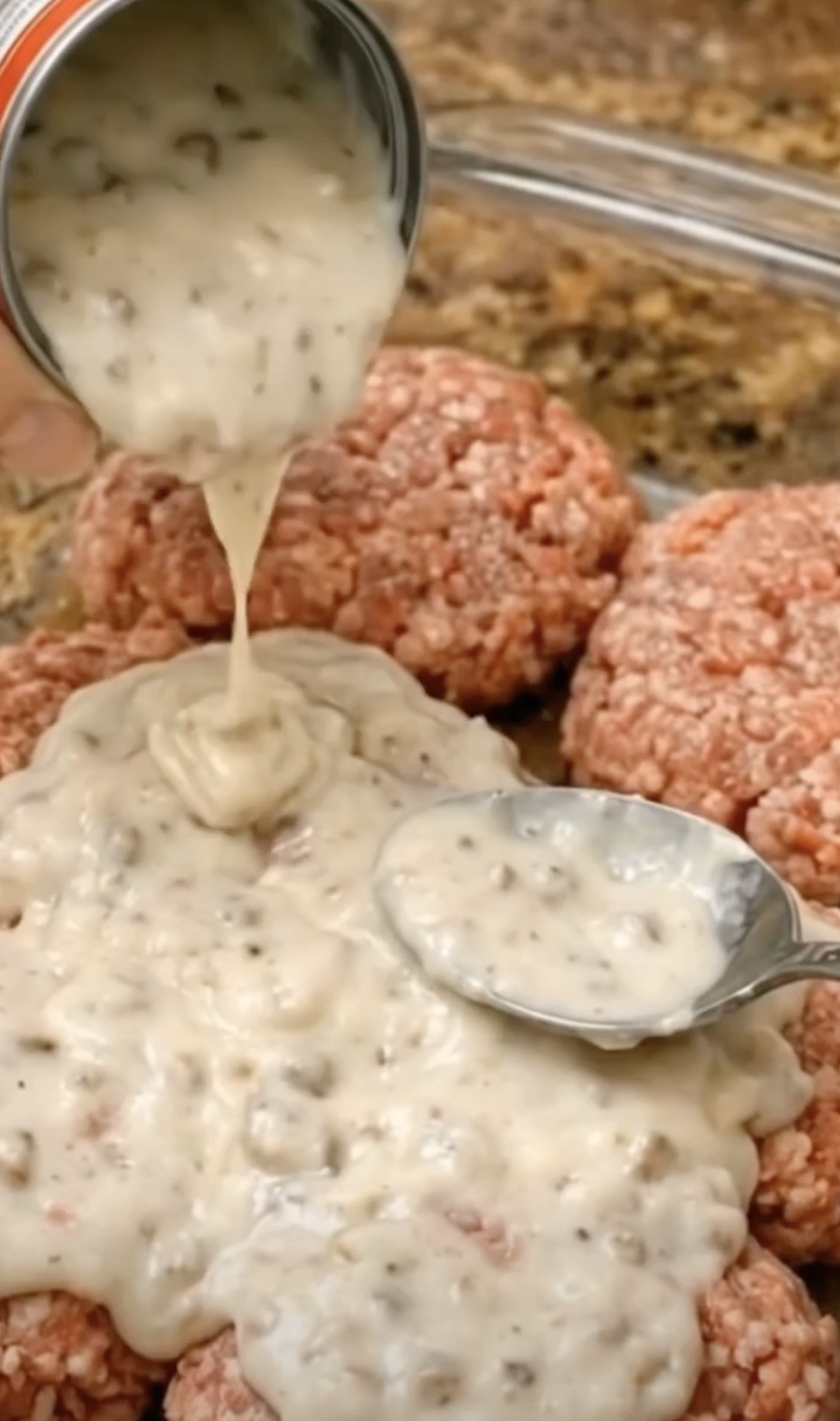
Poor Man’s Steak succeeds because every ingredient has a clear purpose. Ground beef forms the hearty foundation, while breadcrumbs and milk keep the patties tender. Meanwhile, egg helps bind everything together so the patties hold their shape during browning and baking.
Finely diced onion adds moisture and gentle sweetness. Garlic gives the beef mixture more depth, while Worcestershire sauce contributes a savory, slightly tangy flavor. In addition, paprika, onion powder, garlic powder, parsley, black pepper, and thyme create a balanced seasoning blend without overpowering the beef.
The flour coating does two jobs at once. First, it helps the patties develop an appealing golden crust. Then, small traces of flour contribute to the gravy as the patties cook.
The onion gravy brings everything together. Butter softens and sweetens the onions, while flour thickens the broth into a smooth sauce. Worcestershire sauce reinforces the beef flavor, and Dijon mustard adds a subtle sharpness if you decide to include it.
Because the ingredients remain familiar, you can usually find everything in an ordinary grocery store. Better still, you may already have most of the seasonings in your pantry.
This combination makes Poor Man’s Steak especially practical when you want comfort food without buying expensive cuts of meat. Instead of relying on steak, the recipe uses ground beef and a smart cooking method to create similar hearty satisfaction.
Browning and Slow Baking Keep the Patties Tender
The cooking method matters just as much as the ingredients. Therefore, do not skip browning the patties before they enter the oven.
When the seasoned patties hit a hot skillet, their surfaces quickly develop color. That browning creates deeper savory flavor and gives Poor Man’s Steak a texture that resembles a country-style chopped steak.
However, you do not need to cook the patties completely during this stage. In fact, cooking them through in the skillet can make them drier by the time the baking step finishes.
Instead, brown each side for about three to four minutes. Then transfer the patties to a plate while you prepare the gravy.
The covered baking stage finishes the cooking gently. Since the patties sit beneath hot gravy, they retain moisture as they reach a safe internal temperature. At the same time, the onion gravy becomes richer and thicker.
For ground beef, cook the patties until the centers reach 160°F, or 71°C.
Covering the baking dish also keeps the environment moist. As a result, the patties stay tender instead of developing dry edges.
Finally, uncovering the dish briefly lets you adjust the gravy. If it looks thin, another several minutes in the oven can concentrate it. Conversely, if it becomes too thick, a splash of warm beef broth loosens it easily.
How to Make Poor Man’s Steak Step by Step
Mix, Shape, Coat, and Brown the Beef
Start Poor Man’s Steak by placing 2 pounds of ground beef in a large mixing bowl. Ground beef that contains about 15 to 20 percent fat works particularly well because the fat adds flavor and helps prevent dryness.
Add 1 cup breadcrumbs, 1 large egg, ½ cup milk, 1 finely diced small onion, and 2 minced garlic cloves.
Next, add 1 tablespoon Worcestershire sauce, 1 teaspoon salt, 1 teaspoon black pepper, 1 teaspoon onion powder, 1 teaspoon garlic powder, 1 teaspoon paprika, ½ teaspoon dried parsley, and ½ teaspoon dried thyme if desired.
Use clean hands or a sturdy spoon to combine everything gently. Stop mixing as soon as the ingredients look evenly distributed. Otherwise, excessive mixing can compact the meat and create firmer patties.
Divide the mixture into 6 to 8 portions. Then shape each portion into an oval or rectangular patty about ¾ inch thick.
Try to make each Poor Man’s Steak similar in size. Consequently, the patties will brown and bake more evenly.
In a shallow dish, combine ½ cup all-purpose flour with ½ teaspoon paprika and ¼ teaspoon black pepper. Lightly coat each patty in the seasoned flour, and shake away the excess.
Heat a large skillet over medium-high heat. Add about 1 tablespoon oil if needed.
Place the patties in the pan without crowding them. Brown each side for approximately 3 to 4 minutes. Work in batches if necessary because overcrowding can reduce browning.
Transfer the browned patties to a plate.
Make the Onion Gravy and Bake
Once you brown the Poor Man’s Steak patties, reduce the skillet heat to medium.
Add 2 tablespoons butter. After it melts, add 1 sliced medium onion. Cook the onion for about 6 to 8 minutes, stirring occasionally, until it becomes soft and lightly golden.
Next, sprinkle 2 tablespoons flour over the onions. Stir continuously for about 1 minute. This brief cooking step helps remove the raw flour taste.
Gradually pour in 2½ cups beef broth while whisking or stirring constantly. Adding the broth slowly helps prevent lumps.
Then stir in 1 tablespoon Worcestershire sauce, 1 teaspoon Dijon mustard if desired, ½ teaspoon onion powder, and ½ teaspoon garlic powder.
Season the gravy with salt and black pepper to taste. However, remember that both broth and Worcestershire sauce contain sodium, so taste before adding much salt.
Continue stirring until the gravy starts to thicken slightly. You want it smooth and pourable because it will thicken further during baking.
Preheat the oven to 350°F, or 175°C.
Arrange the browned Poor Man’s Steak patties in a lightly greased baking dish. Pour the hot onion gravy evenly over them, making sure the sauce surrounds and mostly covers the meat.
Cover the dish tightly with aluminum foil.
Bake for 40 to 50 minutes, or until the patties reach an internal temperature of 160°F.
Carefully remove the foil. If you prefer thicker gravy, bake uncovered for another 5 to 10 minutes.
Finally, taste the gravy and adjust the seasoning. Garnish with chopped parsley or freshly cracked black pepper before serving.
Tips, Sides, and Easy Variations
How to Get the Best Texture and Flavor
A few simple techniques can make Poor Man’s Steak even better.
First, avoid using extremely lean ground beef if possible. Although lean meat works, a little extra fat produces more tender and flavorful patties. Ground beef labeled 80/20 or 85/15 offers a reliable balance.
Second, dice the onion in the meat mixture finely. Large pieces can make the patties harder to shape and may fall out during browning.
Third, keep the meat cold until you begin mixing. Cold ground beef generally shapes more easily than meat that has sat at room temperature for a long period.
Next, use gentle pressure when forming the patties. You want each Poor Man’s Steak to hold together, but you do not need to compress it tightly.
Allow the skillet to become hot before adding the patties. Consequently, they will brown instead of steaming.
At the same time, avoid moving them constantly. Let the first side develop a crust before turning.
For a smooth gravy, stir the flour into the onions thoroughly before adding broth. Then pour the broth gradually while whisking.
If you accidentally create a few small lumps, keep whisking as the gravy simmers. Most will smooth out.
You can also adjust the gravy consistency easily. Add warm broth if it becomes too thick. Alternatively, let it simmer slightly longer if it seems too thin.
Finally, use an instant-read thermometer rather than judging doneness only by color. The center of every ground beef patty should reach 160°F.
What to Serve With Poor Man’s Steak
Mashed potatoes rank among the best side dishes for Poor Man’s Steak because they absorb the rich onion gravy beautifully. Creamy potatoes also balance the savory beef with a soft, buttery texture.
Buttered egg noodles provide another excellent option. Spoon the gravy directly over the noodles and place a patty on top for an easy comfort-food dinner.
Rice works especially well when you want an inexpensive side that stretches the meal further. White rice, brown rice, or even seasoned rice can all complement the beef.
For vegetables, try steamed green beans, roasted carrots, peas, buttered corn, broccoli, or a simple mixed vegetable medley.
Fresh bread also deserves a place on the table. Dinner rolls, biscuits, or crusty bread can soak up any gravy left on the plate.
You can also change Poor Man’s Steak without changing the basic technique.
For a mushroom version, sauté sliced mushrooms with the onions before making the gravy.
For extra richness, stir a small amount of sour cream into the finished gravy after cooking. Keep the heat low so the sauce stays smooth.
If you enjoy cheese, place a slice of Swiss, provolone, or mozzarella over each patty during the final few minutes of baking.
For additional heat, mix a pinch of cayenne or crushed red pepper into the meat.
You can even add cooked crumbled bacon to the beef mixture for a smoky variation.
Make-Ahead, Storage, and Reheating Tips
Prepare Poor Man’s Steak Ahead of Time
Poor Man’s Steak works well for meal preparation because several parts of the recipe can be completed in advance.
For example, you can mix and shape the beef patties earlier in the day. Arrange them on a covered tray and refrigerate until you are ready to cook.
You can also brown the patties ahead. Once they cool, refrigerate them in a covered container.
The gravy may also be prepared separately. However, it can thicken as it chills. Therefore, stir in a little additional broth while reheating if necessary.
For the easiest make-ahead method, assemble the entire baking dish with browned patties and gravy, cover it tightly, and refrigerate it.
When you are ready to bake, place the dish in the oven and allow slightly more cooking time because the ingredients start cold. Most importantly, check that each patty reaches 160°F internally before serving.
This preparation method makes Poor Man’s Steak particularly convenient for busy evenings. You can handle most of the work when you have time, then bake everything later.
If you prepare the patties more than a few hours ahead, keep them consistently refrigerated.
You can also double the recipe when feeding a crowd. In that case, use two baking dishes rather than overcrowding one large pan. The gravy should circulate around the patties instead of sitting only on top.
Storing, Freezing, and Reheating Leftovers
Let leftover Poor Man’s Steak cool before transferring it to airtight containers.
Refrigerate leftovers promptly and enjoy them within about 3 to 4 days.
Whenever possible, store each patty with some gravy. The sauce helps protect the meat from drying during reheating.
To reheat on the stovetop, place a patty and gravy in a covered skillet or saucepan over low to medium-low heat. Add a splash of beef broth or water if the gravy has become very thick.
You can also reheat individual portions in the microwave. Cover the dish loosely and heat in shorter intervals, stirring the gravy when possible so everything warms evenly.
Poor Man’s Steak freezes well too. Place cooled portions with gravy in freezer-safe containers and freeze for up to about 3 months for best quality.
For convenient meals, freeze individual servings rather than one large batch.
Thaw frozen portions overnight in the refrigerator before reheating. Then warm gently until the center becomes steaming hot.
The gravy may separate slightly after freezing. However, gentle stirring usually restores its texture. If necessary, add a small amount of warm broth.
Avoid repeatedly reheating and cooling the same portion. Instead, remove only the amount you plan to serve.
These storage options make Poor Man’s Steak an excellent choice when you want a comforting dinner that can provide leftovers without losing much of its original flavor.
Frequently Asked Questions
Why is it called Poor Man’s Steak?
Poor Man’s Steak uses affordable ground beef instead of whole steak cuts. The patties get shaped and cooked in a way that creates a hearty steak-style meal while keeping the ingredient cost relatively low.
Can I make Poor Man’s Steak without breadcrumbs?
Yes. You can substitute crushed crackers, quick oats, or another suitable binder. However, the texture may change slightly. Breadcrumbs provide a soft, tender consistency and absorb some of the moisture in the beef mixture.
Can I make the gravy without onions?
Yes. Simply omit the sliced onions and continue with the butter, flour, broth, and seasonings. Nevertheless, onions add sweetness and depth, so consider adding a little extra onion powder if you leave them out.
How do I know when Poor Man’s Steak is fully cooked?
Use an instant-read meat thermometer in the thickest portion of a patty. Ground beef should reach an internal temperature of 160°F, or 71°C.
Can I cook Poor Man’s Steak entirely on the stovetop?
Yes. After browning the patties and preparing the gravy, return the patties to the skillet. Cover and simmer gently until the centers reach 160°F. Keep the heat low enough that the gravy does not scorch.
Conclusion
Poor Man’s Steak proves that comfort food does not need expensive ingredients or complicated techniques.
Seasoned ground beef, breadcrumbs, milk, onion, garlic, and pantry spices create tender patties with plenty of flavor. Then a quick flour coating and skillet browning give each Poor Man’s Steak a savory crust.
The homemade onion gravy transforms the dish even further. Beef broth, butter, onions, Worcestershire sauce, and seasonings produce a rich sauce that keeps the patties moist while they bake.
Serve Poor Man’s Steak over mashed potatoes when you want classic comfort food. Alternatively, pair it with buttered noodles, rice, vegetables, biscuits, or dinner rolls.
You can also adjust the recipe easily with mushrooms, cheese, bacon, extra spice, or a creamier gravy.
Because the dish stores and reheats well, it works nicely for meal planning too. Prepare the patties ahead, assemble the baking dish early, or freeze leftover portions for another day.
Most importantly, Poor Man’s Steak delivers the kind of hearty homemade dinner that feels satisfying without stretching the grocery budget. Tender beef, golden edges, caramelized onions, and plenty of savory gravy come together in a meal that can easily become a regular family favorite.