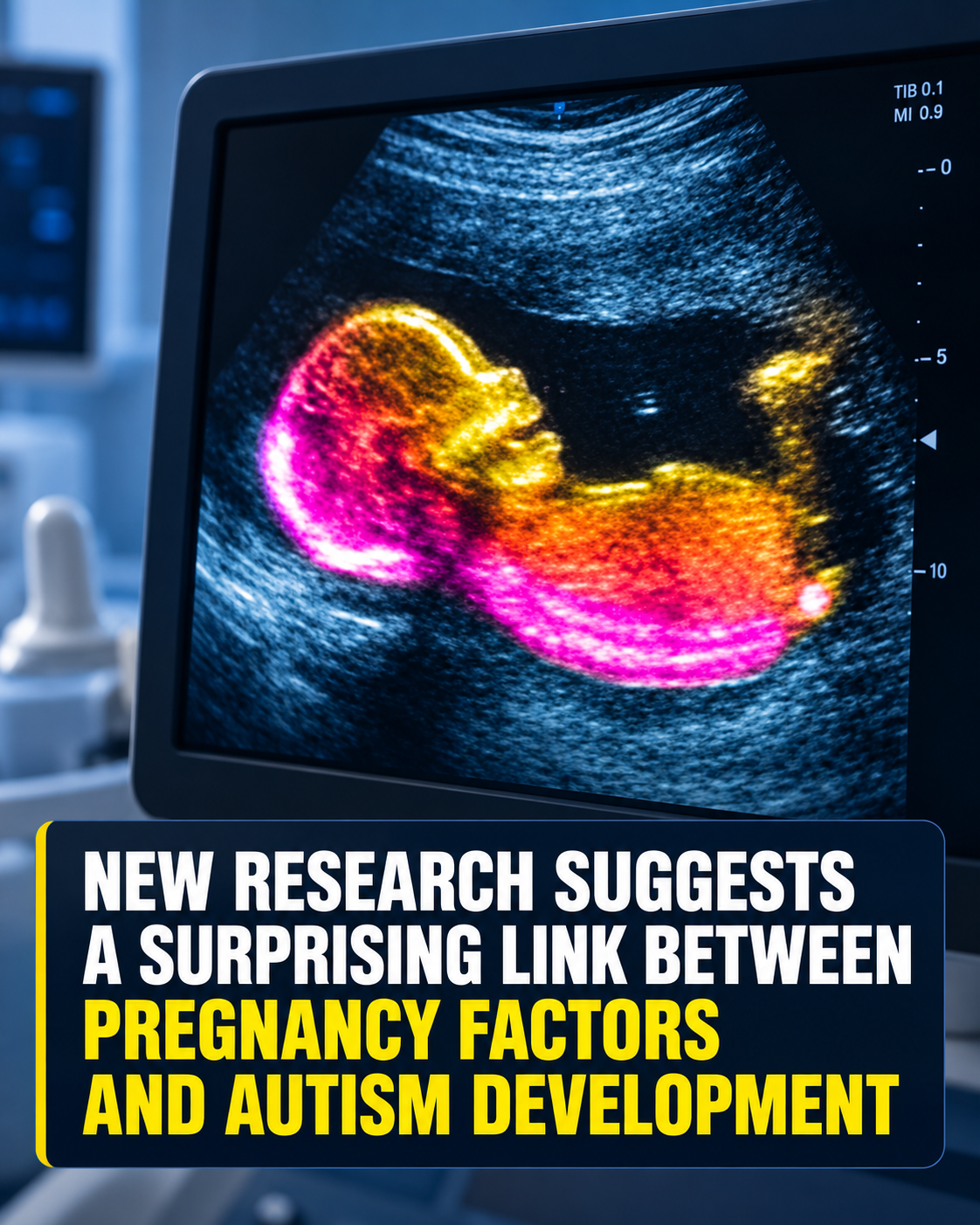
Scientists May Have Actually Found One Of The Causes Of Autism is a striking headline, but the research behind it needs careful context. Scientists have not discovered a single cause of autism. Instead, one influential mouse study identified a possible biological pathway connecting the maternal gut microbiome, immune activity during pregnancy, and autism-like behavioral changes in offspring.
Researchers at the University of Virginia studied how differences in intestinal microbes affected pregnant mice during experimentally triggered maternal immune activation. They found that the maternal microbiome influenced susceptibility to neurodevelopmental changes and that an immune molecule called interleukin-17A, or IL-17A, played an important role in that process. Blocking IL-17A signaling protected the mouse offspring from several abnormalities in the experimental model.
However, this research does not prove that a mother’s gut bacteria cause autism in humans. The study involved mice, controlled laboratory conditions, and an artificial immune challenge. Current public-health guidance continues to describe autism spectrum disorder as a complex developmental condition with multiple potential genetic, biological, and environmental contributors rather than one established cause.
I remember encountering a headline about this research and initially thinking scientists had finally identified a straightforward explanation for autism. Once I read further, the picture changed dramatically. The experiment involved mice, a carefully triggered immune response, different microbial populations, and a specific inflammatory pathway. That distinction mattered. The study fascinated me because it showed how closely the immune system, gut microbes, and developing brain may communicate, yet it also showed why dramatic headlines require context. The most useful takeaway was not that one factor had suddenly explained autism, but that researchers had uncovered another biological pathway worth investigating carefully in human studies.
The Study Behind the Autism and Gut Microbiome Headline
Researchers Used a Maternal Immune Activation Mouse Model
The study that inspired the headline appeared in The Journal of Immunology in 2018. Catherine R. Lammert and colleagues investigated how maternal intestinal microbes influenced a mouse model of neurodevelopmental abnormalities associated with maternal immune activation.
The researchers used mice from laboratory populations that naturally carried different intestinal microbial communities. Those microbial differences mattered because some bacteria can influence immune pathways, including pathways that promote IL-17A production.
Next, the scientists triggered maternal immune activation with polyinosinic-polycytidylic acid, commonly called Poly(I). Researchers often use this compound to imitate aspects of a viral immune response in experimental animals. Therefore, the experiment did not simply compare ordinary pregnancies with different diets or different gut bacteria. Instead, it tested how the microbiome changed susceptibility to an experimentally induced inflammatory event during pregnancy.
The offspring of susceptible mice developed behavioral and neurodevelopmental abnormalities under those experimental conditions. Meanwhile, mice with a different microbial profile showed much less susceptibility.
The researchers then went further. They transferred intestinal microbes before pregnancy from the susceptible group to mice that had previously shown resistance. After that microbial transfer, the previously resistant animals became more susceptible to the effects of maternal immune activation. This result strengthened the argument that the microbial environment influenced the maternal immune response rather than merely appearing alongside it.
Still, researchers used an animal model. Scientists can use these models to investigate mechanisms that would prove difficult or unethical to manipulate in pregnant humans. However, mouse behavior cannot reproduce the full complexity of human autism.
IL-17A Emerged as an Important Part of the Pathway
One of the most important findings involved interleukin-17A.
IL-17A functions as part of the immune system’s communication network. Certain immune cells release it during inflammatory responses, and it also contributes to defense against some infections. Therefore, IL-17A does not simply act as a harmful molecule that scientists would want to eliminate.
In the mouse study, the researchers found that differences in maternal microbiota influenced immune responses involving IL-17A. When they disrupted IL-17A signaling, they reduced the neurodevelopmental abnormalities that otherwise appeared in offspring after maternal immune activation.
That result suggested a chain of events: intestinal microbes helped shape maternal immunity, maternal immunity influenced IL-17A responses, and those inflammatory signals affected fetal neurodevelopment in susceptible mice.
The finding fits with a broader area of experimental research examining interactions among maternal inflammation, the microbiome, immune signaling, and brain development. Researchers have continued studying these relationships because pregnancy requires exceptionally precise coordination between maternal immunity and fetal development.
However, the pathway does not mean that IL-17A represents an established cause of human autism. It also does not mean pregnant people should attempt to suppress inflammatory pathways on their own.
IL-17A performs normal immune functions. Manipulating immune signaling during pregnancy could carry significant risks. Even the researchers who discussed potential therapeutic applications emphasized the complexity of interfering with immune activity during pregnancy.
What the Maternal Microbiome May Tell Scientists
Gut Bacteria Can Influence More Than Digestion
The human gut contains a large community of microorganisms, including bacteria and other microbes. Together, researchers often call this ecosystem the gut microbiome.
Scientists now know that gut microbes can interact with metabolism and immunity. During pregnancy, researchers have become increasingly interested in whether maternal microbial activity can also influence fetal development through immune signals, metabolites, or other molecules.
Additional animal research has strengthened the idea that maternal microbes can affect fetal brain development. For example, a 2020 Nature study found that changing the maternal microbiome in mice altered fetal brain gene expression and thalamocortical axon development. Researchers linked some of those effects to microbiome-dependent metabolites circulating in the mother and fetal brain.
That study did not establish autism as the outcome. Instead, it demonstrated a broader principle: maternal intestinal microbes can influence aspects of fetal neurodevelopment in mice.
Therefore, researchers now examine several possible communication routes between the gut and developing brain.
Microbes can influence immune cells.
They can produce or modify metabolites.
They can alter inflammatory signaling.
They can also interact with maternal physiology in ways scientists still work to understand.
These findings make the microbiome an important research area. Nevertheless, researchers have not identified a particular “autism microbiome” that doctors can diagnose, treat, or prevent through a specific food, probiotic, supplement, or gut treatment.
That distinction protects people from turning promising laboratory science into unsupported medical advice.
The Research Does Not Mean a Mother Causes Her Child’s Autism
This point deserves special emphasis.
The mouse research does not justify blaming mothers, pregnancy diets, digestive health, or everyday lifestyle choices for autism.
Autism spectrum disorder involves differences in brain development, and scientists believe multiple factors can contribute. The CDC states that there is no single cause of autism and identifies genetic, biological, and environmental factors as areas of ongoing research. Some people have known genetic or chromosomal conditions associated with autism, while scientists do not yet know the specific cause in many other cases.
Researchers also study pregnancy-related factors, immune conditions, infections, environmental exposures, genetics, and interactions among these influences. CDC’s Study to Explore Early Development has found several associations, but associations do not necessarily establish direct causes.
The maternal microbiome research adds another possible mechanism to that much larger picture.
Furthermore, most factors involved in neurodevelopment do not operate as simple switches. A biological factor may increase or decrease susceptibility only in combination with particular genes, immune conditions, developmental windows, or environmental influences.
The 2018 experiment illustrates this complexity well. Gut microbes alone did not simply produce the observed abnormalities. The researchers studied how microbial differences affected susceptibility during experimentally induced maternal immune activation.
Therefore, the safest interpretation avoids statements such as “gut bacteria cause autism.”
A more accurate interpretation says that maternal microbiota influenced the immune response and neurodevelopmental outcomes in a specific mouse model, partly through IL-17A signaling. Scientists still need human evidence before they can determine how strongly, or even whether, the same pathway contributes to autism in people.
Why Mouse Findings Cannot Yet Become Human Treatments
Animal Models Reveal Mechanisms but Have Clear Limits
Mouse studies give researchers something human studies often cannot provide: experimental control.
Scientists can standardize genetics, alter microbiota, trigger defined immune responses, block individual molecules, and examine brain tissue at specific developmental stages. These methods help them test cause-and-effect relationships inside the model.
However, that strength also creates limits.
Human pregnancy involves far greater genetic, microbial, dietary, environmental, and immunological diversity. Autism itself also represents a spectrum with many different developmental patterns, strengths, support needs, and associated characteristics.
Researchers sometimes describe certain mouse behaviors as “autism-like” because they measure features such as repetitive behavior or changes in social interaction. Yet these measurements do not mean a mouse has human autism.
The 2018 study specifically examined a maternal immune activation model, so its conclusions apply most directly to that experimental framework.
Researchers therefore need several additional steps before translating findings into medicine.
They need observational human studies that identify reproducible patterns.
Then they need evidence that those patterns relate meaningfully to risk rather than simply correlating with other factors.
Researchers also need to identify which microbes, metabolites, inflammatory pathways, genetic backgrounds, and pregnancy conditions matter.
Finally, any proposed intervention must demonstrate both effectiveness and safety.
Pregnancy raises the safety threshold even further because an intervention can affect both the pregnant person and the developing fetus.
Probiotics or Immune-Blocking Drugs Are Not Proven Autism Prevention
The findings naturally raise a tempting question: could changing the microbiome prevent autism?
At present, research does not support a specific probiotic, diet, fecal microbiota treatment, antibiotic, or immune-blocking drug for preventing autism.
The University of Virginia researchers themselves discussed microbiome modification as a future research direction, but they also said scientists first needed to identify human microbiome features that correlate with autism risk. They warned that directly blocking IL-17A during pregnancy could carry significant risk because the molecule plays important roles in immune defense.
Therefore, someone should not read this research as a reason to self-treat during pregnancy.
Taking antibiotics without a medical indication can affect both beneficial and harmful microbes and carries additional medical risks.
Likewise, supplements labeled for “gut health” do not automatically reproduce effects from controlled mouse experiments.
Fecal microbiota transplantation also represents a medical procedure used in specific clinical contexts, not a general strategy for changing neurodevelopmental risk.
The strongest conclusion remains much narrower: the study identified a promising biological mechanism that scientists can investigate further.
That may eventually help researchers understand how maternal immune states interact with neurodevelopment. However, understanding a pathway does not automatically produce a safe prevention strategy.
What This Research Means for Autism Science Today
Autism Probably Reflects Multiple Interacting Biological Pathways
Scientists May Have Actually Found One Of The Causes Of Autism sounds as though researchers discovered one decisive explanation. Modern autism research points toward a much more complicated picture.
Current evidence supports the idea that autism can arise through multiple developmental pathways. Genetics plays an important role, but researchers continue examining environmental, biological, prenatal, and immune-related influences as well.
That complexity explains why two autistic people can differ greatly in communication, sensory processing, learning, behavior, daily support needs, and other characteristics.
It also explains why scientists should resist searching for one universal trigger.
The maternal microbiome and IL-17A work offers a useful example of mechanism-focused research.
Instead of proving that one bacterium causes autism, the study showed that microbial composition could change the immune environment in pregnant mice. That altered immune environment then affected susceptibility to developmental changes following an experimentally induced inflammatory challenge.
Future research can investigate whether related pathways appear in humans.
Scientists can examine maternal blood samples, immune markers, microbial composition, pregnancy health records, genetic information, and child development over time.
If researchers repeatedly identify the same relationships across large human populations, they can begin asking more targeted questions about mechanism and prevention.
Until then, mouse findings should remain what they are: valuable clues.
The Most Important Next Step Is Human Evidence
The next major challenge involves determining whether the mouse pathway has a meaningful counterpart in human pregnancy.
Researchers need to know whether certain maternal microbial patterns consistently associate with altered inflammatory signaling.
They also need to determine whether IL-17A or related pathways predict particular developmental outcomes independently of genetics, infections, medication use, diet, socioeconomic factors, and other influences.
Even if scientists find an association, they still must test causality.
Human microbiomes vary enormously from one person to another. Diet, geography, medication use, age, infections, hormones, and many other variables can influence microbial communities.
Therefore, a microbial pattern may serve as a marker of another biological process rather than act as the direct driver.
Researchers also need to avoid interpreting autism only through a disease-prevention framework. Autism represents a lifelong neurodevelopmental condition, and autistic people have diverse experiences and support needs.
Better research can help scientists understand development, identify co-occurring medical issues, and improve support without reducing autistic people to a single laboratory outcome.
The 2018 study remains scientifically important because it connected three active areas of research: the microbiome, maternal immunity, and neurodevelopment.
Yet its greatest value comes from generating better questions rather than providing one final answer.
Frequently Asked Questions
Did scientists discover the cause of autism?
No. Scientists have not identified one universal cause of autism. Current evidence indicates that multiple genetic, biological, and environmental factors may contribute to autism development.
Did the gut microbiome study involve pregnant humans?
No. The 2018 research used mice in a maternal immune activation model. Researchers manipulated microbial exposure and immune signaling under controlled laboratory conditions.
What is IL-17A?
IL-17A is an immune signaling molecule involved in inflammation and host defense. In the mouse experiment, microbiome-related differences affected IL-17A responses, and blocking its signaling reduced neurodevelopmental abnormalities in the offspring.
Can probiotics during pregnancy prevent autism?
Researchers have not established any probiotic regimen that prevents autism. The mouse findings do not provide enough evidence to recommend microbiome manipulation as an autism-prevention strategy.
Does this research mean maternal health choices cause autism?
No. The findings do not support blaming pregnant people for autism. Autism has complex origins, and scientists continue studying interactions among genetics, biology, immunity, pregnancy factors, and environmental influences.
Conclusion
Scientists May Have Actually Found One Of The Causes Of Autism captures the excitement surrounding an important line of research, but the scientific evidence tells a more nuanced story.
In a 2018 mouse study, researchers found that the maternal gut microbiome influenced susceptibility to neurodevelopmental abnormalities after maternal immune activation. They also identified IL-17A signaling as an important part of that pathway. When researchers disrupted IL-17A signaling, they reduced abnormalities in the mouse offspring.
Those results provide meaningful evidence that gut microbes can influence immune responses during pregnancy and, under certain experimental circumstances, alter fetal neurodevelopment.
Other animal studies have also shown that maternal gut microbes and microbial metabolites can influence fetal brain development, which makes this an important field for continued research.
However, scientists have not shown that a particular maternal microbiome causes autism in humans.
They have not established an autism-prevention diet, probiotic, antibiotic treatment, microbiome procedure, or IL-17A therapy.
They also have not reduced autism to one biological pathway.
Instead, current evidence points toward multiple interacting influences. Genetics remains important, while researchers continue examining pregnancy, immune, environmental, and developmental factors.
The most responsible way to understand this research is to see it as a promising clue.
The study gives scientists a mechanism to investigate, a pathway to test in humans, and another example of how closely the immune system, gut microbes, and developing nervous system may interact.
That discovery matters.
However, the next breakthroughs will depend on careful human studies that determine whether the same biological relationships appear outside the laboratory and whether they can eventually improve understanding or care without oversimplifying autism’s complexity.
More Home Remedies
- Wrinkled Fingers After Water Exposure: What Your Skin May Be Telling You
- Skin Rash With Breathing Trouble? It Could Be a Life-Threatening Allergic Reaction
- I Thought It Was a Piece of Trash on the Bathroom Floor—Until It Moved
- If You Are Getting White Pimples on Your Lips or Intimate Area, Here’s What They Could Mean