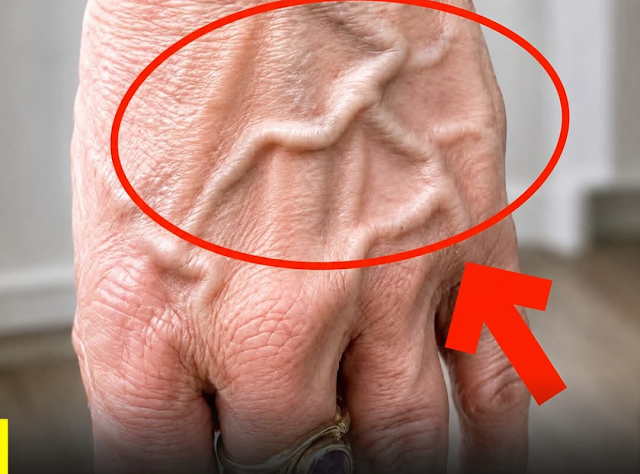
Have you ever looked down at your hands and noticed that the veins seem more visible than they used to be? Perhaps after gardening on a warm afternoon, finishing a workout, or simply catching your reflection in the sunlight, those blue or green lines suddenly appear much more pronounced.
For many people, especially as they get older, this simple observation immediately raises questions. Is it a sign of poor circulation? Could it indicate a hidden health problem? Or is it simply another normal part of aging?
The reassuring news is that, in the vast majority of cases, visible veins in the hands are completely normal. They are usually a reflection of natural changes in the skin, body composition, genetics, or temporary environmental factors rather than a warning sign of illness.
Our hands tell the story of our lives. They plant gardens, prepare meals, comfort loved ones, build homes, write letters, and carry countless memories. Over the years, they naturally change in appearance, and those changes often include veins becoming easier to see beneath the skin.
Rather than viewing visible veins as something alarming, it helps to understand why they become more noticeable and when—on the rare occasion—they might deserve medical attention.
Let’s explore what your hands may be quietly communicating.
Why Veins Become More Visible
Veins are an essential part of your circulatory system. Their job is to carry blood back toward the heart after oxygen has been delivered throughout the body. Because many veins in the hands lie just beneath the surface of the skin, even small changes in the skin or surrounding tissue can make them appear more prominent.
In most healthy adults, visible veins simply reflect normal anatomy.
Several everyday factors influence how noticeable they become.
1. Natural Changes That Come With Age
One of the most common reasons hand veins become more visible is the natural aging process.
As we grow older, our skin gradually produces less collagen and elastin—the proteins responsible for keeping skin firm, thick, and elastic. At the same time, the thin layer of fat beneath the skin slowly decreases.
Together, these changes create less cushioning between the skin and the veins.
The veins themselves haven’t necessarily changed very much.
Instead, the skin covering them has become thinner, allowing the underlying blood vessels to show through more clearly.
This is particularly noticeable on the hands because they experience years of daily movement, sun exposure, washing, and environmental wear.
Many dermatologists even consider the hands one of the earliest places where natural aging becomes visible.
Seeing more prominent veins as the years pass is therefore expected and, by itself, is not considered a medical problem.
2. Body Composition and Physical Fitness
People who are naturally lean often have more visible veins than those with higher amounts of body fat.
This is simply because there is less tissue covering the blood vessels.
Athletes frequently notice this phenomenon as well.
During exercise, muscles require increased oxygen and nutrients. Blood flow rises dramatically, causing veins to expand slightly as they return blood to the heart.
This temporary enlargement—often called vascularity—is especially noticeable after:
- Weight training
- Running
- Cycling
- Gardening
- Heavy lifting
- Outdoor work
Once the body cools down and circulation returns to its resting state, the veins usually become less prominent again.
For physically active individuals, visible veins are often viewed as a sign of healthy circulation rather than poor health.
3. Heat, Hydration, and Everyday Conditions
Temperature has a surprisingly large influence on how veins look.
On warm days, your body naturally widens blood vessels to release excess heat through the skin.
As veins expand, they become easier to see.
This explains why many people notice their hand veins during:
- Summer weather
- Hot showers
- Warm baths
- Time in the sun
- After exercising
Hydration also plays a role.
When you’re mildly dehydrated, skin can appear slightly thinner and less plump, making veins stand out more than usual.
Fortunately, this effect is usually temporary.
Drinking water and allowing your body to cool often restores your hands to their usual appearance.
These everyday fluctuations are a normal part of how the body regulates temperature and circulation.
4. Genetics and Skin Tone Play a Major Role
Sometimes the simplest explanation is the correct one: visible veins often run in families.
If your parents or grandparents had noticeable veins on their hands, chances are you may develop them as well. Genetics influence everything from the thickness of your skin to the position of your veins and the amount of fat beneath the skin.
Skin tone also affects how visible veins appear. People with lighter complexions often notice blue or green veins more easily because there is less pigment to obscure the blood vessels beneath the surface. Individuals with darker skin tones may have equally healthy veins that are simply less noticeable.
Neither situation is better or worse—they are simply natural variations in human anatomy.
When Visible Veins Might Deserve Medical Attention
Although visible hand veins are usually harmless, there are situations where changes in your veins should be evaluated by a healthcare professional.
The key difference is that healthy visible veins are generally painless and stable over time. Sudden changes accompanied by discomfort or swelling deserve closer attention.
Consider contacting your healthcare provider if you notice:
- Sudden swelling of one hand or arm.
- A vein that becomes hard, painful, or unusually tender.
- Persistent redness or warmth over a vein.
- Significant bulging that develops rapidly.
- Skin discoloration around the affected area.
- Persistent pain that doesn’t improve.
These symptoms could indicate conditions such as inflammation of a vein (superficial thrombophlebitis), injury, or other vascular problems that require medical evaluation.
However, simply seeing veins beneath otherwise healthy skin is not, by itself, a warning sign.
Healthy Habits That Support Good Circulation
Even though visible veins are usually normal, maintaining a healthy circulatory system is always worthwhile. Fortunately, many simple daily habits help support healthy blood flow throughout the body.
Stay Well Hydrated
Water helps maintain healthy blood volume and supports proper circulation.
Aim to drink fluids regularly throughout the day, especially during hot weather or after physical activity.
Keep Moving
Regular exercise strengthens the heart and improves circulation.
Walking, swimming, cycling, gardening, stretching, and light strength training all encourage healthy blood flow while supporting muscles and joints.
Protect Your Skin
Because aging skin naturally becomes thinner, protecting it from excessive sun exposure can help maintain its health.
Consider:
- Using sunscreen on your hands.
- Wearing gloves while gardening.
- Moisturizing regularly.
- Avoiding excessive sun damage.
Healthy skin provides better protection for the structures beneath it.
Eat a Balanced Diet
Foods rich in vitamins, antioxidants, healthy fats, and protein help support both skin and blood vessel health.
A diet that includes fruits, vegetables, whole grains, lean proteins, and healthy fats contributes to overall vascular wellness.
Common Myths About Visible Hand Veins
Many misconceptions surround visible veins. Let’s separate fact from fiction.
Myth: Visible veins mean poor circulation.
Reality: In most healthy people, prominent veins actually indicate that blood is returning efficiently to the heart.
Myth: Only older adults develop visible veins.
Reality: Lean young adults, athletes, and individuals with naturally thin skin often have very noticeable veins.
Myth: Blue veins mean your blood is blue.
Reality: Human blood is always shades of red. Veins appear blue because of the way light interacts with skin and underlying tissues.
Myth: Visible veins always indicate disease.
Reality: The overwhelming majority of visible hand veins are completely normal and require no treatment.
Appreciating the Story Your Hands Tell
Our hands quietly record the story of our lives.
They reveal years of work, creativity, caregiving, gardening, cooking, writing, building, and comforting others.
Visible veins are often simply another chapter in that story.
Rather than viewing them as imperfections, many people come to see them as symbols of experience and resilience. They remind us that our bodies naturally evolve over time, adapting to decades of movement, strength, and everyday living.
Just as laughter lines reflect years of smiling, visible veins often reflect healthy circulation combined with the natural changes that accompany life.
Understanding these changes can replace unnecessary worry with reassurance and appreciation for the remarkable way our bodies continue to support us every day.
Frequently Asked Questions
Are visible hand veins a sign of good circulation?
In most cases, yes. Prominent hand veins often indicate that blood is flowing efficiently back to the heart. They are especially common in healthy, active, and lean individuals. Unless they are accompanied by pain, swelling, redness, or other unusual symptoms, visible veins are usually considered a normal anatomical feature rather than a medical concern.
Can dehydration make veins more noticeable?
Yes. Mild dehydration can reduce blood volume slightly and make the skin appear less plump, allowing veins to stand out more clearly. Drinking enough water throughout the day usually helps restore normal hydration and may make veins appear less prominent.
Why do my veins become more visible after exercise?
Physical activity increases blood flow to your muscles. To help regulate body temperature and improve circulation, veins temporarily expand. This makes them appear larger and more noticeable during and shortly after exercise. As your body returns to its resting state, your veins generally return to their usual appearance.
Should I worry if my veins suddenly become much larger?
A sudden change deserves attention, especially if it is accompanied by pain, warmth, swelling, redness, or tenderness. While many changes are still harmless, these symptoms could indicate inflammation or another vascular condition that should be evaluated by a healthcare professional.
Can anything reduce the appearance of visible veins?
If the veins are simply a normal result of aging or genetics, treatment usually isn’t necessary. Staying hydrated, protecting your skin from excessive sun exposure, maintaining a healthy weight, and moisturizing regularly can help improve the overall appearance of your hands. Cosmetic treatments are available for people bothered by prominent veins, but they should only be considered after consultation with a qualified medical specialist.
A Final Thought
Our hands tell the story of our lives.
They have prepared meals for loved ones, comforted children during difficult moments, planted gardens, carried groceries, written letters, applauded celebrations, and held the hands of those who mattered most. It is only natural that they change as the years pass.
Visible veins are often one of those quiet changes that surprise us at first. Yet, more often than not, they are simply a reflection of healthy circulation, natural aging, genetics, or an active lifestyle—not a warning that something is wrong.
Rather than viewing these changes with fear, we can choose to see them with understanding. Every line, every wrinkle, and every visible vein is part of the remarkable body that has carried us through countless experiences.
Of course, paying attention to your health remains important. If you ever notice sudden swelling, pain, redness, or dramatic changes in your veins, seeking medical advice is the right step. Early evaluation provides peace of mind and helps identify the rare situations that truly need treatment.
For everyone else, however, visible hand veins are usually nothing more than another reminder that our bodies continue to adapt beautifully throughout life.
The next time you notice those blue or green lines beneath your skin, remember that they are not flaws to hide. They are quiet evidence of an extraordinary circulatory system working every second of every day to keep you alive, healthy, and moving forward.
Sometimes, what first appears unusual is simply another expression of the body’s incredible design.
Disclaimer: This article is intended for general educational purposes only and should not replace professional medical advice, diagnosis, or treatment. If you have concerns about changes in your veins or your overall health, consult a qualified healthcare provider.
More Home Remedies
- Wrinkled Fingers After Water Exposure: What Your Skin May Be Telling You
- Skin Rash With Breathing Trouble? It Could Be a Life-Threatening Allergic Reaction
- I Thought It Was a Piece of Trash on the Bathroom Floor—Until It Moved
- If You Are Getting White Pimples on Your Lips or Intimate Area, Here’s What They Could Mean