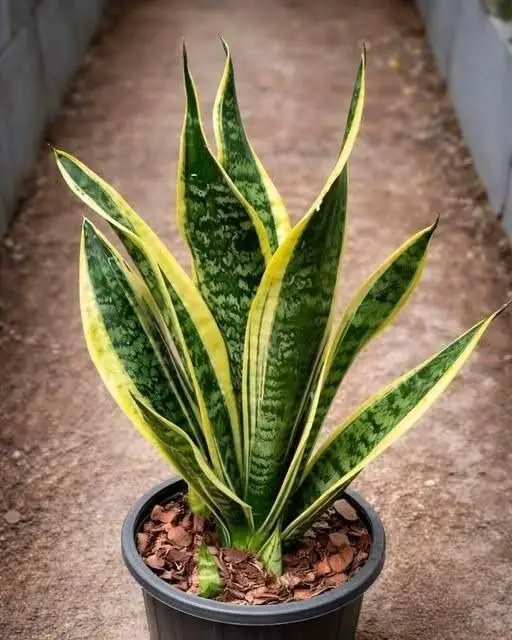
Seven years ago, I bought a snake plant out of desperation.
I had managed to kill nearly every houseplant that crossed my path. Succulents shriveled. Ferns faded. Even supposedly indestructible plants surrendered under my care.
At the garden center, an employee pointed toward a tall plant with striking sword-like leaves and said, “If you can’t keep this alive, nothing will survive.”
I took the challenge.
Today, that same snake plant stands proudly in my home, thriving through forgotten watering schedules, apartment moves, and seasons of neglect. More surprisingly, I learned that this hardy plant offers far more than good looks. It quietly contributes to a healthier, calmer indoor environment every day.
What Is a Snake Plant?
The snake plant, scientifically known as Dracaena trifasciata, was formerly classified as Sansevieria trifasciata. Native to West Africa, it has become one of the world’s most popular houseplants.
Its tall, upright leaves feature distinctive green patterns often edged with yellow. Because of its sharp appearance, it is commonly called:
- Snake Plant
- Mother-in-Law’s Tongue
- Devil’s Tongue
- Viper’s Bowstring Hemp
What makes it remarkable is its ability to thrive under conditions that would challenge many other houseplants.
Why Snake Plants Are So Popular
Unlike many houseplants that require constant attention, snake plants tolerate:
- Low light
- Irregular watering
- Dry indoor air
- Temperature fluctuations
- Neglect
For busy homeowners, apartment dwellers, and beginner gardeners, this resilience makes the snake plant an easy choice.
However, durability is only part of the story.
1. Helps Improve Indoor Air Quality
One of the most celebrated benefits of snake plants comes from their ability to help remove certain airborne pollutants.
NASA’s Clean Air Study identified snake plants as effective at absorbing compounds commonly found indoors, including:
- Formaldehyde
- Benzene
- Trichloroethylene
- Xylene
- Toluene
These substances may be released from furniture, paint, cleaning products, flooring materials, and household items.
While a single plant won’t completely purify an entire house, several healthy plants can contribute to a cleaner indoor environment.
2. Releases Oxygen at Night
Most plants release oxygen during daylight hours and reduce gas exchange after sunset.
Snake plants are different.
They use a process called CAM photosynthesis, allowing them to continue oxygen production during nighttime hours.
This makes them especially popular bedroom plants because they continue contributing to air quality while you sleep.
Although the effect is modest, many people appreciate having a plant that works around the clock.
3. Adds Moisture to Indoor Air
Indoor air can become extremely dry during winter months or in air-conditioned environments.
Snake plants naturally release moisture through transpiration. As water evaporates from the leaves, humidity levels may increase slightly around the plant.
Higher humidity can help reduce:
- Dry skin
- Dry nasal passages
- Irritated throats
- Static electricity
When combined with other houseplants, the effect becomes even more noticeable.
4. Supports Mental Well-Being
Research consistently shows that indoor plants can have positive psychological effects.
Houseplants have been associated with:
- Reduced stress
- Improved mood
- Increased productivity
- Enhanced concentration
- Greater feelings of calm
The snake plant’s upright structure adds a sense of order and balance to indoor spaces. Its clean lines complement modern, minimalist, traditional, and contemporary décor alike.
Sometimes simply caring for a living thing can create a small daily ritual that promotes mindfulness and relaxation.
5. Extremely Low Maintenance
The biggest reason many people fall in love with snake plants is simple:
They’re hard to kill.
Unlike high-maintenance plants, snake plants forgive mistakes.
Forget to water them for several weeks? They’ll probably be fine.
Place them in moderate lighting? They’ll adapt.
Skip fertilizer? They won’t complain.
This forgiving nature makes them ideal for:
- Beginners
- Frequent travelers
- Busy families
- Office environments
- College students
How to Care for a Snake Plant
Light
Snake plants tolerate low light but thrive in bright, indirect sunlight.
Avoid prolonged exposure to intense direct sunlight, which may scorch leaves.
Water
The most common mistake is overwatering.
Allow soil to dry completely between waterings.
Generally:
- Every 2–3 weeks in warmer months
- Every 4–6 weeks during winter
Soil
Use a well-draining cactus or succulent mix.
Proper drainage prevents root rot, the leading cause of snake plant failure.
Temperature
Snake plants prefer temperatures between 60°F and 85°F (15°C–29°C).
Protect them from frost and cold drafts.
Fertilizer
Feed lightly during spring and summer if desired.
One application of diluted houseplant fertilizer every few months is usually sufficient.
Best Places to Put a Snake Plant
Bedroom
Ideal for nighttime oxygen production and easy care.
Living Room
Adds height and visual interest to corners.
Home Office
Creates a calming workspace while requiring minimal attention.
Bathroom
Thrives in humid conditions and tolerates lower light levels.
Entryway
Makes a strong first impression with its architectural appearance.
Common Problems and Solutions
Yellow Leaves
Usually caused by overwatering.
Allow soil to dry and reduce watering frequency.
Soft, Mushy Leaves
A sign of root rot.
Remove affected roots and repot in fresh soil.
Brown Tips
May result from inconsistent watering or fluoride in tap water.
Slow Growth
Often caused by insufficient light.
Move the plant to a brighter location.
Pet Safety
Snake plants are mildly toxic if ingested by cats or dogs.
Symptoms may include:
- Nausea
- Vomiting
- Drooling
Pet owners should place plants where curious animals cannot reach them.
Final Thoughts
In a world filled with high-maintenance gadgets, subscriptions, and responsibilities, the snake plant offers something refreshingly simple.
It asks for very little.
A little light.
A little water.
A little space.
In return, it rewards you with beauty, resilience, cleaner air, and a sense of calm that quietly enriches your home every day.
If you’ve struggled with houseplants in the past, start with a snake plant.
It may just become the easiest—and most rewarding—green companion you’ve ever owned.
More Home Remedies
- Wrinkled Fingers After Water Exposure: What Your Skin May Be Telling You
- Skin Rash With Breathing Trouble? It Could Be a Life-Threatening Allergic Reaction
- I Thought It Was a Piece of Trash on the Bathroom Floor—Until It Moved
- If You Are Getting White Pimples on Your Lips or Intimate Area, Here’s What They Could Mean