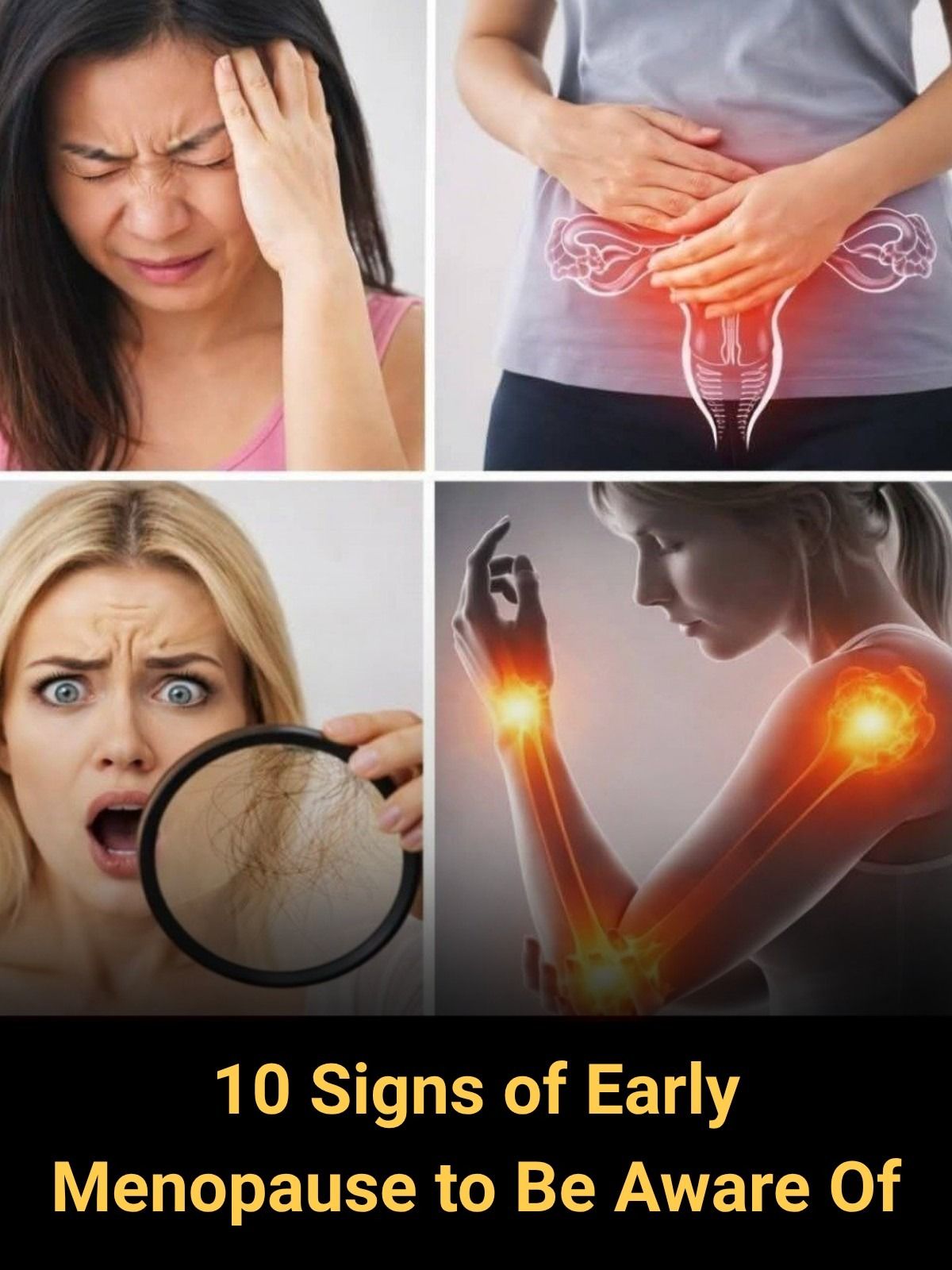
Early Menopause Signs can appear subtly at first, yet they often signal important hormonal changes that deserve attention. While menopause typically occurs later in life, some women experience symptoms earlier, which can affect daily comfort, mood, and overall well-being. Recognizing these signs early helps you respond proactively and take better care of your health.
I remember a friend once mentioning how she felt “off” for months—tired, irritable, and dealing with unexpected changes in her body. At first, she brushed it off as stress. However, after noticing patterns and speaking with a doctor, she realized these were early menopause signs. That moment changed how she approached her health, making her more mindful and proactive.
Understanding Early Menopause
What Early Menopause Means
Early menopause occurs when hormonal changes begin before the typical age range. These changes primarily involve declining estrogen levels, which affect multiple systems in the body.
As a result, symptoms can vary widely. Some women experience physical discomfort, while others notice emotional or mental changes. Because these symptoms can overlap with other conditions, they are sometimes overlooked.
However, paying attention to your body helps you identify patterns and take action sooner.
Why It Happens
Several factors can contribute to early menopause. Genetics often play a role, meaning family history can influence timing. Additionally, medical conditions, lifestyle factors, or certain treatments may trigger earlier hormonal shifts.
While not all causes are preventable, understanding potential triggers allows for better awareness. This knowledge empowers you to make informed decisions about your health.
Common Physical Signs to Watch For
Changes in Your Cycle and Body
One of the earliest signs involves changes in menstrual cycles. Periods may become irregular, lighter, or heavier than usual. These fluctuations often signal shifting hormone levels.
Additionally, some women experience hot flashes or night sweats. These sudden waves of heat can feel intense and may disrupt sleep.
Another common symptom includes joint discomfort or muscle aches. Hormonal changes can influence inflammation, leading to stiffness or soreness.
Fatigue and Sleep Disturbances
Feeling constantly tired despite adequate rest can be another early sign. Hormonal imbalance often affects sleep quality, making it harder to feel refreshed.
Night sweats may also interrupt sleep, creating a cycle of fatigue. Over time, this can impact energy levels and daily productivity.
Because these symptoms can develop gradually, they are sometimes mistaken for general stress or lifestyle factors.
Emotional and Cognitive Changes
Mood Swings and Irritability
Hormonal fluctuations can influence mood significantly. You may notice increased irritability, anxiety, or sudden mood swings.
These emotional changes can feel overwhelming, especially when combined with physical symptoms. However, understanding the cause can make them easier to manage.
Practicing stress-reducing activities such as exercise or mindfulness can help support emotional balance.
Difficulty Concentrating
Some women report trouble focusing or remembering things clearly. This “brain fog” can affect work, daily tasks, and overall confidence.
Although it can feel frustrating, it is often temporary and linked to hormonal changes. Maintaining a healthy routine can help improve mental clarity over time.
Other Signs You Shouldn’t Ignore
Hair Thinning and Skin Changes
Hormonal shifts can affect hair and skin health. Some women notice increased hair shedding or thinning over time.
At the same time, skin may become drier or less elastic. These changes occur gradually but can become noticeable if not addressed.
Using gentle hair and skincare routines can help manage these effects.
Changes in Reproductive Health
Vaginal dryness or discomfort may also occur due to reduced estrogen levels. This can affect daily comfort and intimacy.
Additionally, libido may change, either increasing or decreasing. These shifts are normal but can feel confusing without proper understanding.
If symptoms become uncomfortable, seeking professional advice can provide helpful solutions.
Frequently Asked Questions
1. What age is considered early menopause?
Early menopause typically occurs before age 45.
2. Can early menopause be treated?
While it cannot be reversed, symptoms can be managed with lifestyle changes or medical support.
3. Are these symptoms permanent?
Many symptoms improve over time as the body adjusts.
4. Should I see a doctor if I notice signs?
Yes, professional guidance helps confirm causes and provide support.
5. Can lifestyle changes help?
Yes, healthy eating, exercise, and stress management can make a difference.
Conclusion
Early Menopause Signs can affect both physical and emotional health, but recognizing them early makes a meaningful difference. By paying attention to changes in your body, you can take steps to manage symptoms and maintain your well-being.
Although the experience varies for everyone, awareness is key. With the right approach, support, and care, you can navigate these changes confidently and continue to feel your best every day.
More Home Remedies
- Wrinkled Fingers After Water Exposure: What Your Skin May Be Telling You
- Skin Rash With Breathing Trouble? It Could Be a Life-Threatening Allergic Reaction
- I Thought It Was a Piece of Trash on the Bathroom Floor—Until It Moved
- If You Are Getting White Pimples on Your Lips or Intimate Area, Here’s What They Could Mean