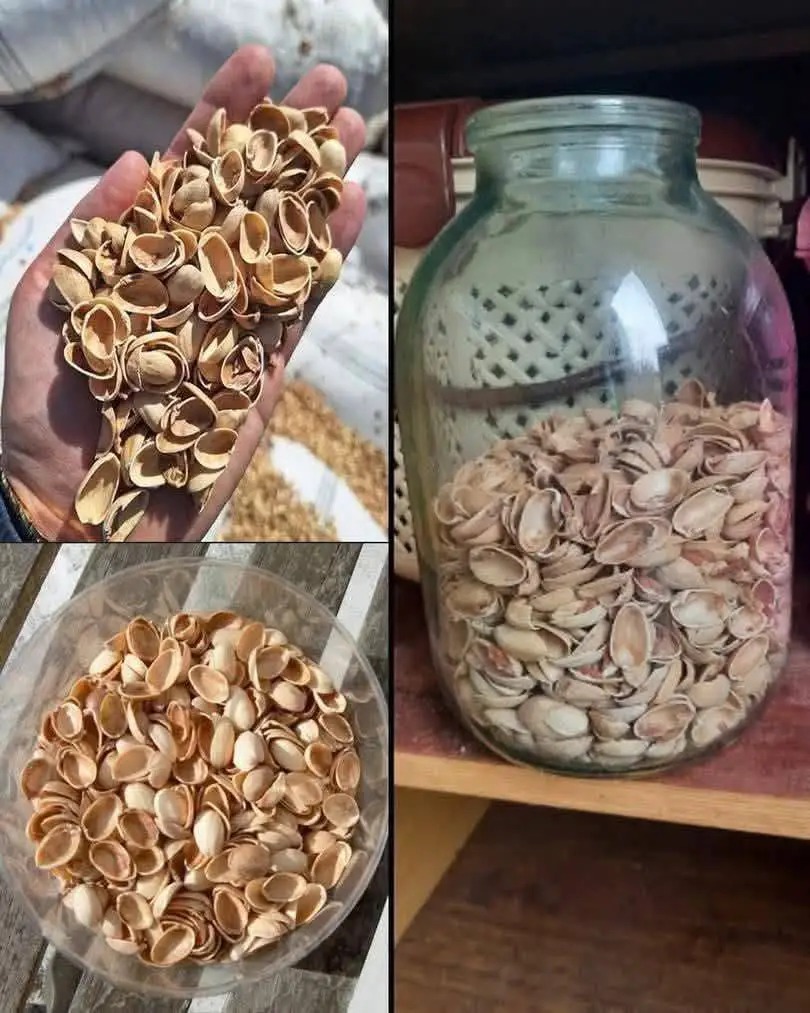
Most people don’t give pistachio shells a second thought.
After enjoying the salty, nutty snack inside, the empty shells usually end up in the trash without hesitation.
Yet for gardeners, composters, and anyone interested in reducing household waste, those discarded shells may have more value than they appear.
In fact, pistachio shells can become a surprisingly useful addition to gardens, potted plants, compost piles, and landscaping projects.
While they won’t replace every commercial soil amendment on the market, they can contribute to healthier soil, improved drainage, and a more sustainable gardening routine.
The best part?
They cost absolutely nothing.
If you already enjoy pistachios, you’re producing a potentially useful gardening material every time you open a bag.
Let’s explore how pistachio shells can be repurposed, what benefits they provide, and the safest ways to use them in your garden.
Why Pistachio Shells Deserve a Second Life
Pistachio shells are made primarily of lignin and cellulose, the same structural compounds found in wood and many plant materials.
This makes them:
- Durable
- Slow to decompose
- Resistant to compaction
- Useful for improving soil structure
Unlike soft fruit peels or vegetable scraps that break down quickly, pistachio shells persist for much longer.
That durability can be an advantage when used correctly.
Many gardeners are constantly searching for materials that improve soil aeration while helping maintain a healthy growing environment.
Pistachio shells can contribute to those goals while keeping waste out of landfills.
The First and Most Important Step: Remove the Salt
Before using pistachio shells outdoors, one issue must be addressed.
Salt.
Many commercially sold pistachios are heavily salted.
Excess salt can damage plant roots and negatively affect soil health.
If the shells came from unsalted pistachios, this step is largely unnecessary.
However, if the shells came from salted varieties, they should be thoroughly rinsed before use.
How to Desalinate Pistachio Shells
A simple process works well:
- Place shells in a large bowl.
- Rinse thoroughly under running water.
- Cover with fresh water.
- Allow them to soak for 12–24 hours.
- Change the water once or twice during soaking.
- Drain completely.
This process removes much of the surface salt and makes the shells safer for garden applications.
Drying the Shells Properly
After soaking, the shells must be dried thoroughly.
Moist shells are difficult to grind and may develop mold during storage.
Sun Drying
Spread the shells in a single layer outdoors.
Allow them to dry for several days in direct sunlight.
Oven Drying
For faster results:
- Spread shells on a baking sheet.
- Use a low temperature.
- Dry until they become brittle.
Complete drying makes further processing easier and improves shelf life.
Whole Shells vs. Ground Shells
Gardeners can use pistachio shells in several different forms.
Each has its own advantages.
Whole Shells
Best for:
- Mulching
- Decorative pathways
- Weed suppression
- Moisture retention
Crushed Shells
Best for:
- Drainage improvement
- Compost enhancement
- Slug barriers
Ground Shell Powder
Best for:
- Soil amendment
- Potting mix enhancement
- Faster decomposition
The ideal choice depends on the intended application.
Can Pistachio Shells Replace Perlite?
Some gardening articles compare crushed pistachio shells to perlite.
While the comparison isn’t entirely accurate, there are similarities.
Perlite is a lightweight volcanic material designed to improve aeration and drainage.
Crushed pistachio shells can also create air pockets within soil.
However, there are important differences:
| Feature | Perlite | Pistachio Shells |
|---|---|---|
| Weight | Very light | Heavier |
| Decomposition | Does not decompose | Breaks down slowly |
| Water retention | Moderate | Moderate |
| Sustainability | Mined product | Recycled household waste |
Pistachio shells won’t completely replace perlite in every situation, but they can provide similar benefits in certain applications.
Using Pistachio Shells to Improve Soil
One of the most practical uses involves improving soil structure.
For Heavy Clay Soil
Clay soil tends to compact easily.
Compacted soil restricts:
- Root growth
- Oxygen movement
- Water infiltration
Adding crushed organic materials helps loosen the soil over time.
Pistachio shell fragments contribute structure and improve drainage.
For Sandy Soil
Sandy soil often drains too quickly.
As shell particles gradually decompose, they contribute organic matter that helps the soil retain moisture more effectively.
Although the effect is gradual, it can support long-term soil improvement.
A Useful Addition to Compost
Compost requires balance.
Successful composting generally depends on combining:
Green Materials
Examples include:
- Vegetable scraps
- Grass clippings
- Coffee grounds
Brown Materials
Examples include:
- Dry leaves
- Cardboard
- Straw
- Wood products
Pistachio shells belong in the brown category.
Because they decompose slowly, they provide long-term structure within the compost pile.
They also help improve airflow, which supports beneficial microbial activity.
A Note About Patience
Unlike banana peels or lettuce leaves, pistachio shells do not disappear quickly.
They may remain visible for many months.
That’s perfectly normal.
Their slow breakdown is part of what makes them useful.
Natural Mulch for Garden Beds
Whole shells can function as a lightweight mulch layer.
Benefits may include:
- Reduced weed growth
- Improved moisture retention
- Reduced soil erosion
- Decorative appearance
Mulch also helps regulate soil temperature by insulating the surface from extreme heat and cold.
While pistachio shells won’t replace traditional mulch on a large scale, they work well around individual plants or in containers.
Can Pistachio Shells Deter Slugs and Snails?
Many gardeners use coarse shell fragments as a barrier against soft-bodied pests.
The idea is simple:
Slugs and snails prefer smooth surfaces.
Sharp, jagged materials create a less comfortable path.
Crushed shells can therefore act as a mild deterrent.
However, it’s important to maintain realistic expectations.
Shell barriers may help reduce pest activity, but they are rarely a complete solution for severe infestations.
A Decorative Top Dressing for Containers
Container gardeners often look for attractive alternatives to exposed soil.
A thin layer of pistachio shells can:
- Improve appearance
- Reduce soil splashing
- Slow moisture evaporation
- Discourage minor weed growth
The natural texture provides visual interest while serving practical purposes.
Environmental Benefits of Reusing Pistachio Shells
One reason this gardening technique continues to gain popularity is its sustainability.
Repurposing shells:
- Reduces household waste
- Extends the usefulness of natural materials
- Encourages composting
- Supports circular resource use
Small habits often add up over time.
A household that regularly consumes pistachios may divert hundreds or even thousands of shells from the waste stream each year.
Common Mistakes to Avoid
Like any gardening material, pistachio shells should be used thoughtfully.
Mistake #1: Using Salted Shells Without Rinsing
Residual salt can damage sensitive plants.
Always clean salted shells thoroughly.
Mistake #2: Applying Thick Layers
Heavy shell layers may restrict water penetration.
Moderation works best.
Mistake #3: Expecting Instant Results
Shells improve soil gradually.
Their benefits appear over time rather than overnight.
Mistake #4: Assuming They Add Significant Nutrients
Pistachio shells primarily improve structure.
They are not a major fertilizer source.
Plants still require proper nutrition through compost or other amendments.
Which Plants Benefit Most?
Pistachio shell amendments may be especially useful around:
- Herbs
- Vegetables
- Flower beds
- Houseplants
- Container gardens
- Raised beds
Plants that appreciate good drainage often benefit most from improved soil aeration.
The Bigger Gardening Lesson
Perhaps the most valuable aspect of this practice goes beyond the shells themselves.
It encourages a different way of thinking.
Gardeners often learn to see potential where others see waste.
Coffee grounds become compost.
Leaves become mulch.
Vegetable scraps become soil.
And pistachio shells become another useful resource.
This mindset helps create gardens that are both productive and environmentally responsible.
Final Thoughts
Pistachio shells may seem insignificant, but they can serve a meaningful purpose in the garden.
With proper cleaning and preparation, they can help:
- Improve soil structure
- Support composting
- Reduce waste
- Enhance drainage
- Provide decorative mulch
- Contribute to more sustainable gardening practices
No single gardening trick transforms a landscape overnight.
Yet many successful gardens are built through small, thoughtful decisions repeated consistently over time.
Saving and reusing pistachio shells is one of those decisions.
The next time you enjoy a handful of pistachios, consider looking at the empty shells differently.
Instead of seeing trash, you may be holding the beginning of healthier soil, a richer compost pile, and a slightly greener approach to gardening.
Sometimes the most useful gardening tools aren’t purchased at a garden center.
Sometimes they’re sitting in a snack bowl on the kitchen table.