Protect Your Home and Wallet: Unplug These 5 Appliances When You’re Done Using Them is more than a simple reminder about saving electricity. Many household devices continue using a small amount of power after you switch them off. Others contain heating elements, batteries, transformers, clocks, or electronic controls that make unplugging them a sensible habit when they are no longer needed.
You do not need to unplug every appliance in your house after every use. In fact, refrigerators, freezers, security equipment, medical devices, and other appliances designed for continuous operation should generally stay connected. Instead, focus on portable appliances, chargers, entertainment equipment, and heat-producing tools that do not need constant power.
I started paying closer attention to plugged-in devices after noticing how many outlets remained occupied overnight. A phone charger sat beside the couch with nothing attached. The coffee maker displayed its clock all day. Meanwhile, a television, streaming device, and game console remained ready for instant use even when nobody was watching them. None of those devices seemed important individually. However, seeing them together changed my perspective. I began switching off a power strip at night and unplugging countertop and grooming appliances after use. The routine took only seconds, yet it made the house feel more organized and reduced unnecessary standby power.
Why Unplugging Certain Appliances Makes Sense
Understanding standby and phantom power
Some electrical devices do not stop consuming electricity simply because you press the power button. Instead, they enter standby mode.
This low-level consumption often gets called standby power, phantom load, or vampire power. A television may wait for a signal from its remote. A game console may maintain network functions. Similarly, a microwave may keep its clock and control panel active.
Chargers and power adapters can also consume small amounts of electricity while they remain connected to an outlet. Modern efficient chargers usually draw very little power without a device attached. Nevertheless, that consumption serves no practical purpose when you are not charging anything.
However, the amount varies considerably between products. Therefore, avoid assuming that every plugged-in appliance wastes a large amount of electricity. Older electronics and equipment with extensive standby features may consume more than newer, efficiency-focused products.
You can use a plug-in electricity monitor if you want to identify which devices consume meaningful standby power in your home. That approach gives you actual measurements rather than guesses.
Energy savings are only part of the picture
Saving electricity provides one reason to unplug selected appliances. However, convenience and sensible electrical habits matter too.
For example, a curling iron does not need to remain connected after you finish styling your hair. Likewise, an unused toaster or portable heater has no reason to stay energized.
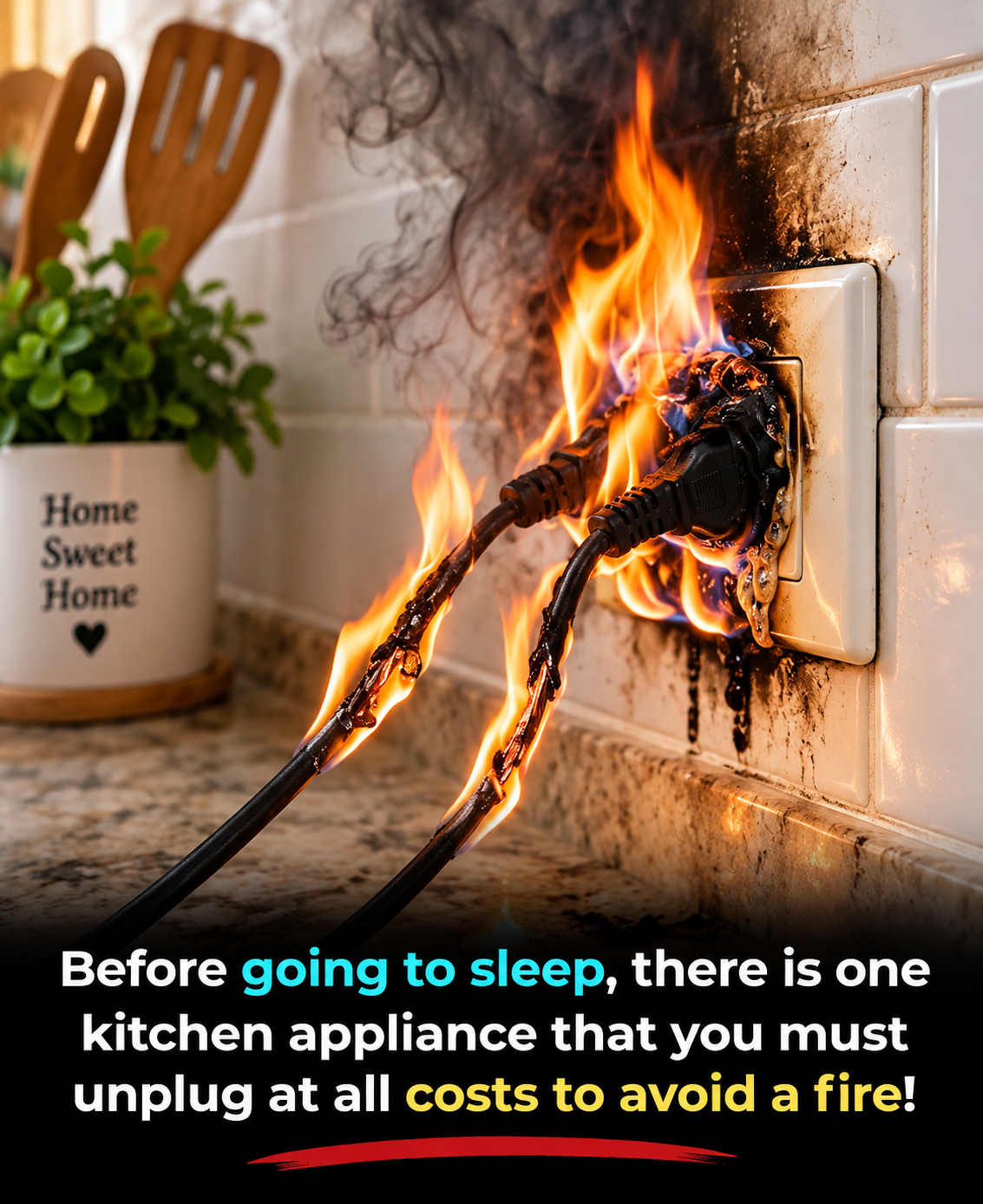
Heat-producing appliances deserve particular attention because their normal operation involves high temperatures. You should always switch them off correctly and follow the manufacturer’s safety instructions. Then, when appropriate, unplug them after use.
Unplugging also physically disconnects an appliance from normal mains power. However, you should not treat that habit as a substitute for proper electrical safety. Damaged cords, loose outlets, overloaded circuits, and malfunctioning appliances require attention regardless of whether you normally unplug devices.
Furthermore, unplugging should never involve pulling on a cord. Instead, grip the plug firmly and remove it from the outlet. Replace damaged plugs or cords rather than continuing to use them.
5 Appliances and Devices Worth Unplugging After Use
Kitchen appliances and personal electronics
First, consider coffee makers, toasters, electric kettles, blenders, air fryers, and similar countertop appliances. Many of these products only need electricity while you actively use them.
Some models include displays, clocks, touch controls, or other electronic features. Therefore, they may consume standby electricity between uses. More importantly, unplugging portable heating appliances after they cool can become a useful part of your kitchen routine.
Next, look at phone, tablet, and laptop chargers. Modern chargers can be highly efficient, so an empty charger generally does not represent the biggest energy expense in a home. Still, leaving dozens of adapters connected continuously creates unnecessary standby consumption.
Unplug chargers when convenient, particularly if you will not use them for an extended period. Additionally, inspect cables and adapters regularly. Stop using equipment that becomes unusually hot, shows physical damage, or has exposed wiring.
You can make the habit easier by creating dedicated charging areas. Once charging finishes, disconnect the device and switch off the power source when appropriate.
Entertainment equipment, styling tools, and microwaves
Third, consider televisions, game consoles, streaming devices, speakers, and related entertainment equipment. These products often use standby modes so they can start quickly, respond to remote controls, maintain network connections, or perform background functions.
Instead of unplugging five individual plugs every night, connect suitable entertainment devices to an appropriately rated switched power strip. Then, one switch can disconnect several devices.
However, check the manufacturer’s guidance first. Some equipment needs time to complete updates or shutdown procedures.
Fourth, hair dryers, curling irons, straighteners, and other heated styling tools make particularly good candidates for unplugging after use. Switch the appliance off, unplug it safely, and place it on a heat-resistant surface until it cools.
Finally, consider the microwave oven. A microwave may continuously power a clock and electronic controls. If you rarely use yours, disconnecting it between uses may reduce that standby load.
However, frequent unplugging may become inconvenient because you may need to reset the clock. A switched outlet or appropriately rated power-control solution can offer an easier alternative when compatible with the appliance.
How to Reduce Standby Electricity Without Creating Hassle
Use switched power strips strategically
You probably will not maintain an energy-saving routine if it becomes frustrating. Therefore, simplify the process.
A switched power strip can work especially well for a home entertainment setup. For example, a television, speakers, game console, and streaming equipment may occupy several outlets. Instead of disconnecting each plug individually, you may be able to switch off compatible devices together.
However, choose equipment that meets appropriate electrical standards and has enough capacity for the connected load. Never overload a power strip.
Also, do not assume every appliance belongs on one. High-power appliances may require direct wall connections according to their manufacturer instructions. Therefore, always follow the product manual.
Smart plugs can provide another convenient option for compatible devices. They can schedule power availability or make switching easier. However, smart plugs consume some electricity themselves, so they make the most sense when their convenience or control provides a meaningful benefit.
Most importantly, do not place essential equipment on a strip that someone could accidentally switch off. Refrigerators, freezers, security systems, internet equipment needed continuously, and medical devices may need uninterrupted electricity.
Build a simple daily routine
A routine works better than constantly worrying about every outlet.
For instance, take a quick look around the kitchen after breakfast. Switch off and unplug portable appliances that have finished their jobs. Next, disconnect chargers once you no longer need them.
After using hair-styling equipment, switch it off and unplug it immediately when the manufacturer’s directions recommend doing so. Then, allow it to cool safely away from combustible materials.
At night, you can switch off a suitable entertainment power strip after all connected devices have shut down correctly.
You do not need to become obsessive about tiny amounts of standby consumption. Instead, prioritize devices that remain unused for long periods or groups of electronics whose combined standby consumption becomes more meaningful.
Also, consider measuring electricity consumption before making major changes. An inexpensive energy monitor can show how much a plug-in appliance actually uses. Consequently, you can focus your efforts on devices that make a measurable difference.
The easiest energy-saving system is the one you can maintain consistently. A few well-chosen changes can accomplish more than an elaborate routine you abandon after a week.
What You Should Leave Plugged In
Appliances designed for continuous operation
Protect Your Home and Wallet: Unplug These 5 Appliances When You’re Done Using Them does not mean you should disconnect everything whenever you leave a room.
Refrigerators and freezers need continuous electricity to maintain safe temperatures. Consequently, routinely unplugging them makes little sense.
The same principle applies to equipment that performs an important continuous function. Depending on your household, that could include security systems, sump pumps, smoke or carbon-monoxide alarms that use mains power, networking equipment you need continuously, and certain accessibility or medical devices.
Furthermore, some modern appliances contain sophisticated electronics and specific shutdown requirements. Repeatedly cutting their electricity without checking the manual may interfere with clocks, settings, scheduled processes, updates, or other functions.
Therefore, decide which devices to unplug based on how they operate rather than applying one rule to your entire home.
If a manufacturer specifically instructs you to keep an appliance connected, follow those directions unless a qualified professional tells you otherwise.
When electrical problems need professional attention
Unplugging appliances cannot repair an electrical problem.
Pay attention to warning signs around outlets and electrical equipment. These can include recurring breaker trips, scorch marks, buzzing, damaged plugs, loose receptacles, burning odors, sparking, or unusual heat.
If you notice a serious electrical warning sign, stop using the affected equipment when you can do so safely. Then, seek help from a qualified electrician or appropriate service professional.
Likewise, replace damaged extension cords, adapters, and appliance cables rather than attempting unsafe temporary repairs.
Surge protection may also help protect appropriate electronics from certain voltage spikes. However, a surge protector does not make overloaded outlets or faulty wiring safe.
Ultimately, energy conservation works best alongside sound electrical practices. Disconnect unnecessary devices, use suitable power strips correctly, maintain your equipment, and follow manufacturer instructions.
That combination offers a practical way to reduce needless electricity consumption while keeping everyday household routines simple.
Frequently Asked Questions
Does unplugging appliances really save electricity?
Yes. Devices that consume standby power stop drawing electricity from the outlet when you unplug them. However, actual savings depend on the device. A modern charger may consume very little while idle, whereas multiple entertainment devices with active standby features can collectively use more.
Should I unplug my television every night?
You do not necessarily need to pull the television plug from the wall every night. Instead, an appropriately rated switched power strip can simplify disconnecting a compatible entertainment setup. Check your equipment instructions first because some devices perform updates or other functions while in standby mode.
Is it bad to leave a phone charger plugged in without a phone?
A modern, undamaged charger usually consumes only a small amount of electricity when no phone is connected. Nevertheless, unplugging an unused charger eliminates that standby consumption. Stop using any charger that becomes unusually hot or shows signs of damage.
Should I unplug my air fryer after every use?
Generally, unplugging a countertop cooking appliance after you finish using it and following its shutdown procedure provides a simple way to ensure it no longer receives mains electricity. Allow hot appliances to cool safely, and always follow the manufacturer’s specific instructions.
Which appliances should stay plugged in?
Keep appliances connected when they require continuous electricity for food preservation, safety, health, security, or another essential function. Refrigerators and freezers are obvious examples. Medical equipment and other critical devices should follow their manufacturer or professional guidance.
Conclusion
Protect Your Home and Wallet: Unplug These 5 Appliances When You’re Done Using Them can serve as a practical household habit rather than an extreme electricity-saving rule.
Start with countertop appliances, unused chargers, entertainment equipment, heated styling tools, and a microwave that sits idle for long periods. Focus especially on devices that have no reason to remain powered between uses.
At the same time, keep the potential savings in perspective. Modern electronics can have very low standby consumption, so unplugging one charger will not dramatically change an electricity bill. However, reducing unnecessary standby loads across many devices can still prevent wasted electricity.
Most importantly, combine energy-conscious habits with proper electrical safety. Follow manufacturer instructions, never overload power strips, replace damaged equipment, and leave essential appliances connected.
Small habits require little effort. When you apply them consistently, they can create a more efficient and thoughtfully managed home.
More Blog
- Drinking Water on an Empty Stomach — What Science Actually Supports (No Hype, Just Facts)
- Waking Up Between 3 and 5 AM? It Might Be Your Soul Trying to Talk to You
- What a “Bleach” Patch on Your Underwear Really Means — And Why It’s Actually a Good Sign
- This Drink May Weaken Your Bones From The Inside — But Everyone Drinks It Anyway