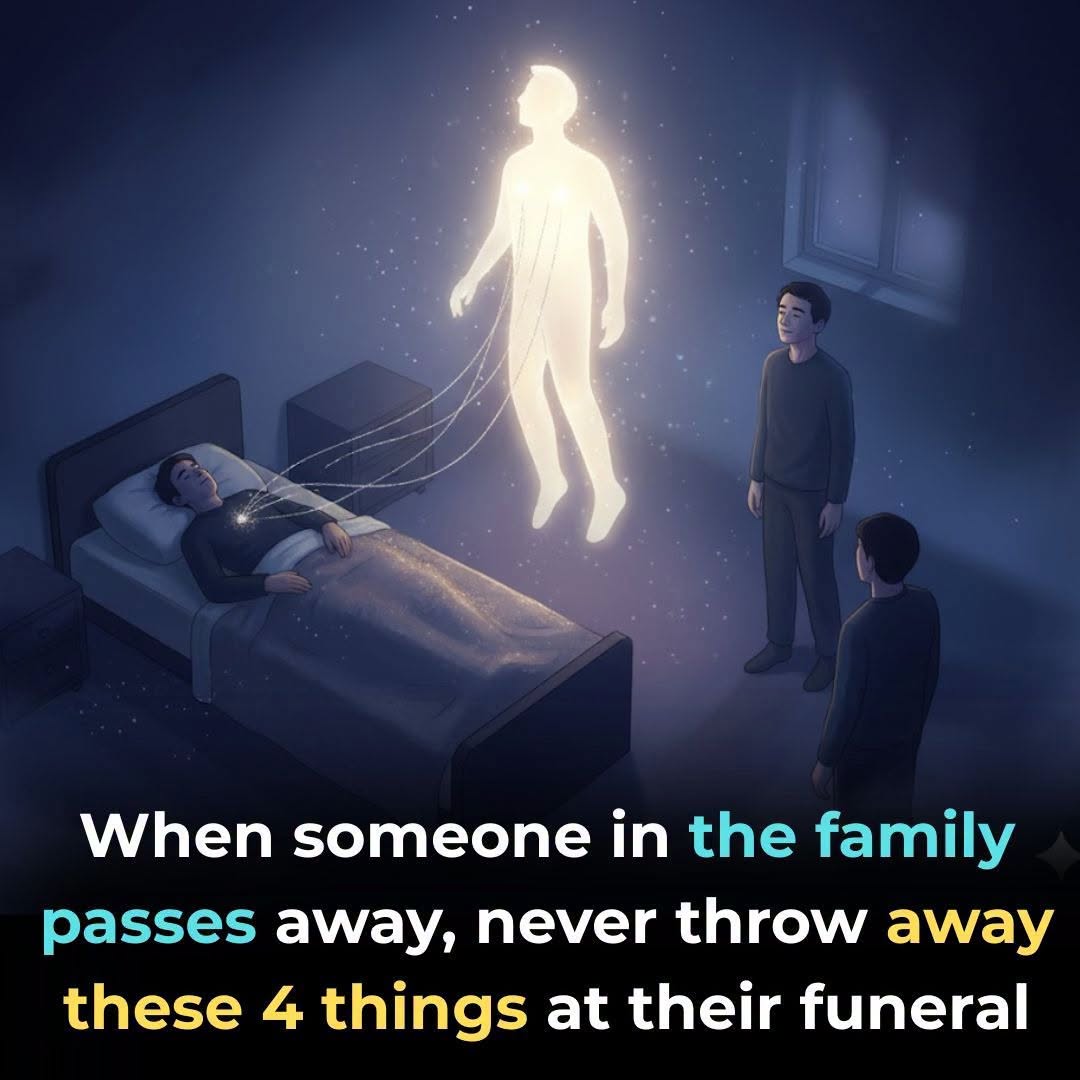
Never Throw Away These 4 Things at Their Funeral may sound like simple advice, but it can prevent painful regrets during one of life’s most emotional periods. After someone dies, families often face countless decisions at once. Funeral arrangements, visitors, paperwork, household responsibilities, and grief can make even ordinary tasks feel overwhelming.
During that confusion, someone may start cleaning drawers, emptying closets, sorting boxes, or discarding papers. Yet objects that look unimportant today can carry tremendous emotional, historical, or practical value later.
Four categories deserve particular care: personal letters and written notes, photographs and recordings, meaningful keepsakes, and important documents. Instead of making permanent decisions immediately, set uncertain items aside until everyone has enough time to review them.
After helping sort belongings following a family loss, I remember how ordinary everything looked at first. There were old cards, faded photographs, a well-used watch, notebooks, and stacks of papers that seemed ready for the trash. Weeks later, those same objects felt completely different. A handwritten birthday message captured a familiar sense of humor, while an old photograph answered questions about relatives nobody could clearly remember. Even a small everyday object became meaningful because everyone remembered seeing it for years. That experience taught me a lasting lesson: during grief, it is much easier to save something temporarily than to replace something discarded forever.
Save Personal Letters, Cards, and Handwritten Notes
Why Someone’s Handwriting Can Become Priceless
The first rule behind Never Throw Away These 4 Things at Their Funeral involves written memories. Letters, birthday cards, postcards, notebooks, recipes, calendars, journals, and even small handwritten notes can become irreplaceable after a loved one dies.
At first, a grocery list or note beside the telephone may look insignificant. However, handwriting carries personality. The shape of a person’s letters, the phrases they regularly used, and even their crossed-out words can instantly bring back memories.
Formal letters may contain important family history. Meanwhile, casual cards can reveal relationships and events that younger relatives never knew about.
Therefore, avoid judging written material too quickly.
Instead, create a temporary collection for anything handwritten. Family members can review it later when emotions settle.
Letters may also help future generations understand the person behind family stories. A grandchild who barely remembers a grandparent might someday treasure a handwritten note far more than an expensive household object.
Likewise, recipes deserve special attention. A stained recipe card can preserve family traditions and connect meals with birthdays, holidays, and gatherings.
However, respect privacy while sorting personal writing. Diaries, private correspondence, and sensitive notes may contain information the writer never intended to share widely.
Consequently, families should handle personal papers thoughtfully rather than immediately scanning or distributing everything.
The goal isn’t to preserve every scrap of paper forever. Instead, give meaningful written materials enough time for careful consideration before making an irreversible decision.
How to Preserve Letters and Paper Memories
Once you identify important papers, protect them from moisture, sunlight, heat, insects, and careless handling.
First, gently remove dust without using household cleaning sprays. Then, place important papers in acid-free folders, sleeves, envelopes, or archival storage boxes.
Avoid attaching tape directly to old letters or photographs because adhesive can discolor and damage paper over time.
Likewise, avoid folding fragile documents repeatedly. If an old letter already has creases, store it flat whenever practical.
Digital copies provide another layer of protection. Therefore, scan important letters, cards, recipes, certificates, and other family records.
Use descriptive filenames rather than random numbers. For example, include the person’s name, approximate date, sender, recipient, or occasion when you know those details.
Additionally, write down the story behind important objects while relatives still remember it.
A photograph of a handwritten letter has greater historical value when future family members know who wrote it, who received it, and why it mattered.
However, digital storage should supplement rather than automatically replace meaningful originals.
Keep backups in more than one location. Technology changes, drives fail, and accounts can become inaccessible. Therefore, maintain organized copies and review them periodically.
Most importantly, do not rush.
A box labeled “family papers — review later” provides a simple solution during an emotionally difficult week. You can always discard unnecessary material later, but once an original handwritten message disappears, no storage system can bring it back.
Protect Photographs, Videos, and Voice Recordings
Images and Voices Preserve More Than Appearance
The second part of Never Throw Away These 4 Things at Their Funeral involves photographs and recordings.
Old family photographs sometimes arrive in inconvenient forms. You may find loose prints inside drawers, albums with damaged pages, unidentified portraits, negatives, slides, old videotapes, memory cards, CDs, phones, or hard drives.
Do not discard them simply because nobody immediately recognizes the people pictured.
Instead, gather them in one place for later review.
Older relatives may identify faces, houses, celebrations, workplaces, or locations that younger family members cannot recognize. Therefore, asking questions now can preserve information that might otherwise disappear.
Videos hold another kind of memory. They capture gestures, expressions, movement, laughter, and interactions that photographs cannot preserve.
Voice recordings can feel particularly meaningful. A simple voicemail, birthday greeting, family video, or casual recording may contain a loved one’s voice long after everyday memories of that sound begin to fade.
Consequently, look beyond traditional photo albums.
Check old phones, cameras, memory cards, computers, external drives, videotapes, and other storage devices. However, respect privacy and applicable laws when accessing digital accounts or devices.
Photos also help preserve family history beyond the individual who died. Background details may show former homes, neighborhoods, cars, clothing, businesses, pets, and relatives.
Therefore, even an imperfect photograph can contain valuable information.
Before discarding duplicate prints, damaged albums, or unidentified pictures, consider digitizing them. Someone may recognize the people years later.
Create an Organized Family Archive
Preservation becomes much easier when you organize photographs instead of simply placing everything into another box.
Start with broad categories. For example, separate childhood photographs, weddings, holidays, vacations, military service, work, family gatherings, and unidentified images.
Next, record names and approximate dates whenever possible.
Use a soft pencil on an appropriate archival enclosure rather than pressing a pen into the back of a fragile photograph.
Store physical prints in a cool, dry place away from direct sunlight. Avoid damp basements, hot attics, and garages with large temperature changes.
For digital files, create clear folders and maintain multiple backups.
Old video and audio formats deserve special attention because playback equipment may become difficult to find. Therefore, consider transferring important tapes and recordings to current digital formats through a reputable service.
However, preserve original media when practical.
Family members can also create shared collections. Still, privacy matters, especially when photographs or recordings involve other people. Therefore, decide carefully who should receive access.
Another helpful approach involves creating a simple inventory.
Write down what exists, where the originals are stored, who has digital copies, and any stories connected with particular photographs.
This organization turns a pile of miscellaneous pictures into a meaningful family archive.
Most importantly, involve several relatives before discarding unidentified material. One person may see an unknown face, while another immediately recognizes an aunt, childhood neighbor, family friend, or long-forgotten relative.
Keep Meaningful Personal Objects and Heirlooms
Small Everyday Items Can Hold the Strongest Memories
The third category in Never Throw Away These 4 Things at Their Funeral includes personal keepsakes.
People naturally think about valuable jewelry, watches, antiques, and collectibles. However, emotional value doesn’t always match financial value.
A pair of glasses may have little resale value, yet a family member may instantly associate them with years of memories. The same can happen with a favorite scarf, coffee mug, pen, pocketknife, book, tool, hat, sewing kit, or piece of costume jewelry.
Therefore, avoid evaluating personal belongings only by price.
Instead, ask whether an object strongly represents the person who owned it.
Everyday possessions often become powerful memory triggers because relatives saw them repeatedly. A grandfather’s old toolbox, a mother’s favorite serving bowl, or an aunt’s gardening gloves may carry stories that an expensive but rarely used object cannot match.
Before donating or discarding household belongings, allow close relatives an opportunity to identify meaningful items.
However, families should also respect wills, estate instructions, ownership rights, and applicable inheritance laws. Sentimental value doesn’t override legal requirements.
Photographing items before distribution can also preserve their stories.
Additionally, write down why certain objects matter. Without context, future generations may see only an old watch. With a short note, they can learn who wore it, when they received it, and why the family preserved it.
You don’t need to keep an entire house to preserve someone’s memory.
Instead, thoughtful selection allows a small number of meaningful objects to carry powerful stories forward.
Preserve and Share Keepsakes Thoughtfully
After selecting important keepsakes, determine how to protect and distribute them.
Jewelry needs appropriate storage to prevent scratching, tarnishing, or loss. Therefore, use separate padded compartments or suitable jewelry boxes.
Textiles such as scarves, uniforms, quilts, or special clothing may require clean, dry, breathable storage.
Books need protection from moisture and pests. Meanwhile, photographs stored inside books should receive separate archival care.
Before cleaning an antique, collectible, or delicate heirloom, learn what treatment suits the material. Aggressive polishing or household cleaners can permanently damage some objects and reduce their historical or monetary value.
Furthermore, document important items before distributing them.
Take photographs and record the original owner’s name, approximate date, relevant story, and recipient.
If several relatives want the same object, avoid making emotional decisions during the funeral period whenever possible.
Instead, create a temporary inventory and discuss distribution later. Written estate instructions should guide the process when they exist.
Families can also share memories without dividing every object. For example, photograph a collection before separating it, or create a small digital album with captions explaining each item’s significance.
Sometimes, preserving one representative object works better than keeping dozens of similar items.
A carefully selected keepsake can provide a tangible connection without creating a burden for future generations.
Ultimately, the most important feature isn’t the object’s price. Its value comes from the story attached to it.
Secure Important Documents Before Discarding Paperwork
Legal and Financial Records Need Careful Review
The fourth part of Never Throw Away These 4 Things at Their Funeral involves documents that may affect an estate, property, insurance, taxes, accounts, and family responsibilities.
Never begin by throwing away paperwork simply because it looks old.
First, identify wills, trusts, insurance policies, property deeds, titles, tax records, bank information, investment statements, pension documents, contracts, identification records, birth and marriage certificates, military records, and other official documents.
Some records may help an executor or administrator locate assets and obligations.
Old correspondence can also reveal financial accounts, safe-deposit arrangements, professional contacts, subscriptions, memberships, or property interests.
Therefore, keep questionable financial and legal paperwork until an authorized person determines whether it matters.
However, protect sensitive information carefully.
Bank statements, tax records, identification numbers, passwords, medical documents, and account information should not sit in an open box where visitors can access them.
Instead, place important documents in a secure location.
Additionally, avoid sharing photographs of sensitive documents through casual group messages or public online storage.
Estate procedures vary by jurisdiction. Therefore, executors and families should follow local legal requirements and seek qualified professional advice when necessary.
Some documents require long-term retention, while others can eventually be destroyed securely.
Until you know which category applies, preserve rather than discard.
A few extra folders create little inconvenience. Losing an original document can create weeks or months of unnecessary difficulty.
Organize First and Make Decisions Later
A simple sorting system can make paperwork much easier to manage.
Create separate categories for legal documents, property, banking, insurance, taxes, identification, medical information, personal correspondence, and uncertain papers.
Then, label everything clearly.
Keep originals of critical documents protected from fire, water, and unauthorized access whenever possible.
Digital copies can provide useful backups, although some legal processes may still require originals or certified copies.
Therefore, do not destroy an original merely because you scanned it.
The person legally responsible for the estate should know where important records are stored.
Furthermore, families should avoid casually distributing paperwork among multiple households. Central organization can reduce confusion and prevent documents from disappearing.
Once legal and administrative matters conclude, review retention requirements before destroying unnecessary financial records.
Use secure shredding for documents containing personal or financial information rather than placing them intact in household trash.
This cautious approach explains the practical importance behind Never Throw Away These 4 Things at Their Funeral.
Not every saved paper will ultimately matter. However, families rarely know which documents matter most during the first emotional days after a death.
Therefore, preserve first, organize second, and decide later.
That sequence gives everyone more time to make careful choices while reducing the risk of losing something important forever.
Frequently Asked Questions
What are the four things you should never immediately throw away after a funeral?
The main categories are handwritten letters and personal papers, photographs and recordings, meaningful keepsakes, and important legal or financial documents. These items can carry emotional, historical, or practical value that isn’t immediately obvious.
Should families keep every belonging after someone dies?
No. Never Throw Away These 4 Things at Their Funeral doesn’t mean preserving every possession forever. Instead, avoid making irreversible decisions during the most emotional period. Set uncertain belongings aside, review them carefully, and involve appropriate relatives or estate representatives before discarding them.
What should I do with old photographs when nobody knows who is pictured?
Keep them temporarily and ask older relatives whether they recognize the people, places, or events. Additionally, digitize important photographs and record any information you discover. Future relatives may eventually identify images that remain mysterious today.
Should important documents be scanned?
Yes, digital copies can provide valuable backups. However, scanning doesn’t automatically make an original unnecessary. Wills, certificates, deeds, and other documents may require originals or certified copies for certain purposes. Therefore, preserve important originals until an authorized professional confirms otherwise.
How long should you wait before sorting a loved one’s belongings?
There is no universal timeline. Some legal and practical matters require immediate attention, while sentimental possessions can usually wait. Therefore, separate urgent estate documents from emotional belongings and give the family enough time to make thoughtful decisions.
Conclusion
Never Throw Away These 4 Things at Their Funeral comes down to one simple principle: avoid permanent decisions when grief, exhaustion, and urgency can cloud judgment.
Personal letters preserve someone’s handwriting and private voice. Photographs, videos, and recordings protect faces, movements, stories, and familiar sounds. Keepsakes connect memories to tangible objects. Meanwhile, important documents can protect legal and financial interests while helping families settle an estate properly.
Therefore, when you don’t know whether something matters, set it aside.
Label a box. Create a folder. Take photographs. Scan fragile materials. Ask relatives what they remember. Then, revisit the collection when everyone has more time and emotional space.
You don’t need to preserve every object indefinitely. In fact, careful selection often creates a more meaningful family collection than keeping everything.
However, time provides something the first days after a loss rarely offer: perspective.
A faded card may eventually become a treasured example of someone’s handwriting. An unidentified photograph may reveal part of the family tree. A small everyday object may carry a story that grandchildren love hearing. An overlooked folder may contain paperwork an executor urgently needs.
Possessions cannot replace a person. Yet some objects preserve pieces of a life in ways that become clearer only after time passes.
When you’re uncertain, preservation doesn’t have to mean forever. Sometimes it simply means waiting long enough to make the right decision.
{
  "title": "Never Throw Away These 4 Things at Their Funeral",
  "summary": "A thoughtful guide to four categories of belongings families should preserve before making permanent decisions after a loss: letters, photographs and recordings, personal keepsakes, and important documents.",
  "notes": "Avoid rushing to discard belongings during the first days after a loss. Temporarily preserve uncertain items, follow estate instructions, protect private information, involve appropriate family members, and seek qualified legal guidance when necessary.",
  "ingredients_flat": [
    {
      "amount": "1",
      "unit": "collection",
      "name": "personal letters, cards, notes, and handwritten memories"
    },
    {
      "amount": "1",
      "unit": "collection",
      "name": "photographs, videos, and voice recordings"
    },
    {
      "amount": "1",
      "unit": "collection",
      "name": "meaningful personal keepsakes and heirlooms"
    },
    {
      "amount": "1",
      "unit": "collection",
      "name": "important legal, financial, and personal documents"
    },
    {
      "amount": "as needed",
      "unit": "",
      "name": "archival storage materials"
    }
  ],
  "instructions_flat": [
    {
      "name": "Step 1",
      "text": "Set aside handwritten letters, cards, recipes, notebooks, and other personal papers before discarding general household paperwork.",
      "summary": "",
      "image_url": ""
    },
    {
      "name": "Step 2",
      "text": "Gather photographs, videos, audio recordings, memory cards, and other media so family members can review and identify them.",
      "summary": "",
      "image_url": ""
    },
    {
      "name": "Step 3",
      "text": "Identify meaningful personal belongings and document the stories associated with important keepsakes.",
      "summary": "",
      "image_url": ""
    },
    {
      "name": "Step 4",
      "text": "Secure wills, insurance information, property records, certificates, financial papers, and other potentially important documents.",
      "summary": "",
      "image_url": ""
    },
    {
      "name": "Step 5",
      "text": "Digitize important memories and records when appropriate while preserving originals that may have sentimental or legal value.",
      "summary": "",
      "image_url": ""
    },
    {
      "name": "Step 6",
      "text": "Label uncertain belongings for later review rather than making irreversible decisions during the most emotional period.",
      "summary": "",
      "image_url": ""
    },
    {
      "name": "Step 7",
      "text": "Follow estate instructions and applicable legal requirements before distributing, destroying, or transferring significant belongings.",
      "summary": "",
      "image_url": ""
    }
  ],
  "equipment": [
    {
      "name": "Acid-free archival box",
      "notes": ""
    },
    {
      "name": "Archival folders and photo sleeves",
      "notes": ""
    },
    {
      "name": "Scanner or camera",
      "notes": ""
    },
    {
      "name": "Secure document box",
      "notes": ""
    },
    {
      "name": "External backup drive",
      "notes": ""
    }
  ],
  "nutrition": {
    "calories": "N/A",
    "carbohydrates": "N/A",
    "protein": "N/A",
    "fat": "N/A",
    "saturated_fat": "N/A",
    "polyunsaturated_fat": "N/A",
    "monounsaturated_fat": "N/A",
    "trans_fat": "N/A",
    "cholesterol": "N/A",
    "sodium": "N/A",
    "potassium": "N/A",
    "fiber": "N/A",
    "sugar": "N/A",
    "vitamin_a": "N/A",
    "vitamin_c": "N/A",
    "calcium": "N/A",
    "iron": "N/A"
  },
  "tags": {
    "course": ["Family Guide"],
    "cuisine": ["General"],
    "keyword": ["never throw away these 4 things at their funeral", "funeral keepsakes", "family memories", "estate documents", "preserving memories"]
  }
}
SEO Output
Focus Keyword
Never Throw Away These 4 Things at Their Funeral
SEO Title
Never Throw Away These 4 Things at Their Funeral: Family Guide
Meta Description
Never Throw Away These 4 Things at Their Funeral. Learn which letters, photos, keepsakes, and documents families should preserve after a loss.
Expert SEO Title
Never Throw Away These 4 Things: Powerful Family Advice
Midjourney Prompt
Realistic emotional editorial photograph of a quiet memorial table after a funeral, four meaningful categories arranged respectfully: handwritten letters and cards tied gently together, vintage family photographs and a small photo album, an heirloom wristwatch and simple necklace, an organized folder containing important documents with no readable private information, soft white flowers in the background, warm natural window light, tasteful subdued atmosphere, respectful representation of grief and remembrance, no coffin, no visible deceased person, realistic textures, clean uncluttered background, vertical composition, generous negative space at top for text overlay, professional Pinterest pin photography –v 6 –ar 2:3
More Blog
- Drinking Water on an Empty Stomach — What Science Actually Supports (No Hype, Just Facts)
- Waking Up Between 3 and 5 AM? It Might Be Your Soul Trying to Talk to You
- What a “Bleach” Patch on Your Underwear Really Means — And Why It’s Actually a Good Sign
- This Drink May Weaken Your Bones From The Inside — But Everyone Drinks It Anyway